


Antique English China Saucer
An antique english china saucer brings the delicate brushwork and rich history of eighteenth and nineteenth century kilns directly to the table.
Antique English China Saucer
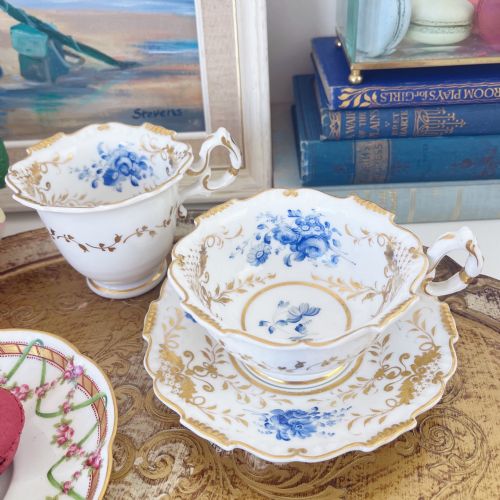
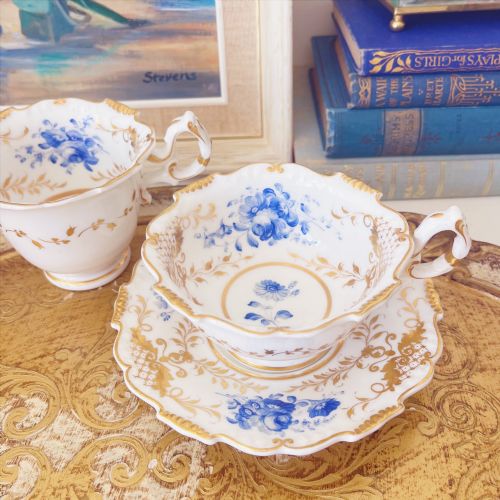
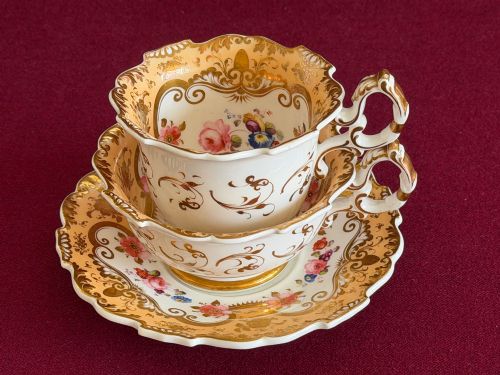
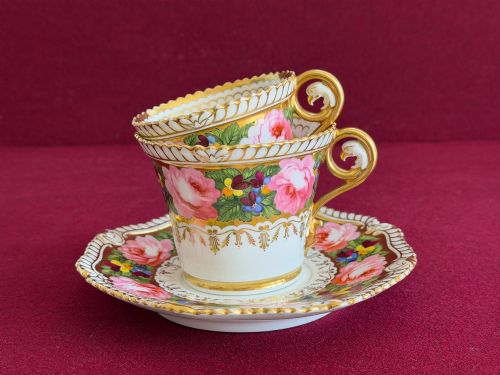
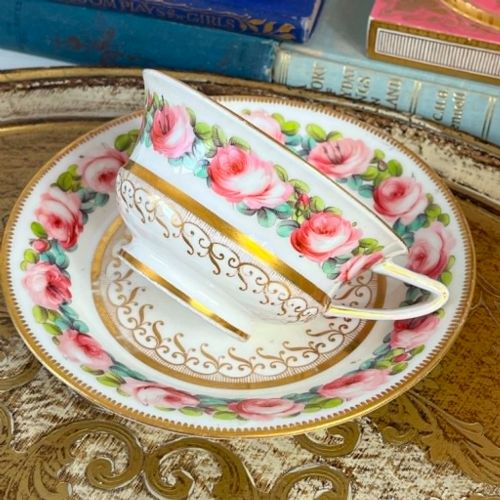
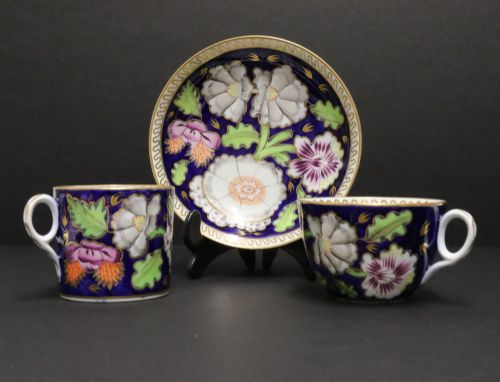
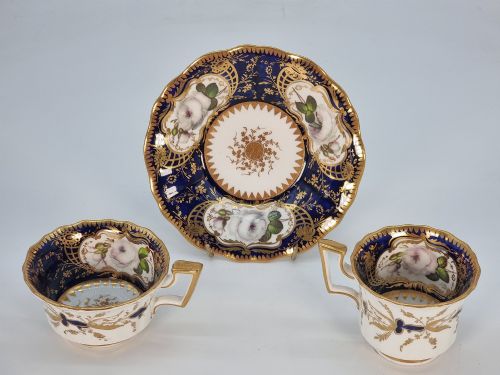
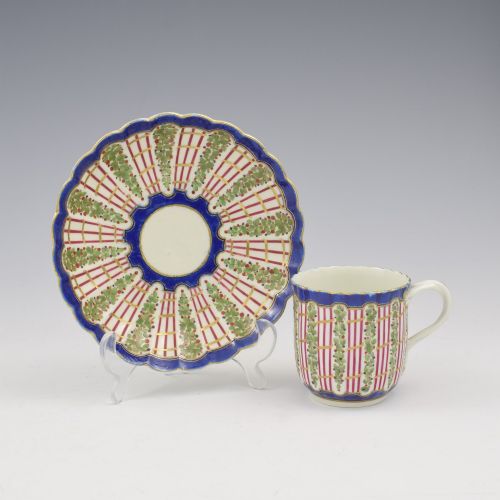
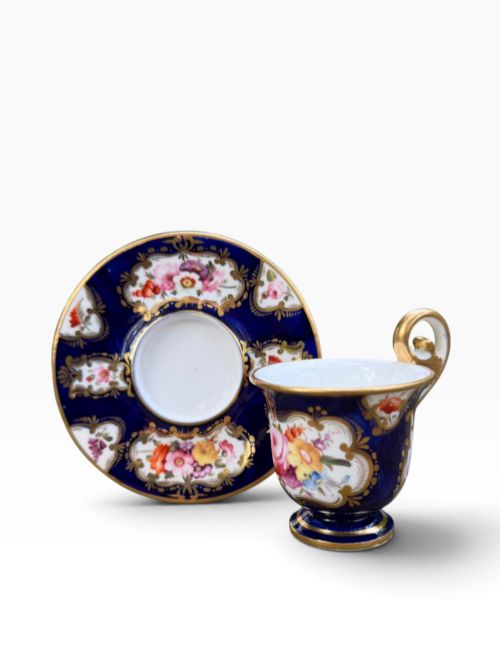
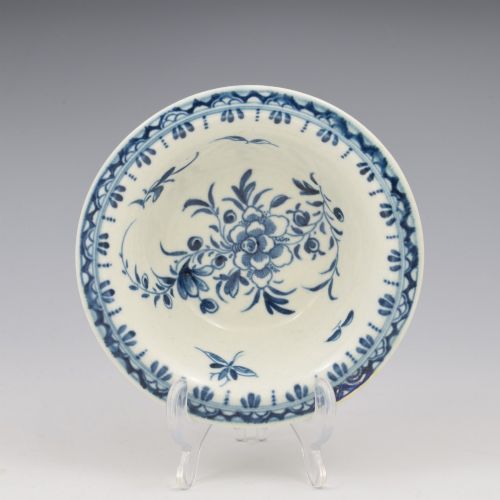
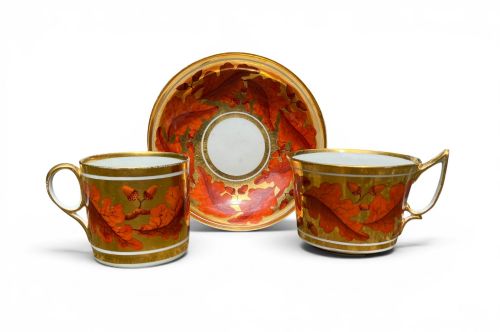
An antique english china saucer represents a rich tradition of ceramic artistry spanning from the eighteenth century through the early twentieth century. Collectors searching for this phrase will encounter items ranging from delicate eighteenth century Worcester tea bowls with matching saucers to elaborate Regency trios and Victorian service pieces.
The selections span significant historical periods including Georgian, Regency, and Victorian eras, alongside later pieces from nineteen thirty. Makers utilised various bodies from soft-paste porcelain to bone china to create these functional items.
While many pieces survive as part of larger tea services or trios combining cups and plates, individual saucers and duos also appear frequently. These wares reflect changing domestic habits and decorative tastes across successive generations of English makers.
Materials and technique
Potters relied on fine clay bodies such as bone china and soft-paste porcelain to form the thin, translucent walls characteristic of these items. Artisans shaped the clay by hand or on the potter's wheel before initial firing.
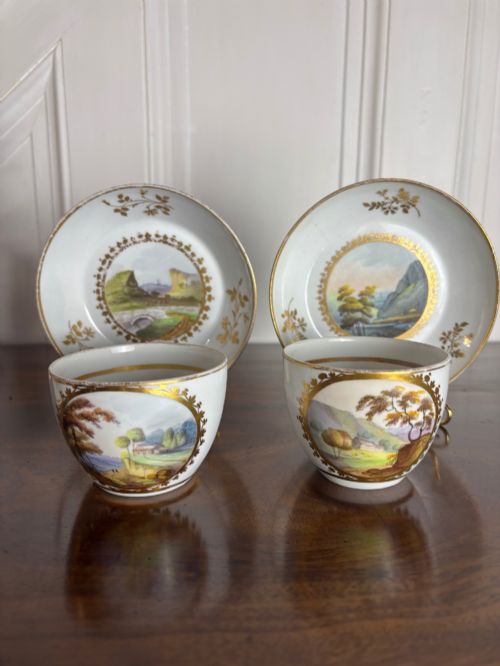
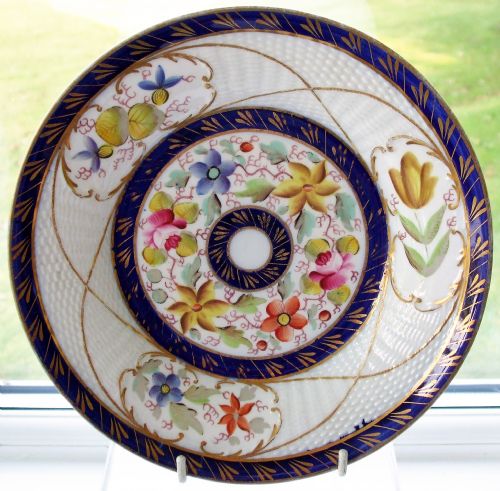
Decoration required skilled handpainting using enamel pigments and cobalt blue underglaze, often enhanced with gold leaf and elaborate gilding. Many workshops employed transfer printing alongside meticulous brushwork to achieve complex floral or landscape motifs.
Early porcelain makers occasionally included tiny hidden insects inside cups to surprise drinkers as their tea disappeared.
Distinctions in quality
The standard of an antique english china saucer is measured by the precision of its handpainted details and the purity of its paste. Superior examples display crisp, vibrant enamel work and expertly applied gilding that remains sharp under close inspection.
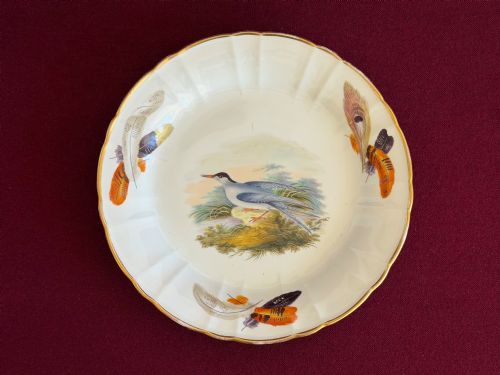
Pieces from notable factories or decorated by recognised hands demonstrate greater artistic ambition in their patterns, such as detailed birds or topographical landscapes. The thinness of the porcelain body and the absence of firing distortions further distinguish the finer productions.
H & R Daniel·Wedgwood·Chamberlain Worcester·Newhall·Coalport·Derby·Minton·Flight Barr And Barr·Royal Worcester·Royal Albert Crown China·Doric China·Sutherland Ware·Masons Patent Ironstone
The Antique English China Saucer Glossary
- Soft-Paste Porcelain
- An early ceramic composition fired at lower temperatures than true hard-paste porcelain. It results in a warm, slightly creamy body often found on eighteenth century pieces.
- Bone China
- A strong, translucent ceramic material containing bone ash. Introduced to improve durability, it became a standard medium for English tea wares.
- Tea Bowl
- A small, handleless drinking vessel used before cups with handles became universal. They were paired directly with matching saucers.
- Gilding
- The application of gold leaf or powdered gold to ceramic surfaces for decorative enhancement. Quality varies from simple rims to intricate raised gold patterns.
- Trio
- A matched set consisting of a teacup, a coffee cup, and a saucer. These composite groups were popular for formal afternoon tea service.
Antique English China Saucer: Frequently Asked Questions
How do I date an old saucer?
Dating relies heavily on factory marks, the type of ceramic body, and stylistic clues within the painted decoration. Eighteenth century pieces often feature soft-paste bodies and cobalt underglaze, while nineteenth century items frequently display pattern numbers and maker stamps.
Examining the foot rim and the style of the gilding also helps narrow down the decade of production. Comparing the piece to known factory patterns provides a reliable timeline.
Can I use these saucers daily?
While these items were originally created for functional use, antique porcelain requires careful handling due to age and delicate materials. Hand washing in lukewarm water with mild soap is essential to preserve fragile enamel paints and gold leaf.
Harsh detergents and modern dishwashers will damage the glaze and decorative surfaces permanently. Storing them securely prevents chips and cracks on the thin porcelain rims.
What is the difference between a tea bowl and a cup?
A tea bowl is a small, handleless vessel designed to be held in the hands, drawing inspiration from early Chinese imports. Cups feature applied handles and emerged as European manufacturing techniques and drinking habits evolved.
Both forms were paired with matching saucers across different historical periods. Tea bowls are more commonly found on pieces dating from the eighteenth century.
Why do some saucers have no makers marks?
Many early factories did not apply consistent stamps or painted marks to their wares, relying instead on distinctive pattern numbers or stylistic traits. Unmarked pieces were frequently decorated in independent studios or simply produced before systematic branding became standard.
The absence of a mark does not diminish the age or quality of the porcelain. Detailed research into paste characteristics and motif styles often reveals the likely origin.