



Antique English Ceramic Teaware
These antique English ceramic teaware pieces bring centuries of table history into daily use, combining soft-paste porcelain and bone china with hand-painted enamel and transfer printing.
Antique English Ceramic Teaware
Antique English ceramic teaware encompasses teapots, coffee cups, tea bowls, saucers, sugar bowls, and decorative dishes dating from the eighteenth century to the mid-twentieth century. When searching for antique English ceramic teaware, collectors typically encounter cabinet pieces and table items shaped during the Georgian, Regency, and Victorian periods.
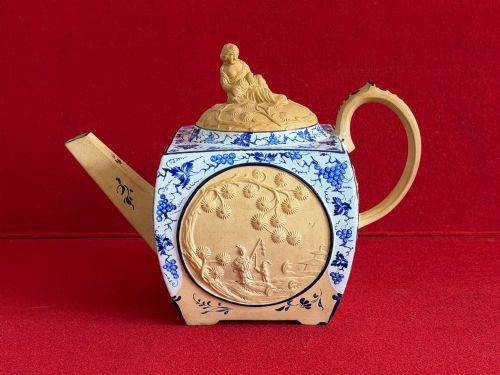
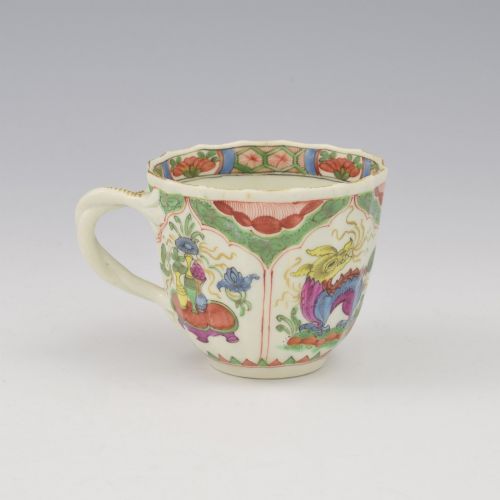
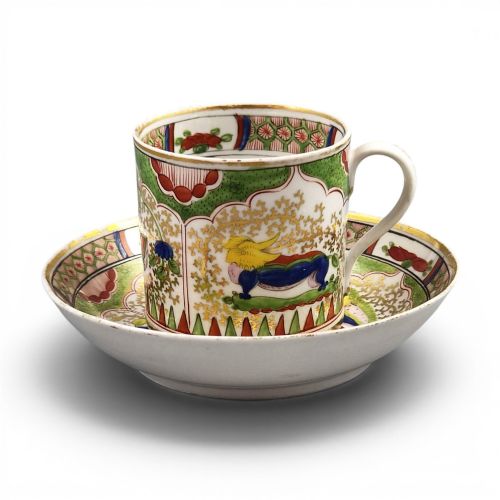
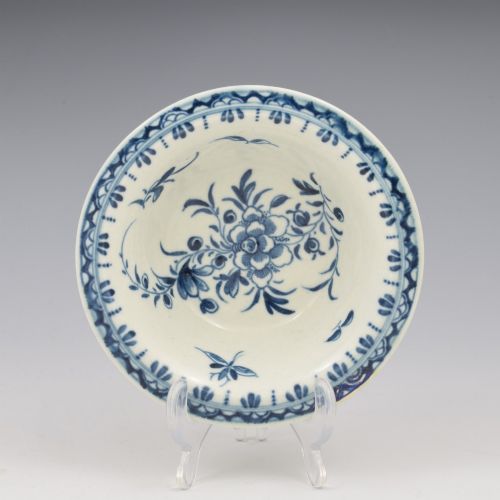
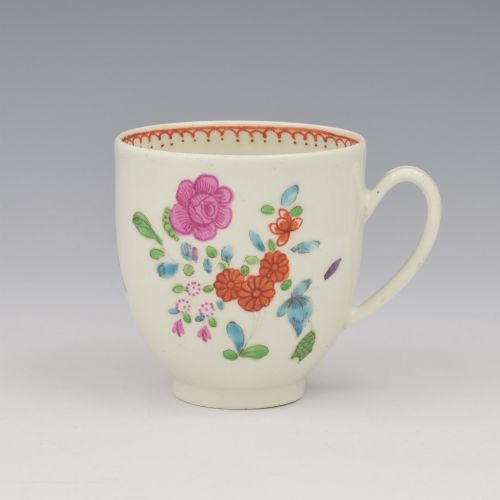
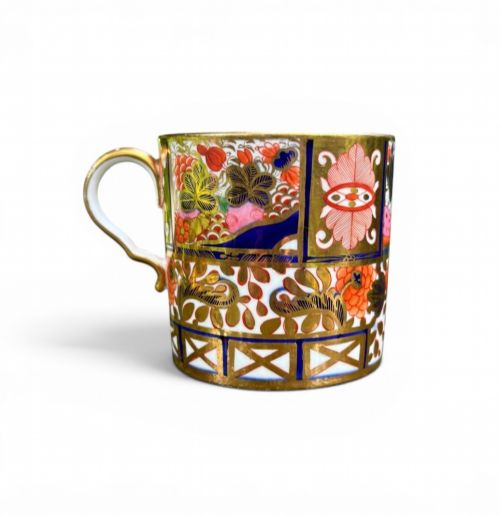
Forms range from the fluted coffee cups and tea bowls of the Dr Wall Worcester era to nineteenth-century solitaire teapots and Imari coffee cans by Spode and Mintons. Styles span from Georgian Chinoiserie and Mandarin patterns to blue and white transfer prints and twentieth-century painted fruit tea sets.
Distinctions in quality
Quality rests upon the crispness of the porcelain body, the precision of the hand-painted enamel or transfer-printed line, and the preservation of the glaze. Early soft-paste pieces display distinct translucency variations and subtle surface undulations that separate them from later standardised bone china.
The refinement of the painting, whether depicting intricate Chinoiserie figures, dragon compartments, or floral sprays, dictates the standing of a piece. Well-preserved gilding and matching components such as covers and saucers further distinguish superior examples.
Antique English Ceramic Teaware Retail Price Guide 2026
Typical asking prices for english ceramic teaware among the pieces listed under this phrase on Sellingantiques today, from the lower quarter to the upper quarter. They describe what is for sale here now, not the wider market.
Watch for the fierce 'Crazy Cow' pattern, a delightful early nineteenth-century Minton design that brings unexpected livestock onto fine china.
Spode·Dr Wall Worcester·Chamberlains Worcester·Mintons·Royal Worcester·Davenport
The Antique English Ceramic Teaware Glossary
- Soft-paste porcelain
- An early ceramic composition fired at lower temperatures than hard-paste porcelain, creating a warm, slightly creamy body with high translucency. Eighteenth-century factories relied heavily on this mixture before bone china became dominant.
- Tea bowl
- A handleless cup used for drinking tea before handled teacups became standard in European dining. These small vessels usually accompanied a matching saucer.
- Coffee can
- A straight-sided cylindrical cup designed specifically for drinking coffee in the eighteenth and nineteenth centuries. They often feature simple loop handles.
- Sucrier
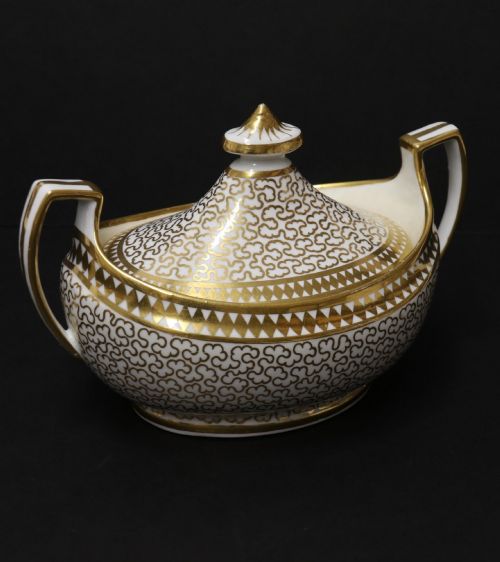
- A covered sugar bowl designed to match a tea or coffee service. These vessels frequently echo the decorative patterns and finials of their accompanying teapots.
- Transfer printing
- A mechanical decoration technique where an engraved copper plate transfers a design onto tissue paper, which is then impressed onto the ceramic body. This method allowed factories to produce consistent blue and white patterns efficiently.
Antique English Ceramic Teaware: Frequently Asked Questions
How do I date early Worcester teaware?
Dating relies on body characteristics, factory marks such as the blue crescent, and the painting style associated with specific decades of the eighteenth and nineteenth centuries. Comparing handle shapes and floral motifs against known period examples helps narrow the production window.
Changes in porcelain paste formulations from soft-paste to bone china also provide reliable chronological markers for pieces spanning the Georgian and Regency eras.
What is a solitaire teapot?
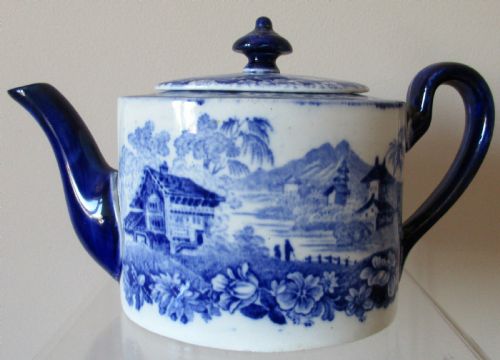
A solitaire teapot is a small-scale single-serving pot made for one person, often part of an intimate breakfast or tea set. These compact pieces were popular in nineteenth-century households for private morning tea.
They frequently appear alongside matching small cups and saucers in blue and white transfer-printed patterns.
Are these ceramic pieces safe for use?
While historic teaware was built for dining, antique soft-paste porcelain and early bone china require careful handling due to their age and material fragility. Many collectors prefer to display them rather than subject them to modern thermal and mechanical stresses.
Hand washing in lukewarm water without harsh detergents is essential if owners choose to use them occasionally.
What is Chinoiserie decoration?
Chinoiserie is a European interpretation of Chinese artistic motifs, featuring imagined figures, pavilions, and garden scenes. Eighteenth-century porcelain painters used these exotic themes extensively on tea bowls, coffee cups, and teapots.
The style reflects the period's fascination with East Asian trade goods and imported ceramics.