

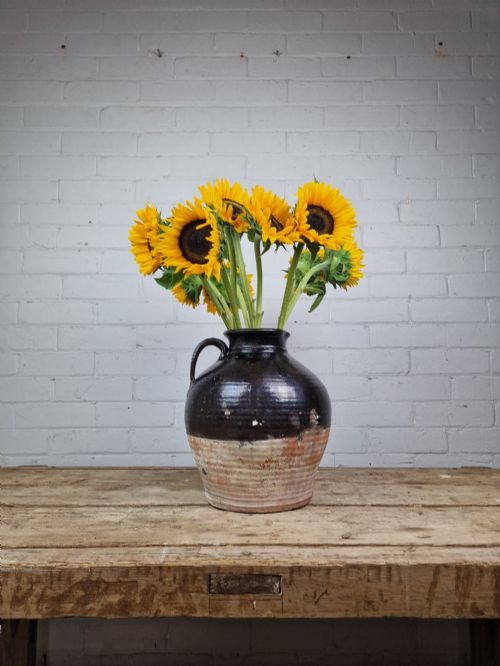
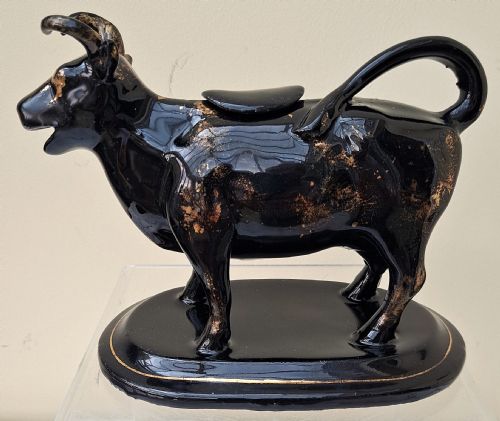
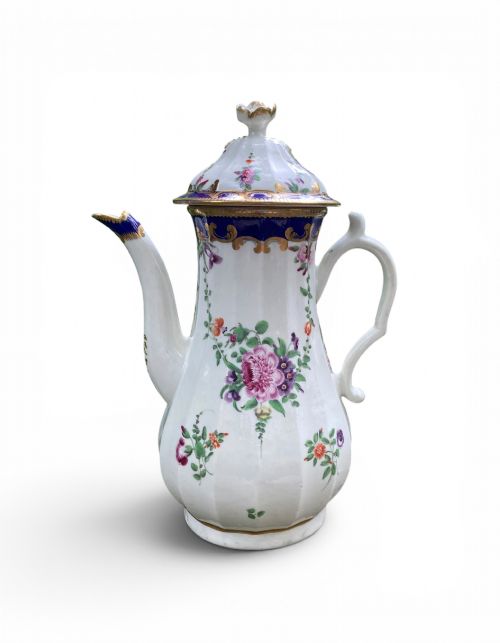
Antique English Ceramic Pitcher
These antique English ceramic pitcher examples bring utilitarian history and transfer-printed scenes directly into the room.
Antique English Ceramic Pitcher
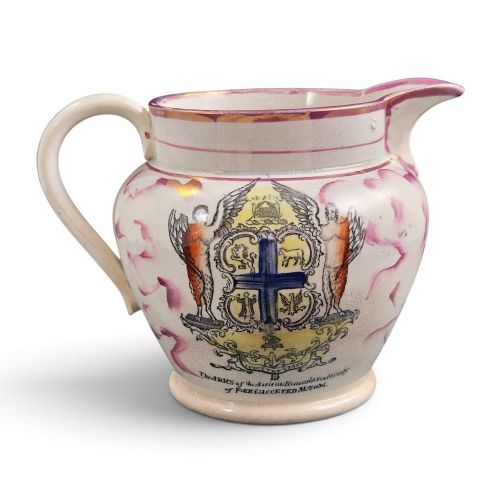
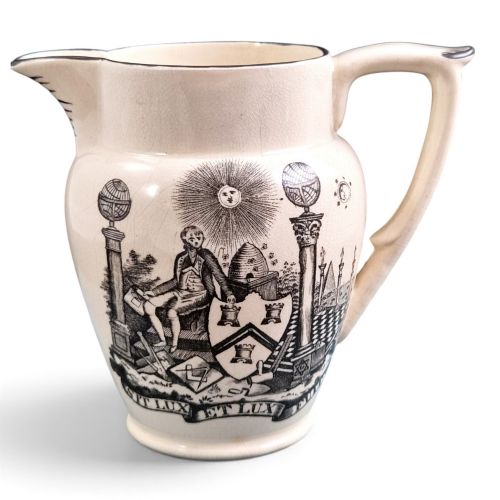
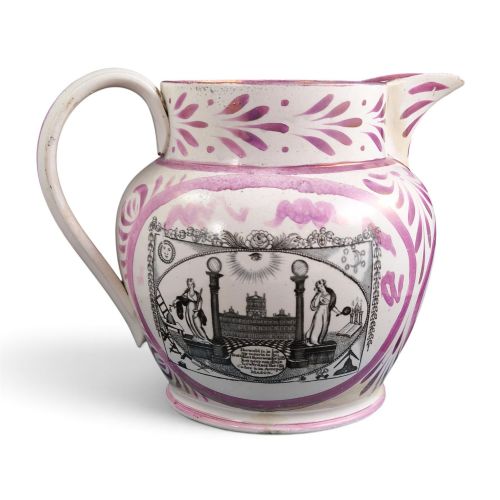
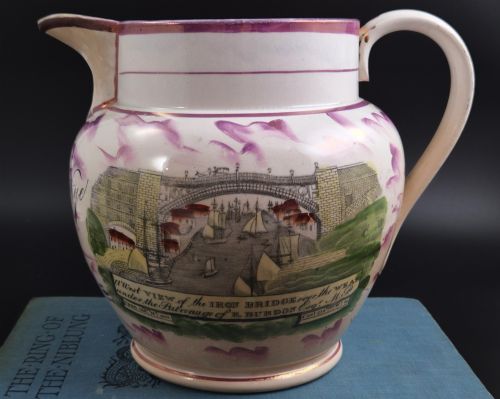
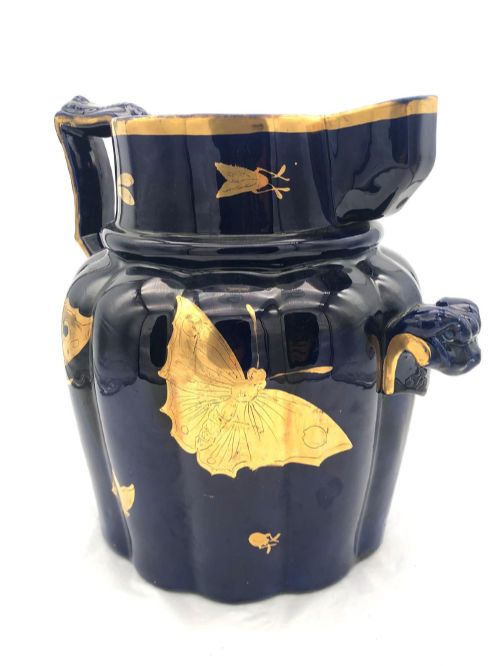
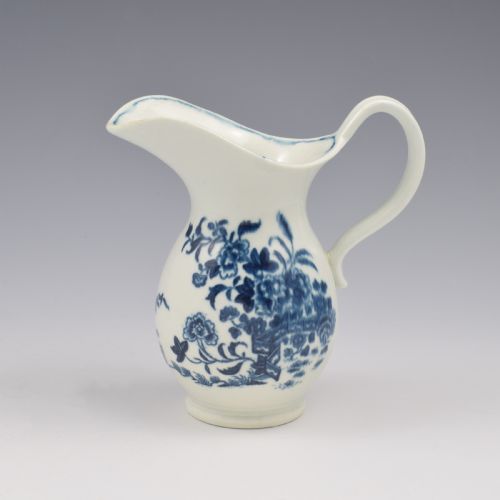
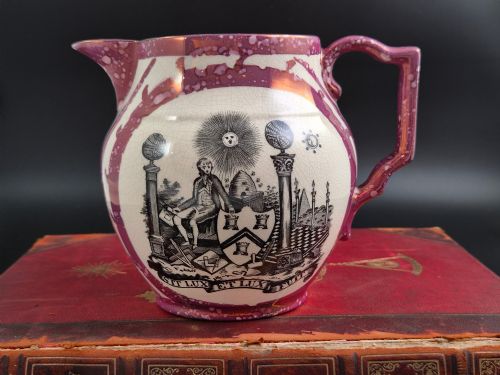
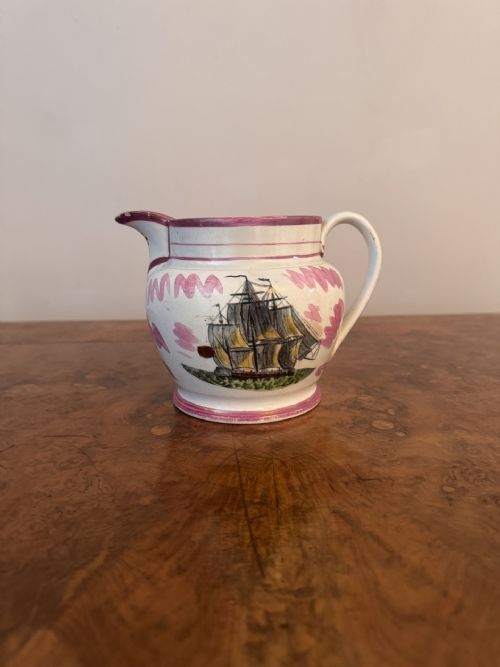
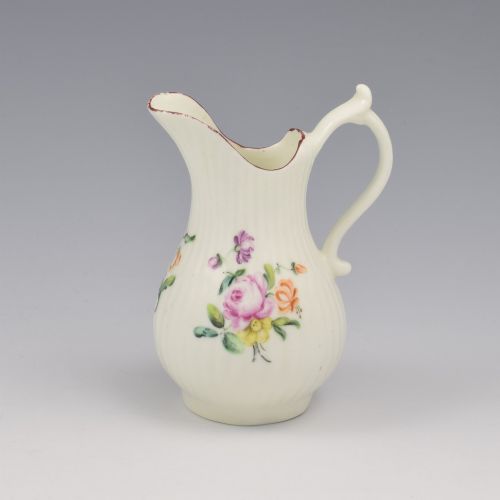
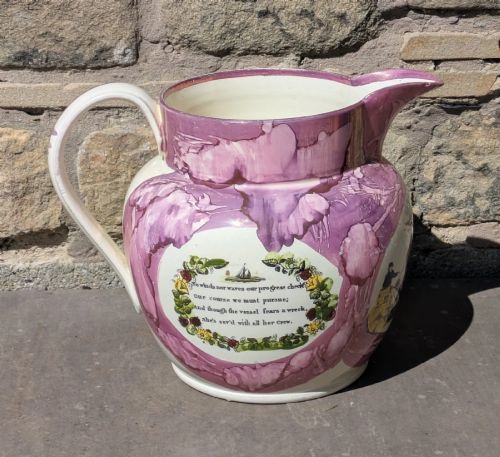
An antique English ceramic pitcher serves as a tangible link to domestic and commemorative traditions spanning from the eighteenth century into the Victorian era. These vessels appear in varied forms across this page, ranging from cream jugs and milk ewers to large Sunderland lustre pieces and figural toby jugs.
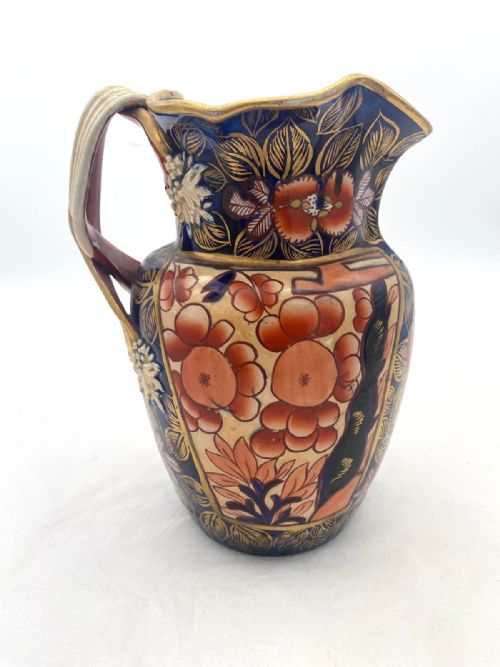
Buyers encounter distinct regional and stylistic varieties, including transfer-printed creamware from Staffordshire, pink lustre ware from Sunderland, and heavy ironstone from factories like Mason's. Domestic utility meets decorative art in forms that served for daily pouring or marked specific historical occasions.
The selection encompasses utilitarian slipware alongside fine porcelain works produced by Worcester, Derby, and New Hall. Each period contributes characteristic shapes, from Georgian baluster profiles to Victorian relief-moulded designs.
How they were made
Potters shaped these bodies using earthenware, stoneware, porcelain, pearlware, and ironstone, applying glazes to seal the porous clay. Ironstone offered robust durability for heavy domestic service, while porcelain and creamware allowed for delicate potting and refined handling.
Decoration relied on hand painting, transfer printing in black, magenta, or blue, and metallic lustre applications such as pink splash and copper. Potters also utilised relief moulding and slip trailing to build surface texture before firing the vessels in kilns.
Listings feature earthenware, stoneware, porcelain, and ironstone across Georgian, Regency, and Victorian eras.
What varies in quality
Quality rests in the crispness of the transfer print, the evenness of the glaze, and the precision of the modelling in figural pieces like toby jugs. Superior examples display clean application of lustre and careful hand-painting that remains sharp against the ceramic ground.
The sophistication of the form dictates distinction, separating standard utility vessels from finely potted porcelain ewers and documented commemorative pieces bearing named subjects.
Dr Wall Worcester·Royal Worcester·Doulton Lambeth·Leeds Pottery·Mason's Ironstone·Sunderland Garrison Pottery
The Antique English Ceramic Pitcher Glossary
- Creamware
- A fine earthenware developed in Yorkshire and Staffordshire, possessing a pale yellow or cream-coloured glaze. It replaced heavier earthenwares with a lighter, more refined body suitable for dining.
- Lustre ware
- Pottery finished with a metallic glaze that creates an iridescent sheen, often seen in pink, copper, or silver tones. Sunderland potteries specialised in splash and pink lustre effects.
- Ironstone
- A heavy, durable type of feldspathic stoneware patented in England to rival Chinese porcelain. It resists chipping and provided a strong base for vibrant coloured patterns.
- Transfer print
- A decorative technique where an engraved copper plate transfers an inked design onto tissue paper, which is then pressed onto the ceramic body. This method allowed intricate topographical and narrative scenes to be reproduced consistently.
- Tyg
- A large drinking vessel featuring three or more handles designed for communal passing around a table. Early examples appeared in sturdy stoneware and slipware.
Antique English Ceramic Pitcher: Frequently Asked Questions
How do I date an antique ceramic pitcher?
Dating relies on examining the ceramic body, glaze characteristics, and decorative methods visible across the piece. Creamware and pearlware point toward the Georgian period, while heavy relief moulding and copper lustre typically indicate Victorian production.
Makers' marks, where present underneath the base, provide specific factory periods. Stylistic cues such as transfer-printed maritime scenes or neoclassical shapes further narrow the decade of manufacture.
Are these pitchers safe for daily use?
Most historic ceramic vessels are best reserved for display rather than active service with food or drink. Historic glazes can be delicate, and centuries of micro-wear weaken the structural integrity of the ceramic body.
Hand-washing is essential if handling becomes necessary, avoiding thermal shock from boiling water. Gentle care preserves both the fragile transfer prints and the metallic lustre surfaces.
What distinguishes ironstone from earthenware?
Ironstone is a dense, vitrified stoneware invented to provide exceptional strength and durability compared to standard earthenware. It feels heavier in the hand and rings with a clearer tone when tapped.
Earthenware remains more porous and requires a complete glaze barrier to hold liquids effectively. Ironstone factories like Mason's used this robust material for large, richly coloured tableware.
How should I display my antique jug?
Placement requires stable shelving away from direct sunlight to protect transfer-printed designs and coloured enamels from fading. Enclosed cabinets protect delicate handles and rims from accidental knocks in busy rooms.
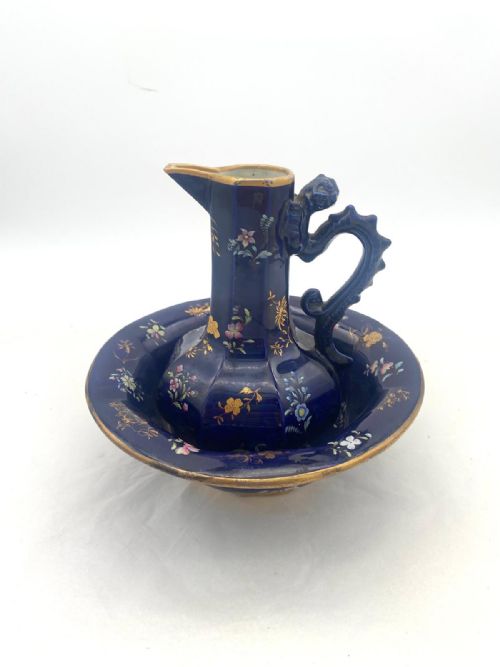
Allowing adequate space around each piece highlights distinct profiles, from octagonal ironstone bodies to slender porcelain milk ewers.