


Antique English Blue Pottery
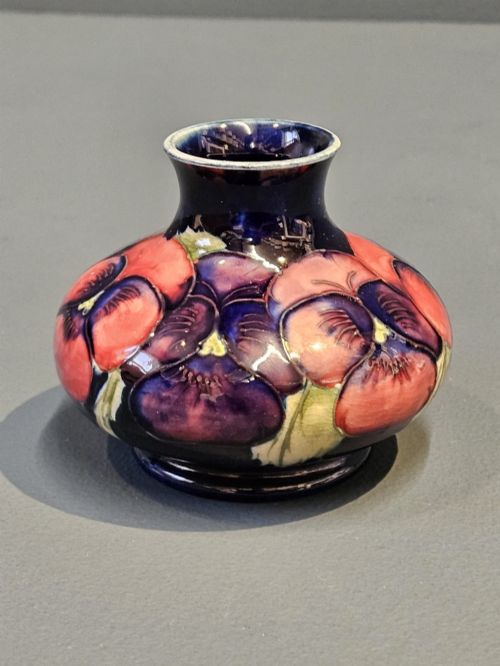
These pieces of antique English blue pottery span centuries of earthenware, ironstone, and delftware crafted for domestic and decorative use.
Antique English Blue Pottery
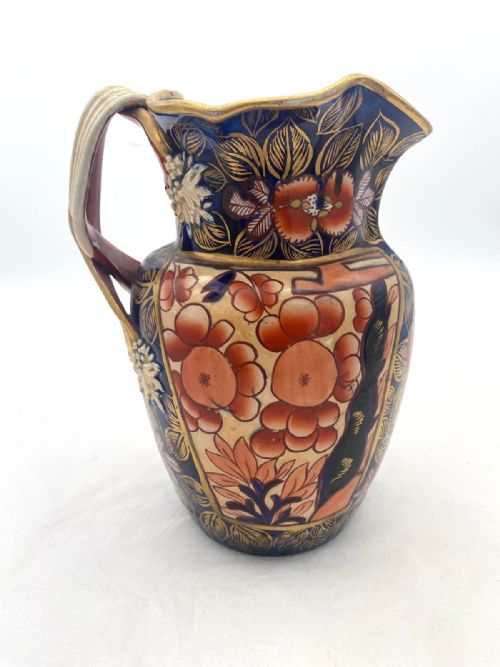
Collectors seeking antique English blue pottery encounter a diverse range of functional and ornamental vessels produced across several centuries. The selection encompasses everyday dining wares, commemorative jugs, and elaborate tureens decorated in shades of blue.
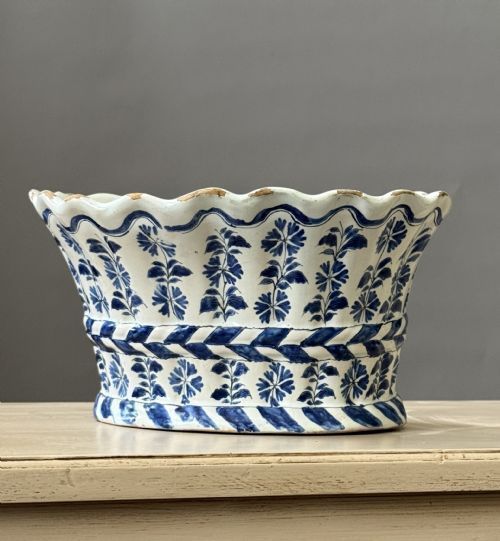
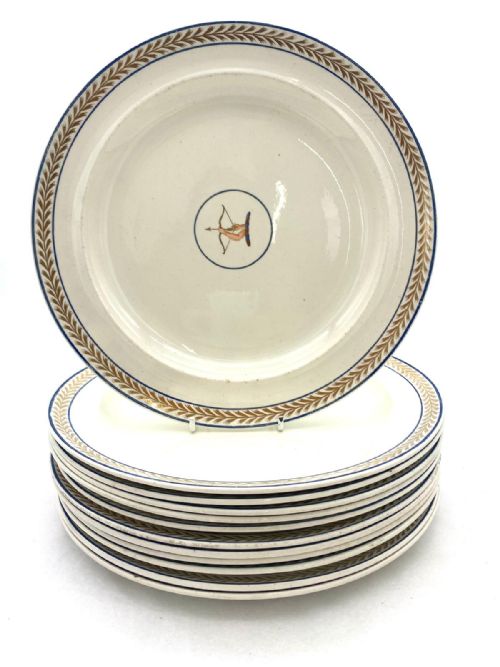
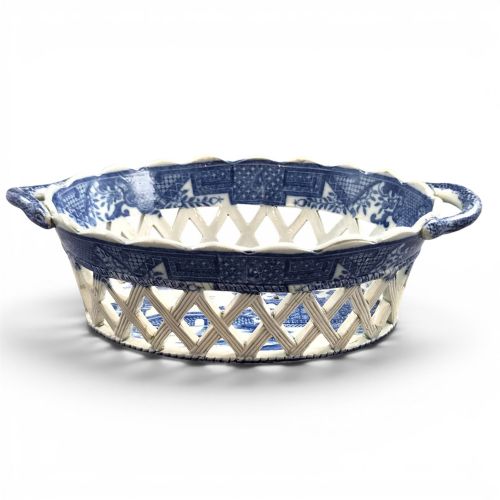
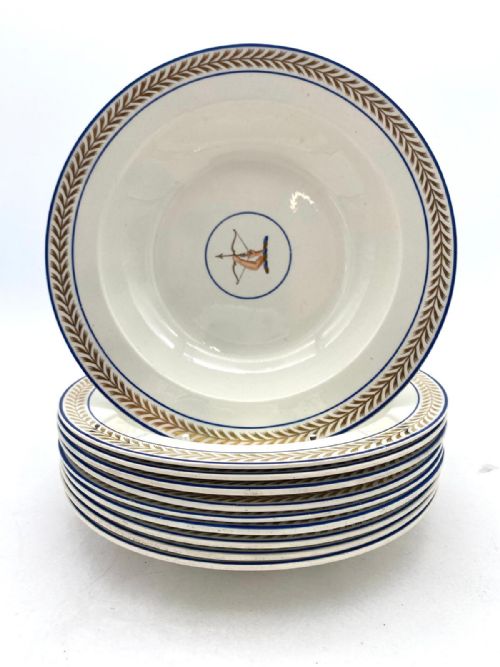
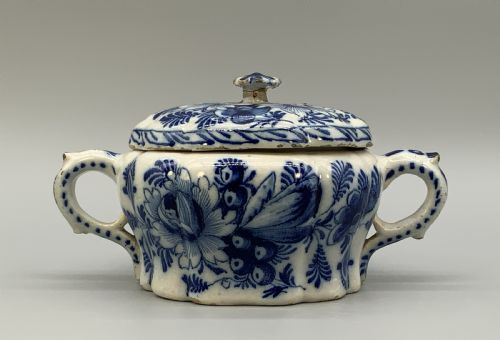
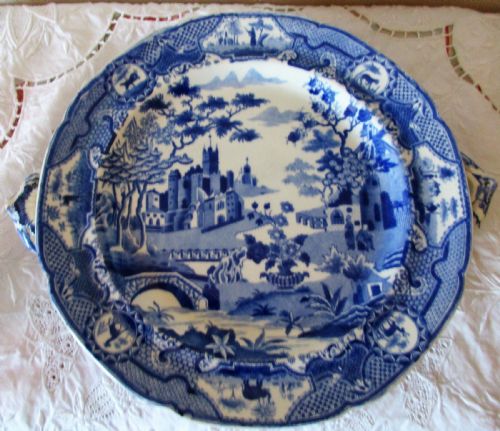
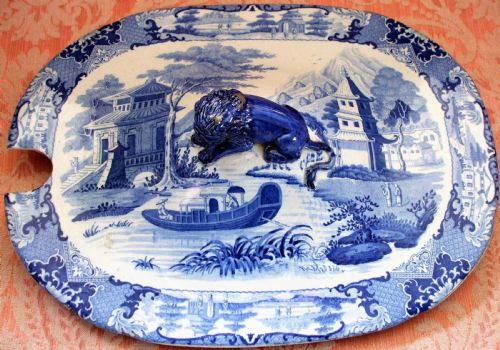
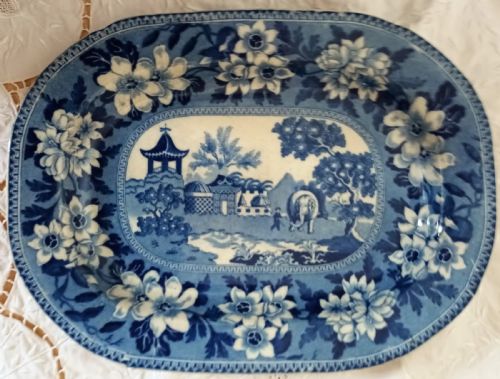
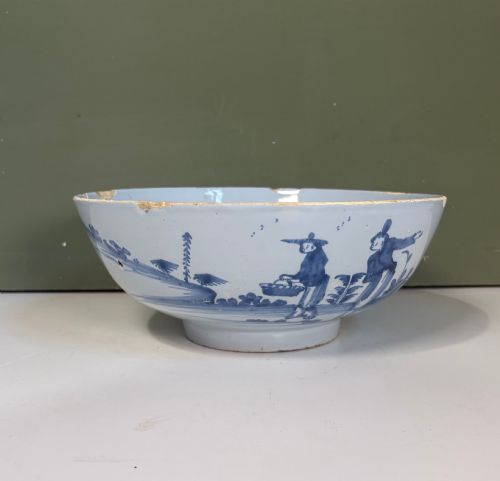
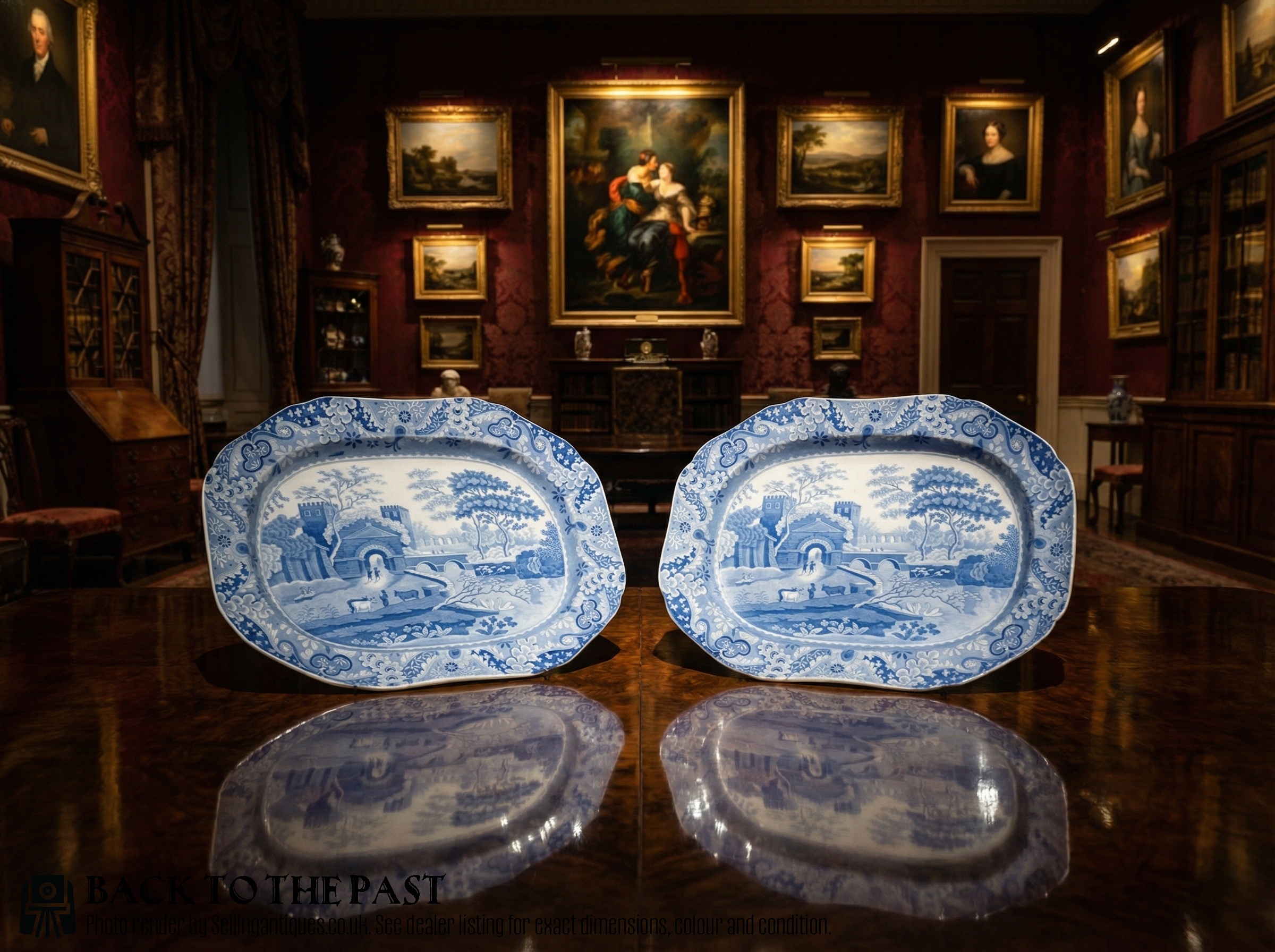
Transfer-printed earthenware and ironstone plates, platters, and chestnut baskets from the Georgian and Victorian periods dominate the available forms. Earlier examples feature tin-glazed earthenware and delftware vessels painted by hand with floral or architectural motifs.
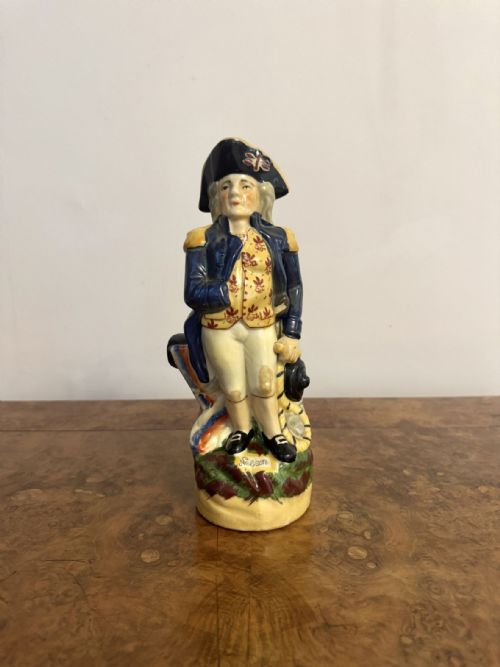
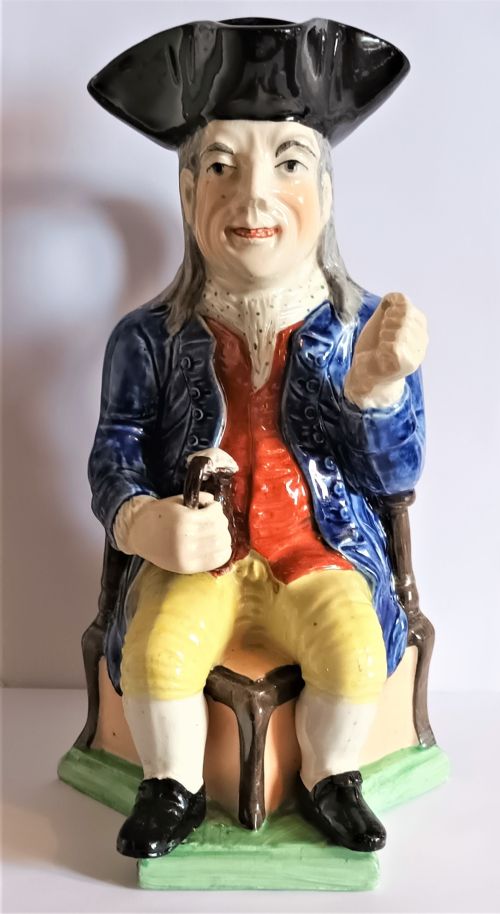
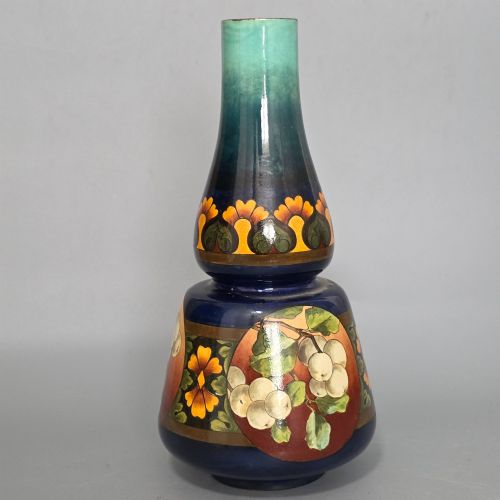
Alongside tableware, the category includes decorative figurines, posset pots, and apothecary wet drug jars originating from English potteries. These items reflect both utilitarian purposes and the shifting aesthetic preferences of historical domestic interiors.
How They Were Made
Makers utilised earthenware, ceramic, and ironstone bodies as the foundational substrates for these blue and white vessels. Potters applied tin glazes or clear lead glazes over the clay bodies to seal the porous material and provide a smooth surface for decoration.
Decoration relied heavily on underglaze blue painting or transfer printing, where engraved copper plates transferred intricate designs onto tissue paper before application to the biscuit fired ceramic. Enamel highlights and gold leaf accents sometimes appeared on top of the glaze in later Victorian wares.
Listings feature earthenware, ironstone, and tin-glazed ceramic forms spanning the seventeenth to the twentieth century.
What Varies in Quality
The clarity and crispness of the blue transfer print or hand-painted brushwork dictate the visual success of each piece. Smudged outlines or pooling underglaze colour indicate hurried production, whereas sharp lines demonstrate skilled execution by the potter.
The complexity of the ceramic form, such as reticulated chestnut baskets or moulded lobed dishes, separates standard utilitarian wares from ambitious cabinet pieces. Exceptional items display careful potting with balanced proportions and even glaze coverage across the entire surface.
Moorcroft·Wedgwood·Mason's·Spode·Doulton Lambeth·James Wallace and Co·John Rogers and Son·J. and R. Clews·Keeling and Co·J. and R. Riley·Mintons·John and Richard Riley·Robert Hamilton·F. and R. Pratt of Fenton·John Hall and Sons·Mayer and Newbold·Zacharia Boyle of Hanley·Thomas and Benjamin Godwin·John Meir and Son of Tunstall·Ralph Stevenson of Cobridge
The Antique English Blue Pottery Glossary
- Transfer printing
- A method of decorating ceramics by engraving a design onto a copper plate, pulling an impression on tissue paper, and pressing it onto the unglazed or bisque ceramic body.
- Tin-glazed earthenware
- Pottery covered with a glaze containing tin oxide, which fires to an opaque white surface suitable for painting directly upon.
- Ironstone
- A dense, durable type of heavy earthenware patented in the nineteenth century to rival true porcelain.
- Posset pot
- A spouted vessel historically used for serving a hot, curdled milk drink mixed with wine or ale during social gatherings.
- Chestnut basket
- A pierced or reticulated ceramic container designed for holding roasted chestnuts at the dining table, often accompanied by a matching stand.
Antique English Blue Pottery: Frequently Asked Questions
How are different periods of blue pottery distinguished?
Earlier pieces from the seventeenth and eighteenth centuries primarily feature hand-painted tin-glazed earthenware or delftware with softer blue tones. Nineteenth-century examples frequently utilise transfer-printed ironstone and refined earthenware displaying dense topographical or oriental scenes.
Examining the weight of the ceramic body and the style of the base helps determine the approximate age. Earlier bodies tend to show potting marks, while later factory-produced items often include impressed maker names or pattern titles.
What was the original purpose of a chestnut basket?
Chestnut baskets served dining tables as ventilated containers designed to keep roasted chestnuts warm during long meals. Their pierced or reticulated walls allowed heat to dissipate gently while presenting the food attractively.
These vessels usually included an attached or separate matching underplate to catch debris. Wealthy households displayed them as part of large multi-course table settings.
Can antique blue pottery be used for serving food?
Many nineteenth-century ironstone and earthenware plates, platters, and tureens were built for daily dining and functional service. However, historic glazes on very early delftware can be sensitive to modern detergents and acids found in certain foods.
Collectors generally restrict older tin-glazed pieces to display purposes to protect the soft surface. Sturdier ironstone vessels tolerate careful hand washing if used occasionally.
Why do some transfer prints appear blurry?
Blurry transfer prints occur when the paper slips during application or when excess colour bleeds into the glaze during firing. Potters occasionally experienced technical difficulties controlling the fluidity of the cobalt oxide under high kiln temperatures.
While crisp prints represent the highest standard of factory output, slight blurring remains a common characteristic of historical transfer-printed wares.