

Antique Engagement Band
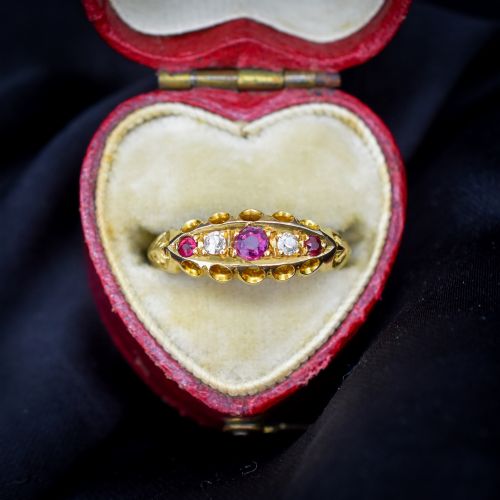
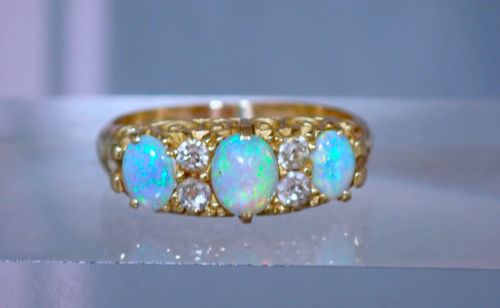
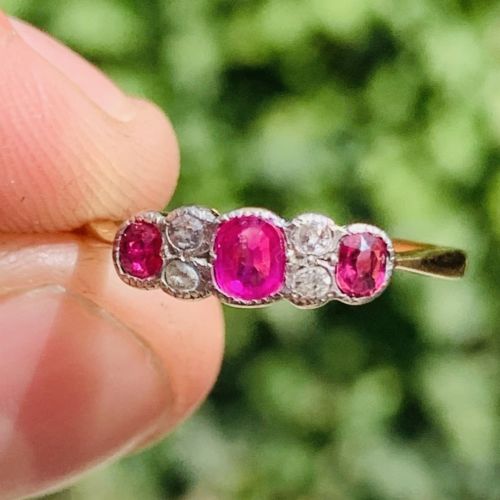
An antique engagement band carries history on the hand through old cut diamonds and rich coloured gems set in gold and platinum.
Antique Engagement Band
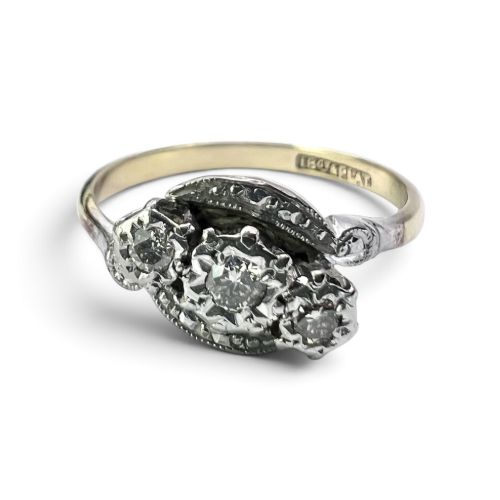
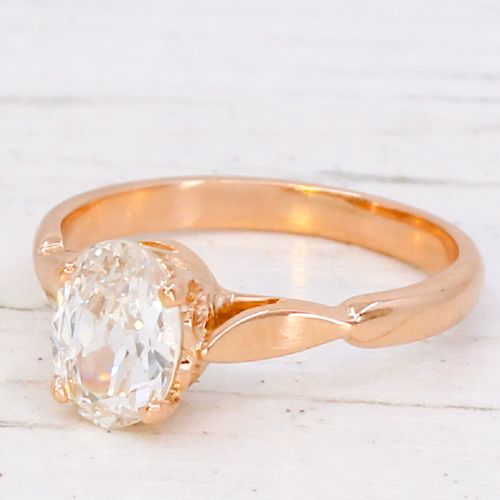
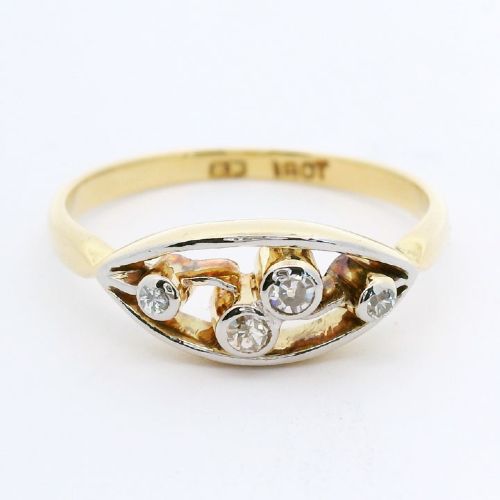
An antique engagement band combines sentiment with historic craftsmanship, spanning periods from the late Victorian era through Edwardian designs to Art Deco and mid-century modern forms. When buyers search for an antique engagement band, they encounter rings shaped as cluster settings, multi-stone rings, and traditional bands holding diamonds alongside rubies, sapphires, and emeralds.
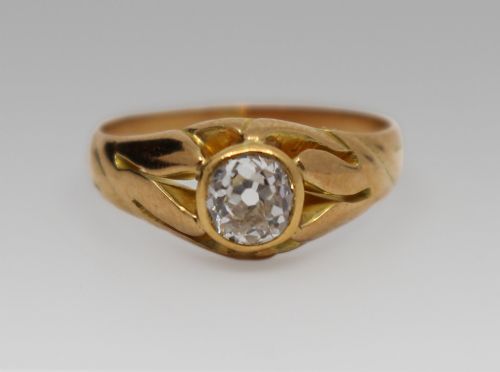
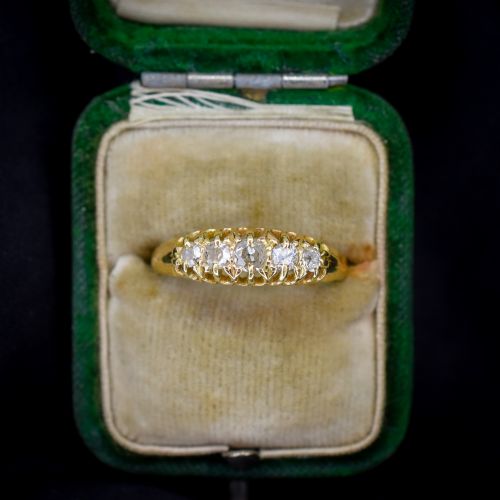
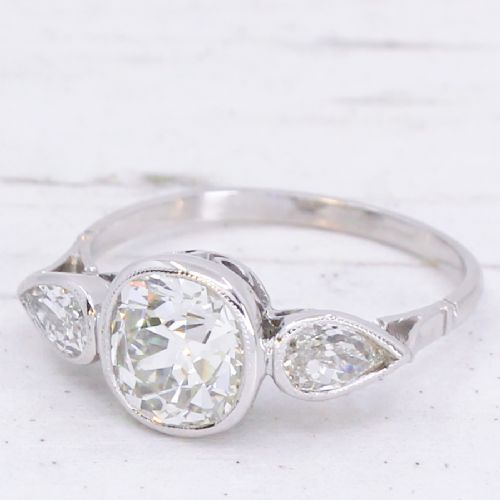
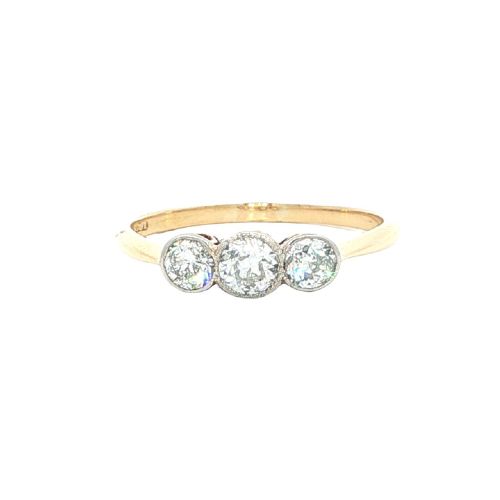
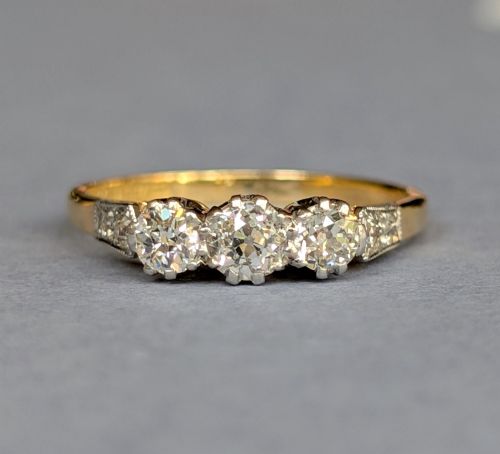
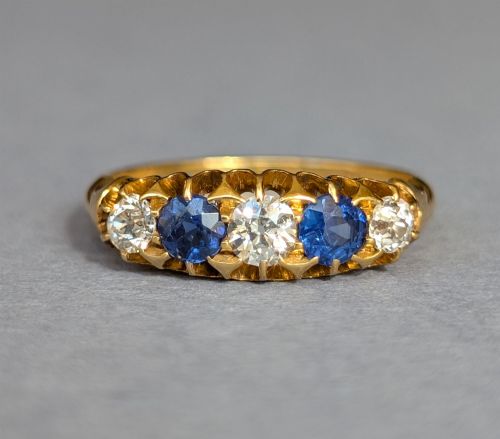
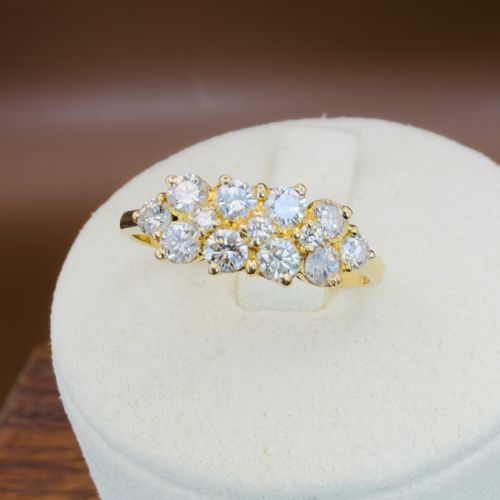
The version most commonly met on this page is the 18ct gold or platinum ring featuring old cut diamonds, often arranged in three-stone, five-stone, or cluster configurations. These pieces originate from distinct stylistic movements, showing the transition from ornate Victorian boat rings and starbursts to the clean geometric lines of the 1920s and 1930s.
How these rings were made
Goldsmiths shaped these rings primarily from 18ct yellow gold, 18ct white gold, and platinum, frequently combining yellow gold shanks with platinum settings to enhance the brilliance of diamonds. Stones were hand-cut by artisans, resulting in distinctive configurations such as old mine cuts, old European cuts, and old cushion cuts with broad facets that catch candlelight differently than modern brilliant cuts.
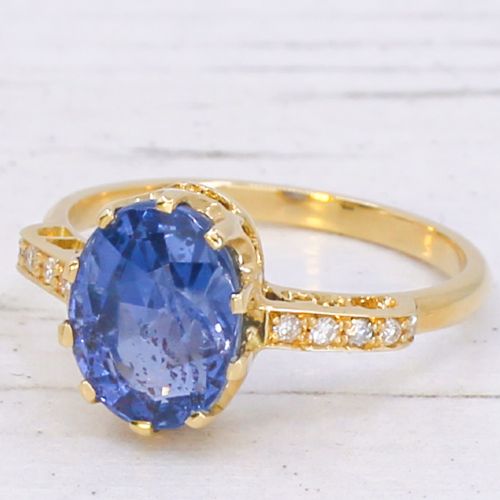
Gemstones including Burmese rubies, sapphires, turquoises, pearls, and opals were secured using claw settings, gypsy settings flush into the metal, or delicate milgrain borders. Craftsmanship from the Victorian and Edwardian periods relied on meticulous hand-workmanship, creating structural details like diamond-set shoulders and engraved band sides.
Some Victorian gypsy rings let you wear heavy gold with total confidence that nothing will snag on your wool jumper.
What varies in quality
Quality in an antique engagement band depends heavily on the integrity of the original setting and the character of the hand-cut stones. Rings that retain their crisp milgrain edges, secure claw work, and minimal metal wear on the band demonstrate superior preservation over decades of daily wear.
The visual harmony between the central gemstone and its supporting stones dictates the upper tier of the range. Masterful matching of old cut diamonds and natural unheated rubies or sapphires elevates a piece beyond standard production of its period.
The Antique Engagement Band Glossary
- Old Cut Diamond
- A diamond cut by hand before the mid-twentieth century, featuring a smaller table, higher crown, and open culet that produce a softer, deeper shimmer.
- Toi Et Moi
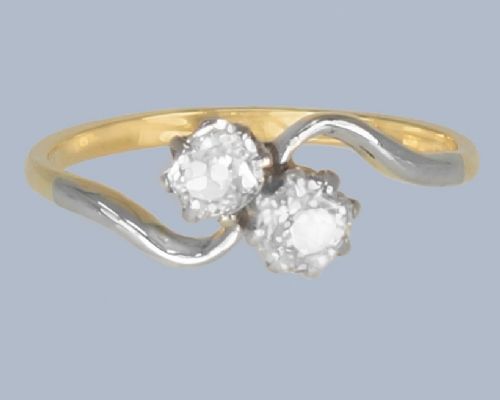
- A two-stone ring style translating to you and me, representing two souls joined together through complementary gems such as a diamond and a ruby.
- Milgrain
- A decorative technique involving a row of tiny raised metal beads along the edge of a setting, common in Edwardian and Art Deco jewellery.
- Gypsy Setting
- A ring design where the gemstone is embedded flush into the solid metal band, creating a smooth and secure profile typical of late Victorian pieces.
- Trilogy Ring
- A three-stone ring design where the stones symbolise the past, present, and future of a relationship.
Antique Engagement Band: Frequently Asked Questions
How do I care for an antique engagement band?
Wear the ring with care during rigorous physical activities, and remove it before swimming or handling harsh cleaning chemicals. Regular inspection by a specialist jeweller ensures the historic claws and settings remain secure.
Clean the metal and stones gently using warm soapy water and a soft brush. Avoid ultrasonic cleaners on antique pieces containing softer gems like pearls, opals, or emeralds.
Can antique engagement bands be resized?
Most gold and platinum bands can be adjusted by a skilled jeweller who understands antique construction. The process involves adding or removing a small section of metal from the shank.
Intricate hand-engraving or continuous channel-set stones around the band may limit how much the ring can be altered without disturbing the historic pattern.
What is the difference between Victorian and Edwardian rings?
Victorian rings, spanning the nineteenth century, often feature heavier yellow gold, romantic cluster motifs, gypsy settings, and rubies or pearls surrounded by diamonds. The craftsmanship prioritises warmth and sentimental symbolism.
Edwardian rings transition into lighter platinum settings paired with yellow gold, utilising openwork filigree and milgrain edges. The aesthetic favours delicate lace-like patterns designed to maximise the light passing through old cut diamonds.
Are old cut diamonds different from modern diamonds?
Old cut diamonds were shaped by hand rather than by computer-guided lasers, resulting in unique proportions and hand-faceting. They possess smaller table facets and larger culets that create a distinct, intimate sparkle under ambient lighting.
Modern brilliant cuts are engineered for maximum mathematical light return and geometric uniformity. Antique stones carry individual character shaped by the diamond cutter working centuries ago.