



Antique End Table Castors
Antique end table castors secure mobility for side pieces and support movement across tables from Georgian to Edwardian periods.
Antique End Table Castors
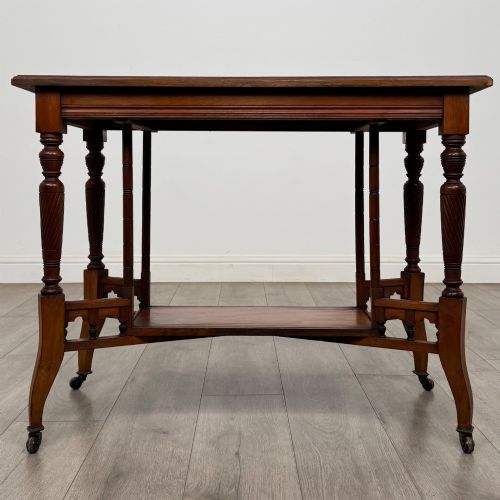
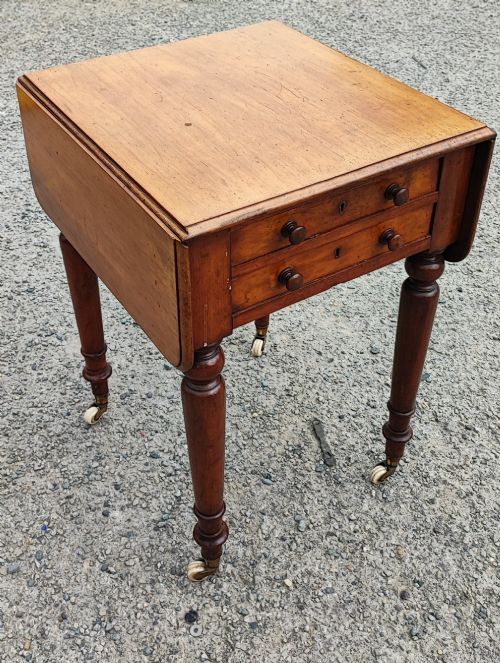
When buyers search for antique end table castors, they seek the small wheel hardware fitted to the feet of side tables, occasional tables, and Pembroke tables. These fittings appear on pieces originating from the eighteenth century through to the Edwardian era.
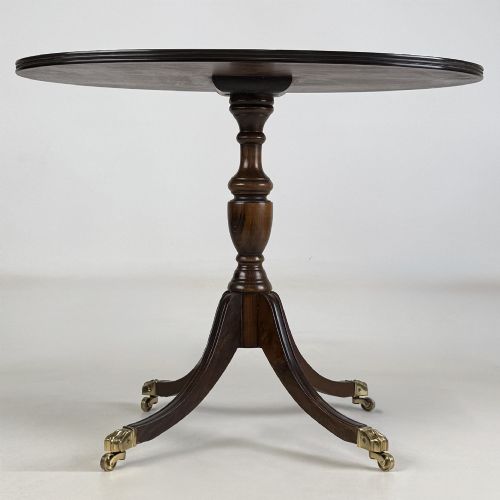
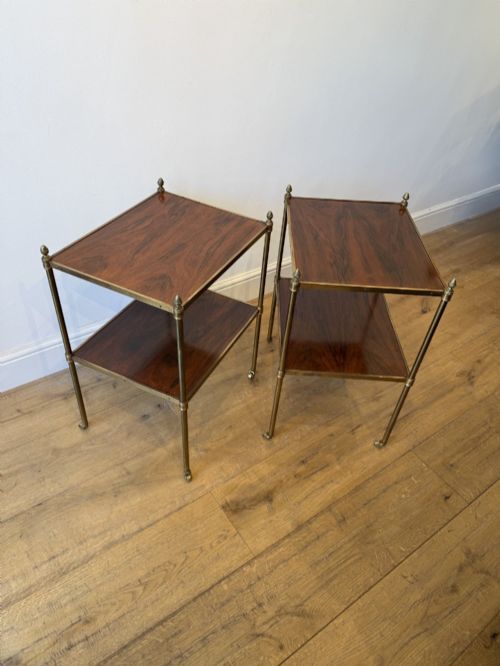
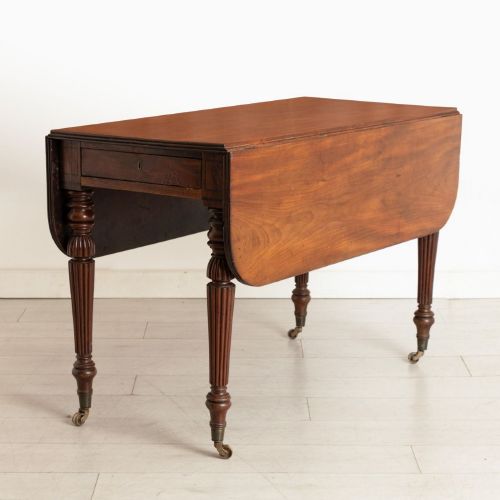
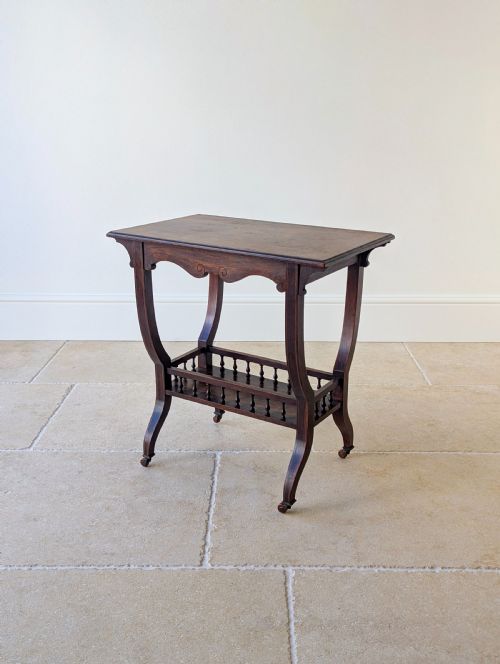
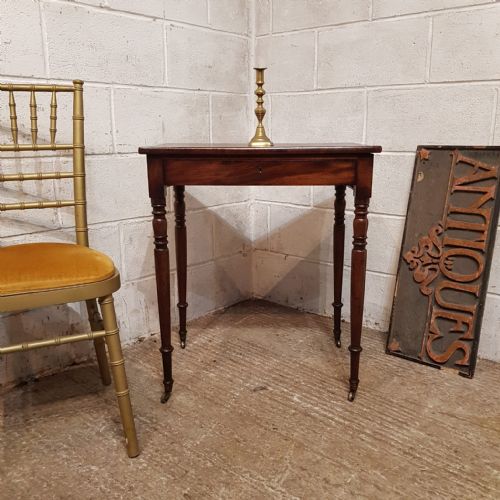
The versions met most frequently on this page belong to the Regency and nineteenth-century periods, attached to mahogany side tables and lamp tables. These items provide functional movement for domestic furniture.
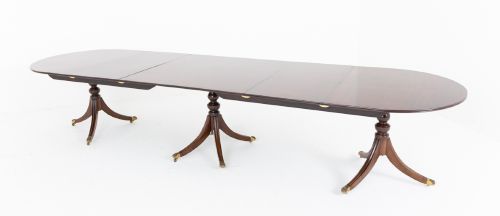
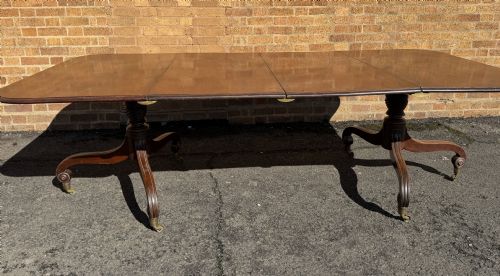
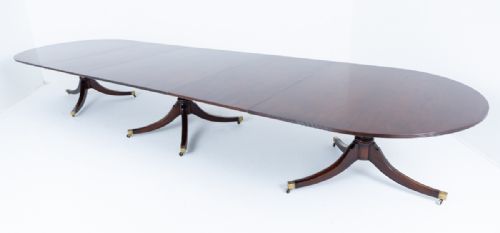
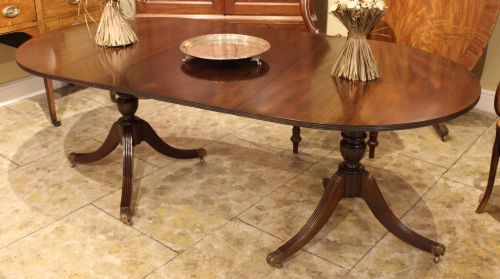
Makers integrated these rolling feet into console tables, work tables, and writing tables to allow effortless repositioning across rooms. The forms span simple occasional pieces to twin-pillar dining tables equipped with similar brass and wood mobility aids.
Materials and Construction
Brass formed the primary metal for wheel housings and sockets, paired with dense timbers such as mahogany, rosewood, and walnut for the furniture bodies. Cabinetmakers turned the wood of the table legs to receive metal stems and ceramic or brass roller assemblies.
Joinery techniques matched the period styles, utilising mahogany and satinwood veneers over sturdy carcases alongside drop leaves and drawer construction. Tables featuring castors required robust leg attachments to bear the weight during movement across floor surfaces.
Listings feature mahogany, rosewood, and walnut woods paired with brass fittings across Georgian, Regency, and Edwardian periods.
Assessing Quality and Execution
The distinction between standard utility items and superior examples rests in the crispness of the turning on the table legs and the weight of the brass fittings. Fine pieces display integrated brass sockets that fit flush into the timber without splitting the grain.
Proportion and timber selection dictate overall merit, with figured mahogany and rosewood surfaces showing greater depth than plain secondary woods. Original hardware retained through centuries elevates the integrity of the piece above replacements.
Mallett
The Antique End Table Castors Glossary
- Castor
- A small wheel fixed to the bottom of a piece of furniture to allow easy rolling. These fittings utilise brass, ceramic, or wood.
- Pembroke table
- A small rectangular table featuring two hinged drop leaves on opposing sides. Cabinetmakers frequently mounted these versatile surfaces on castor wheels for bedside or parlor use.
- Regency
- An English design style spanning the early nineteenth century defined by classical restraint. Pieces from this period often incorporate brass lion paw castors.
- Occasional table
- A small, movable table designed for specific, intermittent tasks such as reading or holding a lamp. They rely on castor mobility to shift positions within a room.
- Drop-flap
- A hinged table section that lowers to reduce the footprint of the furniture. This mechanism allows tables to sit compactly against walls.
Antique End Table Castors: Frequently Asked Questions
What tables use castors?
Small side tables, Pembroke tables, and larger dining tables utilise castors to ease movement across floors.
These fittings appear on pieces designed for frequent repositioning in nineteenth-century interiors.
Are castors original?
Original castors match the period of the table and fit securely into turned wooden feet.
Replacements often show mismatched brass patination or screw holes that differ from the surrounding timber age.
How do I date them?
Dating relies on timber choice, leg turning styles, and the manufacturing method of the brass wheels.
Georgian and Regency pieces display hand-turned elements whereas Edwardian examples exhibit later machine production.
How were they used?
Domestic staff rolled these tables across carpets to adjust room layouts for dining or reading.
Drop leaves and drawers added practical utility to the movable surfaces.