
Antique Enamelled Urns
Antique enamelled urns bring together fired glass pigments and cast metals to create striking vessels originating from diverse global traditions.
Antique Enamelled Urns
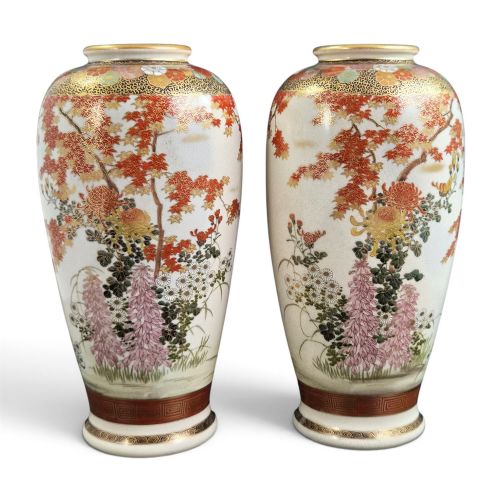
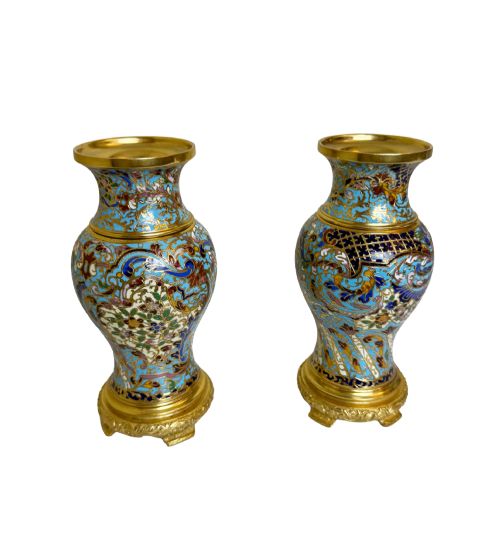
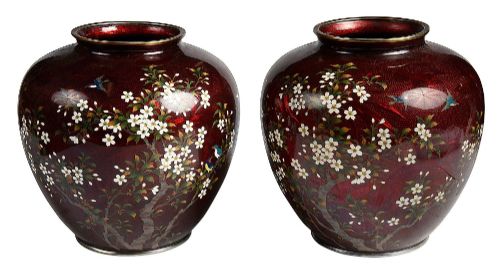
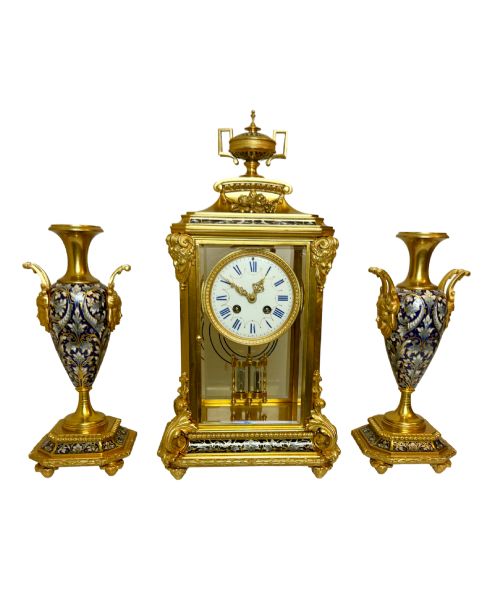
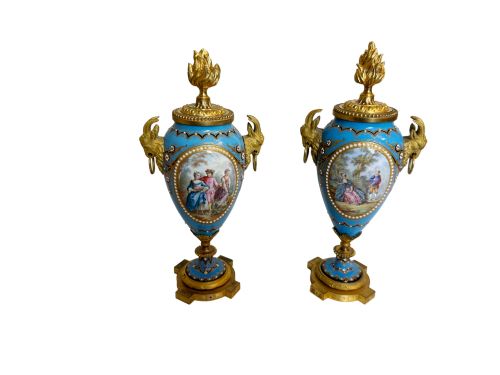
When seeking antique enamelled urns, you encounter a varied selection of vessels, cassolettes, and decorative vases spanning the eighteenth, nineteenth, and early twentieth centuries. These objects incorporate diverse manufacturing origins, ranging from French nineteenth-century gilt bronze and champlevé to Japanese Meiji period bronze and Satsuma wares.
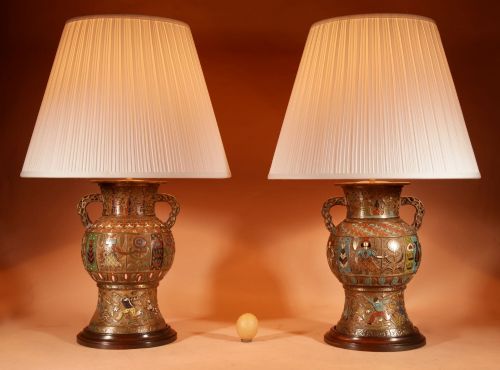
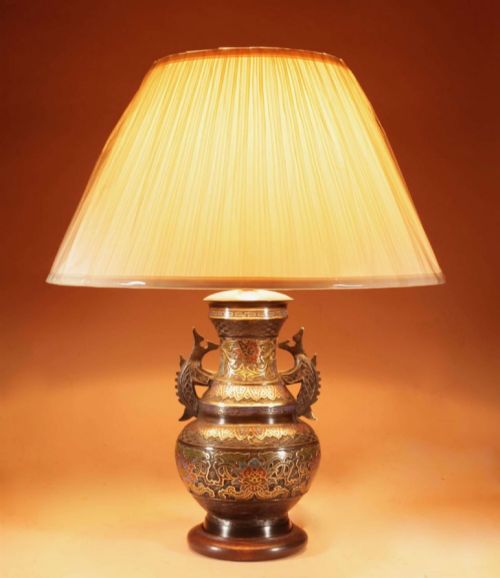
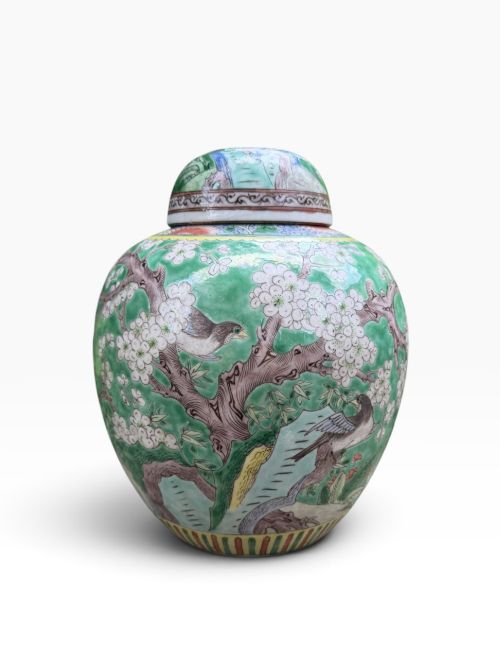
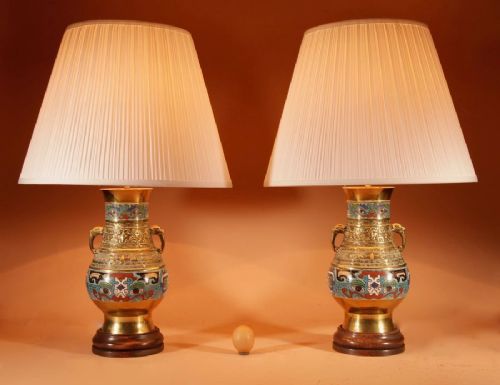
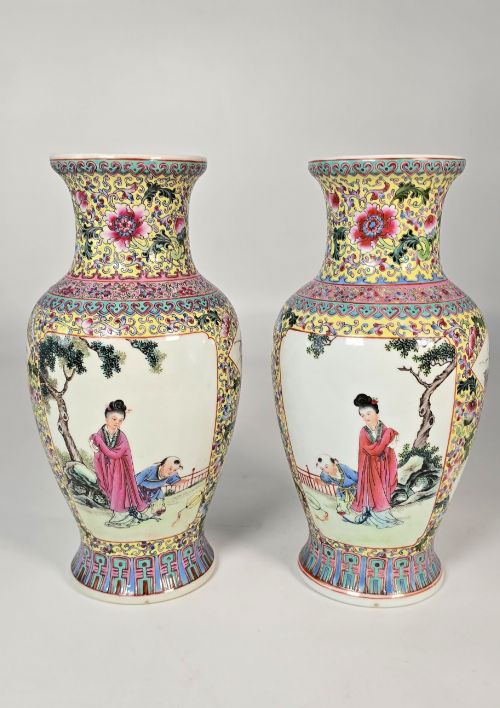
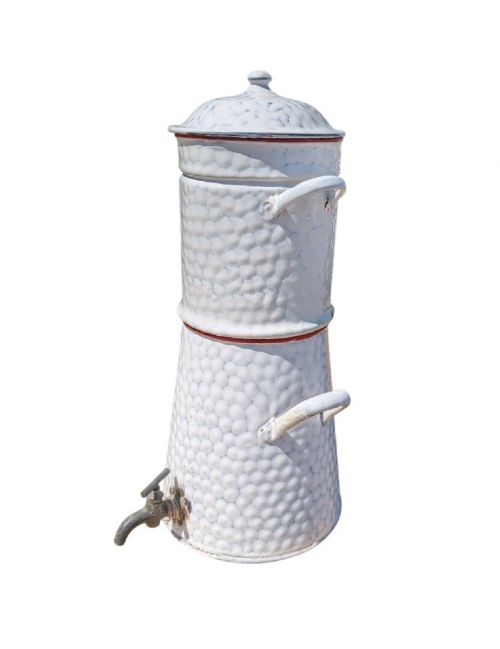
The term encompasses diverse forms, from monumental Cantonese floor vases and Chinese porcelain ginger jars to French clock garnitures and coffee urns. You will frequently find pairs of vases or table lamps converted from earlier vessels, reflecting how previous owners repurposed these decorative objects for domestic illumination.
The styles bridge several distinct traditions, including Chinese export and Qing dynasty pieces, French rococo revival, Art Nouveau, and Art Deco designs. This selection reflects global trade and artistic exchange, uniting European metalwork with Asian ceramic and cloisonné techniques.
Materials and technique
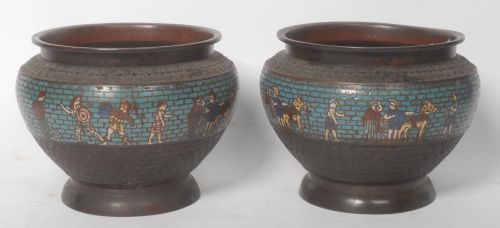
The construction of these pieces relies on metal foundations such as bronze, brass, and gilt bronze, combined with vitreous enamel applied through cloisonné or champlevé techniques. Artisans created raised metal cells or carved troughs into the metal surface, filling the resulting compartments with coloured glass paste before firing and polishing the finish.
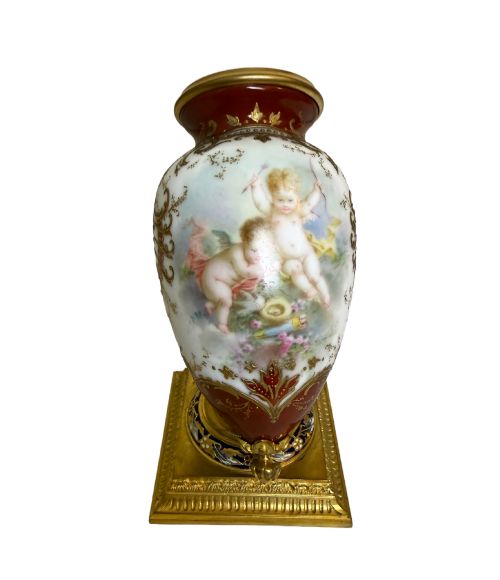
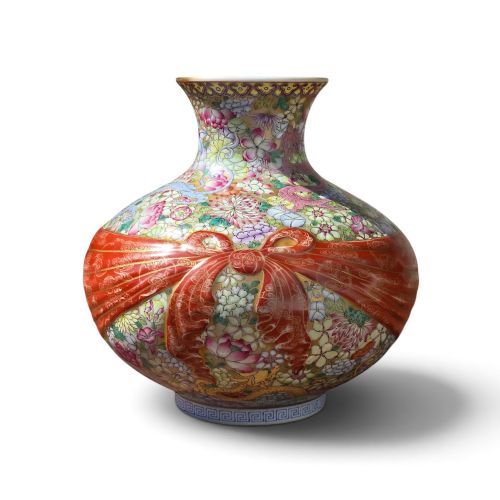
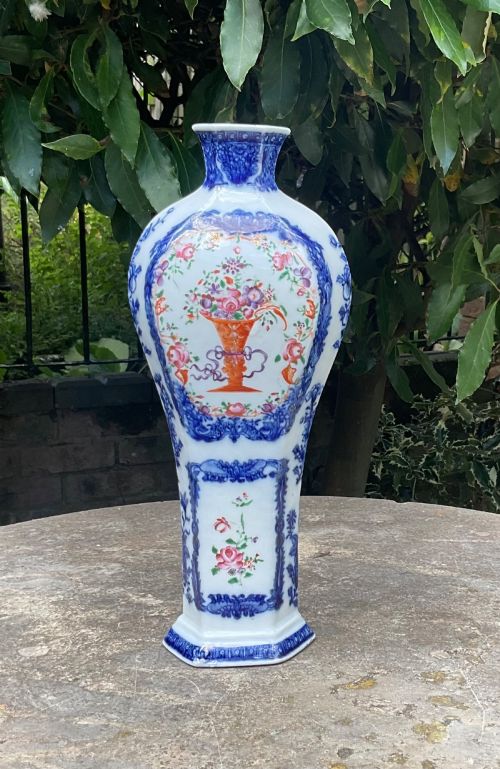
Ceramic and glass variations utilise earthenware, stoneware, and porcelain bodies decorated with hand-painted enamels, gold leaf, and lustre glazes. Potters fired these vessels at high temperatures before applying detailed surface enamel work, sometimes incorporating overlaid portraits or delicate metallic gilding.
Listings include items spanning the eighteenth to the twentieth centuries, featuring materials from raw earthenware to gilt bronze and glass.
The spectrum of quality
Quality in these objects is determined by the precision of the metalwork and the complexity of the enamel detailing. Finer examples display crisper chasing on bronze mounts, perfectly flush enamel fills within the cells, and sophisticated hand-painted polychrome scenes rather than mass-produced transfer prints.
The reputation of the workshop and the harmony of the overall design distinguish standard production items from exceptional pieces. Superior items exhibit balanced proportions, integrated garniture components, and well-preserved gilding that retains its original burnished lustre.
Maruni Kobe·Kralik Glass·Manpei·Kinkōzan Workshop·Kinzan·Minton·Makuzu Kozan II·Sacre
The Antique Enamelled Urns Glossary
- Champlevé
- A technique where troughs or cells are hollowed out of a metal surface and filled with enamel powder before firing. This method allows for bold outlines and rich colour integration across bronze and brass bodies.
- Cloisonné
- An enamelling process using thin metal wires soldered to a metal base to form compartments for coloured glass pastes. The piece is then fired and polished to create a smooth, patterned surface.
- Cassolette
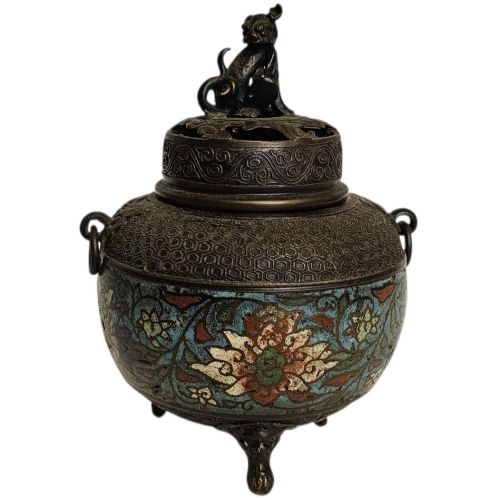
- A decorative vessel shaped like a vase or urn, designed with a reversible lid that functions either as a container or as a candle holder. These pieces often feature gilt bronze mounts and detailed enamel panels.
- Garniture
- A set of three or more matching decorative objects, typically comprising vases or urns designed to sit upon a mantelpiece or sideboard. These sets frequently combine porcelain or glass with metal bases.
- Satsuma
- A type of Japanese earthenware featuring a pale, ivory-coloured cracked glaze decorated with intricate polychrome enamels and raised gold leaf. Production flourished during the late nineteenth and early twentieth centuries.
Antique Enamelled Urns: Frequently Asked Questions
What is the difference between cloisonné and champlevé?
Cloisonné involves soldering thin metal wires onto a metal foundation to create individual cells for enamel paste. Champlevé instead carves or casts troughs directly into the thick metal body to hold the coloured glass.
Both techniques produce durable enamelled surfaces, but champlevé typically offers heavier metal framing around the vitreous decoration. Artisans utilised both methods extensively across Asian and European decorative metalwork.
How were cassolettes used in period interiors?
Cassolettes functioned as versatile ornamental vessels that could alter their appearance and purpose within a room. By reversing the lid, the owner could switch between a closed decorative urn and a small incense burner or candle holder.
These pieces frequently stood at the centre of mantelpiece garnitures alongside matching vases and clocks. Their dual functionality made them popular additions to formal nineteenth-century drawing rooms.
How can I identify Meiji period Japanese pieces?
Meiji period items generally date between eighteen sixty-eight and nineteen twelve, a time of significant artistic export to Western markets. Look for detailed Satsuma earthenware with dense gold and enamel work, or precise bronze cloisonné vessels bearing workshop signatures.
Many of these objects combine traditional Japanese iconography, such as flora and fauna, with forms adapted for European homes. Maker marks stamped or painted on the base often help pinpoint specific workshops.
Where should I display a heavy bronze and enamel urn?
These substantial vessels require sturdy furniture such as sideboards, console tables, or dedicated mantelpieces capable of supporting mixed metal and stone weights. Positioning them away from direct sunlight protects vulnerable glass enamels and fragile gilding from fading over time.
Pairing individual urns with matching side vases creates a balanced display characteristic of historic interior arrangements. Ensure the placement avoids high-traffic areas where accidental knocks might destabilise heavier pieces.