





Antique Enamel Sign
An antique enamel sign brings enduring industrial colour to a wall, offering genuine commercial history through fired glass and iron.
Identifying the antique enamel sign
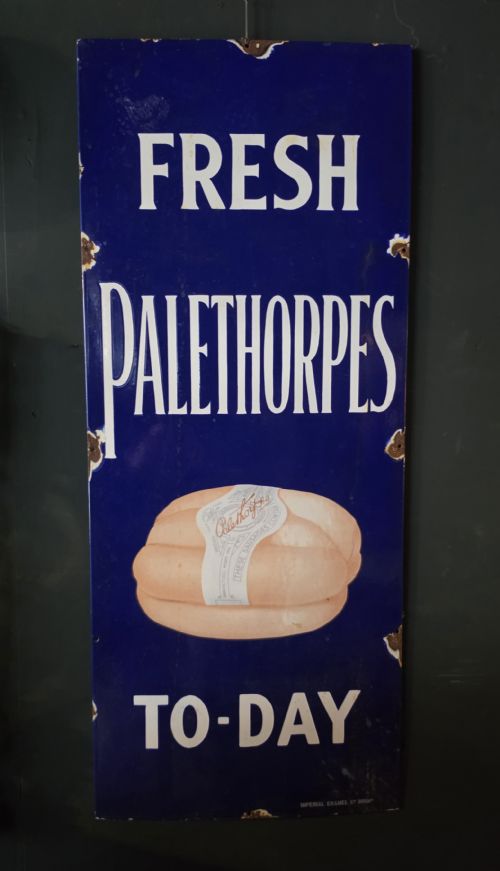
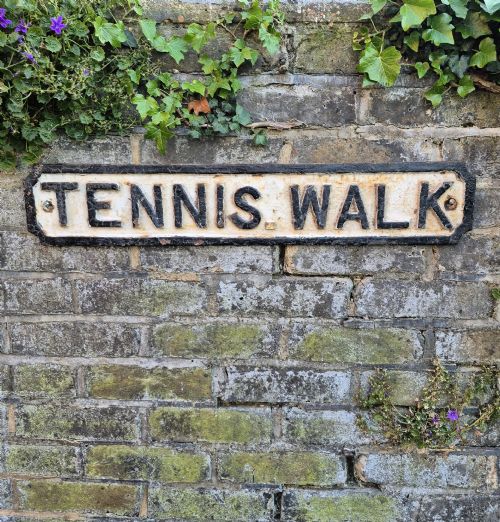
When searching for an antique enamel sign, buyers encounter robust wall signs and signage spanning the Victorian era, nineteen-ten, and nineteen-thirty. These pieces record commercial advertising, railways, street names, and wartime recruiting through direct lettering and imagery.
The material record shows iron, metal, glass, vitriolite, and vitreous enamel used across vintage commercial, Victorian, Edwardian, and early twentieth-century styles. Surviving examples range from framed advertising to railway station markers and street signage.
Most pieces on this page reflect functional public and commercial life, carrying the names of tea, starch, cigarettes, and transport networks. Buyers find both bold advertising boards and architectural glass street signs.
Materials and construction
Makers fused powdered glass onto iron or metal bases at high temperatures to create a hard, glossy vitreous enamel surface. This technique produced robust outdoor signage capable of withstanding weather while retaining sharp lettering and colour.
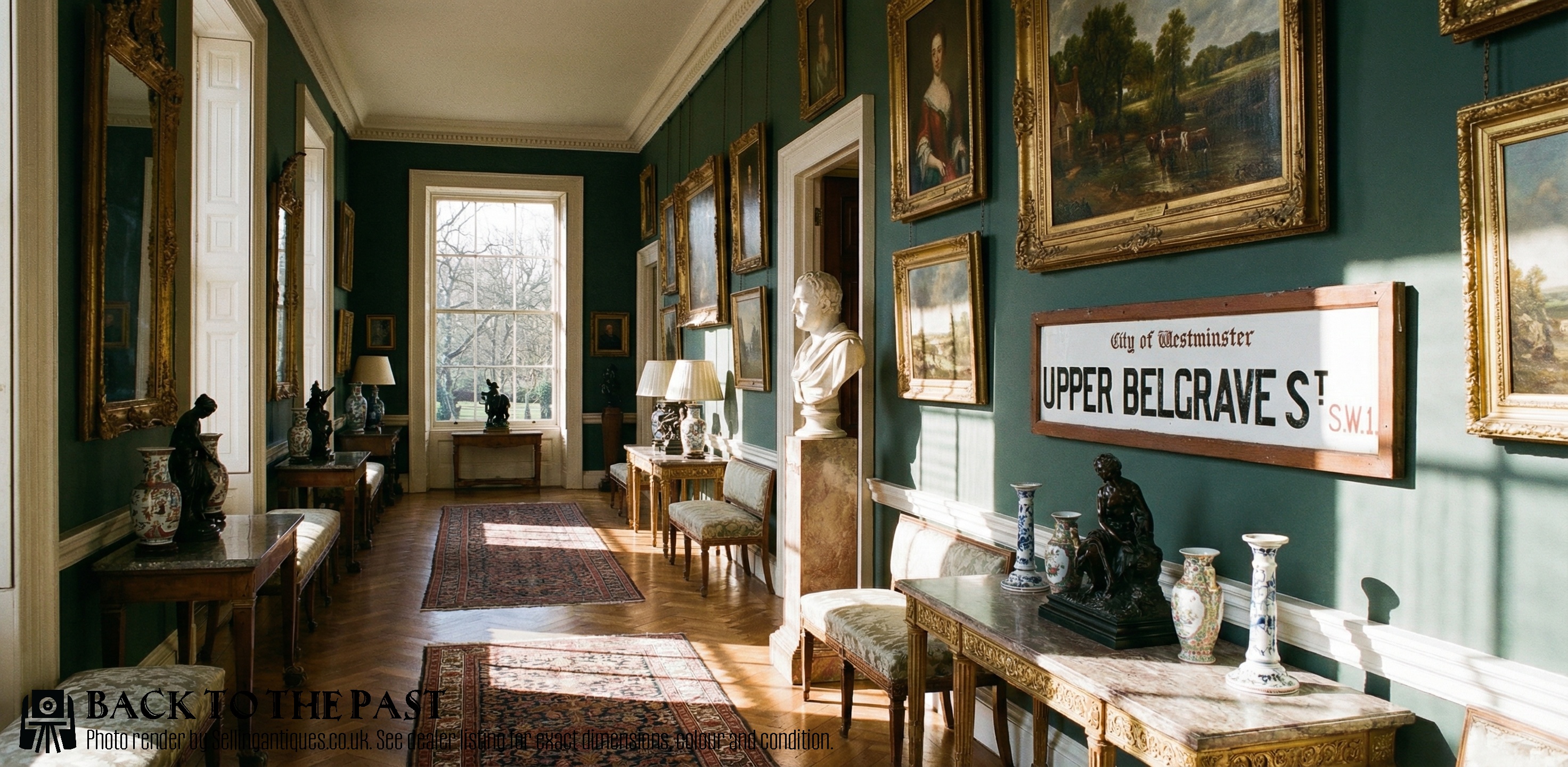
Alternative forms utilised vitriolite glass, a pigmented structural material suited to architectural street signage like the Upper Belgrave Street piece. Metal frames and backing boards frequently supported these heavy panels for wall display.
Retail Price Guide 2026
Typical UK retail prices for enamel sign, calculated from the Sellingantiques database of over a million retail prices indexed since 2003. This retail price guide relies exclusively on Sellingantiques data; no external sources or auction records are used, so the figures do not describe the wider market.
Listings feature iron, vitreous enamel, and vitriolite glass across Victorian, Edwardian, nineteen-ten, and nineteen-thirty periods.
Judging quality in enamel signage
Quality rests in the crispness of the fired lettering, the depth of the vitreous enamel, and the complexity of the multi-coloured lithographic or stencilled layers. Signs with intact margins and minimal loss to the iron substrate command greater visual clarity.
The prestige of the advertised product or the specific historical context, such as railway and wartime recruiting boards, influences the desirability of the piece. Architectural vitriolite glass items demonstrate a distinct standard of polished urban permanence.
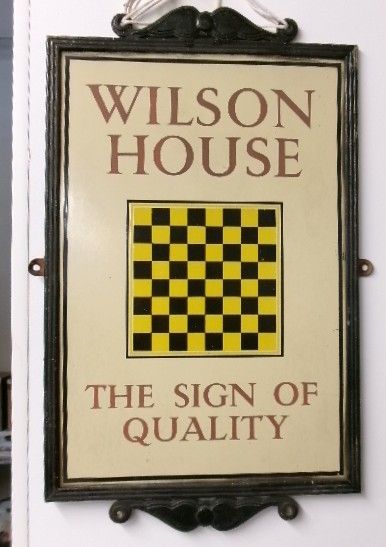
Wilson House·Colman Starch·Players Cigarette·Brooke Bond Tea
The Antique Enamel Sign Glossary
- Vitreous enamel
- A material made by fusing powdered glass to a metallic substrate at high heat. This creates a smooth, glass-like coating impervious to weather and fading.
- Vitriolite
- An opaque, pigmented structural glass used extensively for architectural signage and street nameplates during the early twentieth century.
- Iron
- The primary heavy metallic base material used for durability in outdoor commercial wall signs.
- Vintage commercial
- A stylistic category encompassing advertising and trade displays from the late nineteenth and early twentieth centuries.
Frequently Asked Questions
How do I hang a heavy enamel sign?
These pieces require secure fixings into solid walls because iron and vitreous enamel add substantial weight to the panel.
Many signs retain original mounting holes or rely on custom metal frames to distribute the weight safely across the wall surface.
Were these signs meant for outdoor use?
Manufacturers designed vitreous enamel on iron specifically to endure harsh outdoor weather without fading the commercial graphics.
Railways, street corners, and shop facades served as the primary locations for these robust panels.
How do I date an enamel sign?
Stylistic lettering, corporate branding histories, and specific period materials such as vitriolite glass or iron provide the main clues for dating.
Victorian pieces often feature simpler serif lettering, while nineteen-thirty examples introduce bolder commercial graphics and wooden frames.
What is vitriolite glass?
Vitriolite is an opaque, heavy structural glass developed for clean, modern architectural applications like street nameplates.
Unlike iron enamel signs, these glass panels offer a polished, reflective surface characteristic of nineteen-ten urban signage.