

Antique Enamel Jewelry
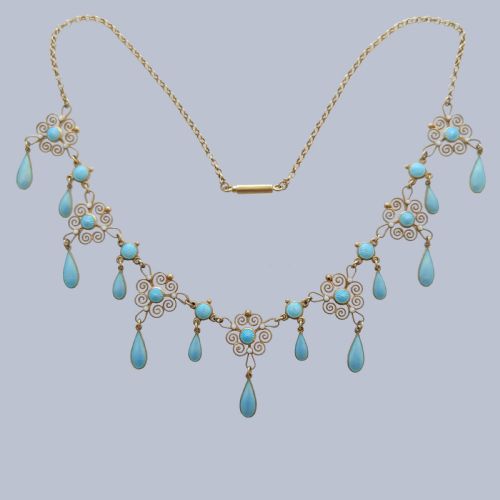
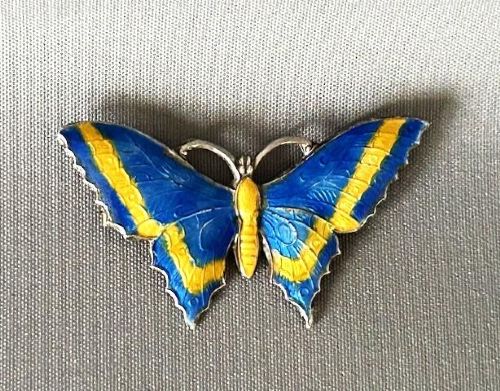
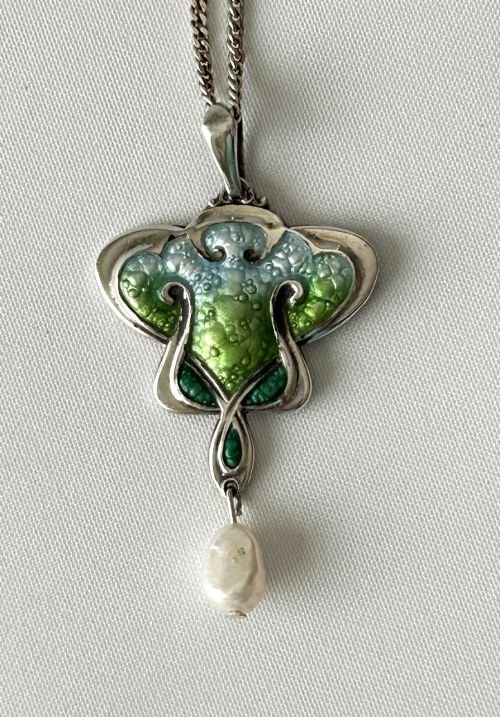
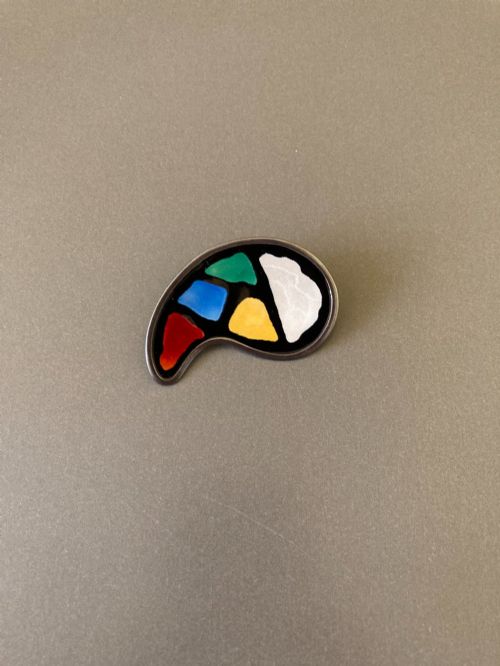
Antique enamel jewellery comprises intricate pieces of wearable art from the Victorian, Edwardian, Art Nouveau, and Art Deco periods that showcase vitreous glass fused to precious metals.
Antique Enamel Jewelry
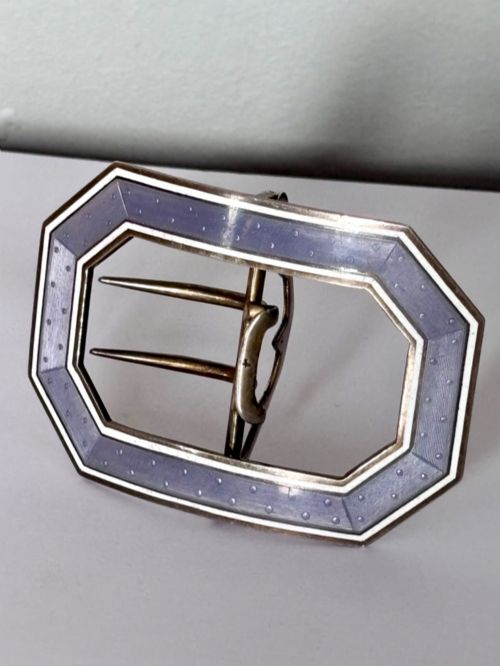
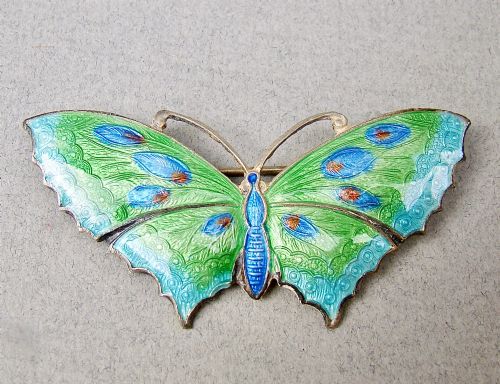
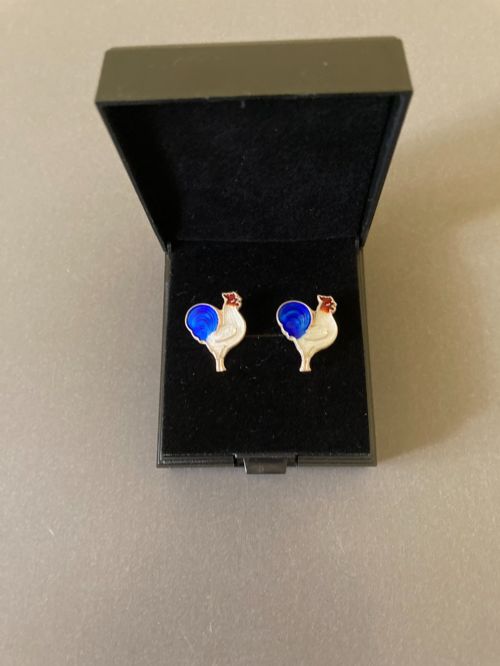
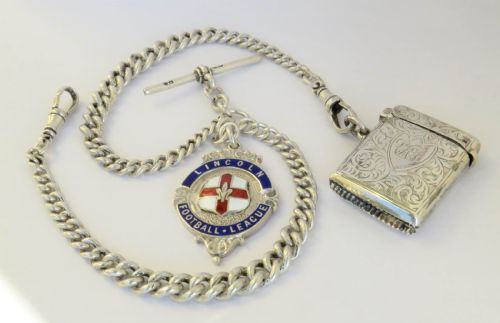
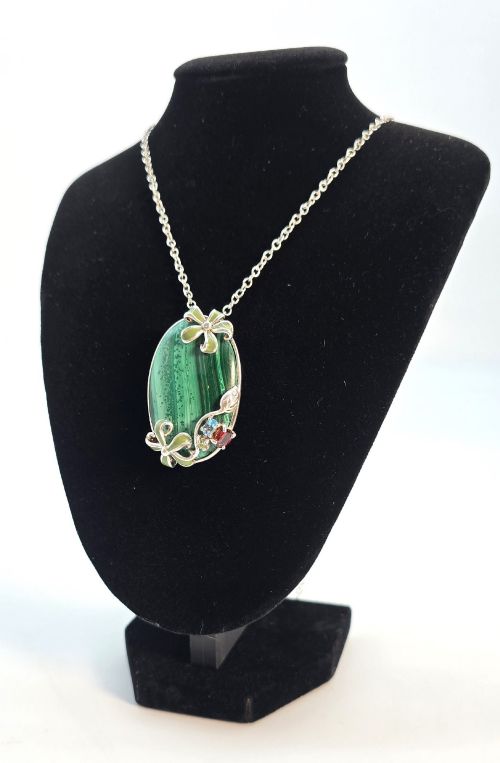
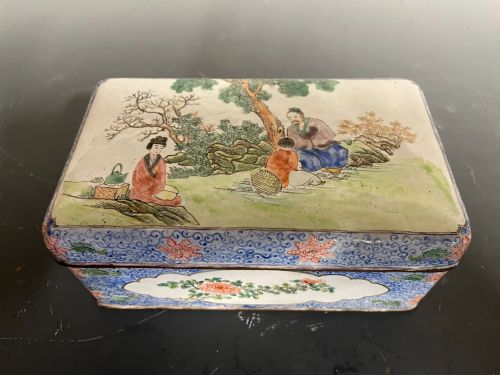
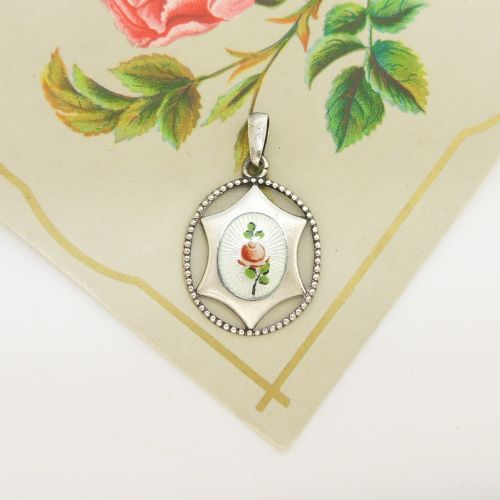
Antique enamel jewellery covers a rich assortment of decorative items designed to be worn or carried, spanning brooches, pendants, bracelets, lockets, trinket boxes, and buttons.
The pieces encountered most frequently on this page originate from distinct stylistic eras including Victorian, Edwardian, Art Nouveau, and Art Deco, alongside the Arts and Crafts movement.
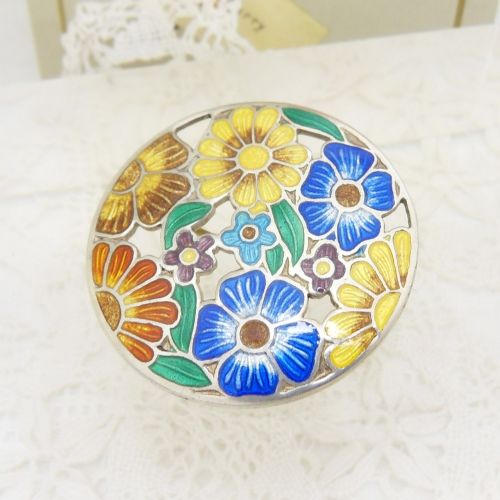
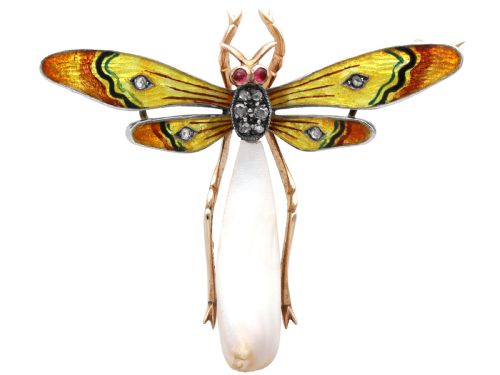
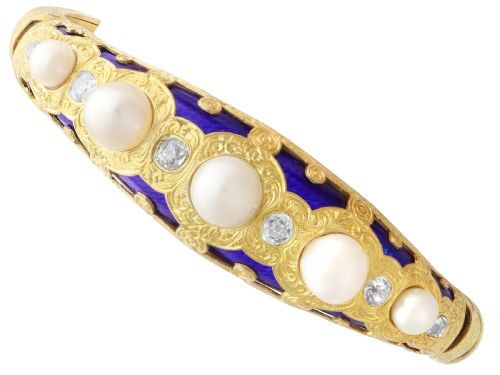
Makers from various regions utilise enamel alongside silver, gold, platinum, diamonds, pearls, and other gemstones to create ornamental items that range from floral motifs to geometric designs.
Materials and construction methods
Craftsmen applied vitreous enamel, a powdered glass fused under high heat to metal bases such as silver, sterling silver, silver gilt, gold in various purities including 9ct, 12ct, 15ct, 18ct, and 20ct, as well as platinum and copper.
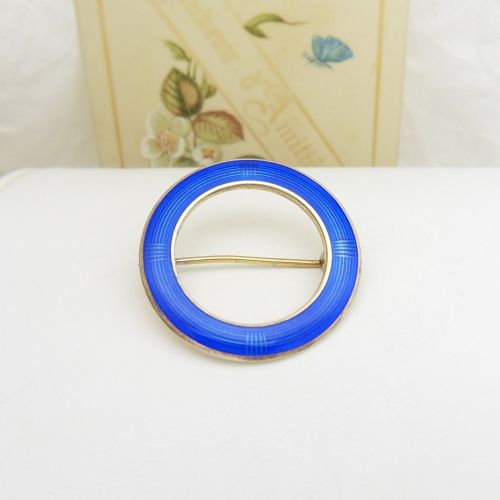
Techniques such as guilloche engraving beneath translucent enamel and plique-a-jour, which resembles miniature stained glass without a backing, appear prominently across the pieces.
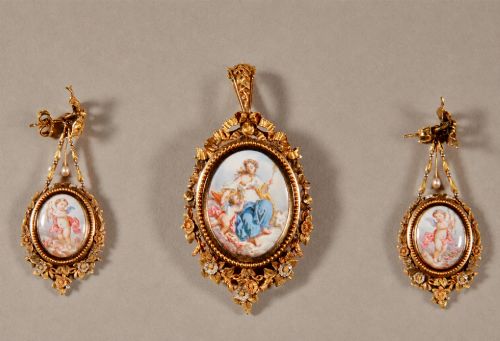
Makers often integrated diamonds, pearls, turquoise, garnets, rubies, agate, and mother of pearl into the enamelled metalwork of brooches, pendants, and lockets.
Antique Enamel Jewelry Retail Price Guide 2026
Typical asking prices for enamel jewelry among the pieces listed under this phrase on Sellingantiques today, from the lower quarter to the upper quarter. They describe what is for sale here now, not the wider market.
Listings feature periods spanning from the Georgian era through Victorian, Edwardian, Art Nouveau, Art Arts and Crafts, and Art Deco up to the mid twentieth century.
Distinctions in craftsmanship and design
Quality in these items rests on the precision of the metalwork and the clarity, depth, and application of the enamel surface.
Pieces bearing attribution to renowned designers or specific workshops display superior artistry in their fine details and material combinations.
Charles Horner·Archibald Knox·Liberty and Co·Murrle Bennett·David Andersen·Marius Hammer·A H Darby and Son·James Fenton·Solomon Blanckensee Son·Garrard and Co
The Antique Enamel Jewelry Glossary
- Guilloche
- A decorative technique where a precise pattern or design is機械ally engraved into a metal surface beneath translucent enamel.
- Plique-a-jour
- An enamelling technique where the enamel is applied within a network of metal cells without a backing, allowing light to shine through.
- Vitreous enamel
- A material made by fusing powdered glass to a substrate by firing, usually between 750 and 850 degrees Celsius.
- Silver gilt
- Silver that has been coated with a thin layer of gold on its exterior surface.
- Cabochon
- A gemstone which has been shaped and polished as opposed to faceted.
Antique Enamel Jewelry: Frequently Asked Questions
What is antique enamel jewelry?
Antique enamel jewellery encompasses wearable decorative items made by fusing powdered glass to precious metals like gold, silver, and platinum during periods such as the Victorian, Edwardian, and Art Deco eras.
These items range from brooches and pendants to lockets and rings, often incorporating gemstones like diamonds and pearls alongside coloured vitreous glass.
How do I care for antique enamel pieces?
Care requires treating these items with gentleness, avoiding harsh chemicals, ultrasonic cleaners, and prolonged exposure to water or direct sunlight.
Store them individually in soft pouches to prevent scratching the glass enamel and delicate metal settings.
How can I tell the period of an item?
Dating relies on examining the stylistic characteristics, such as the flowing organic lines typical of Art Nouveau or the symmetrical geometric shapes of Art Deco.
Hallmarks, maker marks, and the choice of mounting materials also provide reliable indicators of age.
Were these items used daily?
Many pieces served as daily accessories, from decorative dress buttons and belt buckles to lockets and mourning jewellery worn close to the skin.
Others, such as trinket boxes and chatelaines, functioned as personal accessories for holding small items.