




Antique Empire Mirror
An antique empire mirror brings classical grandeur and reflective depth to a room through bold mahogany, giltwood, and gleaming ormolu mounts.
Antique Empire Mirror
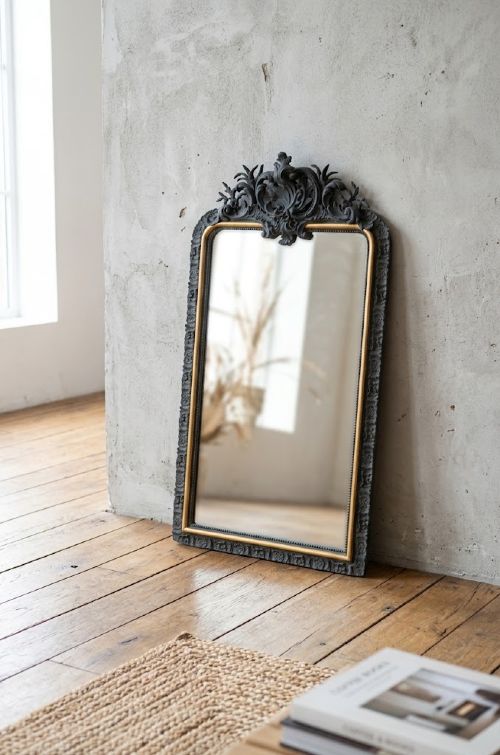
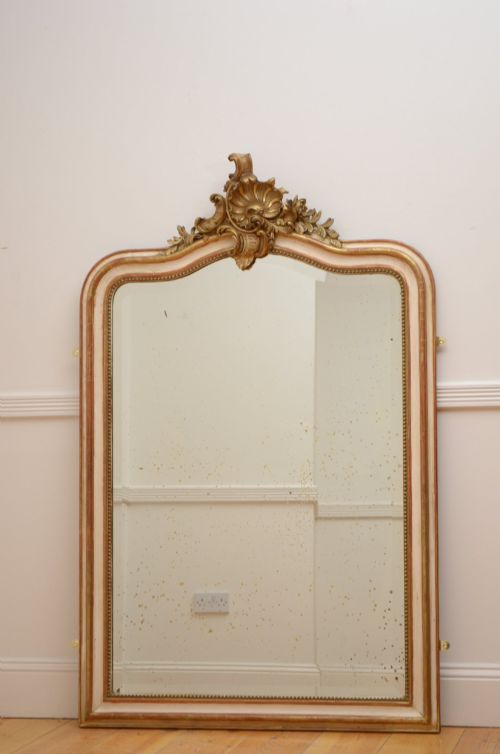
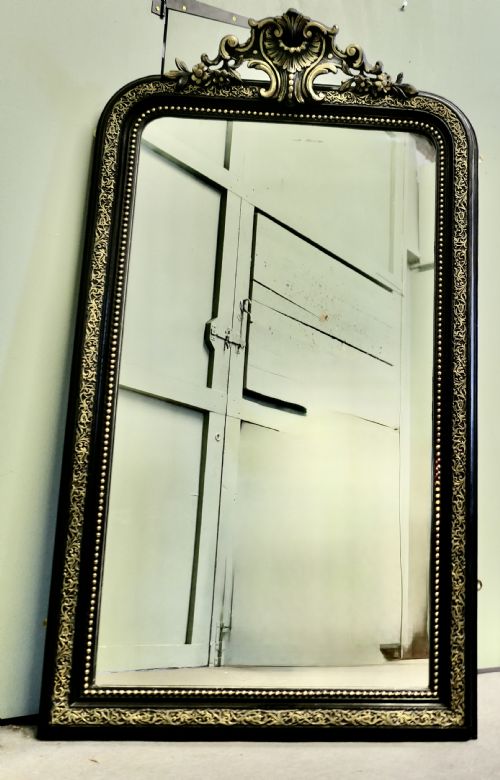
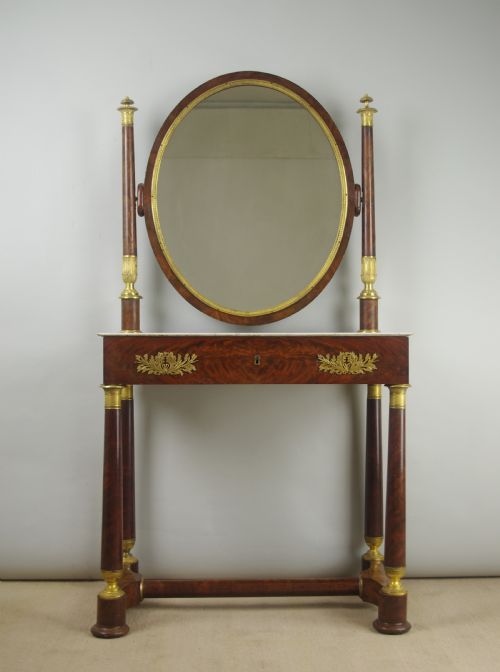
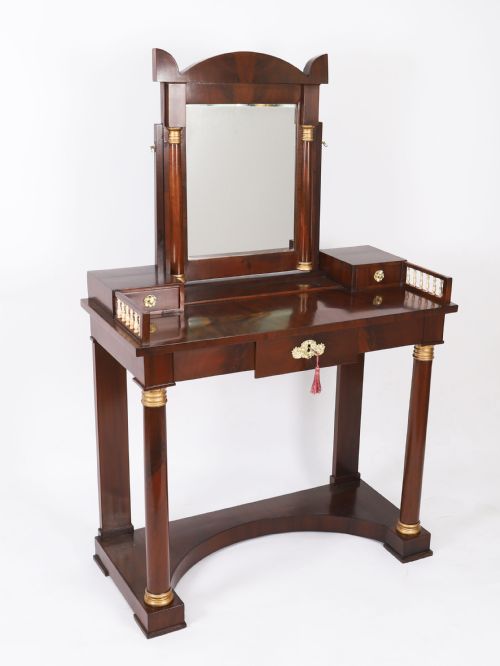
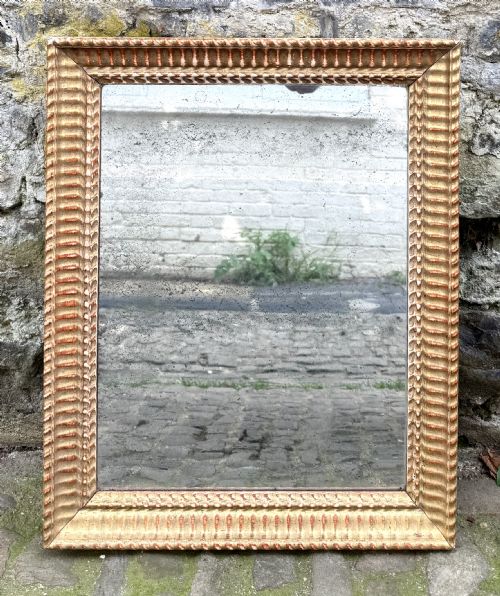
An antique empire mirror encompasses substantial wall mirrors, tall pier glasses, dressing table mirrors, and freestanding cheval glasses originating predominantly from the nineteenth century. These forms reflect the architectural weight and neoclassical taste of the period, often pairing deep mahogany timbers with polished giltwood frames.
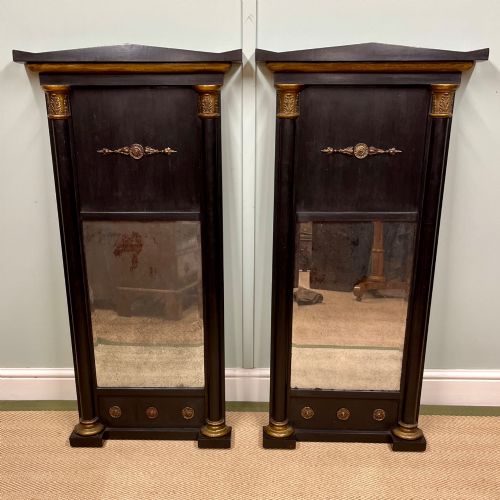
Buyers frequently encounter French empire designs alongside later nineteenth-century revivals and Regency interpretations. Tall pier mirrors designed to stand between windows appear alongside overmantel mirrors intended for mantelpieces, each anchored by distinct classical proportions and dark wood or gilded surfaces.
Materials and construction
Makers built structural frames using dense timbers such as flame mahogany and walnut, frequently applying rich gilding, gesso, and black lacquering over the base wood. Ormolu and cast brass mounts provide distinct metallic highlights to the architectural framing.
Surfaces often incorporate mercury glass plates held within sturdy timber rabbets, while larger pier and wall mirrors utilise carved wooden columns, pilasters, and decorative pediments to establish their monumental presence.
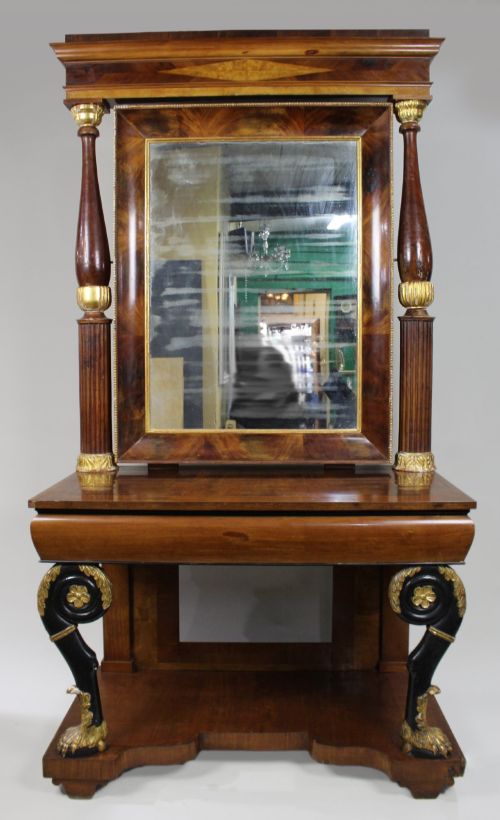
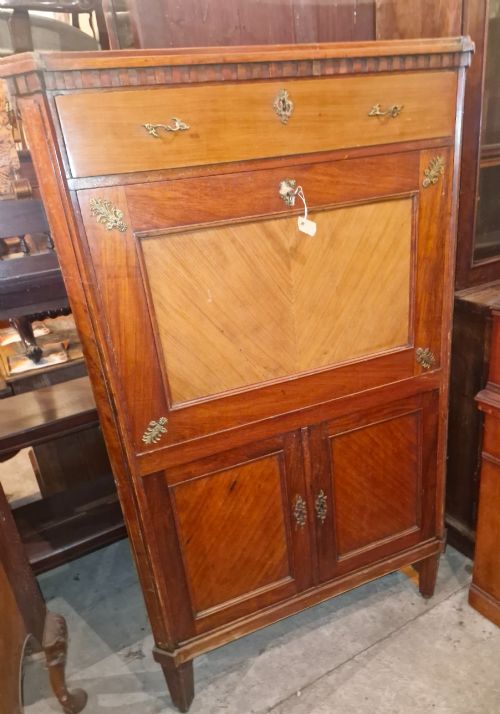
Listings feature wall mirrors, console tables, and dressing furniture executed in mahogany, giltwood, ormolu, and ebonised wood across nineteenth-century styles.
Distinctions in craftsmanship
The sophistication of the carved wooden details and the crispness of the applied ormolu mounts set finer examples apart from simpler production pieces. Deep, hand-carved gesso work and well-figured flame mahogany veneers indicate superior workshop origins.
The clarity and original integrity of the mirror glass plate influence overall quality, with untouched mercury glass and robust structural joinery marking the distinction between standard room furnishings and exceptional decorative objects.
The Antique Empire Mirror Glossary
- Pier mirror
- A tall mirror specifically proportioned to hang on the wall space between two windows. These pieces often coordinate with matching console tables positioned directly beneath them.
- Ormolu
- Gilded bronze ornamentation applied to furniture and mirror frames. This decorative technique creates rich metallic highlights against dark mahogany timbers.
- Gesso
- A plaster-based mixture applied to wooden frames as a smooth base for subsequent gilding. Skilled artisans carve intricate neoclassical motifs directly into this dried layer.
- Cheval glass
- A large freestanding mirror suspended in a movable frame on vertical floor pivots. This design allows the full frame to tilt for adjustable viewing.
- Trumeau
- A decorative wall mirror featuring an upper painted panel or inserted artwork. These pieces frequently incorporate classical scenes or floral motifs above the reflective glass.
Antique Empire Mirror: Frequently Asked Questions
Where should an antique empire mirror be hung?
These large mirrors command attention when positioned above a drawing room mantelpiece or mounted on a prominent wall above a console table. Their reflective surfaces naturally amplify available light within a principal room.
Because many examples possess considerable weight due to dense mahogany and gesso frames, secure wall anchoring into structural studs is essential for safe placement.
How do I care for mercury glass?
Original mercury glass requires gentle cleaning with a soft, dry cloth to prevent moisture from seeping behind the silvering layer. Avoid chemical glass cleaners that can damage the delicate backing.
Allowing the silvered surface to retain its natural age spots preserves the historic character and authenticity of the piece.
What distinguishes an empire mirror from a regency mirror?
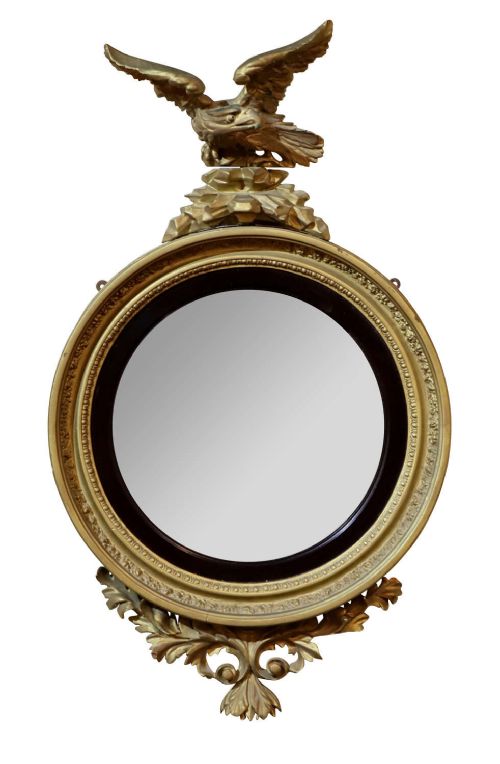
Empire mirrors draw heavily on French neoclassical and Napoleonic military motifs, featuring bold mahogany expanses, architectural columns, and heavy ormolu mounts. Regency mirrors often lean toward British interpretations with lighter giltwood frames, convex optics, and prominent eagle or ball-and-acorn surmounts.
Both styles share classical roots, but empire pieces typically display a heavier, more monumental silhouette.
Can I use a dressing mirror in a hallway?
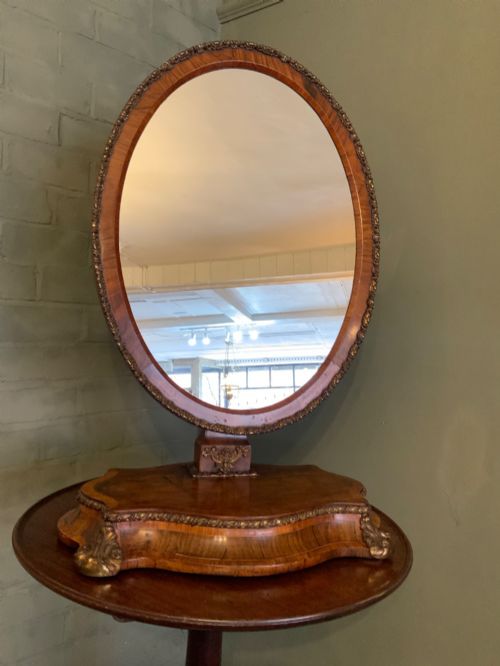
Table mirrors and adjustable pedestal glasses add functional elegance when placed upon hallway chests, sideboards, or console tables. Their compact footprints provide a practical reflective surface without crowding narrow spaces.
Pairing a small dressing mirror with a marble-top console creates a balanced neoclassical focal point near an entryway.