



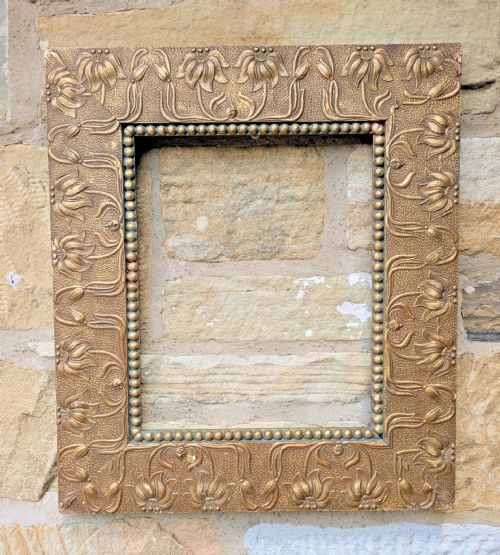
Antique Embossed Wall Mirror
An antique embossed wall mirror brings warmth and texture to a room, using metalwork and carved detail to catch the light.
Antique Embossed Wall Mirror
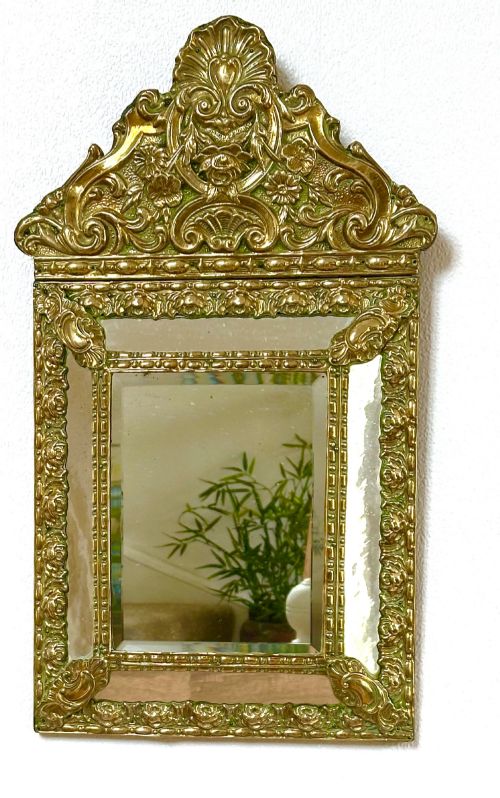
An antique embossed wall mirror uses raised surface decoration in metal or gesso to create depth and visual interest around the glass. These pieces span several decades from the nineteenth century into the twentieth century, reflecting shifting tastes in domestic decoration.
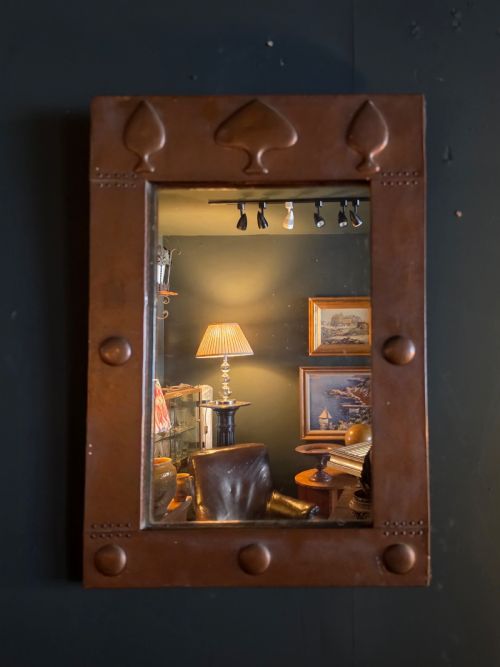
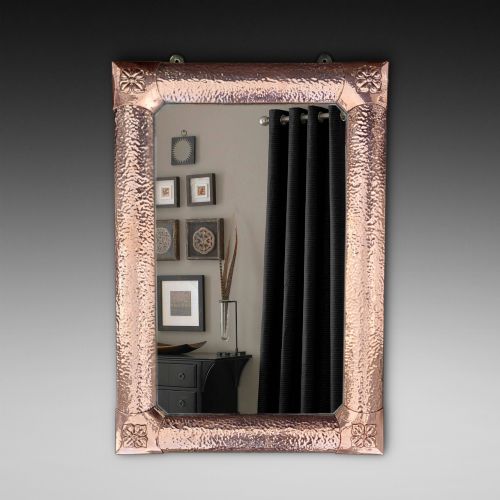
The selection on this page relies heavily on Arts and Crafts designs alongside Victorian and Edwardian examples. Copper and brass frames dominate the selection, often featuring beaten or repousse metalwork created during the height of the movement.
Buyers will encounter various formats including rectangular wall mirrors, oval shapes, and cushion frames. Smaller items sit alongside larger overmantel pieces, offering options for different wall spaces throughout the home.
Materials and construction methods
Makers utilised sheet metals such as brass and copper, shaping them by hand using hammers and punches to achieve raised repousse and embossed patterns. Wooden carcases or frames support these metal mounts, providing structural rigidity to the hanging pieces.
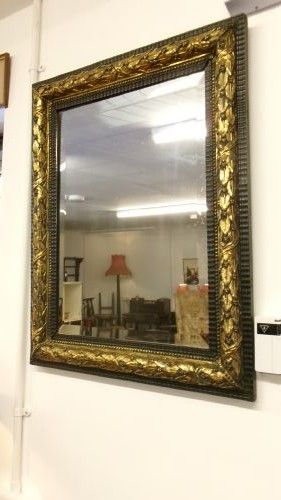
Gilded gesso surfaces appear on select frames, applying plaster layers over wood before adding metallic leaf or pigment. Mirror glass is set within these frames, sometimes featuring bevelled edges to refract light.
Materials recorded across the selection include pressed brass, beaten copper, ebonised wood, and gilded gesso.
Assessing quality in embossed mirrors
The definition and crispness of the embossed metalwork separate standard production from finer workshop pieces. Skilled hand-beating yields intricate motifs like stylised trees or animal figures with clear relief, whereas simpler pieces show shallower stamping.
The integrity of the original backing wood, the quality of the mirror plate, and the retention of original patination dictate the desirability of an antique mirror. Frames that retain their intended finish without excessive modern interference command greater appreciation.
Liberty and Company
The Antique Embossed Wall Mirror Glossary
- Repousse
- A metalworking technique where the artisan hammers the design from the reverse side to create a raised pattern on the front. This method gives antique brass and copper frames their distinct three-dimensional surface.
- Cushion frame
- A frame profile that curves outward from the wall towards the mirror glass, resembling a soft pillow. These styles often appear on nineteenth-century Dutch and French brass mirrors.
- Gesso
- A mixture of binder and chalk or plaster applied to wood frames to create a smooth surface for gilding. It allows for crisp moulded details and floral decorations.
- Arts and Crafts
- A design movement valuing handcraftsmanship and natural motifs over mass production. Pieces from this era frequently feature beaten copper and stylized plant designs.
- Overmantel mirror
- A large wall mirror traditionally hung above a fireplace mantelpiece. These pieces often feature extended proportions and detailed floral framing.
Antique Embossed Wall Mirror: Frequently Asked Questions
How do I hang a heavy brass mirror safely?
Check the weight distribution of the wooden backing and use heavy-duty fixings suited to your wall type. Secure the mirror directly into wall studs or use appropriate cavity anchors.
Ensure the hanging wire or integrated brackets are structurally sound before mounting the piece at eye level.
How do I clean an antique copper frame?
Dust the embossed surface gently with a soft, dry cloth to remove surface particles. Avoid chemical polishes that strip away the aged patina built up over decades.
Preserving the natural oxidation ensures the metal retains its historical character and depth of colour.
Are these mirrors suitable for bathrooms?
High humidity and moisture in bathrooms can damage antique wooden frames and cause corrosion on historic mirror plates. Excessive dampness may also affect the metal backing and gesso layers.
Placement in hallways, living rooms, or bedrooms offers a stable environment that protects the materials.
How do I date a brass cushion mirror?
Examine the construction of the wooden carcass behind the metal, along with the fixings and the clarity of the glass. Nineteenth-century examples often feature hand-beaten brass mounts and older mirror plates with slight foxing.
Stylistic cues such as Dutch Baroque revival influences also help narrow down the manufacturing decade.