


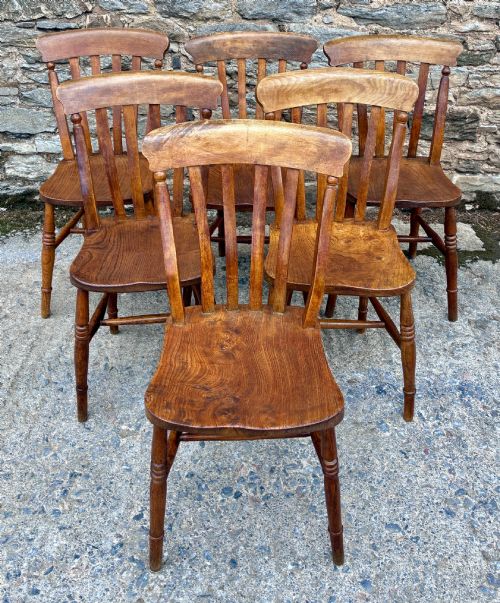
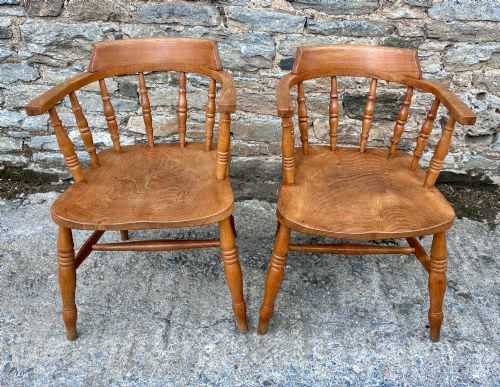
Antique Elm Chairs
These antique elm chairs are solid country seating built for everyday use, combining timber character with honest regional craftsmanship.
What antique elm chairs are
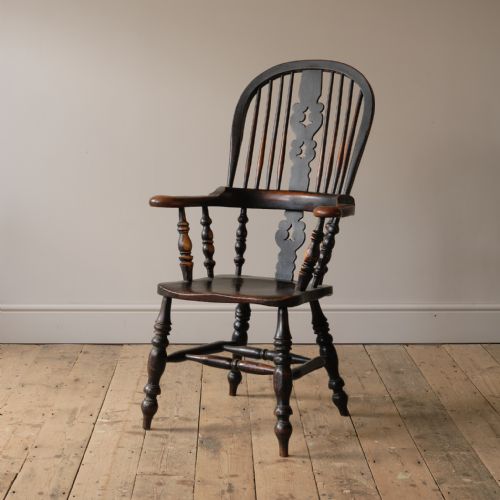
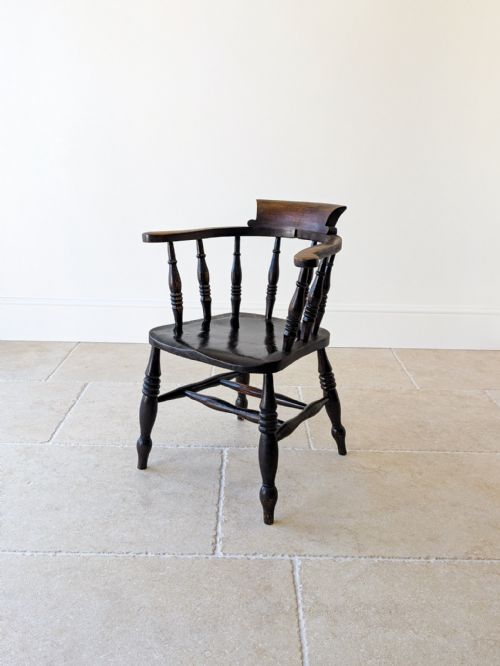
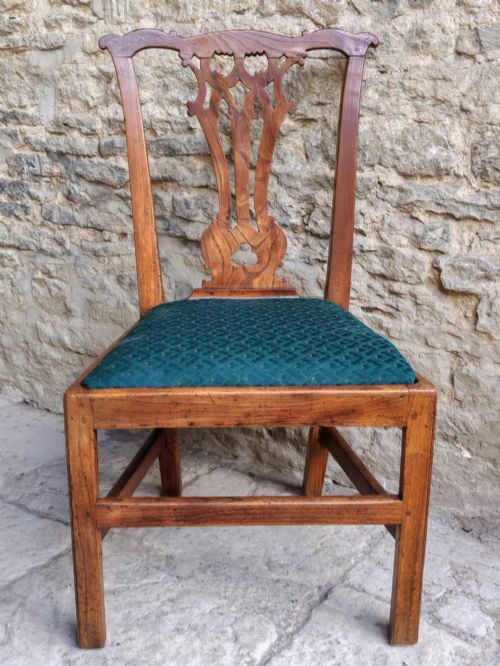
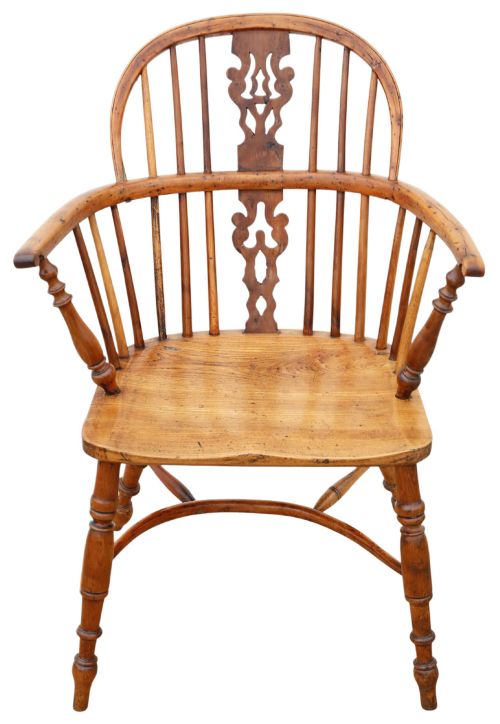
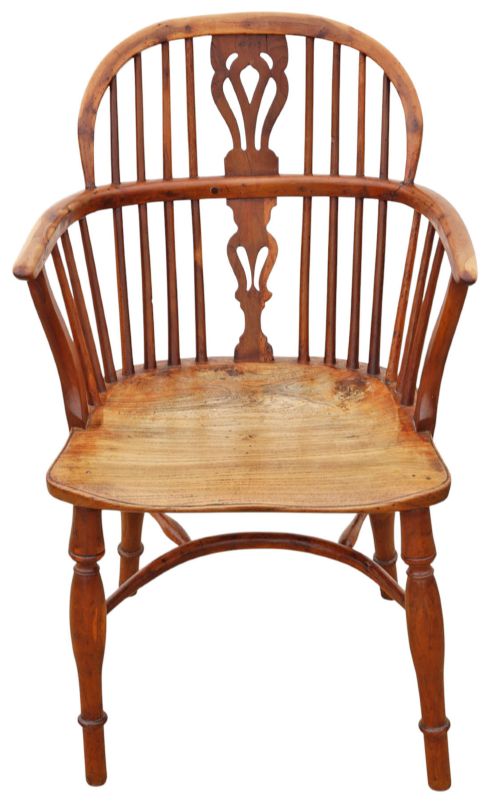
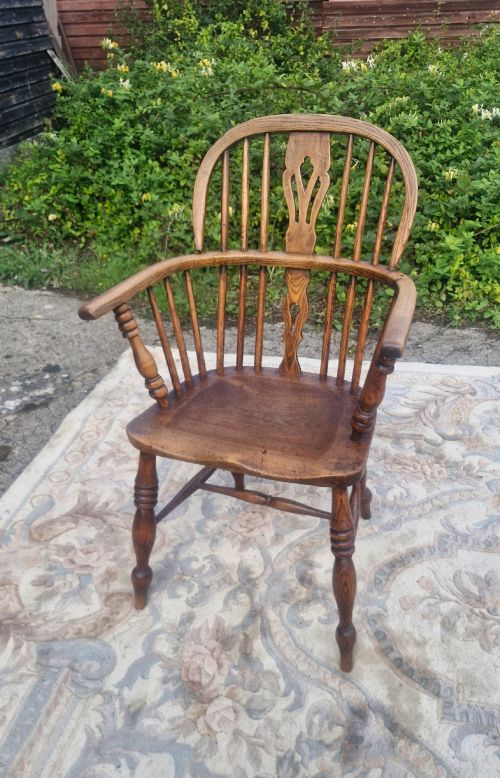
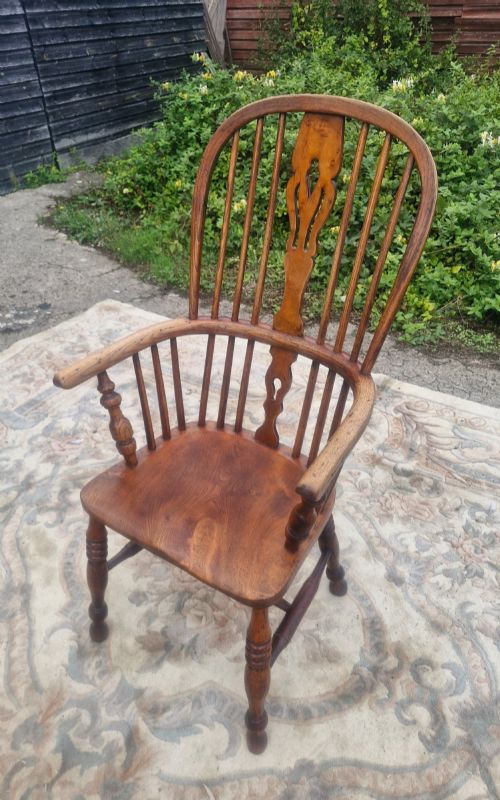
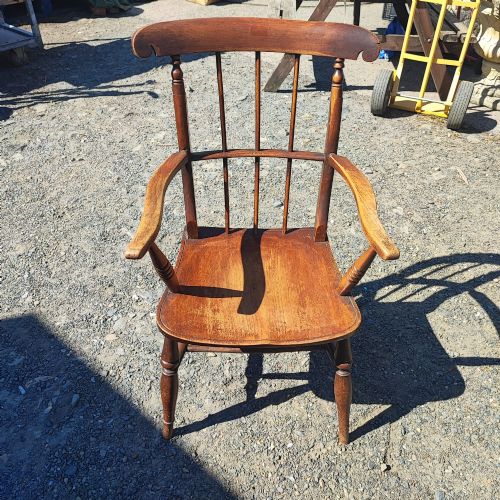
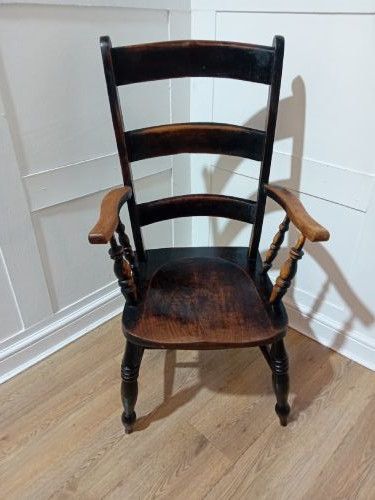
Antique elm chairs form a distinct category of domestic country seating spanning the Georgian and Victorian eras into the twentieth century. When searching for antique elm chairs, buyers encounter sturdy dining seats, kitchen chairs, and Windsor forms rooted in English and regional country traditions.
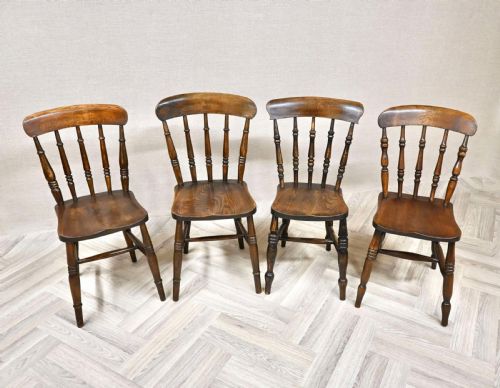
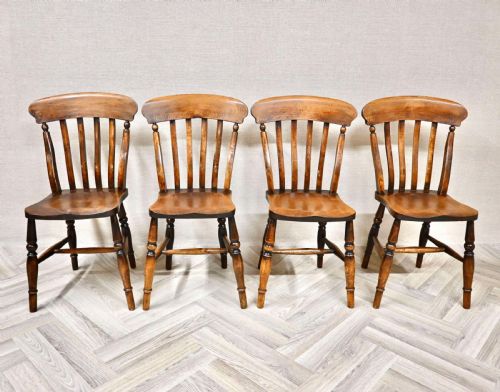
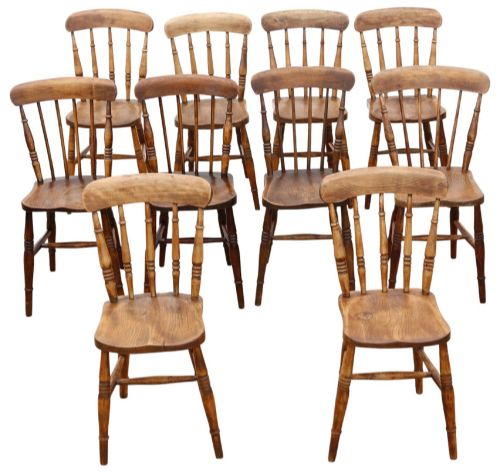
The evidence shows these pieces appearing singly, in pairs, or in larger matched and harlequin sets suited for dining tables. Common configurations include stick and hoop backs, wheelbacks, ladderbacks, and Lancashire spindle backs.
Most examples hail from the nineteenth century, with Georgian origins and early twentieth-century interpretations also represented. These chairs served farmhouses, kitchens, and country homes where robust wooden seating was essential.
How they were made
Maker traditions rely heavily on solid elm for seats and main panels, valued for its resistance to splitting under pressure. Joinery frequently incorporates complementary timbers such as ash, beech, and occasional mahogany details.
Construction techniques include steam-bending for Windsor hoops and spindle work, alongside traditional mortise and tenon joints. Seats often feature carved depressions or accommodate drop-in rush inserts.
Retail Price Guide 2026
Typical UK retail prices for elm chairs, calculated from the Sellingantiques database of over a million retail prices indexed since 2003. This retail price guide relies exclusively on Sellingantiques data; no external sources or auction records are used, so the figures do not describe the wider market.
The listings record elm combined with ash, beech, and fabric across Georgian and Victorian periods.
What varies in quality
Quality rests in the selection of timber figures and the integrity of the original joints across chairs and larger sets. Matching timber grains and cohesive turning distinguish well-preserved sets from assembled collections.
Refinement in the spindle shaping and the depth of the saddle seat separate standard utilitarian seating from finer regional craftsmanship. Patina developed through decades of domestic use marks the upper tier of surviving examples.
The Antique Elm Chairs Glossary
- Elm
- A dense, interlocking timber historically chosen for chair seats because it resists splitting when nailed or pegged. It develops a rich, varied grain pattern over centuries of exposure.
- Windsor
- A chair style featuring a solid wooden saddle seat into which the legs and back spindles are directly socketed. This construction provides exceptional stability.
- Wheelback
- A Windsor variation incorporating a pierced wheel motif centred in the splat of the backrest. This design gained popularity during the nineteenth century.
- Penny seat
- A round wooden seat shape found on certain regional country chairs. The nomenclature derives from the characteristic disc proportion.
- Harlequin set
- A collection of dining chairs that share a general style and period but vary in minor details. These sets are often assembled over time rather than originally manufactured together.
Frequently Asked Questions
Are elm chairs strong enough for daily use?
Elm is renowned for its fibrous, interlocking grain that resists splitting, making these chairs exceptionally durable for everyday seating.
Historic examples have survived centuries of domestic dining and kitchen use while retaining their structural integrity.
How do I care for antique elm furniture?
Maintain the timber by keeping chairs away from direct heat sources and sudden humidity changes that cause wood to dry out.
A light application of traditional beeswax helps nourish the surface and preserve the historic patina.
What is a harlequin set of chairs?
A harlequin set brings together chairs that share a period, timber, and general form but differ in subtle decorative details.
This approach reflects how country dining sets were historically gathered and used over generations.
How do I distinguish Georgian from Victorian elm chairs?
Georgian examples often display cleaner lines and earlier country formal influences, sometimes incorporating mahogany or distinct Lancashire proportions.
Victorian variations lean towards robust Windsor stick backs, wheelbacks, and larger ash-and-elm kitchen dining sets.