
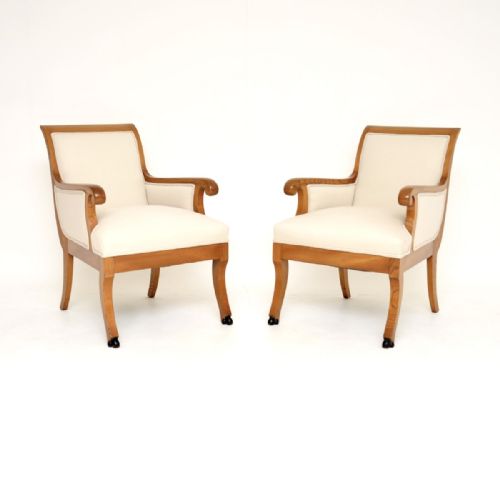
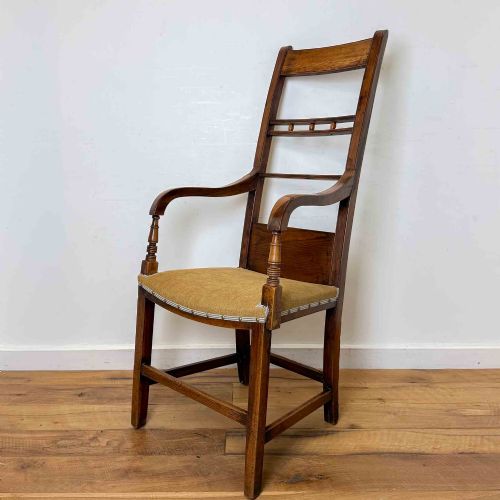


Antique Elm Accent Chair
These antique elm accent chair selections bring substantial grain and sturdy vernacular form into a room.
Antique Elm Accent Chair
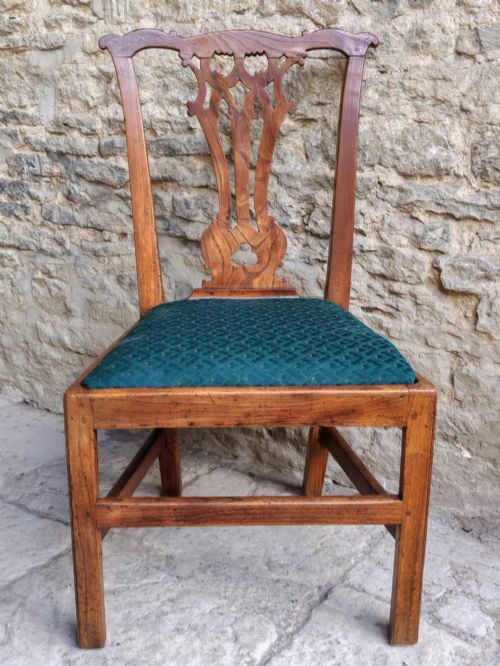
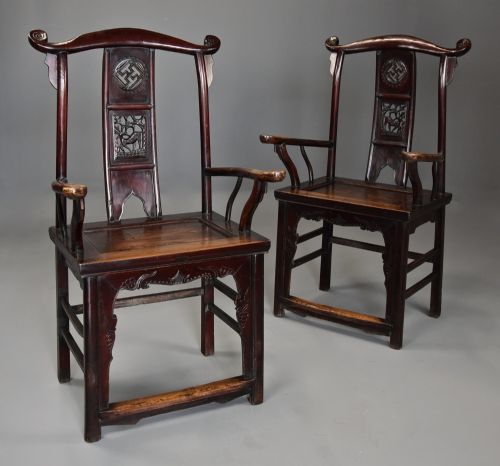
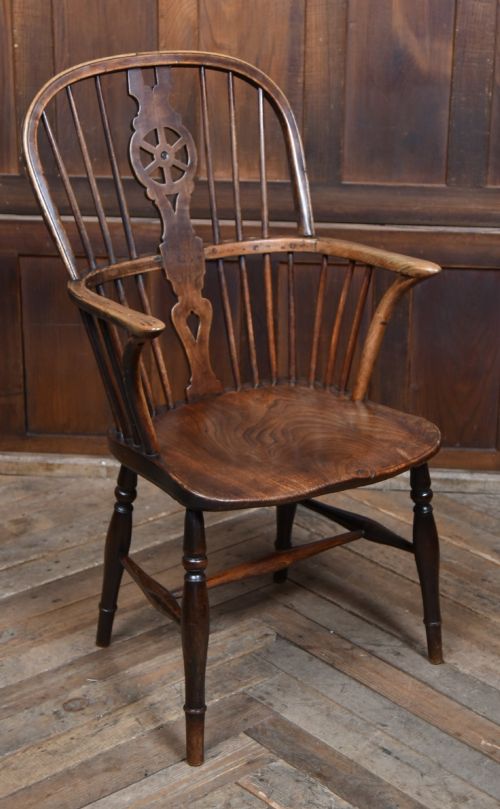
When searching for an antique elm accent chair, buyers encounter seating forged in domestic and international workshops primarily across the eighteenth and nineteenth centuries. The listings show heavy representation from English country makers alongside distinct Qing dynasty Chinese forms.
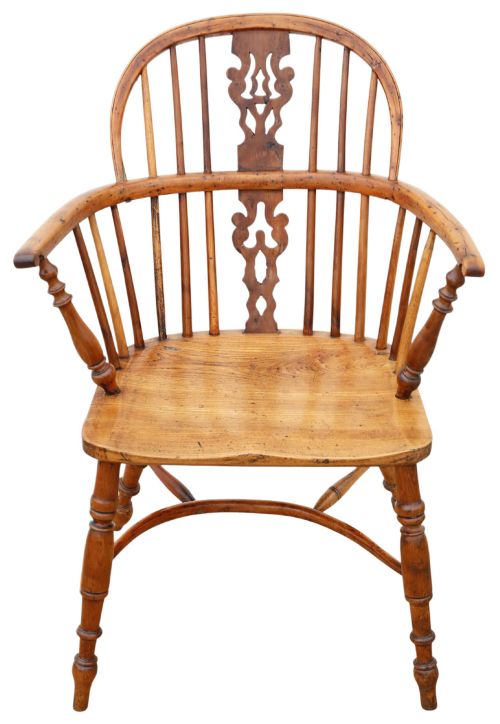
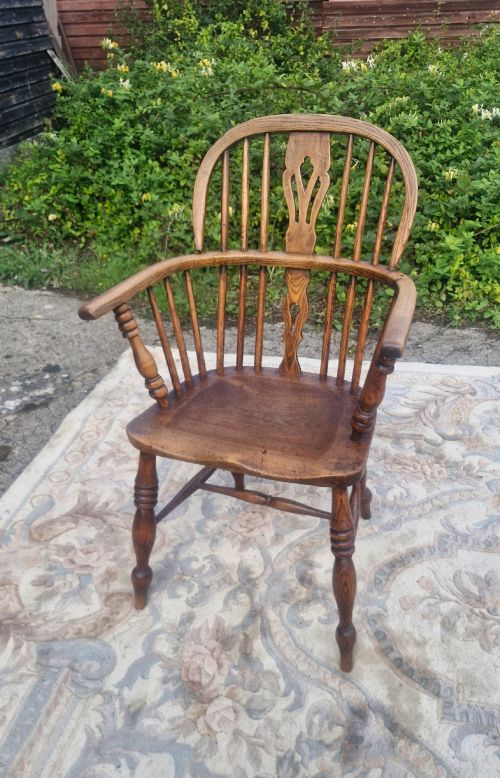
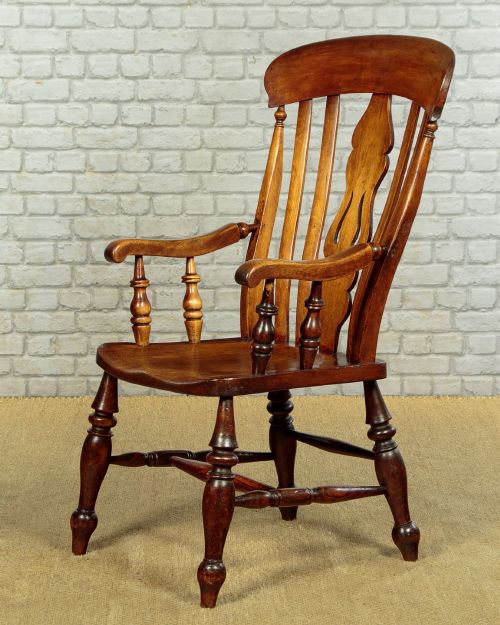
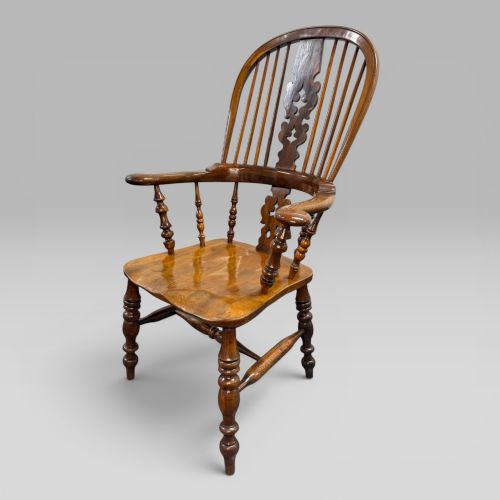
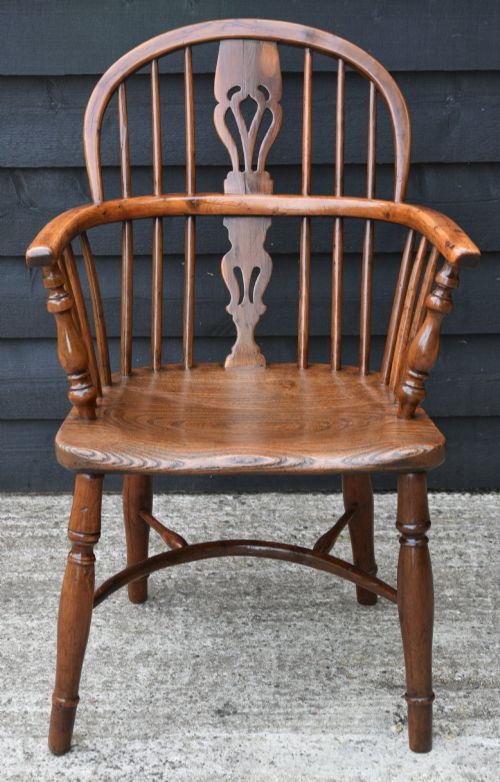
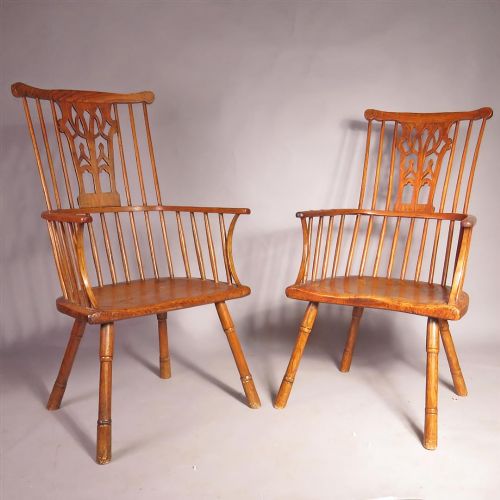
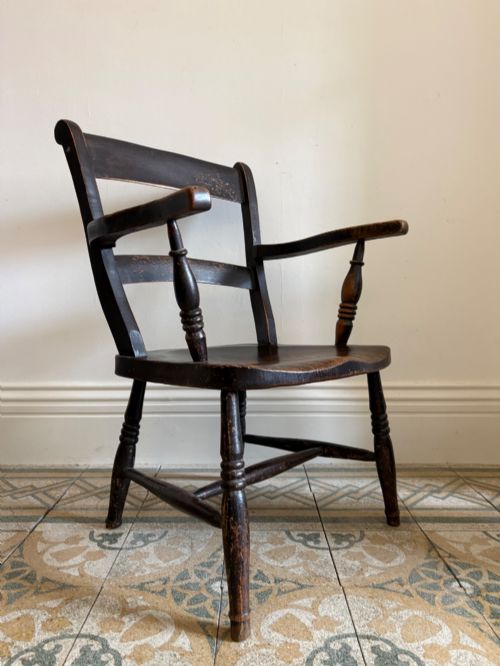
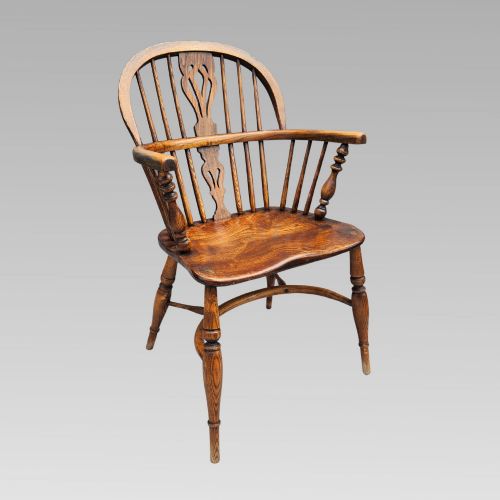
The dominant forms are Windsor armchairs, high-back carvers, and country farmhouse single chairs alongside imported yokeback and lamp hanger variants. Most examples utilise elm combined with secondary timbers for structure and comfort in domestic settings.
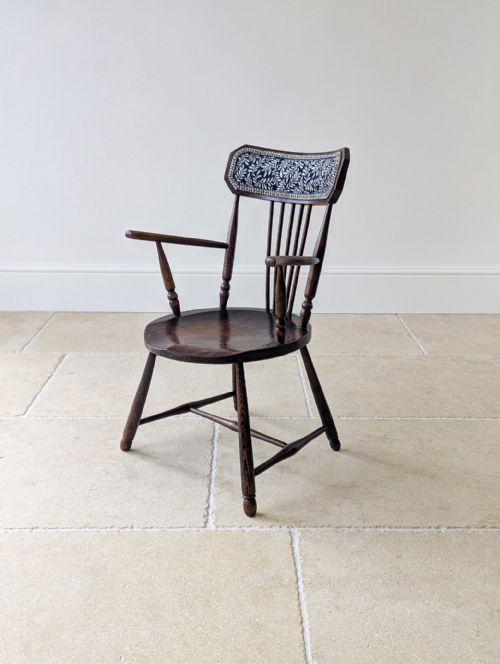
Origin periods span from Georgian iterations through Victorian interpretations to late nineteenth-century Arts and Crafts revivals. Buyers find both individual statement seats and matched pairs suited to traditional or eclectic interiors.
How they were made
Makers constructed these chairs by combining solid elm seats with complementary woods such as ash, beech, yew, and oak for spindles, legs, and bentwood components. This multi-timber construction provided the necessary tensile strength for steam-bent comb backs and wheel backs.
Surface treatments range from natural waxed grain and dark ebonising to original red lacquer finishes seen on Chinese regional pieces. Rush seating also appears on specific single farmhouse chairs, woven tightly into the wooden frames.
Some nineteenth-century kitchen carvers bear the quiet dents and scuffs of centuries of family suppers.
What varies in quality
Quality rests upon the integrity of the timber selection and the retention of original surface patination. Pieces exhibiting rich grain movement and untouched historic finishes command greater respect than those stripped or overly restored.
Structural harmony in stick-built Windsor forms separates standard utility seating from finer cabinetmaker output. The precision of the spindle turnings and the depth of the sculpted elm seat dictate the overall sophistication of the piece.
Fred Walker
The Antique Elm Accent Chair Glossary
- Windsor chair
- A chair built with a solid wooden seat into which the back and legs are wedged directly. This vernacular form developed significant regional variations across England during the eighteenth and nineteenth centuries.
- Yوكeback
- A traditional Chinese chair style featuring a top rail that curves outward and resembles a traditional yoke. These examples frequently utilise elm and retain historic lacquer.
- Comb back
- A Windsor chair variant where the vertical spindles extend through a headboard resembling the teeth of a comb. These high-backed seats appear frequently in eighteenth-century English country examples.
- Carver
- An armchair designed to match a set of dining or single chairs, often placed at the head of a table or utilised as a distinct accent piece. They feature substantial armrests integrated into the main structure.
- Patination
- The surface sheen and colour acquired by wood through decades of handling, polishing, and light exposure. Untouched historic patination is a primary marker of authenticity.
Antique Elm Accent Chair: Frequently Asked Questions
What defines an antique elm accent chair?
These pieces are historic seating items featuring solid elm construction, often combined with ash or yew, shaped into regional Windsor, farmhouse, or Eastern scholarly forms. They serve as functional accent furniture that introduces warm timber tones and historic character to a room.
Buyers select them for their robust vernacular architecture and varied regional styles dating from the Georgian era through to the late nineteenth century.
How do I date an antique elm chair?
Dating relies on observing construction methods, joinery types, and stylistic cues such as wheel backs, comb backs, or Chinese yokeback profiles. Georgian pieces often display specific primitive stick construction, whereas Victorian examples incorporate industrial-era lathe turnings and mixed timbers.
Examining the wear patterns on the elm seat and the composition of the finish helps confirm the period of manufacture.
Were these chairs used for dining?
Many examples listed as armchairs, carvers, or side chairs were originally intended for everyday domestic use around farmhouse tables or kitchen hearths. Over time, their sculptural forms and comfortable wooden seats transitioned them into accent roles in living spaces.
Matched pairs and single carvers offer versatile placement options as reading or desk chairs.
How should I care for an elm surface?
Maintain the timber by keeping chairs away from direct heat sources and sudden humidity changes that can stress historic joints. Apply a light application of traditional beeswax periodically to nourish the grain and preserve the historic patination.
Avoid modern chemical polishes that can degrade the original finish over time.