
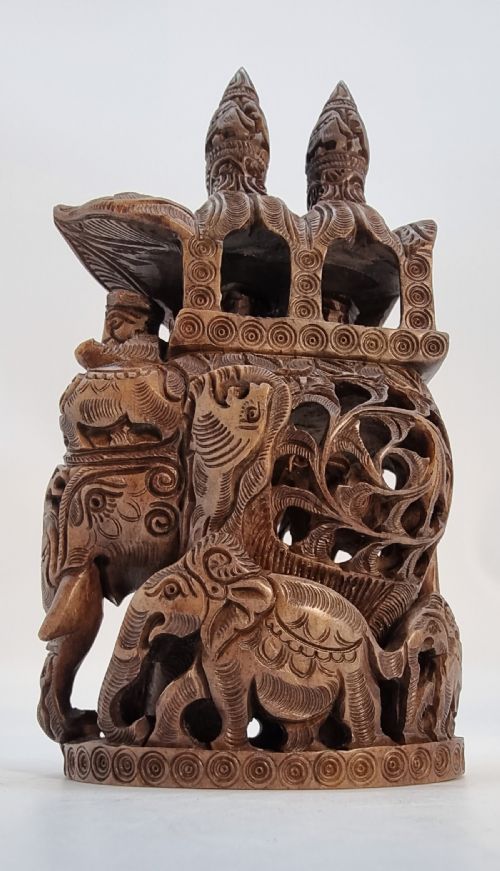


Antique Elephant Statue
An antique elephant statue brings character and history into a room, capturing the power and presence of these animals through expert craftsmanship.
Antique Elephant Statue
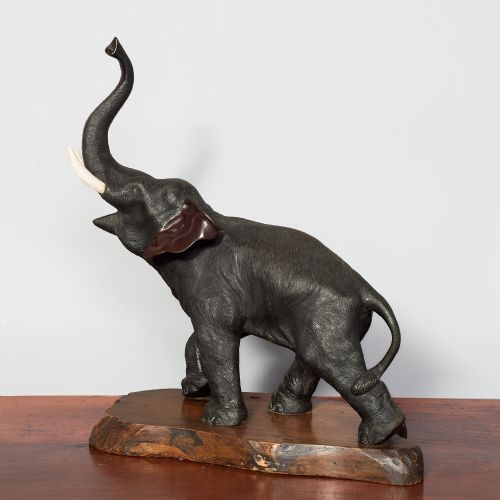
The selections on this page are most commonly met in materials such as cast bronze, carved hardwoods, ebony, and ivory, spanning periods from the Victorian era through the early twentieth century. Styles vary widely, reflecting the distinct artistic approaches of Japanese Meiji period metalworkers, Indian Raj period woodcarvers, and European decorative artists.
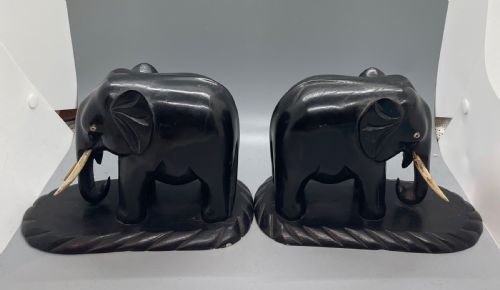
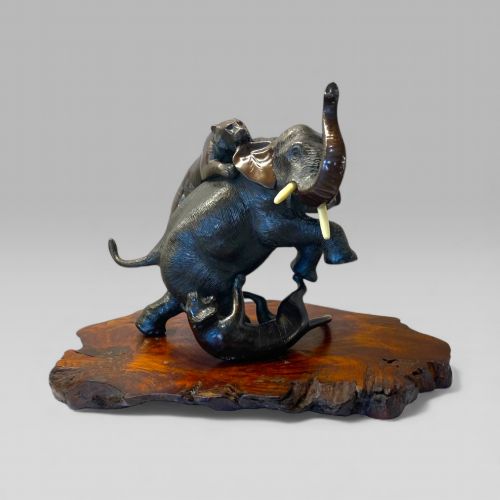
Whether formed as a solitary study, paired as bookends, or depicted in dynamic scenes of struggle with tigers, each sculpture captures the specific aesthetic concerns of its origin. Buyers find that these statues function equally well as standalone focal points or integrated collections of decorative objects.
How they were made
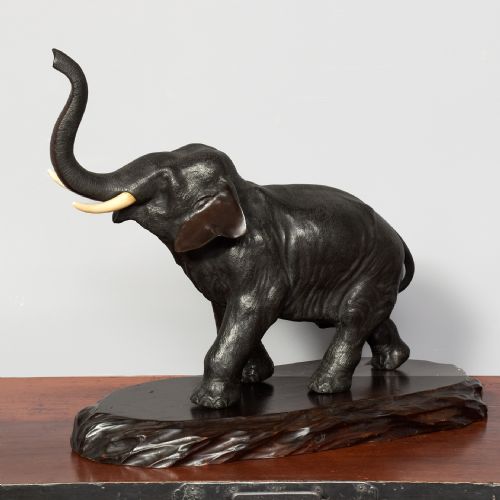
Makers utilised traditional casting and carving techniques suited to their chosen medium, whether working with metal, wood, or leather. Bronze pieces often employed the lost-wax method, allowing for intricate surface engraving, naturalistic bases, and inlaid details like ivory tusks or diamond eyes.
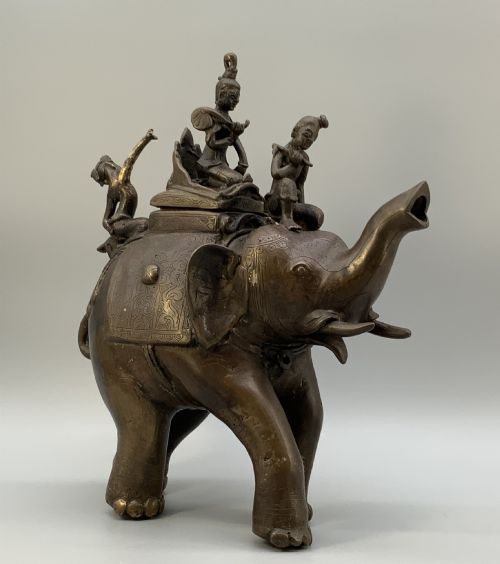
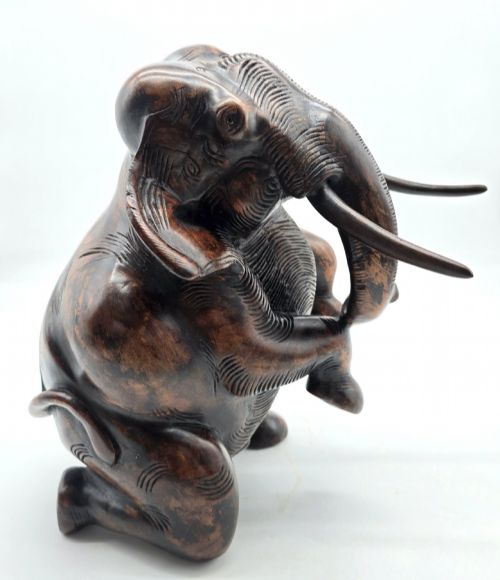
Woodcarvers shaped dense materials such as teak, ebony, and hardwood using hand chisels to define ceremonial trappings, riders, and muscular forms. Leather models from the Arts and Crafts movement involved stiffening and moulding hide over an internal armature to achieve realistic contours.
Surface finishes vary from polished wood and detailed lacquer to patinated bronze and polychrome paint on Burmese temple carvings. These diverse methods ensured that each material's inherent texture enhanced the realism or decorative impact of the final sculpture.
Several elephants must contend with determined tigers clinging to their flanks in dramatic miniature bronze showdowns.
What varies in quality
Quality in these sculptures rests upon the fidelity of the anatomical modelling and the precision of the surface detail. Master artisans captured the weight, skin texture, and musculature of the animal with acute observation, whereas lesser works rely on generic outlines and stiff postures.
The refinement of secondary elements, such as riders, ceremonial blankets, and base integration, distinguishes superior examples. Furthermore, the crispness of the chasing on bronzes or the depth of relief in carved hardwoods marks the distinction between standard workshop production and exceptional artistic output.
Carl Thieme Dresden·Ernest Louis Adnin·Tsunemitsu
The Antique Elephant Statue Glossary
- Meiji Period
- The era of Japanese history from 1868 to 1912, noted in these listings for highly detailed bronze sculptures and okimono depicting wildlife and narrative scenes.
- Okimono
- A Japanese freestanding ornamental carving or sculpture designed for display on a shelf or in a tokonoma alcove.
- Raj Period
- The period of British rule in the Indian subcontinent, associated here with dense hardwood and ebony carvings of ceremonial elephants.
- Lost-wax casting
- A metal casting method where a molten metal is poured into a mould that has been created by means of a wax model.
- Patina
- The surface sheen and colour acquired by bronze, wood, or leather through age, handling, and environmental exposure.
Antique Elephant Statue: Frequently Asked Questions
What materials are common in these statues?
The listings feature a prominent use of cast bronze, dense hardwoods like ebony and teak, and occasional organic materials such as bone and ivory.
Leather and soapstone also appear among specific regional traditions, reflecting the diverse global origins of the sculptures.
How do I identify a Meiji period bronze?
Meiji period bronzes typically display exceptional fidelity to nature, often incorporating finely chased skin textures and dynamic compositions.
Many pieces include signature details like inlaid ivory tusks or dramatic interactions with other animals such as tigers.
Were these pieces used as bookends?
Several examples from the twentieth century were specifically designed as functional bookends to support heavy volumes.
These paired figures are often cast in bronze or carved from dark wood to combine utility with decorative presence.
What is a ceremonial elephant carving?
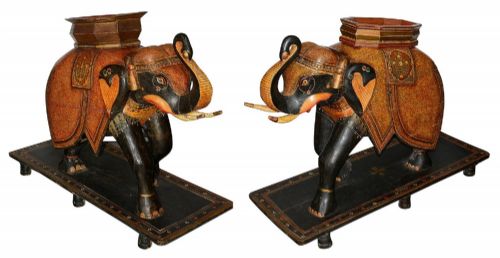
Ceremonial carvings depict elephants adorned with elaborate traditional blankets, headstalls, and sometimes riders or keepers.
Originating largely from the Raj period in India, these pieces emphasise ornate cultural trappings alongside realistic animal forms.