


Antique Indian Bronze
These antique indian bronze pieces bring centuries of ritual metalwork and animal sculpture into your home, prized for their deep patination and hand-worked detail.
Antique Indian Bronze
When you search for antique indian bronze, you encounter figures of Hindu and Jain deities alongside ceremonial vessels, decorative plaques, and animal sculptures. These objects span from the seventeenth century through the Victorian era and the early twentieth century, showing South Indian, Indo-Persian, and Anglo-Indian stylistic influences.
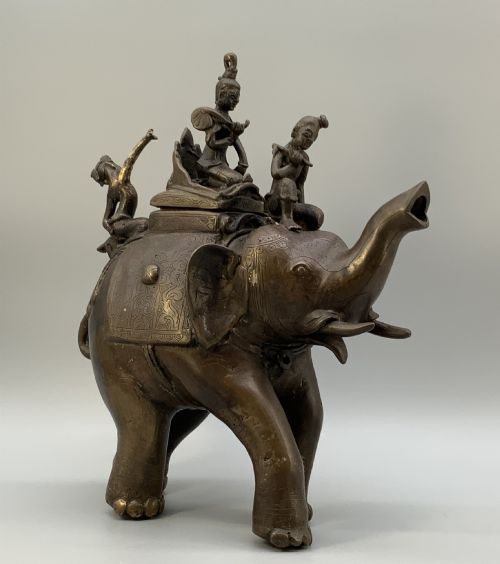
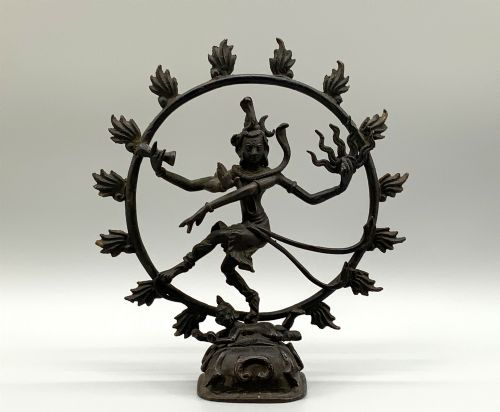
You will regularly meet cast bronze statues of deities such as Shiva Nataraja, Ganesh, and Shantinath, alongside heavy temple bowls and engraved elephant figures. The selection also includes functional items like hanging incense burners, candlesticks, and table warmers fashioned from copper and brass.
The regional variety ranges from South Indian devotional bronzes to Raj period decorative works and Burmese animal figures. Each piece reflects specific religious or domestic traditions of its period, maintaining the character imparted by its original makers.
How they were made
These items rely on traditional casting methods, predominantly utilising solid bronze, cast brass, and copper. Metalworkers shaped these alloys into complex forms, sometimes incorporating silver and copper inlay to highlight specific details on shrines and figures.
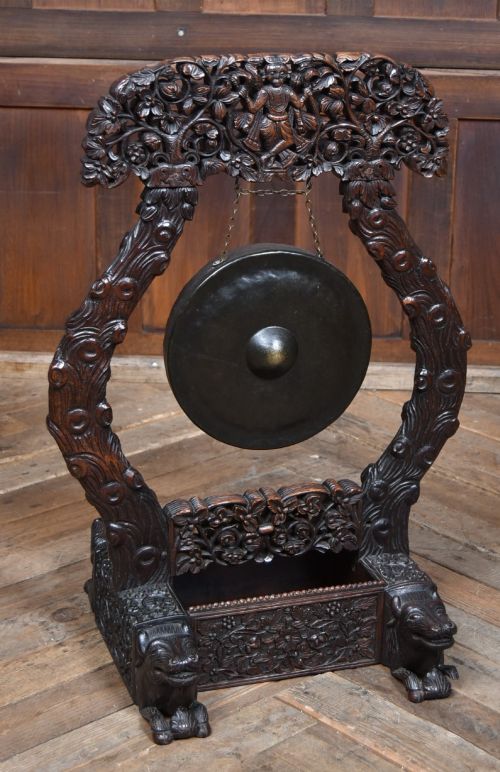
Surface ornamentation involved deep hand-carving and chasing work, visible on vases, plaques, and vessels from the Raj period. Artisans also engraved intricate patterns onto larger animal sculptures and temple gongs after the initial casting process was complete.
Listings feature items spanning the 17th century through the Victorian era, utilising bronze, brass, copper, and teak.
What varies in quality
Quality in these metalworks rests on the crispness of the cast and the depth of the hand-chased decoration. Superior examples display sharply defined facial expressions on deities and precise, deep engraving on plaques and vessels.
The integrity of the material and the character of the surface patination further distinguish finer items from simpler production. Well-cast figures maintain balanced proportions and secure attachments on handles, bases, and protruding ritual elements.
The Antique Indian Bronze Glossary
- Shiva Nataraja
- A depiction of the Hindu god Shiva in his cosmic dancing form, balancing within a ring of flames. This iconic representation appears frequently in South Indian metalwork.
- Aftaba
- A traditional long-necked metal ewer or vessel used for ritual washing or pouring water. These pieces often feature elaborate handles shaped like mythical creatures.
- Urli
- A large traditional shallow bowl or cooking vessel used in temples and homes. Victorian examples in bronze served decorative or ceremonial functions.
- Chasing
- A metalsmithing technique where the artisan hammers the front surface of the metal to sink it and create intricate decorative patterns. This method defines the surface texture of Raj period pieces.
- Makara
- A mythical water creature from Hindu mythology, often depicted with the body of a fish and the head of an animal. It appears frequently as a decorative handle on metal vessels.
Antique Indian Bronze: Frequently Asked Questions
How were bronze deities used?
These figures served as objects of devotion in home shrines and temples, where they received daily offerings and prayers. Their portability allowed worshippers to carry them during rituals or processions.
The metal alloys withstood regular handling and ritual bathing, developing a dark, smooth patination over generations of use.
How do I clean antique bronze?
Dusting with a soft, dry cloth is usually sufficient to maintain the surface without disturbing the historic patination. Avoid commercial metal polishes that strip away the accumulated age and character of the bronze.
Leaving the natural surface untouched preserves both the appearance and the historical integrity of the piece.
What is an aftaba used for?
An aftaba functioned as a traditional water vessel for washing hands before meals or during religious ablutions. Their distinctive spouts and handles combined practical utility with ornamental design.
Larger examples often stood in prominent spaces as decorative vessels reflecting the metalwork skills of their makers.
How can I tell the period?
Dating relies on stylistic markers, casting techniques, and the specific iconography associated with different centuries. Seventeenth and eighteenth-century pieces often display distinct devotional forms compared to nineteenth-century Raj period decorative items.
Inscriptions, metal composition, and the depth of hand-chased decoration provide further clues to the approximate age of each piece.