
Antique Earthenware
When you search for antique earthenware, you encounter porous ceramic bodies finished with tin glazes, lead glazes, or enamels that reward careful placement in a room.
Antique Earthenware
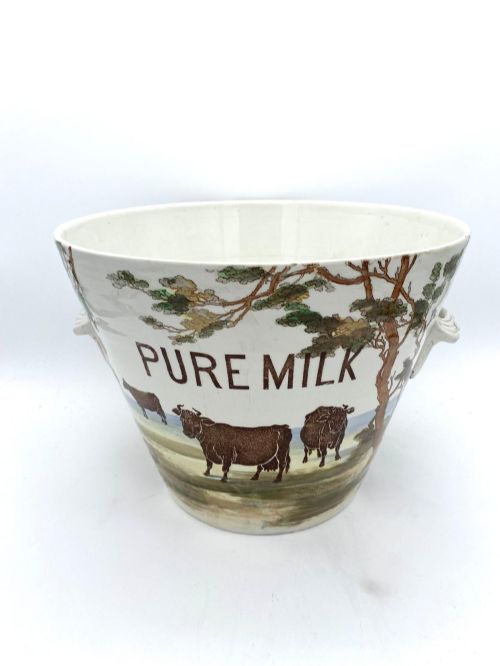
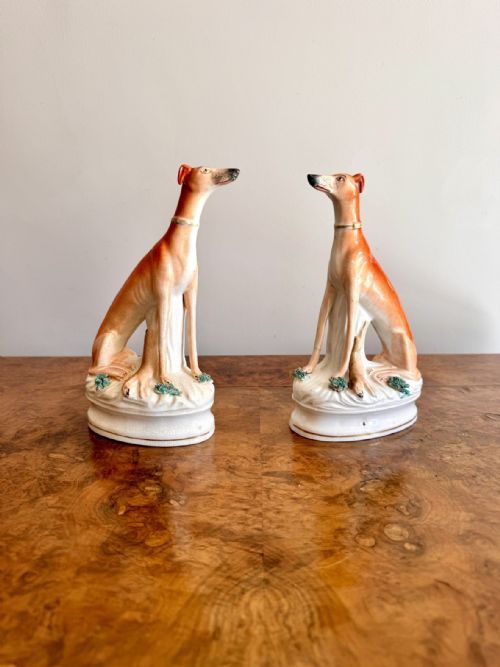
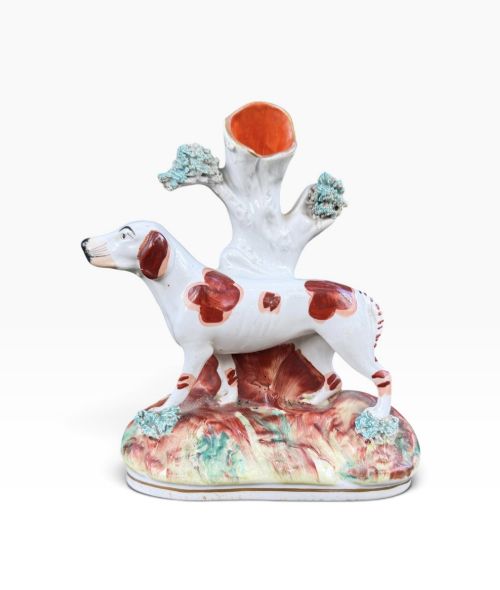
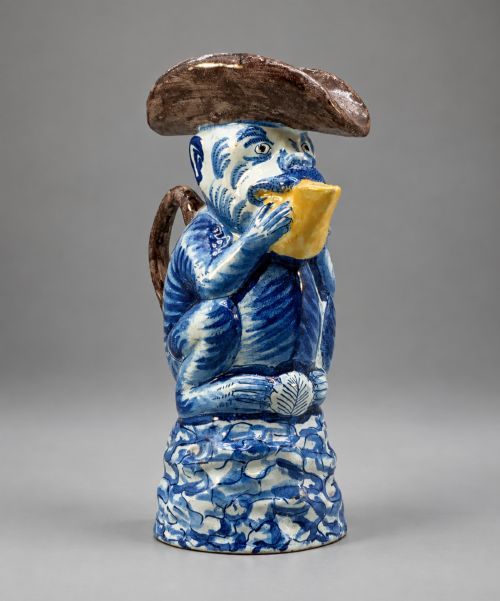
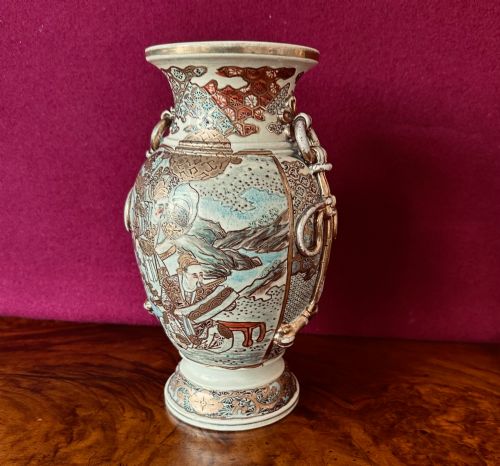
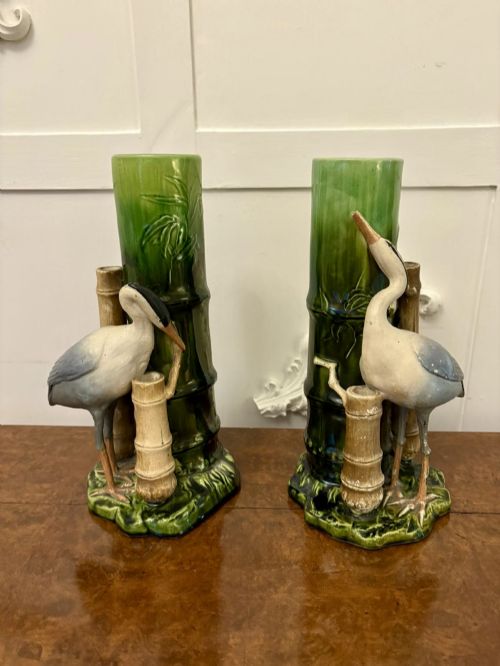
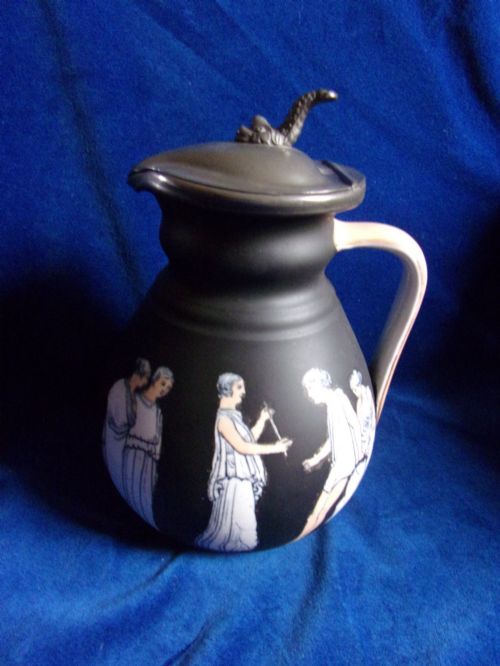
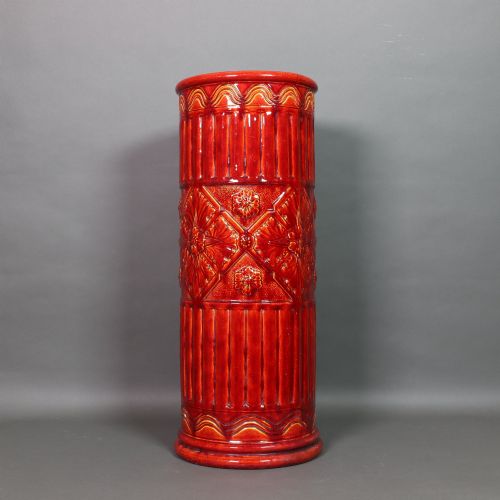
Antique earthenware encompasses a diverse range of utilitarian and decorative ceramic items produced across centuries, including vases, jugs, tureens, plates, and commemorative figures. When browsing this selection, you primarily encounter pieces originating from English potteries, Dutch Delftware workshops, and Japanese kilns spanning the Georgian, Victorian, and later periods.
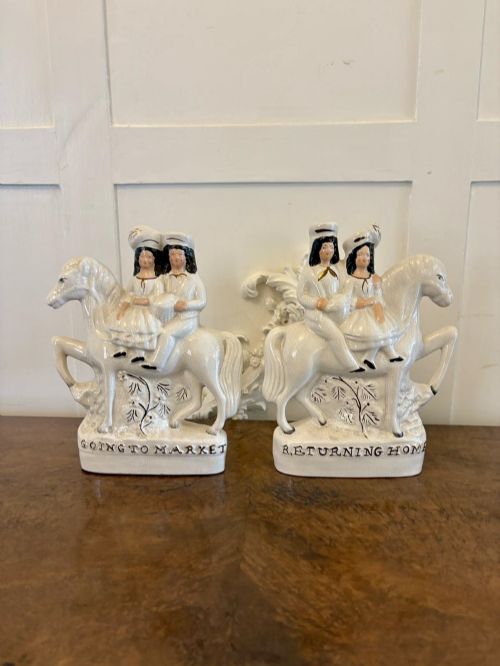
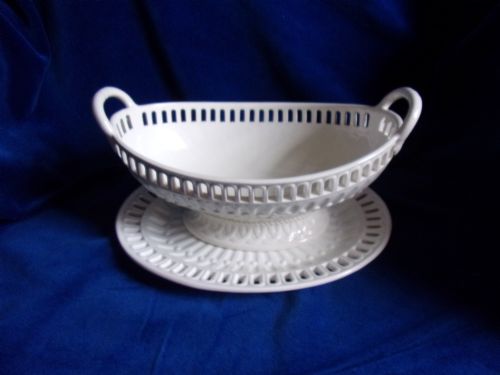
The domestic and ornamental forms available reflect domestic life and display traditions of past eras. From Staffordshire animal figures and commemorative jugs to Delft vases and creamware baskets, these objects bridge practical utility and artistic expression.
How they were made
Makers shaped porous clay bodies on the wheel or pressed them into moulds before applying distinctive coatings such as tin glaze, lead glaze, or enamel to seal the surface. Potters then decorated these pieces using hand-painted pigments, transfer printing, or polychrome enamels before firing them in kilns.
Specialised techniques such as creamware production, salt glazing, and moriage decoration define the physical character of many items on this page. These methods dictated the weight, texture, and visual depth of the finished ceramic.
Listings feature earthenware from the seventeenth century through the early twentieth century, spanning English, Dutch, and Japanese origins.
What varies in quality
The distinction between ordinary and superior pieces rests on the crispness of the moulded detail and the skill executed in the hand-painting or transfer printing. Finer examples display precise brushwork, balanced proportions, and clear glaze application without excessive pooling or cloudiness.
Historical significance and factory attribution also elevate certain objects above standard domestic ware. Pieces bearing identifiable factory marks or demonstrating unusual artistic ambition during their period command greater attention from collectors.
Thomas Parr factory·Pieter Verburg·William Smith and Co·Leeds Pottery·Veuve Perrin Marseille·Moorcroft·Burmantofts·Spode·Holdcroft
The Antique Earthenware Glossary
- Earthenware
- Porous pottery fired at lower temperatures than stoneware or porcelain, requiring a glaze to hold liquids. It forms the structural base for majolica, delftware, and creamware.
- Creamware
- A refined, pale yellow-hued earthenware developed in England during the eighteenth century. It gained popularity for its smooth surface and suitability for delicate transfer-printed decoration.
- Faience
- European tin-glazed earthenware, often decorated with colourful painted designs over an opaque white glaze. The term historically links to Dutch and French production centres.
- Transfer printing
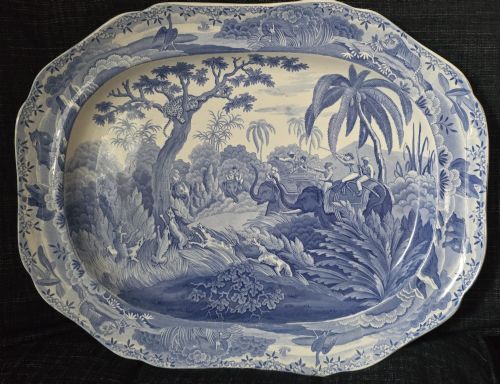
- A method of applying pre-printed engraved designs onto ceramic surfaces using paper or tissue. It allowed potteries to produce complex pictorial scenes consistently across multiple vessels.
- Majolica
- A colourful Victorian lead-glazed earthenware characterised by brilliant moulded relief decoration. Potters achieved its vibrant palette by applying metallic oxide colours directly to an opaque tin glaze before firing.
Antique Earthenware: Frequently Asked Questions
What is antique earthenware?
Antique earthenware comprises porous ceramic vessels and figures shaped from clay and fired at moderate temperatures. These pieces rely on glazes or enamels to seal the body and provide decorative surfaces.
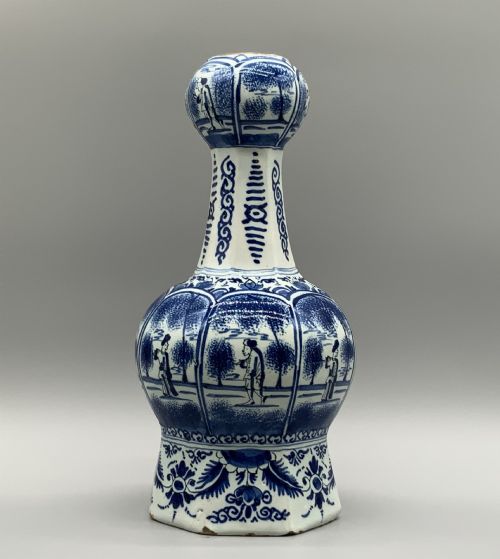
Items range from eighteenth-century creamware plates to nineteenth-century Staffordshire figures and Dutch delft vases. Each piece illustrates the prevailing manufacturing methods and artistic styles of its era.
How do I care for antique earthenware?
Protect these ceramics by keeping them away from direct sunlight and dramatic temperature fluctuations that might stress the glaze. Dust them gently with a soft, dry cloth rather than using chemical cleaners.
Because the underlying clay body is porous, avoid immersing antique earthenware in water for extended periods. Display them on stable surfaces where they will not be knocked or vibrated.
Were these items used daily?
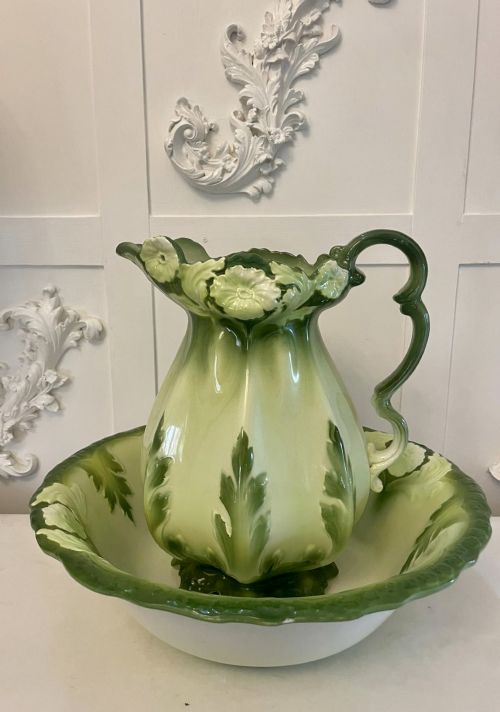
Many earthenware pieces served functional roles in Georgian and Victorian households, including jugs, tureens, wash sets, and plates. Their durable nature made them suitable for food preparation, dining, and washing.
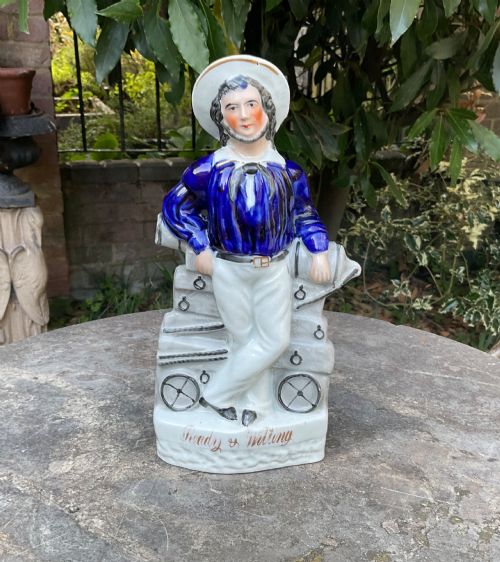
Other examples, such as flatback figures, spill vases, and decorative platters, were designed specifically for mantelpieces and display cabinets. These ornamental items reflected the homeowner's tastes and interests.