


Antique Dutch Tea Table
An antique dutch tea table brings elaborate floral marquetry and folding tops into a room, offering both decorative presence and practical surface space.
Antique Dutch Tea Table
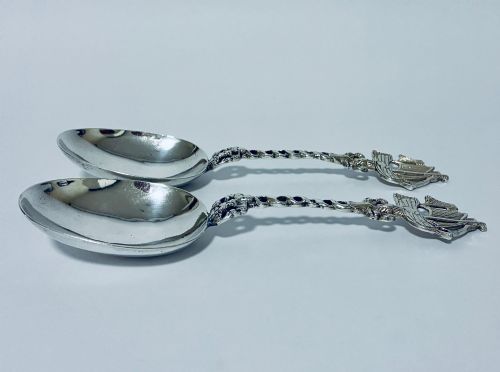
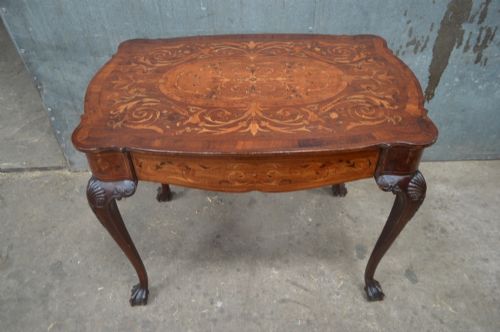
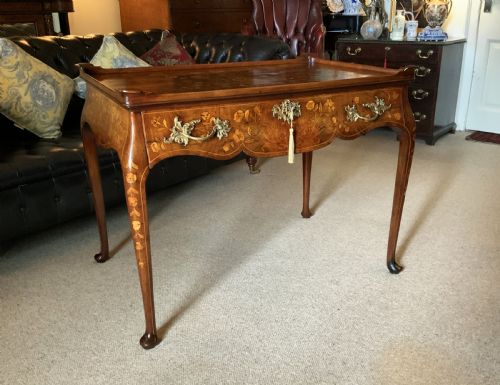
The selection extends beyond standard tea tables to encompass side tables, occasional tables, and even related silver spoons or pine coffee tables reflecting regional styles. Eighteenth-century examples frequently display detailed floral and bird inlay in fruitwood, walnut, and boxwood upon dark grounds.
Nineteenth-century interpretations continue the tradition of intricate marquetry on games and card tables, while later Edwardian pieces adapt Dutch stylistic motifs into circular occasional forms. These items serve equally as functional furniture and as focal points displaying historical cabinet-making techniques.
How they were made
Makers constructed these pieces using primary timbers like walnut and fruitwood, applying delicate veneers of boxwood and various fruitwoods to create elaborate pictorial marquetry. Inlayers cut floral, bird, and scroll motifs by hand, fitting contrasting woods into recessed channels across the table tops and aprons.
Structural elements rely on traditional joinery to support folding tops, with hinges and internal pivots allowing card and games tables to alternate between closed consoles and open playing surfaces. Brass hardware and occasionally silver components appear as functional mounts or distinct domestic items.
Some marquetry tables hide secret compartments beneath their folding tops, designed originally for concealing playing cards and gaming counters.
What varies in quality
The distinction between tiers of quality rests upon the precision of the marquetry and the choice of timbers, where dense walnut and varied fruitwood veneers demonstrate greater artisan skill than simpler pine construction. Crispness in the cut of inlaid flowers and birds separates master workshops from routine production.
Proportion and the handling of curved elements, such as cabriole legs and serpentine aprons, dictate the visual balance of each piece. Superior examples maintain structural integrity in their folding mechanisms while preserving the clarity of the original inlaid surface details.
The Antique Dutch Tea Table Glossary
- Marquetry
- Decorative veneer work forming pictorial designs by fitting pieces of various coloured woods into a ground material. This technique defines the visual character of most eighteenth-century Dutch tables.
- Card table
- A folding table designed specifically for playing cards, usually featuring a hinged top that doubles in surface area when opened. Many examples include internal wells for counters or candlesticks.
- Cabriole leg
- A furniture leg that curves out and then in, resembling the leg of an animal, characteristic of Rococo and Queen Anne styles. It typically terminates in a pad, claw, or scroll foot.
- Dog eared
- A descriptive term for corners featuring distinct angled or shaped projections, often seen on the moulded edges of games table tops. This shaping adds architectural definition to the top surface.
Antique Dutch Tea Table: Frequently Asked Questions
What is an antique dutch tea table?
An antique dutch tea table is a folding or side table originating from the Netherlands, typically distinguished by intricate floral and bird marquetry in various fruitwoods and walnut.
These pieces often double as card or games tables with hinged tops, combining decorative artistry with functional domestic use.
How were these tables used originally?
Historically, these tables served dual purposes in the parlour or drawing room, functioning as side surfaces for tea service or decorative objects during the day.
When unfolded, the tops provided stable surfaces for card games, social gathering, and evening entertainment among the household.
How do I care for a marquetry table?
Protect the veneered and inlaid surfaces by keeping the table away from direct sunlight and maintaining stable indoor humidity levels to prevent timber movement.
Apply occasional appropriate wax polish and avoid placing damp items directly onto the wood to preserve the delicate fruitwood and boxwood details.
How can I tell the period of a table?
Dating relies on examining the timber species, the style of the marquetry inlay, and the construction methods used in the frame and folding mechanism.
Eighteenth-century examples often show distinct Rococo influences and detailed floral motifs, whereas nineteenth-century pieces adapt these historicist themes with heavier proportions or different secondary woods.