
Antique Dutch Table
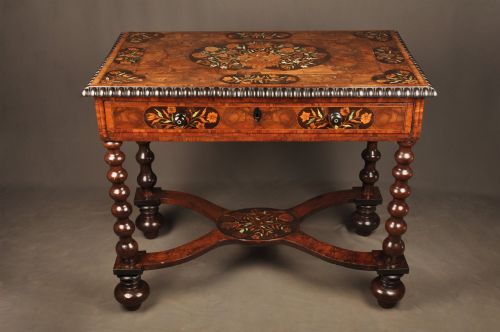
An antique dutch table brings centuries of continental craftsmanship, floral marquetry, and rich walnut into domestic spaces.
Antique Dutch Table
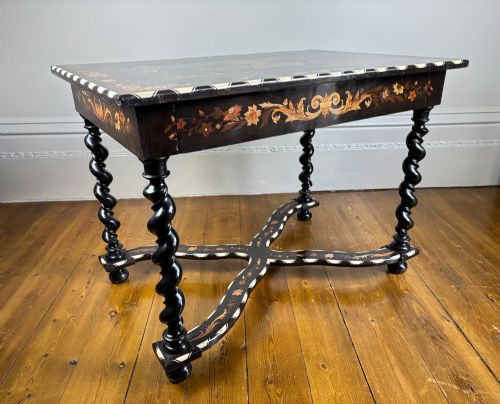
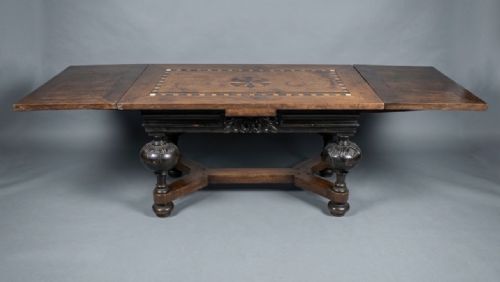
An antique dutch table encompasses diverse domestic furniture forms created across the seventeenth, eighteenth, and nineteenth centuries. Buyers searching for an antique dutch table encounter dining tables, console tables, centre tables, and occasional variants designed for specific household functions.
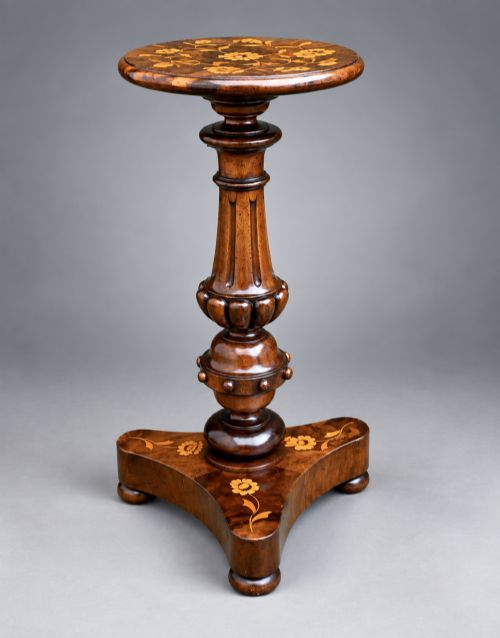
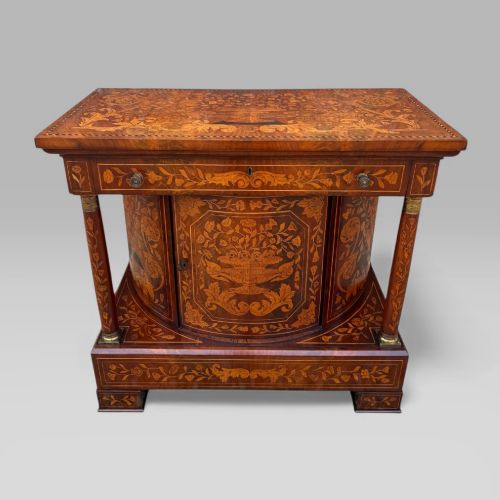
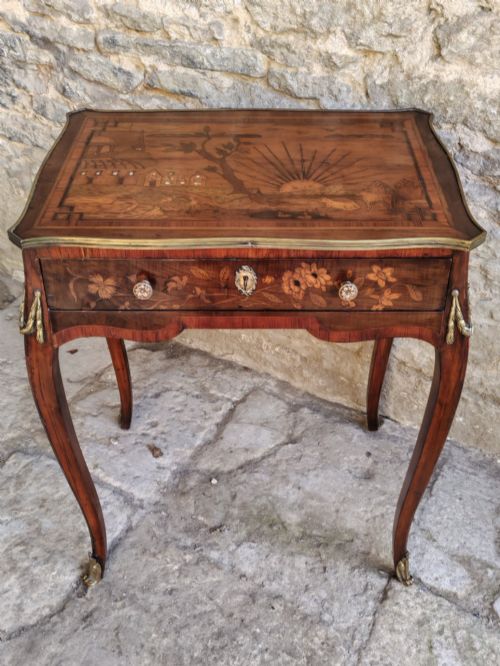
The material expression ranges from robust oak and walnut to complex inlaid surfaces utilising fruitwood and mahogany. Many surviving examples display elaborate floral marquetry, reflecting historical tastes in provincial and urban workshops.
Constructed forms vary from draw-leaf and fold-over designs to demilune consoles and library tables. These pieces served domestic interiors in Amsterdam and surrounding regions, combining utility with decorative ornamentation.
What varies in quality
The sophistication of the marquetry design and the variety of contrasting timbers determine the visual success of the piece. Master craftsmen achieved remarkable depth in floral arrangements by subtly shading individual wood veneers in hot sand.
Structural stability and the selection of primary hardwoods dictate longevity and daily utility. Superior examples maintain crisp carving on drawer fronts and legs without excessive timber shrinkage or veneer lifting.
Some eighteenth-century tables hid intricate games boards beneath their decorative marquetry tops, ready for clandestine card games.
The Antique Dutch Table Glossary
- Marquetry
- Decorative veneer work forming pictures and patterns by applying thin pieces of wood to a structural carcass. This technique defines much of the continental furniture from the eighteenth century.
- Draw-leaf
- An extending table mechanism featuring two pull-out leaves hidden beneath the main top. These leaves slide outward to expand the surface area for dining.
- Demilune
- Half-moon shaped furniture designed to sit flat against a wall as a console or side table. This form appeared frequently in hallway and drawing-room settings.
- Fruitwood
- Dense timber derived from fruit-bearing trees such as pear, apple, or cherry, utilised for contrasting inlay work. Its fine grain permits intricate cutting.
- Ebonised
- Wood treated with a dark stain or chemical process to imitate expensive ebony. This finish gained popularity in various nineteenth-century revivals.
Antique Dutch Table: Frequently Asked Questions
How do I date an antique dutch table?
Dating relies on observing construction methods, timber choices, and prevailing decorative styles. Earlier pieces from the seventeenth century typically utilise heavy solid oak with simpler forms, whereas eighteenth-century examples favour complex floral marquetry.
Secondary woods inside drawers and the type of fixings provide further clues to the period of manufacture. Stylistic shifts from Baroque to Rococo help narrow down the decade of creation.
Where were antique dutch tables used?
These tables served various functions within domestic and civic interiors across the Netherlands. Dining variations accommodated households, while smaller console and centre tables occupied hallways and reception rooms.
Specialised forms like architects tables and fold-over games surfaces catered to specific leisure activities. Their placement reflected the social habits of urban merchants and rural landowners.
How do I care for an antique dutch table?
Maintenance requires keeping wooden surfaces away from direct sunlight and maintaining stable indoor humidity. Regular dusting with a dry, soft cloth preserves the polished finish without chemical buildup.
Applying traditional beeswax periodically nourishes older timbers and protects delicate veneer work. Avoid placing hot or wet items directly onto antique wood surfaces.