


Antique Dutch Pottery Jug
An antique dutch pottery jug brings the rich craft of the Netherlands straight to your shelf through centuries of tin glaze and slipware.
Antique Dutch Pottery Jug
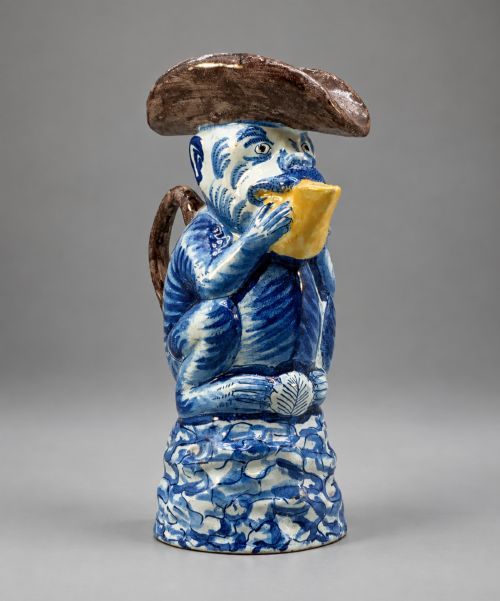
An antique dutch pottery jug encompasses diverse forms from the seventeenth and eighteenth centuries, including blue and white pitchers, puzzle jugs, and characterful figures. Buyers examining these pieces encounter classic tin-glazed earthenware and robust lead-glazed slipware originating from Dutch kilns.
Materials and Construction
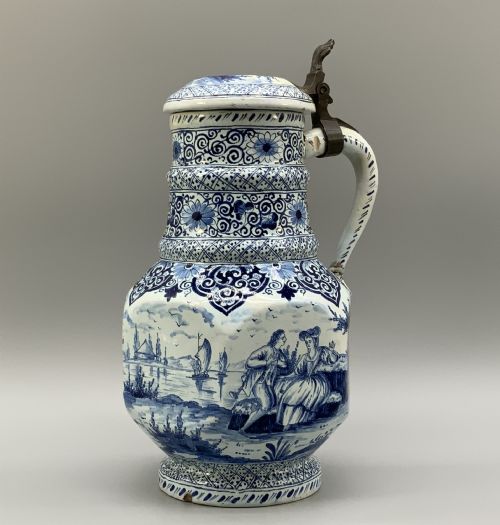
Potters shaped these vessels from earthenware clay, applying tin glaze or lead glaze to seal the porous body before firing. Many examples incorporate intricate blue and white hand-painted decoration, often influenced by Chinoiserie motifs.
Certain utilitarian and decorative pitchers also integrate fitted pewter lids, combining ceramic bodies with metalwork mounts typical of the period. Slipware variations utilise contrasting liquid clay trails to create surface patterns on the reddish ceramic base.
Current listings span from the seventeenth century through to the nineteenth century, uniting tin-glazed earthenware and lead glaze.
Assessing Quality
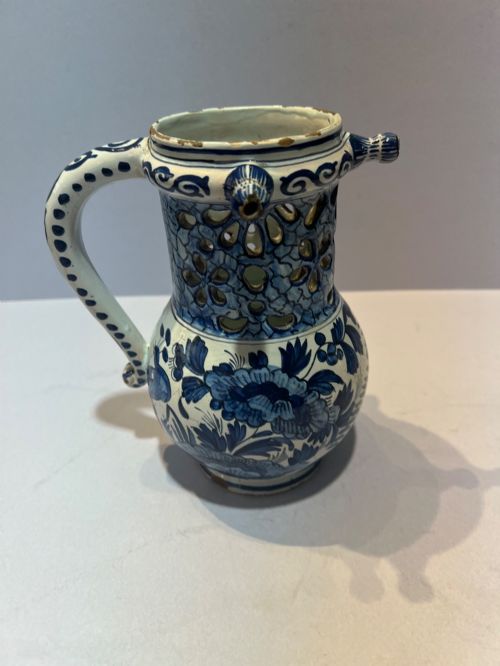
Quality rests upon the crispness of the hand-painted brushwork and the complexity of the vessel's form, such as the ingenious internal channels found in puzzle jugs. Early tin-glazed pieces with well-preserved Chinoiserie scenes demonstrate superior artistic ambition compared to simpler domestic ware.
The application and smoothness of the glaze also define the standard, alongside the integrity of any original pewter mounts. Surviving examples that maintain their structural detail without excessive modern restoration command greater appreciation from collectors.
Pieter Verburg
The Antique Dutch Pottery Jug Glossary
- Tin-Glazed Earthenware
- Pottery coated with a white, opaque glaze containing tin oxide, providing a smooth surface for painting.
- Delftware
- Tin-glazed earthenware produced in Dutch potteries, renowned for its blue and white decoration inspired by imported porcelain.
- Slipware
- Earthenware decorated with a thin layer of liquid clay, known as slip, trailed or brushed onto the body before firing.
- Puzzle Jug
- A vessel with a perforated neck that forces the drinker to solve a riddle to imbibe the liquid without spilling.
- Chinoiserie
- European artistic interpretations of Chinese decorative motifs, frequently seen on seventeenth-century blue and white pottery.
Antique Dutch Pottery Jug: Frequently Asked Questions
How do I identify seventeenth-century Dutch pottery?
Seventeenth-century pieces often display characteristic tin glaze with early blue and white or Chinoiserie painting styles, or rustic slipware.
Examining the weight of the earthenware and the characteristics of the glaze helps distinguish these early items from later nineteenth-century revivals.
Were these jugs used daily?
Many examples served practical functions for pouring liquids at the table or storing household goods like strawberry plants.
Over time, finer decorative items transitioned into display pieces due to the delicate nature of their tin-glazed surfaces.
Why do some jugs have pewter lids?
Pewter mounts and lids were added to protect vulnerable ceramic rims and keep contents secure during use.
These metal additions are contemporary with the ceramic bodies on period pieces and reflect the high status of the vessel.