



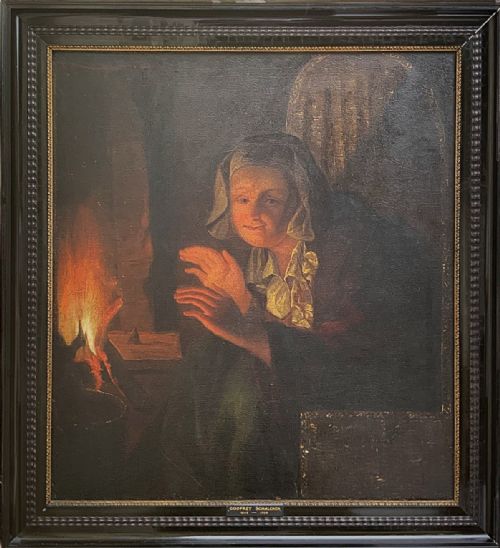
Antique Dutch Portrait Canvas
An antique dutch portrait canvas captures the gravitas and striking realism of northern European sitter painting across centuries.
Antique Dutch Portrait Canvas
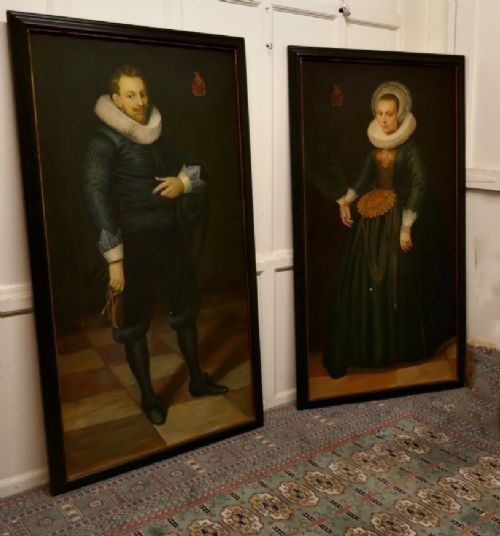
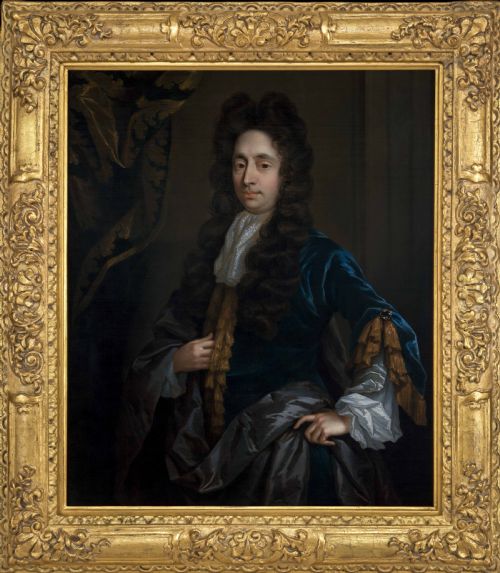
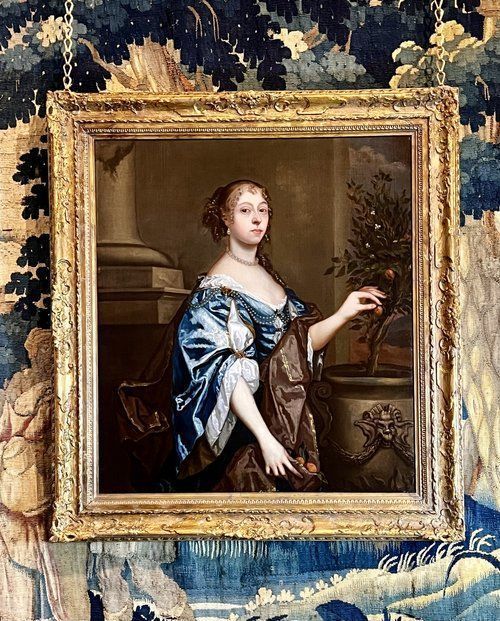
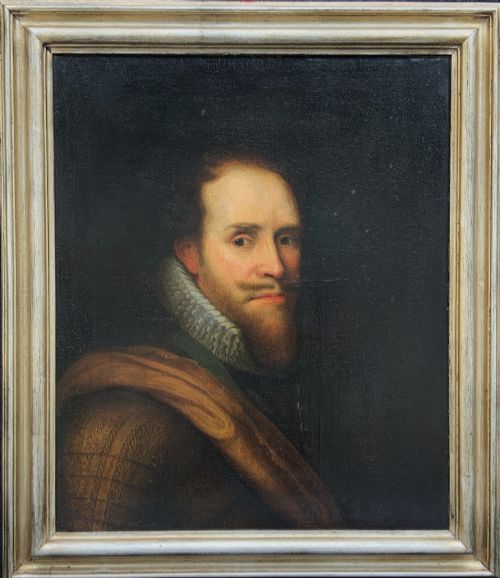
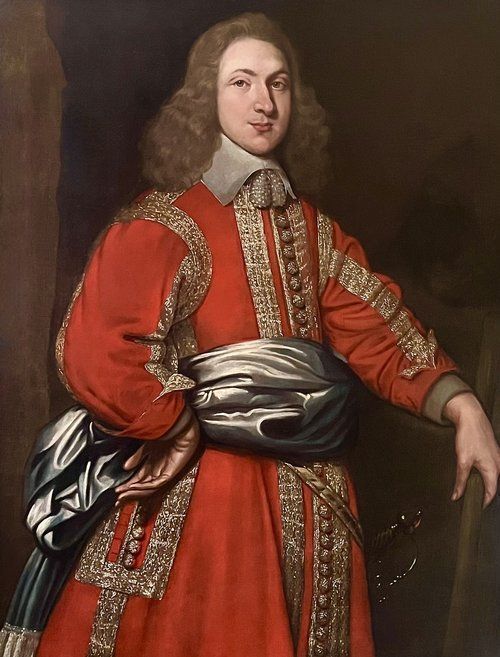
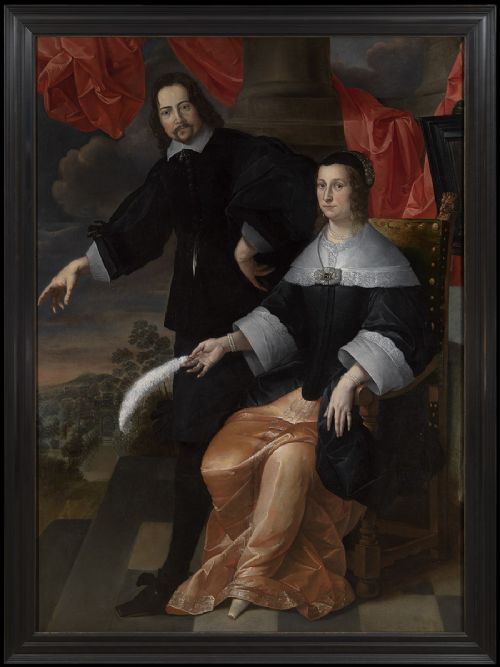
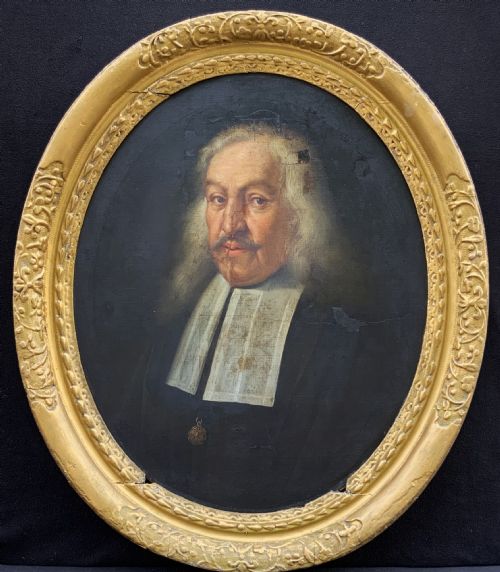
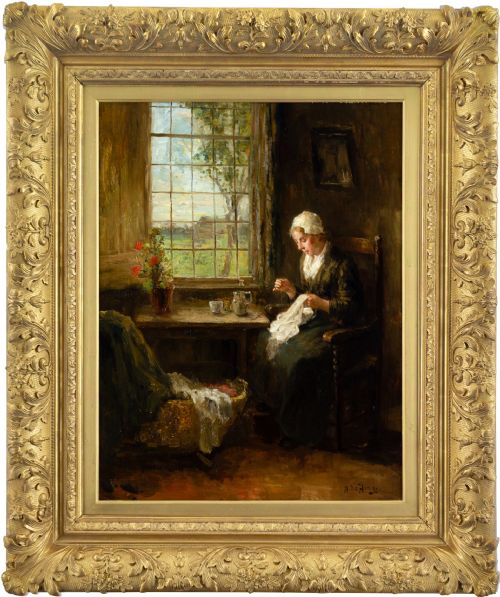
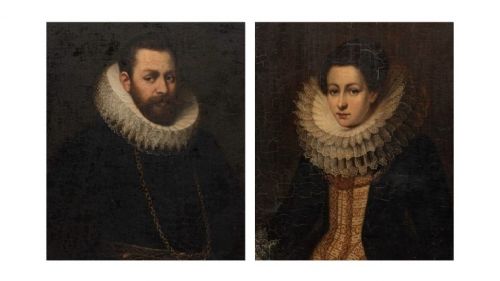
An antique dutch portrait canvas presents historical likenesses ranging from seventeenth-century Golden Age nobles to later nineteenth-century interpretations and regional genre studies. Buyers encounter formal half-length depictions of gentlemen in ruff collars alongside intimate studies of ladies and children.
The selections span seventeenth-century originals, eighteenth-century compositions, and later nineteenth-century revivals executed in recognisable northern European styles. Works often reflect the traditions of the Dutch School, Baroque portraiture, and subsequent realist movements.
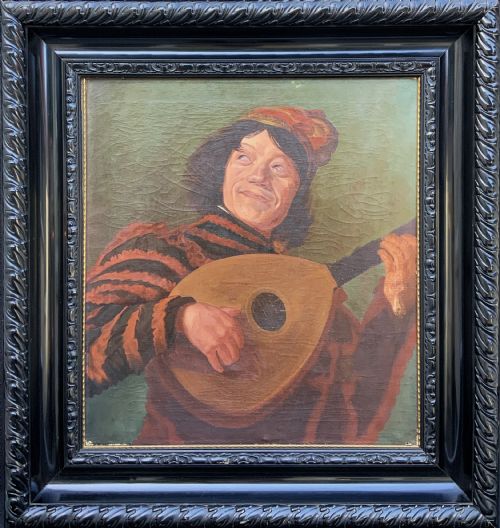
Formats vary from imposing grand-manner oils to smaller panels and canvases depicting merchants, military officers, and domestic figures. Many pieces connect directly to well-documented artistic circles or follow the established manner of prominent masters.
How they were made
Makers built these works using oil paint applied to woven canvas supports, often stretched over traditional wooden frames. Pigments were layered to create deep shadow and luminous fabric textures, supported occasionally by giltwood surrounds.
Artists utilised traditional glazing techniques to render complex textiles, lace ruffs, and flesh tones with meticulous precision. Historic gilt leaf frames frequently accompany the canvases, completing the construction of the period object.
Listings feature seventeenth-century oils on canvas alongside nineteenth-century realist interpretations.
What varies in quality
Quality rests in the handling of light, shadow, and facial expression, where skilled portraitists capture personality alongside social standing. Superior examples demonstrate confident brushwork in intricate details such as lace collars, drapery, and hands.
The integrity of the underlying canvas and the subtlety of the oil pigment layering determine the visual longevity of the work. Attribution to recognised circles or documented masters elevates the historical significance of the piece.
Constantyn Netscher·Pieter Borseler·Nicolaes Maes·David Teniers The Younger·Frans Hals
The Antique Dutch Portrait Canvas Glossary
- Oil on Canvas
- Pigment mixed with drying oil applied to a woven fabric support. This combination allowed artists to blend tones smoothly and build rich textures over centuries.
- Old Master
- A European artist of high skill working before the nineteenth century. These painters established the foundational compositional frameworks seen in regional portraiture.
- Dutch Golden Age
- A period in seventeenth-century art history marked by exceptional output in painting, trade, and cultural influence. Portraits from this era feature dramatic lighting and sharp realism.
- Ruff
- A prominent pleated fabric collar worn in the sixteenth and seventeenth centuries. Intricate rendering of these stiffened linen items often indicates the social status of the sitter.
- Giltwood
- Wood carved and covered with a thin layer of gold leaf. This material forms the ornate frames commonly associated with historic fine art.
Antique Dutch Portrait Canvas: Frequently Asked Questions
What is an old master portrait?
An old master portrait is a painting created by a skilled European artist before the nineteenth century. These works document historical figures, nobility, and merchants with distinct regional painting techniques.
Such pieces reflect the aesthetic priorities and studio practices of periods like the seventeenth-century Dutch Golden Age.
How do I identify seventeenth century works?
Seventeenth-century portraits typically feature dark backgrounds, dramatic lighting on the face, and period attire such as ruff collars or velvet coats. The construction involves traditional woven canvas and historical framing methods.
Examining the handling of the oil paint and the style of dress helps distinguish these early pieces from later nineteenth-century revivals.
Where should I hang a large oil painting?
Large oil paintings require stable wall spaces away from direct sunlight and excessive moisture fluctuations. Proper placement ensures the canvas and traditional wooden frames remain protected from environmental stress.
These imposing artworks serve as natural focal points in libraries, living rooms, and formal dining spaces.
What does attribution mean in a listing?
Attribution indicates that an artwork is ascribed to a specific artist or their immediate studio based on stylistic evidence. It links the visual characteristics of the canvas to documented works by that hand.
Listings often reference circles or followers when a painting shares the distinct manner of a master without carrying a direct signature.