

Framed Oil Portrait Pair
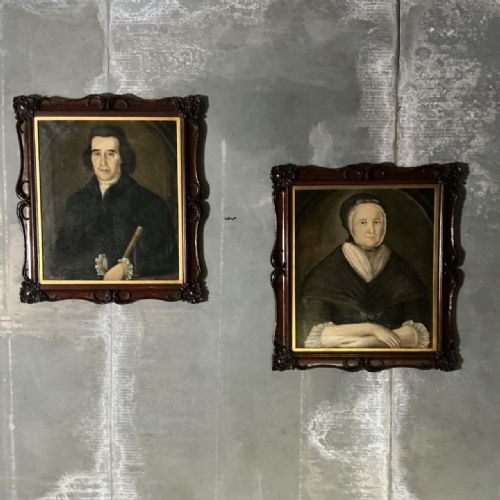
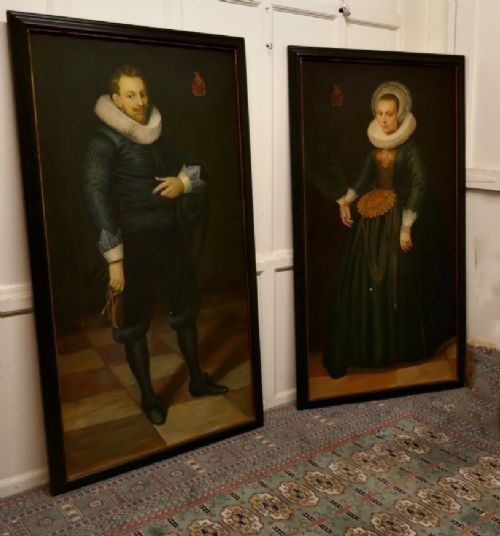
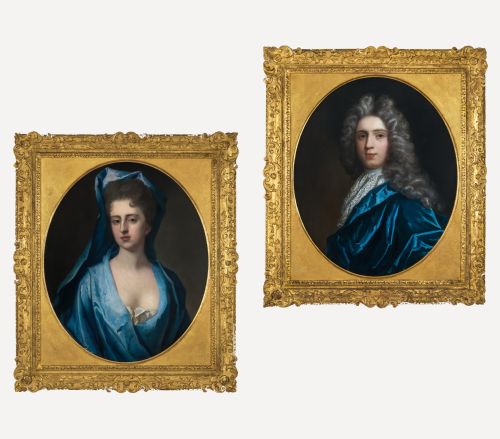
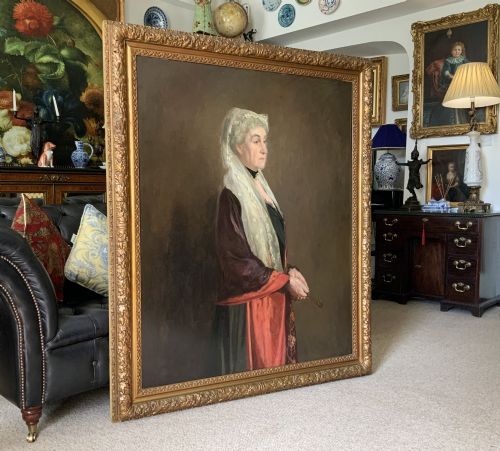
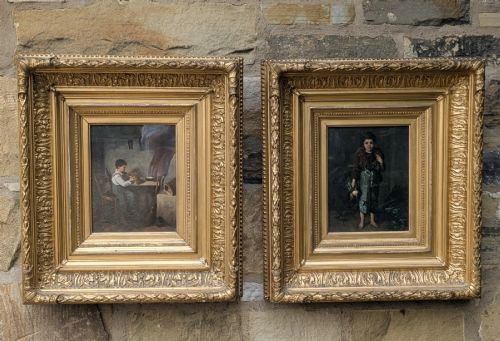
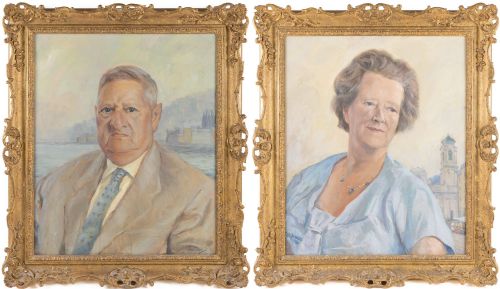
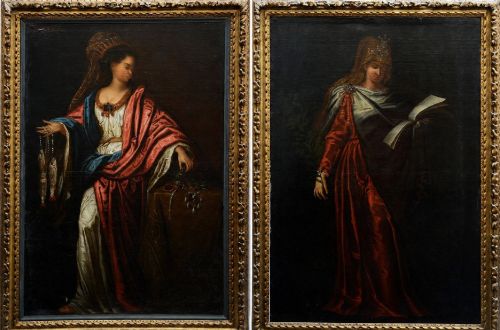
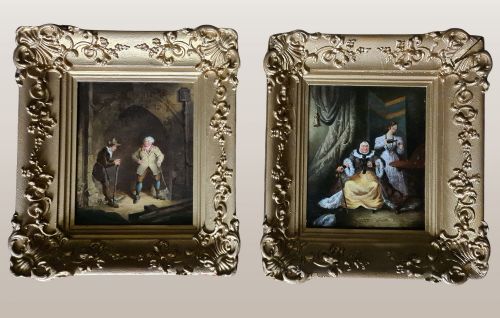
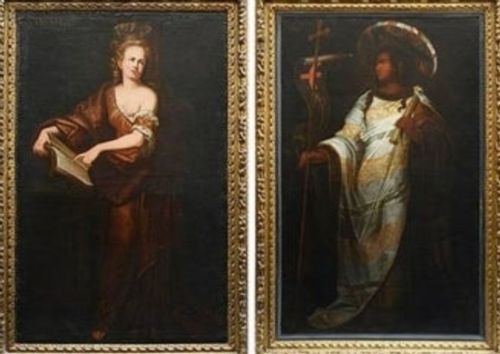
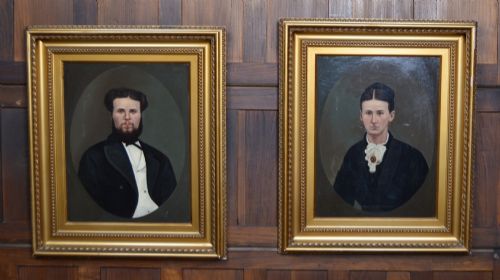
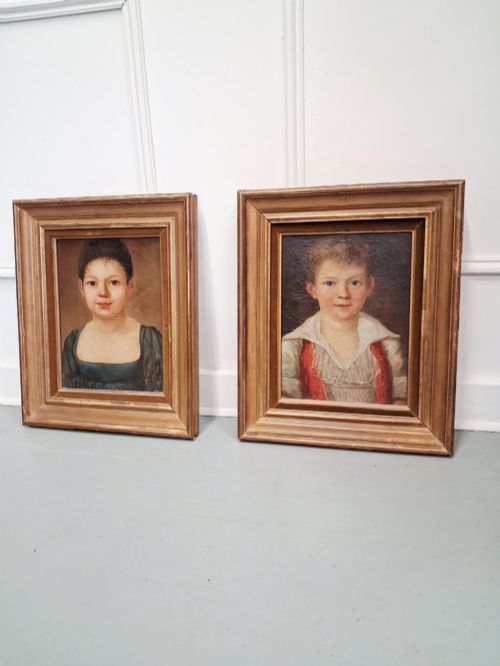
These framed oil portrait pair selections bring matching historical likenesses to a wall, offering balanced symmetry through paired canvases.
Framed Oil Portrait Pair
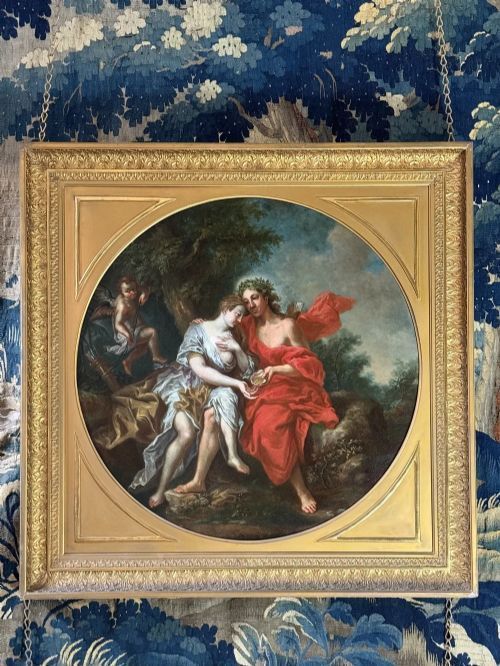
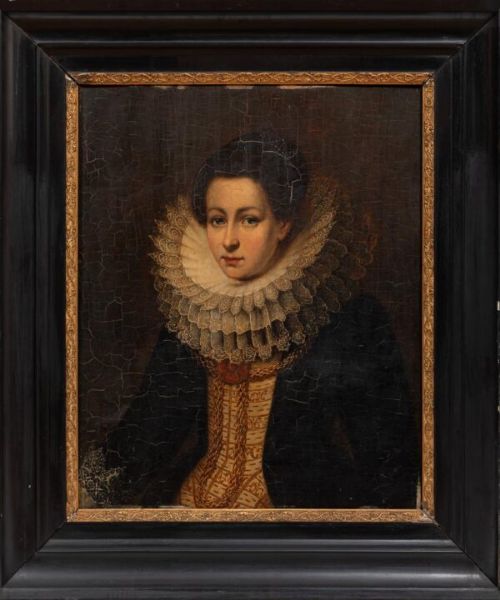
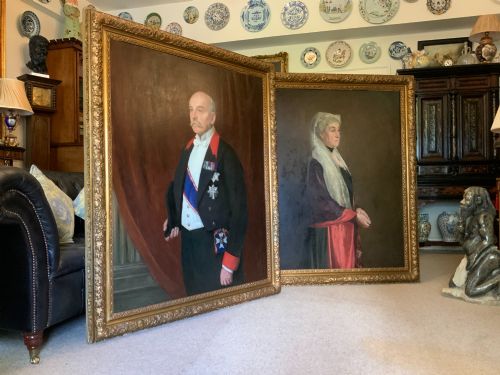
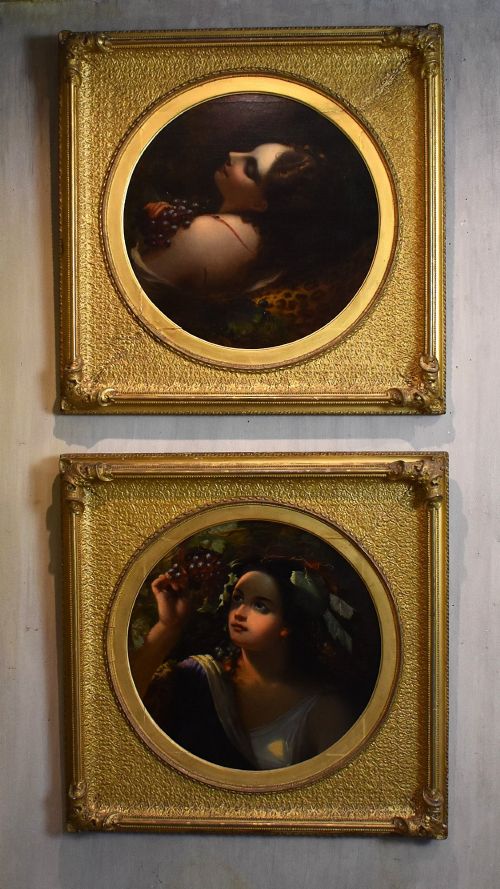
When searching for a framed oil portrait pair, a buyer encounters matching works executed in oil paint on canvas, board, or tin, frequently depicting gentlemen, ladies, children, or animal subjects. These matched sets span multiple eras, including the seventeenth, eighteenth, and nineteenth centuries, alongside Edwardian and Regency periods.
The versions met most often on this page date from the nineteenth century, reflecting British, Dutch, and Italian schools. Many subjects appear in original frames constructed from wood with gesso and gilt decoration.
Companionship defines these pairings, which were originally painted to hang together as matching records of spouses, family members, or artistic compositions. The surviving examples maintain their original visual dialogue across the span of the frames.
Materials and Techniques
Artists applied oil paint using brushes upon prepared surfaces such as canvas, wood panel, vinyl canvas, tin, and tinplate, building depth through layered pigments. These supports provide the rigid or flexible foundation necessary to hold centuries of dried oil media.
Surrounding the paintings, makers constructed frames using wood finished with gesso layers and giltwood detailing, occasionally creating swept or deeply moulded profiles. These frames protect the perimeters of the canvases while defining the boundary between the artwork and the wall.
Quality and Execution
Originality of the surrounding frames contributes significantly to the integrity of the pairing, particularly where period giltwood or gesso mouldings match the age of the canvases. Retaining the authentic pairing without subsequent alterations elevates the historical standing of the set.
Michael Dahl·Thomas Murray·Theodore Jensen·Hermann Armin Kern·Nicolaes Maes·Eva Hollyer·John Mc Ghie
The Framed Oil Portrait Pair Glossary
- Oil on Canvas
- Pigments suspended in a drying oil medium applied to a stretched woven fabric support. This technique allowed artists to blend tones smoothly and achieve rich luminosity.
- Giltwood
- Wood carved and coated with a thin layer of gold leaf or metallic powder over a prepared surface. It provides the reflective, ornate border characteristic of period frames.
- Gesso
- A paint mixture consisting of a neutral binder mixed with chalk, gypsum, or pigment. It forms the smooth, sculptable white base applied to wooden frames before gilding.
- Regency
- A British historical period spanning the early nineteenth century noted for neoclassical elegance in furniture and framing. Portraits from this era often feature restrained, harmonious proportions.
- Dutch Golden Age
- A period of seventeenth-century Dutch art marked by naturalistic portraiture and detailed domestic realism. Works from this tradition frequently highlight intricate costume elements such as ruff collars.
Framed Oil Portrait Pair: Frequently Asked Questions
How should I hang a framed oil portrait pair?
Hang the two pieces at eye level with adequate spacing to allow each canvas room to breathe. Aligning the vertical centres ensures the matching composition maintains visual balance on the wall.
Keep them away from direct sunlight and steady moisture sources to protect both the oil pigments and the wooden gilt frames from gradual deterioration.
Were these pairs always painted together?
Most pairs were commissioned simultaneously by the same patron to record spouses, family members, or complementary subjects like allegorical figures. Artists painted them using matching palettes and identical canvas sizes to ensure visual harmony.
Over the centuries, some matching sets became separated, though many survived intact due to their shared provenance within estates.
How do I identify the period of the frame?
Examine the construction methods visible on the reverse of the frame, including corner joins, timber types, and the composition of the gesso layer. Period frames utilise hand-carved wood and traditional gilding techniques that match the age of the canvas.
Swpt frames or heavy giltwood moulding styles often correspond directly to Victorian, Regency, or eighteenth-century manufacturing traditions.
What is the difference between canvas and panel supports?
Canvas supports consist of woven fabric stretched over a wooden frame, offering slight flexibility and a characteristic textured surface beneath the paint layer. Panel supports utilise rigid wood or metal sheets like tinplate, providing a completely smooth working ground.
Both materials were utilised across different centuries depending on regional preference and the artist's specific requirements.