


Oil Painting Walnut Frame
These oil painting walnut frame pieces bring together canvas and wood from the seventeenth century to the twentieth.
Oil Painting Walnut Frame
When you search for oil painting walnut frame, you encounter a mix of oil paintings housed in timber surrounds and wall mirrors incorporating walnut and gilt elements. The selection spans the seventeenth century, the eighteenth century, the nineteenth century, and the twentieth century, including Edwardian and Regency examples.
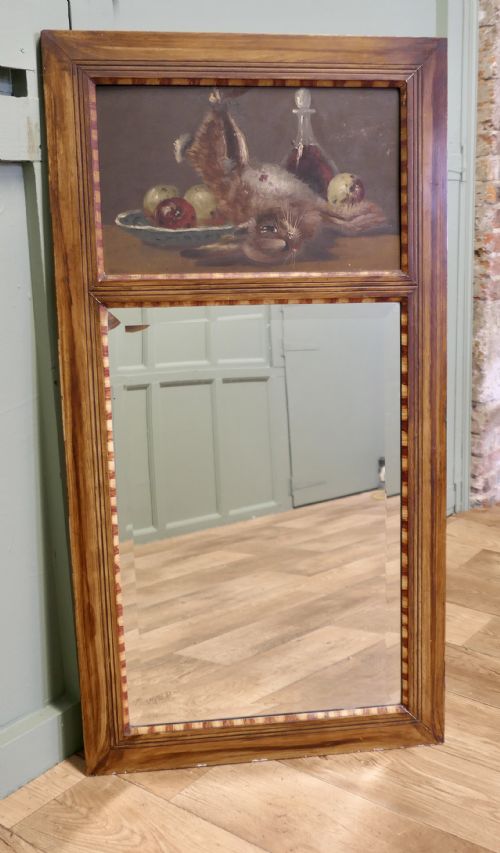
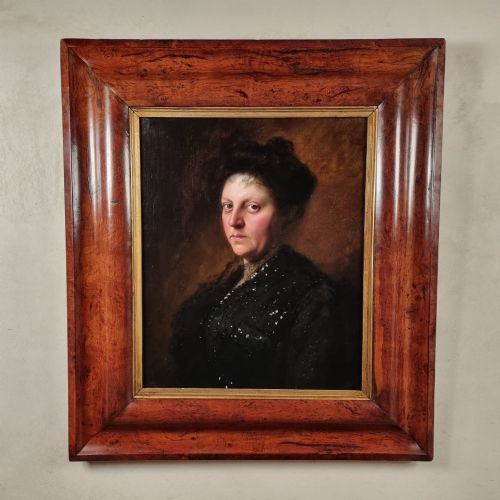
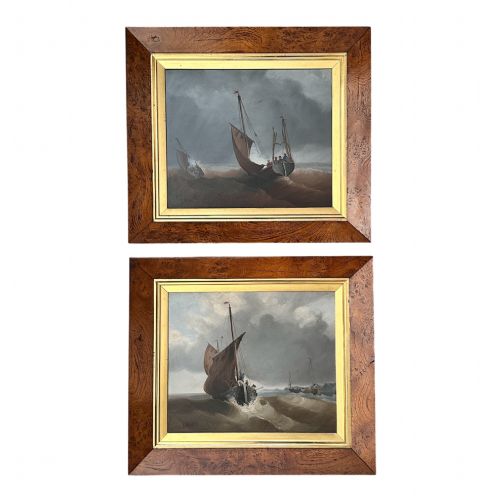
The objects take the form of wall mirrors, portraits, seascapes, still lifes, and landscapes. French country trumeau pier mirrors and Queen Anne revival wall mirrors appear alongside works by named artists such as Carl Whitfield and John Moore of Ipswich.
You meet both original artworks paired with period surrounds and mirrors where the walnut frame forms the primary visual statement. The variety ranges from Dutch golden age canvases to twentieth century animal studies.
Materials and construction methods
The makers utilised oil paint on canvas and panel, mounting the works within solid wood or burr walnut veneer surrounds. Gilt wood and painted highlights often accent the timber moulding to create depth and contrast.
Surrounds incorporate glass for mirror plates alongside traditional joinery techniques suited to walnut and pine carcases. Gilding and hand-painted details complete the surface treatment on both frames and mirror plates.
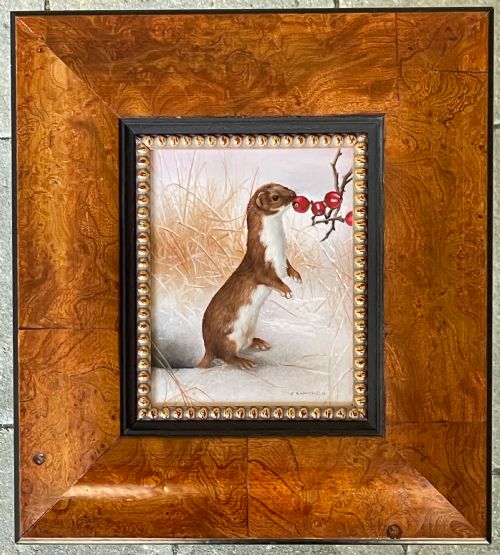
One persistent weasel captured in oil paint shares the database with towering French pier mirrors and quiet coastal shipping.
Judging the range
Quality rests in the crispness of the timber grain, particularly where burr walnut veneer or carved gilt wood is employed. Finer pieces display careful proportion between the artwork or mirror plate and the surrounding moulding.
The depth of the oil paint layers and the preservation of the original surface finish distinguish standard decorative items from works of higher artistic and cabinet-making skill.
Carl Whitfield·John Moore of Ipswich·E. Cremer
The Oil Painting Walnut Frame Glossary
- Trumeau
- A decorative wall mirror or panel featuring a painted or framed scene above the glass. These tall vertical pieces often hung between windows in period rooms.
- Burr walnut veneer
- A thin slice of figured walnut timber taken from a growth on the tree, showing intricate swirling patterns. Cabinet makers applied this to display rich grain across flat surfaces.
- Gilt wood
- Carved timber coated with gold leaf or metallic powder. It provides reflective contrast to dark walnut and oil paint.
- Dutch Golden Age
- A period of Netherlandish art spanning the seventeenth century noted for detailed realism in portraiture and still life. Canvases from this era demonstrate precise brushwork.
- Regency
- An English design period spanning the early nineteenth century characterised by classical restraint and refined proportions. Pieces from this era often feature clean architectural lines.
Oil Painting Walnut Frame: Frequently Asked Questions
What periods do these pieces cover?
The items span from the seventeenth century through to the mid-twentieth century. You find seventeenth-century Dutch works alongside Regency, Victorian, Edwardian, and 1960 pieces.
Each era brings distinct framing styles and painting techniques, reflecting the changing interior tastes of those periods.
How do I identify burr walnut?
Burr walnut displays a swirling, knotty grain pattern caused by tree growth aberrations. It appears as a decorative veneer across frames and mirror borders.
This timber differs from straight-grained walnut through its intense figure and rich tonal variation.
Are the frames original to the paintings?
Some pieces pair period oil paintings with contemporary or later surrounds, while others maintain their initial pairing. Wall mirrors integrate the timber frame as the core structural and decorative element.
Examining the rebate and joinery helps determine the relationship between the canvas or glass and the outer wood.
Where should I hang a walnut framed mirror?
These mirrors suit principal reception rooms, hallways, or above mantelpieces where natural light can catch the wood grain and gilt accents. Tall trumeau mirrors work well on expansive wall spaces.
Ensure wall fixings match the weight of the timber and glass construction.