




Antique Dutch Delft
These antique dutch delft pieces bring hand-painted tin-glazed earthenware into your home, offering centuries of cobalt blue artistry.
Antique Dutch Delft
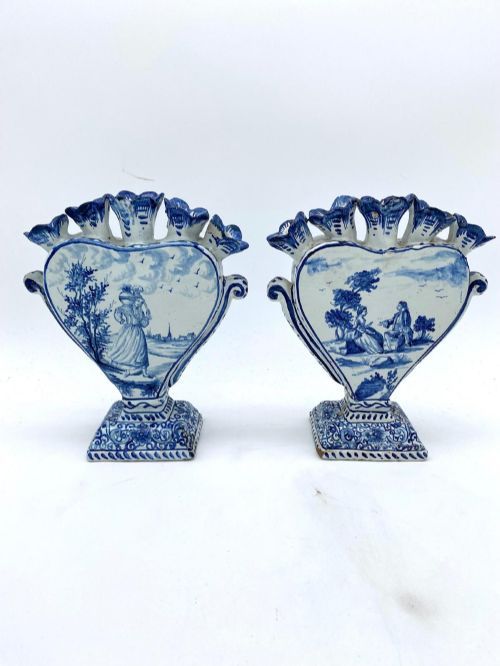
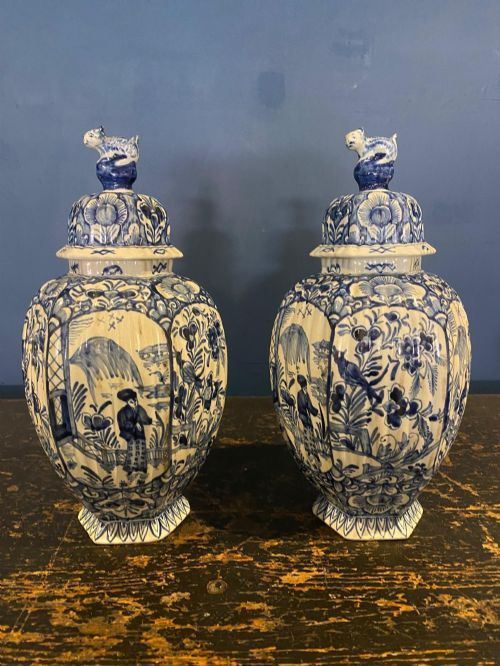
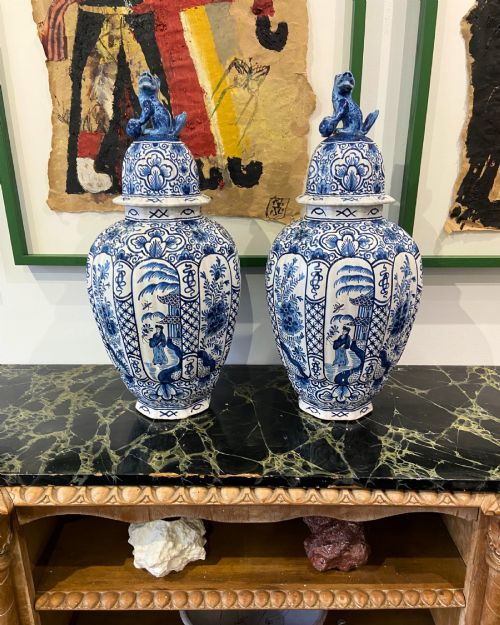
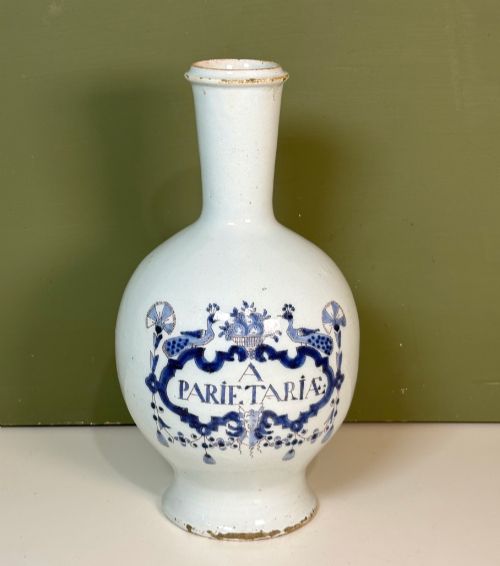
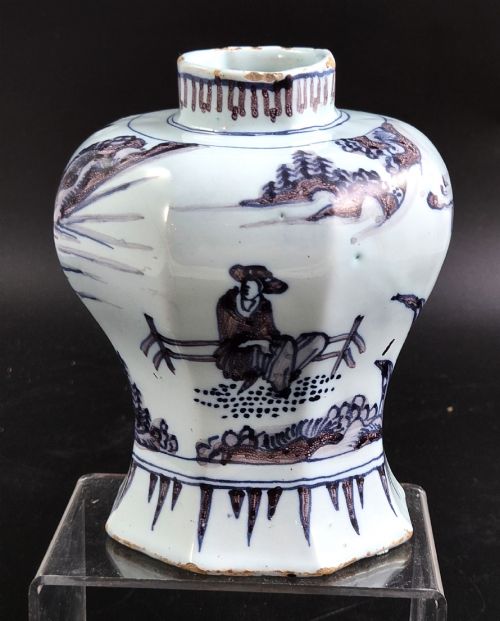
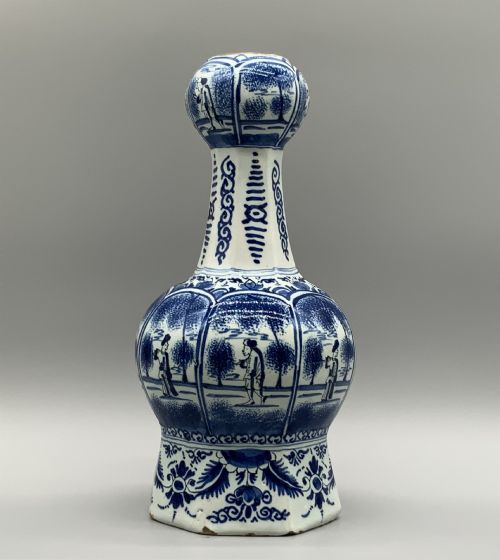
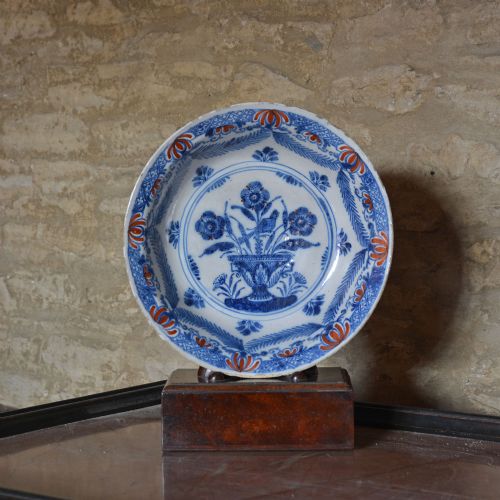
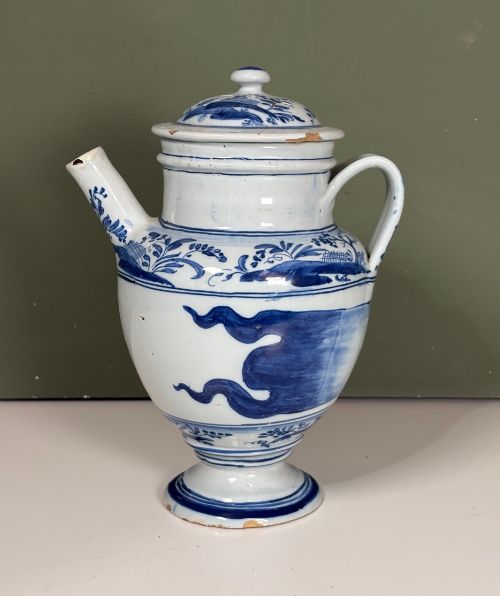
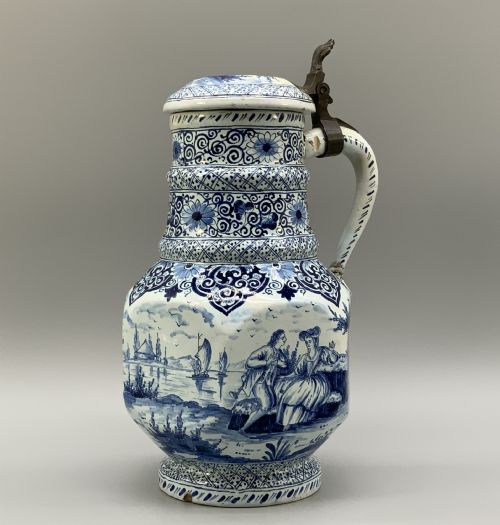
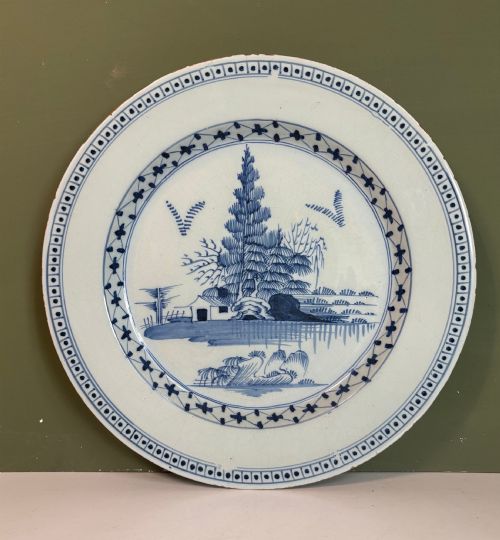
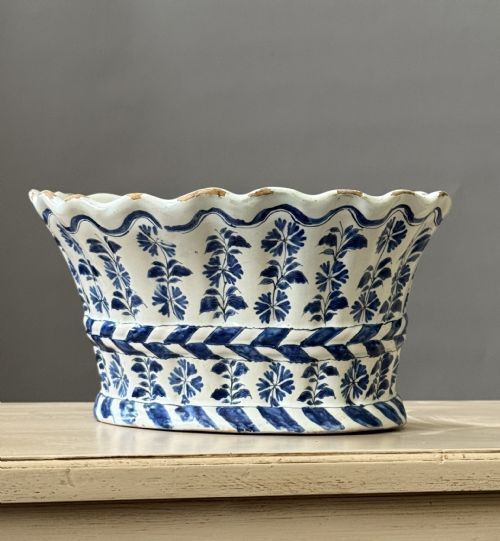
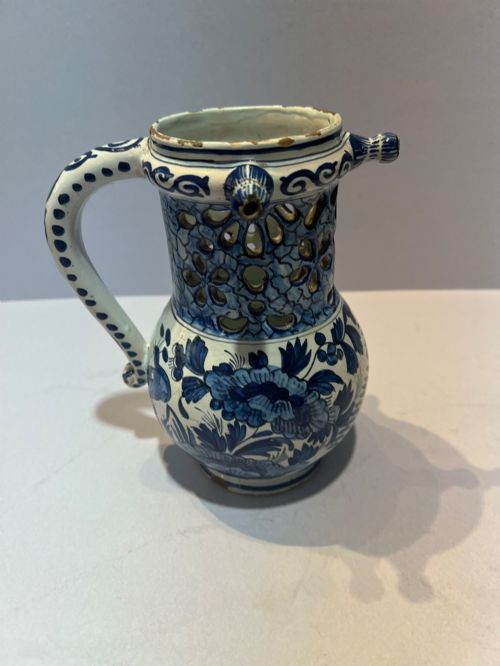
When you search for antique dutch delft, you encounter tin-glazed earthenware vessels, chargers, and tiles spanning from the seventeenth century through to the early twentieth century. The selections on this page range from robust seventeenth-century chargers and apothecary jars to eighteenth-century baluster vases, bough pots, and manganese dishes.
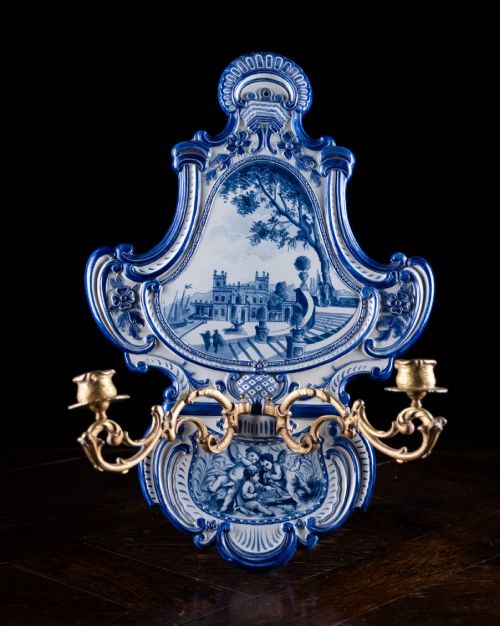
Buyers frequently find domestic forms such as lidded jugs, posset pots, barber bowls, and whimsical animal figures including pottery cows and monkey Toby jugs. The inventory also includes later nineteenth-century table lamps and wall sconces, alongside occasional polychrome and Art Nouveau coloured night lights.
How They Were Made
Potters shaped earthenware bodies and coated them in an opaque tin glaze that provided a smooth, white canvas for painting. Cobalt pigment and manganese oxide were applied by hand to the raw glaze before firing, capturing deep blues and purples in the absorbent surface.
Many items display complex chinoiserie motifs, floral patterns, or figurative scenes influenced by imported Asian porcelain. Some utilitarian forms received pewter mounts, while larger garden urns and lidded vessels required careful assembly of thrown and modelled components.
Antique Dutch Delft Retail Price Guide 2026
Typical asking prices for dutch delft among the pieces listed under this phrase on Sellingantiques today, from the lower quarter to the upper quarter. They describe what is for sale here now, not the wider market.
The inventory records both traditional cobalt blue decoration and manganese oxide palettes across diverse objects like apothecary jars, tiles, and posset pots.
What Varies in Quality
The refinement of the hand-painted brushwork dictates visual success, distinguishing brisk, confident botanical and figurative details from heavy or hesitant strokes. Early pieces often show greater thinness and translucency in the tin glaze, whereas later production can present heavier ceramic bodies.
Completeness and original pairing significantly elevate examples, particularly for matched sets of vases, chargers with intact lids, or specialised vessels like puzzle jugs and posset pots retaining their original components.
Pieter Verburg·Villeroy and Boch
The Antique Dutch Delft Glossary
- Tin-Glazed Earthenware
- A porous clay body covered with a white glaze containing tin oxide to achieve opacity. This technique forms the foundation of all authentic Delftware production.
- Charger
- A large, decorative ceramic plate designed primarily for display on walls or sideboards rather than dining use. Seventeenth and eighteenth-century examples often feature elaborate cobalt scenes.
- Chinoiserie
- European artistic interpretations of Chinese and East Asian decorative motifs. These designs appear frequently on seventeenth and eighteenth-century blue and white Delft vases and dishes.
- Manganese
- A metallic oxide pigment used to produce rich purple, brown, or plum-coloured tones instead of traditional cobalt blue. It defines distinct nineteenth-century tiles and vessels.
- Baluster
- A vase form characterised by a rounded body that tapers toward the neck and base. This classic shape supports intricate panels of floral and figurative painting.
- Apothecary Jar
- A specialised ceramic container utilised by pharmacies for storing dried herbs, ointments, and medicinal ingredients. These pieces often bear Latin inscriptions within decorative cartouches.
Antique Dutch Delft: Frequently Asked Questions
How do I clean antique delft?
Dust these tin-glazed surfaces gently with a dry, soft cloth to protect the historic glaze from moisture penetration. Avoid submerging older earthenware in water, as old body fractures or glaze crazing can absorb liquid.
Keep pieces away from direct sunlight and sudden temperature shifts to preserve the stability of the ceramic body and painted pigments over time.
Are these pieces safe for food?
Most antique dutch delft items are intended purely for decorative display or collections rather than modern culinary use. Historic glazes can be porous and may contain trace materials unsuited for modern food contact.
Enjoy chargers, bowls, and plates as cabinet or wall display items to protect their fragile tin-glazed surfaces from everyday wear.
How do I date a delft piece?
Examine the weight of the ceramic body, the tone of the tin glaze, and the style of the hand-painted motifs. Seventeenth-century examples often show thinner throwing and distinct cobalt shades, while nineteenth-century items introduce alternative forms like table lamps and moulded figures.
Look at the base for unglazed areas, foot rim characteristics, and any historical markings or labels that correspond to known manufacturing periods.
What is the difference between delft and porcelain?
Delft is constructed from a buff or reddish earthenware clay covered in an opaque tin-glaze, whereas true porcelain utilises hard-paste or soft-paste materials that fire to a vitreous, non-porous white state. Tin-glazed earthenware has a softer appearance and a thicker cross-section compared to imported Asian or European porcelain.
Potters developed Delftware as a European alternative to expensive imported porcelain, adapting local earthenware techniques to mimic Eastern aesthetics.