





Antique Drop End Sofa
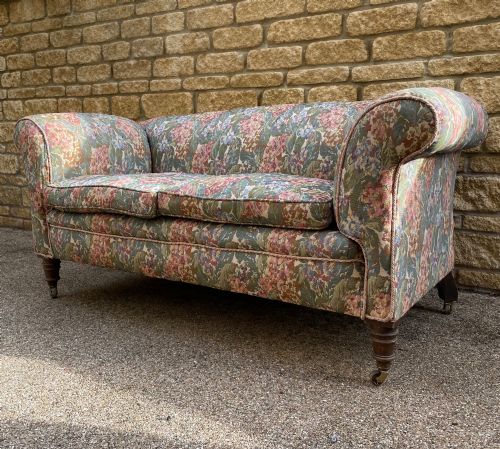
An antique drop end sofa brings adjustable comfort and compact elegance to a room, offering adaptable seating with folding arms.
Antique Drop End Sofa
An antique drop end sofa is a seating piece featuring hinged arms that lower to form a daybed or day lounge, frequently upholstered and seen from the Victorian and Edwardian periods.
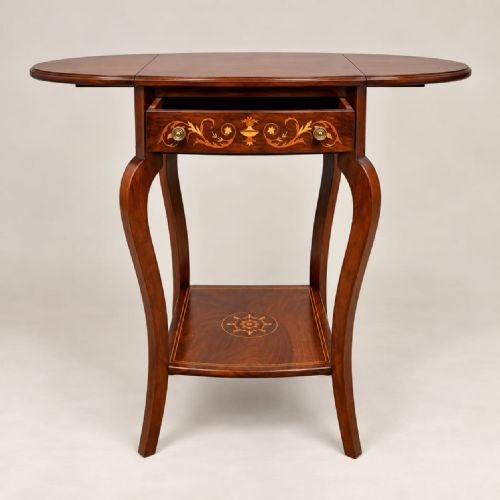
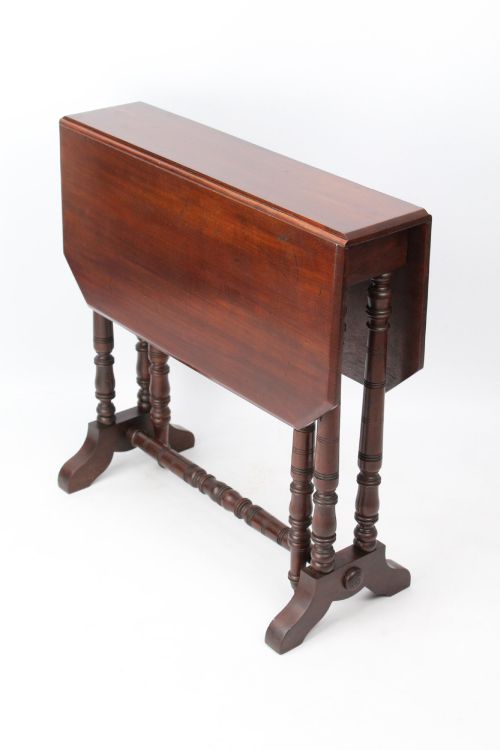
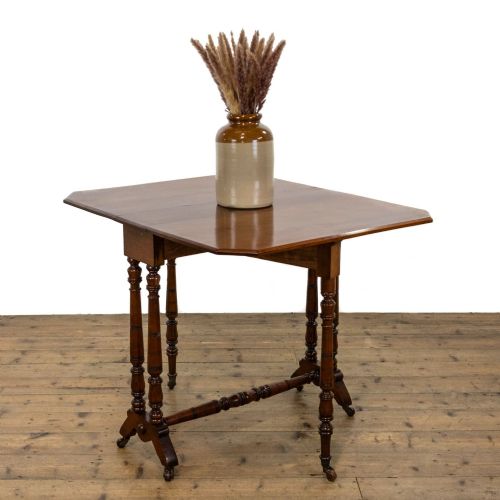
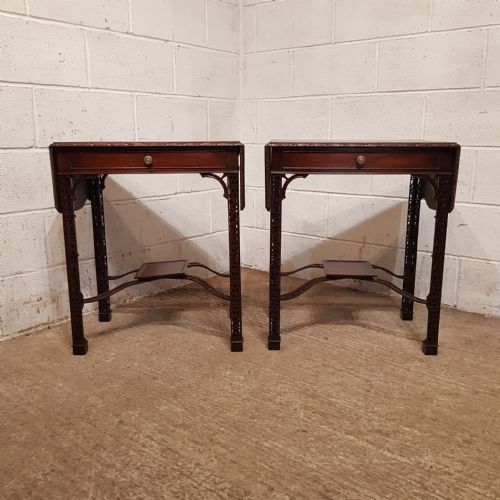
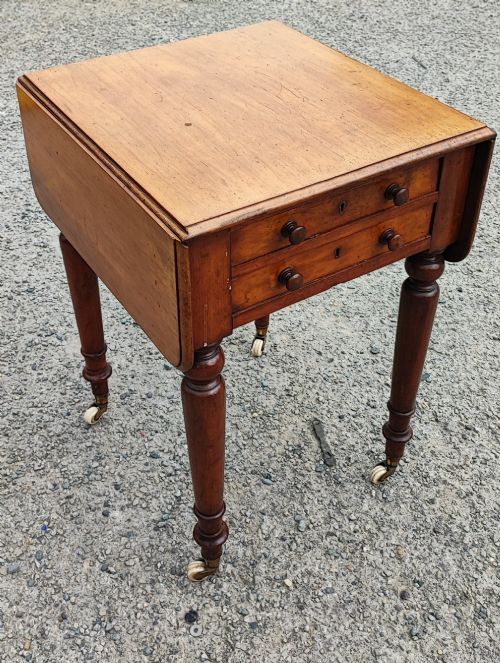
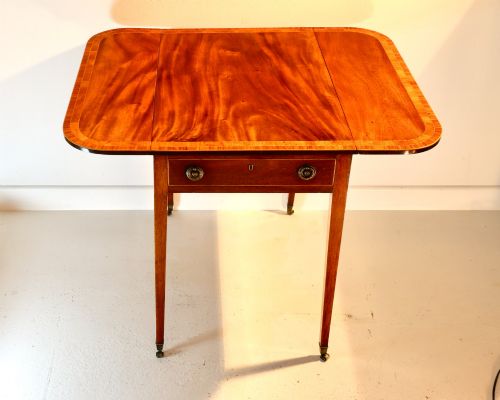
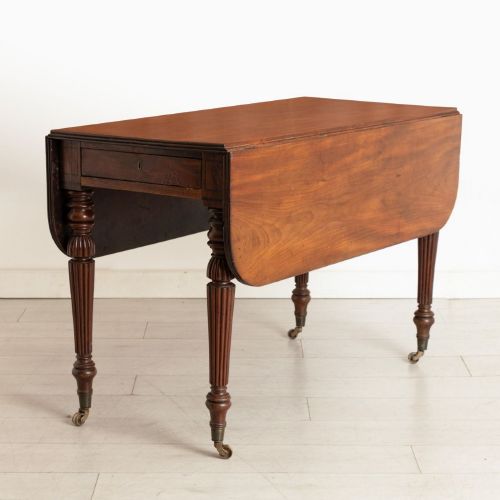
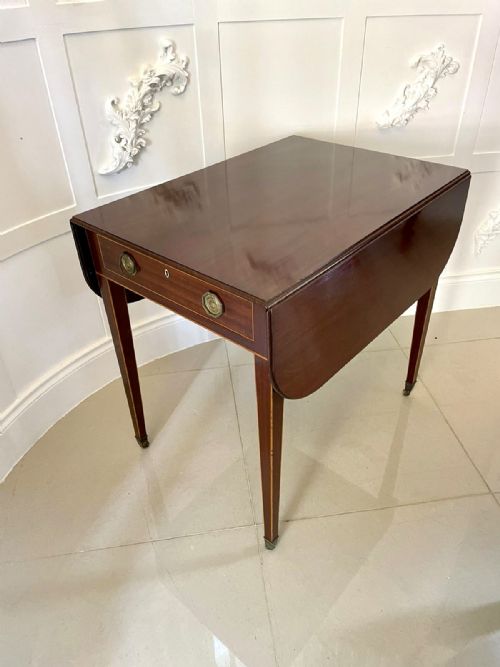
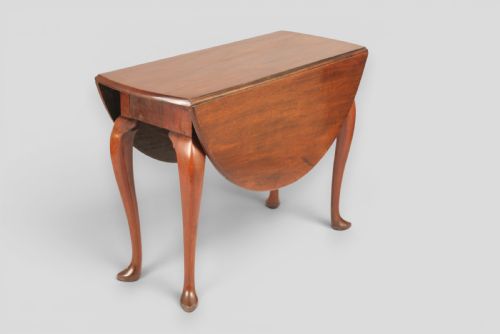
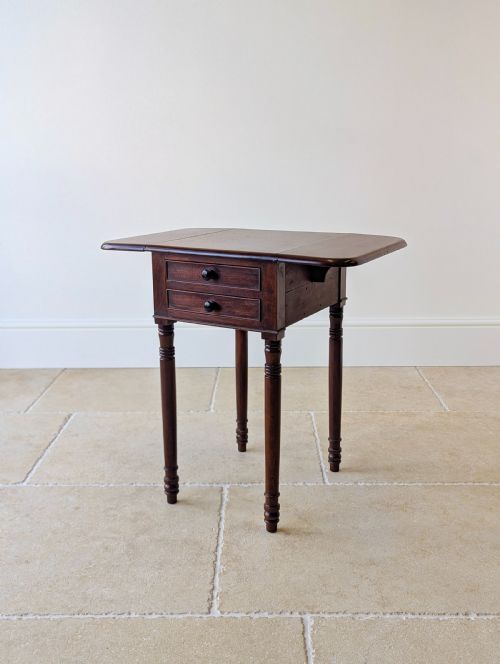
Buyers searching for an antique drop end sofa will also encounter related drop-leaf and drop-flap tables in mahogany and rosewood across Georgian, Regency, and Victorian eras.
The selections span two and three-seater settees alongside functional work tables and occasional pieces designed with folding leaves or drop-down mechanisms.
What varies in quality
The distinction between standard items and superior examples lies in the selection of figured timber veneers, the refinement of the brass castors, and the crispness of any inlaid decoration.
Construction integrity determines lasting value, visible in the tight joinery of the frame and the smooth mechanical action of the folding arms or drop leaves.
Listings feature woods including mahogany, rosewood, walnut, and satinwood alongside brass hardware.
Gillow
The Antique Drop End Sofa Glossary
- Drop end
- A sofa arm fitted with a mechanical hinge that lowers flat to extend the seating length. This mechanism transforms the settee into a compact daybed.
- Pembroke table
- A small occasional table with hinged drop leaves on two opposing sides. It often includes one or more small drawers.
- Sofa table
- A rectangular occasional table traditionally placed in front of a sofa, featuring drop leaves on either end and pedestal or leg supports.
- Sutherland table
- A narrow table with exceptionally wide drop leaves supported by swinging gate legs. It folds down to a very slim profile for storage.
Antique Drop End Sofa: Frequently Asked Questions
How do drop end mechanisms work?
The mechanical arms operate via internal metal ratchets or hinges that release when lifted slightly. This allows the user to lower the arm flat to the seat level.
Once lowered, the arm creates an extended surface suitable for resting or reclining. Lifting the arm again engages the locking mechanism to hold it upright.
Where should I place a drop end sofa?
These settees suit smaller sitting rooms or studies where space is at a premium and flexibility is required. Placing them away from direct heat sources protects the timber and upholstery.
Allowing clearance on at least one side ensures the drop end mechanism functions without obstruction.
How do I distinguish Regency from Victorian examples?
Regency pieces often display classical restraint with rosewood veneers, brass inlay, and lyre-shaped supports. They date from the early nineteenth century.
Victorian items tend towards heavier proportions, walnut or mahogany construction, and more elaborate turned legs such as bobbin turnings.
Can these sofas be reupholstered?
Many vintage and antique settees require new fabric and traditional webbing to restore their comfort and appearance. Professional upholsterers can strip the piece down to the frame.
Reupholstery preserves the structural integrity of the timber while allowing modern fabric choices that suit contemporary interiors.