

Antique Drinks Cabinet Wood
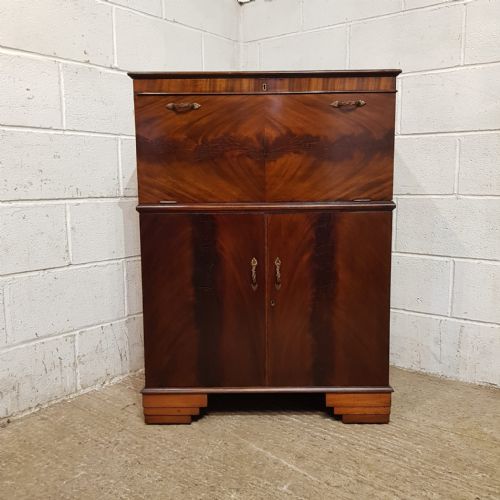
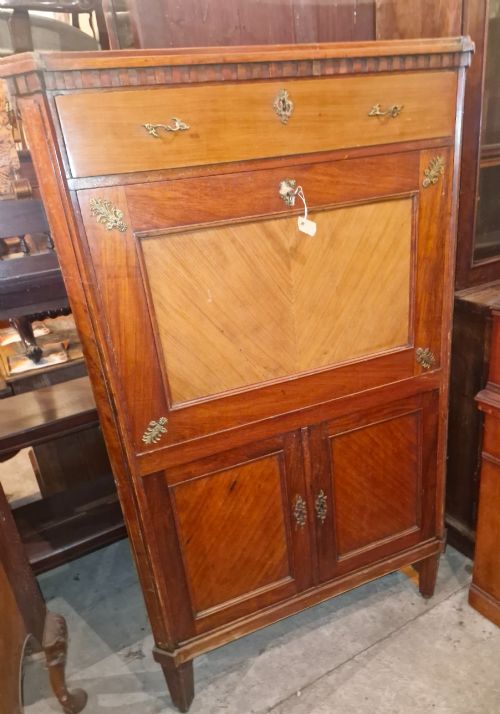
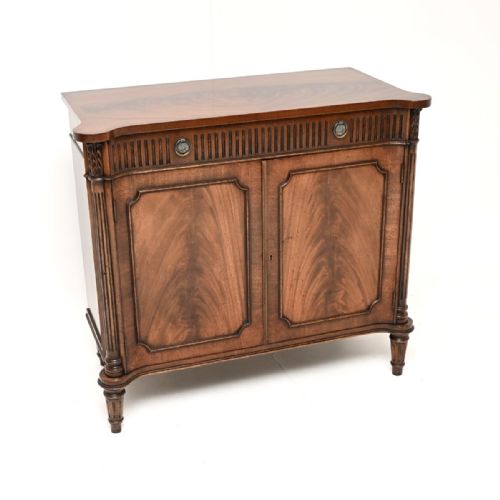
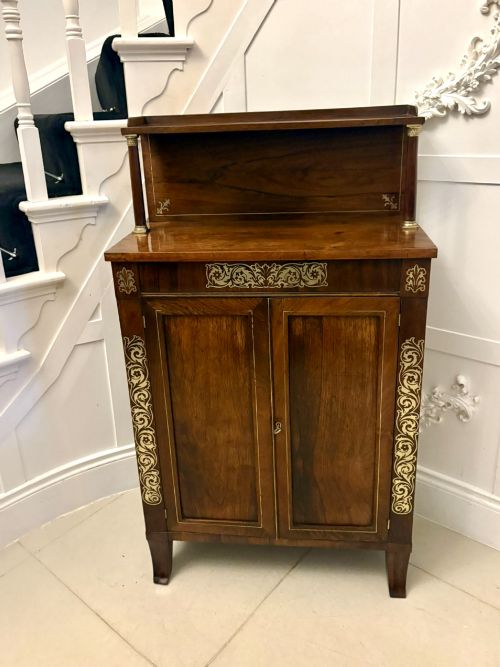
An antique drinks cabinet wood piece brings period charm to entertaining, housing bottles and glassware in timber ranging from burr walnut to mahogany.
Antique Drinks Cabinet Wood
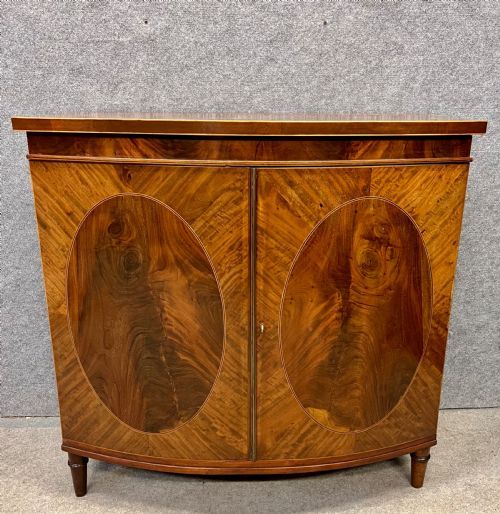
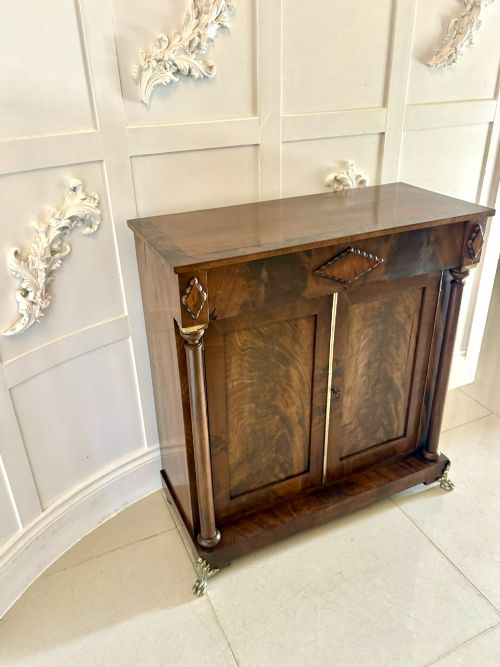
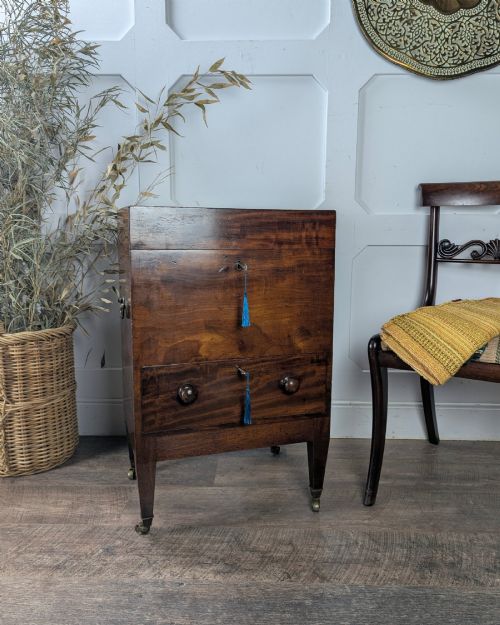
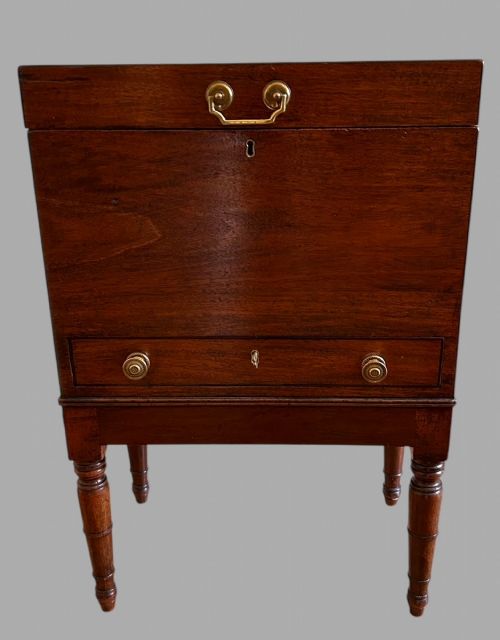
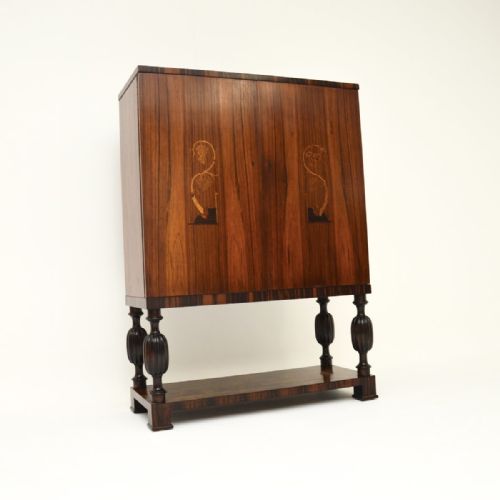
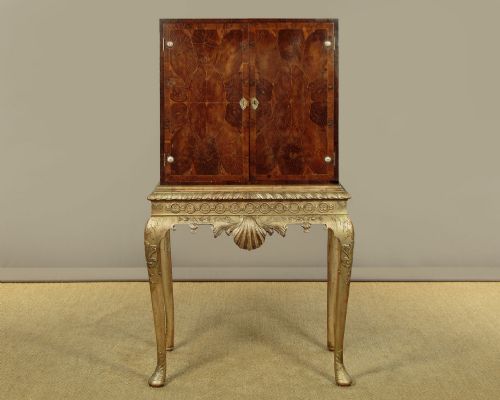
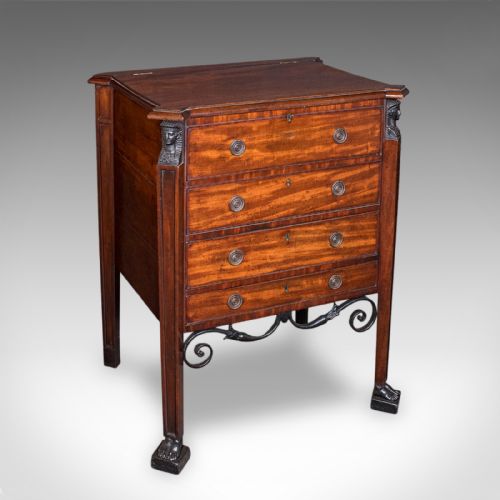
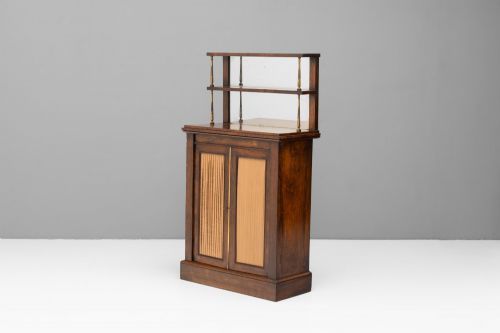
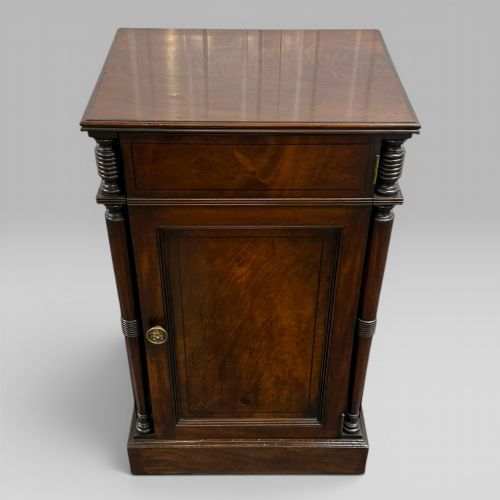
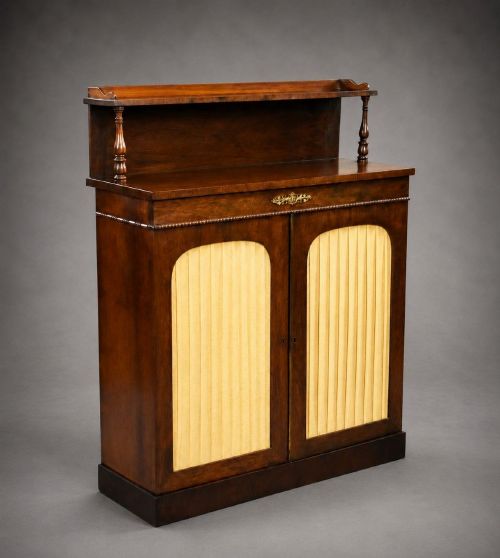
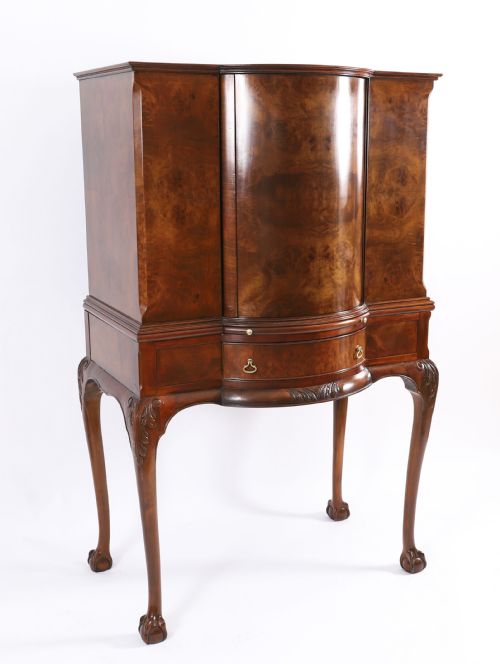
An antique drinks cabinet wood selection encompasses dedicated cocktail cabinets, cellarettes, chiffoniers, and side cabinets built across the nineteenth and twentieth centuries. Buyers seeking an antique drinks cabinet wood item will encounter Georgian wine coolers, Victorian chiffoniers, Edwardian sideboards, and Art Deco burr walnut cocktail units.
The material palette spans rich mahogany, figured walnut, rosewood, oak, and satinwood, often enhanced with brass hardware, glass panels, and fabric linings. Pieces originate from English, French, and colonial workshops, demonstrating diverse regional aesthetics from Regency formality to Chinoiserie lacquering.
Materials and construction
Cabinetmakers utilised solid timbers alongside decorative veneers such as burr walnut, flame mahogany, and bird's-eye maple applied to sturdy carcases of oak or pine. Grain selection dictated the visual impact of the exterior surfaces, while internal fittings relied on precise joinery to house bottles and glassware securely.
Brass mounts, hinges, and locks provided structural reinforcement and decorative contrast, complemented in later twentieth-century examples by specialised electric lighting and fitted mirrored interiors. Hand-carved details, marquetry panels, and inlaid banding demonstrate traditional workshop techniques passed down through generations.
Formations range from Georgian cellarettes and Victorian chiffoniers to 1930s cocktail cabinets on stands.
Craftsmanship and distinction
The upper tier of pieces exhibits exceptional timber figure, symmetrical veneer matching, and intricate internal mirror or glass work designed for effortless entertaining. Master cabinetmakers balanced architectural proportion with functional storage, ensuring doors align precisely and internal pull-out trays operate smoothly.
Subtleties in carved decoration, the integration of original brass castors and handles, and documented workshop attribution separate standard production items from exceptional commissions. Structural integrity of the timber carcase and the preservation of original polished surfaces govern the standing of each piece.
Gillows·Harry and Lou Epstein·Maurice Adams·Holland and Sons
The Antique Drinks Cabinet Wood Glossary
- Cellarette
- A lockable container or cabinet designed for storing bottles of wine and spirits, frequently raised on legs or fitted with a metal liner.
- Chiffonier
- A compact sideboard or low cabinet featuring a combination of drawers and enclosed shelving, popular throughout the nineteenth century.
- Veneer
- A thin layer of highly figured timber applied over a secondary wood carcase to create decorative surfaces without excessive weight.
- Tantalus
- A locking wooden stand holding decanters securely visible while preventing unauthorized access to the contents.
- Marquetry
- The art of applying pieces of veneer to a structure to form decorative patterns and pictorial designs.
Antique Drinks Cabinet Wood: Frequently Asked Questions
How do I use a cocktail cabinet?
These pieces serve as functional home bars, equipped with drop-down writing surfaces or mirrored serving ledges for mixing drinks.
Interior compartments organise bottles, glassware, and cocktail accessories within traditional wooden cabinetry.
Where were these cabinets placed?
Dining rooms, drawing rooms, and dedicated entertaining spaces housed these storage pieces during the Victorian and Art Deco periods.
Smaller models on stands suited compact drawing rooms, while substantial chiffoniers anchored larger dining spaces.
How do I care for wood surfaces?
Maintain timber finishes by avoiding direct sunlight and maintaining stable indoor humidity levels to protect delicate veneers.
Apply traditional wax polishes sparingly to nourish mahogany, walnut, and rosewood without building up surface residue.
How do I date a cabinet?
Examine construction methods, hardware styles, and timber choices to distinguish Georgian proportions from Edwardian or Art Deco designs.
Detailed marquetry, brass mounts, and specific stylistic traits such as Egyptian revival or Chinoiserie provide clues to the era of manufacture.