
Antique Drinking Stemware
Antique drinking stemware brings centuries of refined toast-raising to the table, offering tactile glass forms that collectors prize for their twists, stems, and engraving.
Antique Drinking Stemware
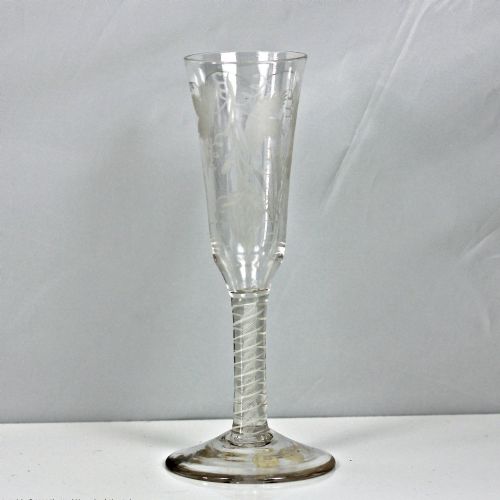
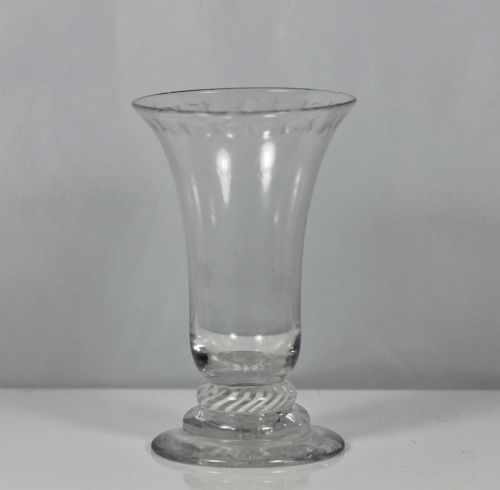
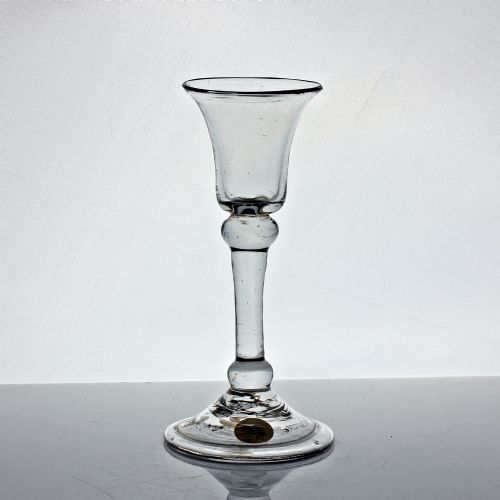
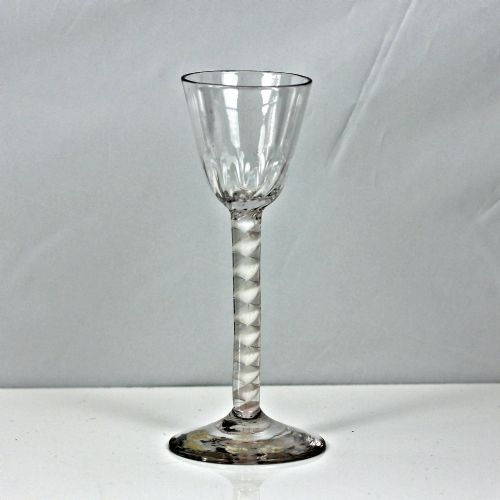
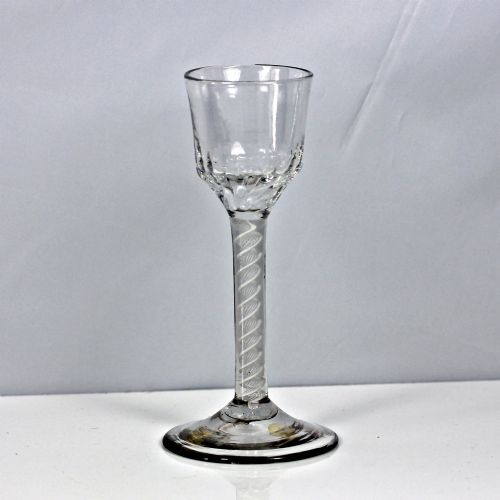
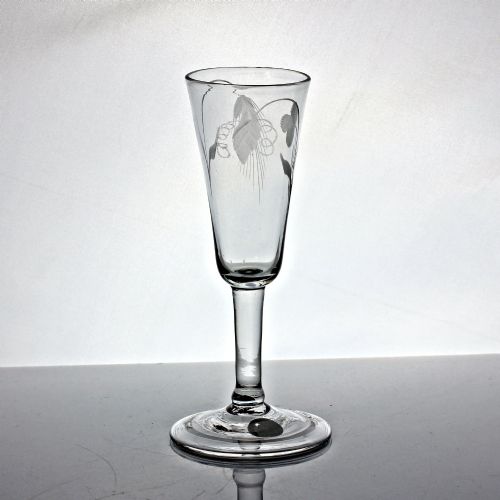
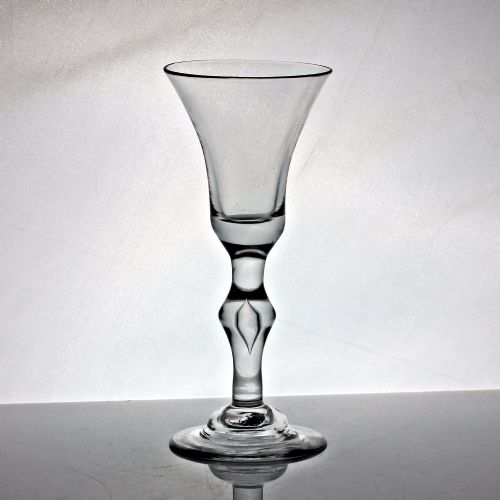
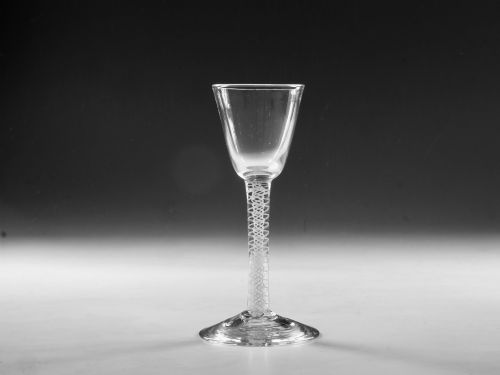
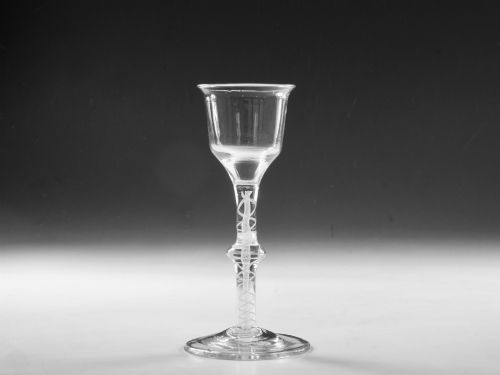
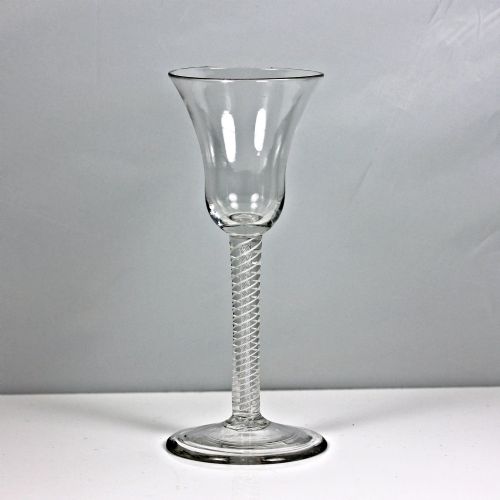
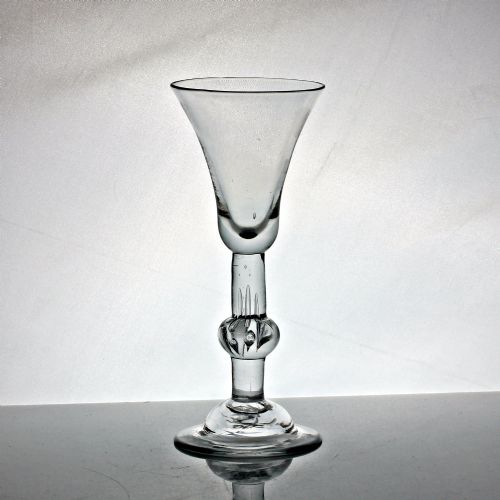
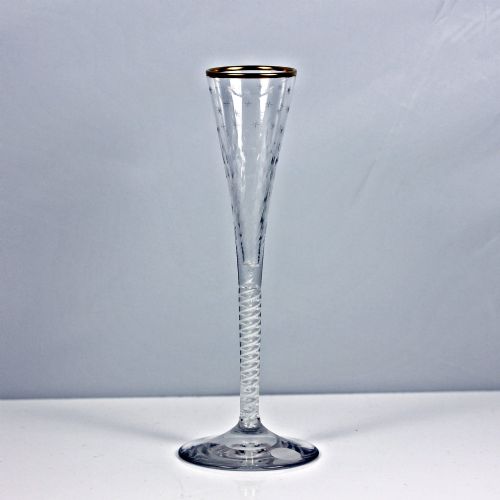
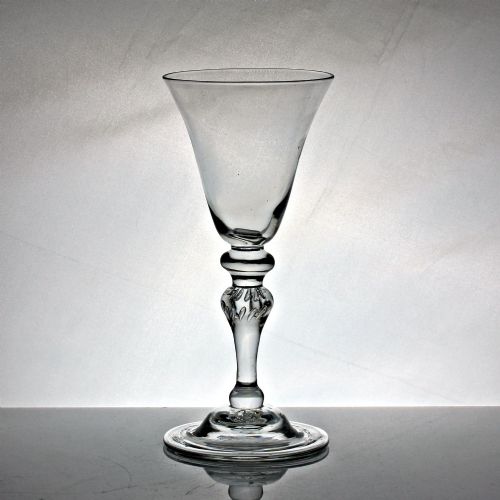
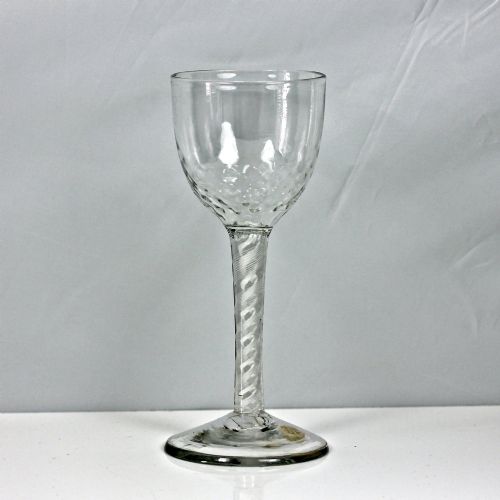
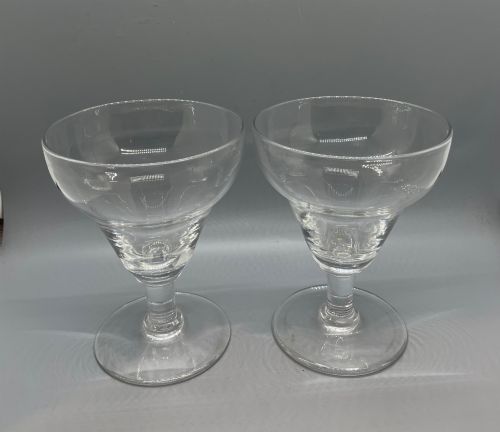
When you search for antique drinking stemware, you encounter vessels designed for wine, ale, drams, and rummers spanning the eighteenth century through the Victorian era and into Art Deco suites. These pieces range from tall baluster goblets and heavy rummers to slender wine glasses featuring air twist, opaque twist, and faceted stems.
The version you meet most often on this page is the Georgian wine glass, frequently blown from lead glass and finished with distinctive bowl forms such as pan top, ogee, or trumpet. Alongside these sit specialised ale glasses, dram glasses, and larger suites of French Art Deco drinking glasses.
How they were made
Master glassmakers formed these drinking vessels using lead glass, clear lead glass, and flint glass, often employing specialised moulds to shape inverted petal patterns or ribbed bowls. Air twists and opaque twists were created by trapping air bubbles or white enamel threads within the molten metal before drawing and manipulating the stem.
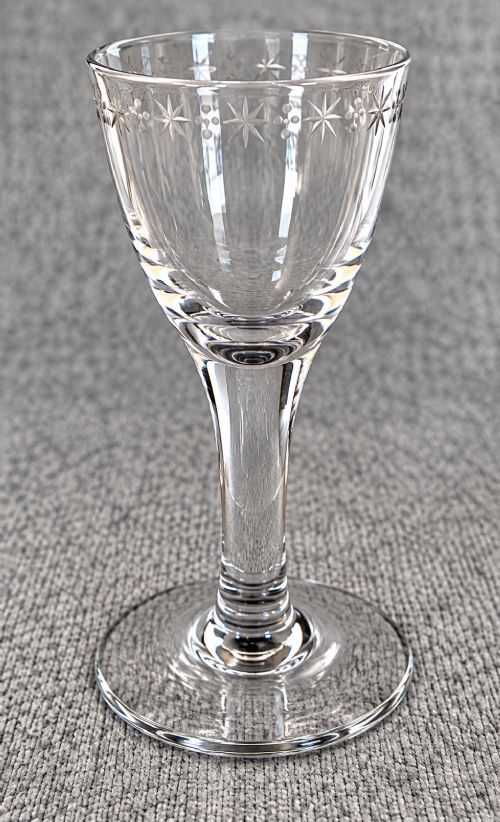
Decoration relied heavily on wheel engraving, producing intricate floral swags, tails, and Jacobite emblems upon the bowl, while folded feet were shaped by hand to provide stability and a reinforced rim at the base.
One remarkably specific rummer from the eighteenth century arrives engraved with the bold declaration Women and Wine.
What varies in quality
Quality rests in the clarity of the metal and the precision of the twist or baluster formation within the stem, where cleaner lines and balanced proportions elevate a piece above standard domestic output. The crispness of the wheel engraving also dictates value, with deeply cut, detailed motifs showing superior artisan skill compared to faint or hasty surface marks.
The integrity of the form, such as an undisturbed folded foot or a well-centered knop, separates everyday examples from pieces intended for high social occasions.
The Antique Drinking Stemware Glossary
- Air twist
- A stem containing elongated internal air spirals formed by drawing bubbles through the hot glass.
- Opaque twist
- A stem enclosing one or more white enamel threads spun into intricate patterns within the clear metal.
- Rummer
- A sturdy, capacious drinking glass popular for ale, punch, or wine during the Georgian and Victorian periods.
- Baluster
- A heavy, swelling stem shape reminiscent of architectural pillars, common in earlier eighteenth-century goblets.
- Folded foot
- A base edge turned under during manufacture to create a smooth, double-thickness rim for extra strength.
Antique Drinking Stemware: Frequently Asked Questions
How do I clean antique stemware?
Wash these pieces by hand in warm water using mild soap, avoiding sudden temperature changes that can stress fragile historic glass.
Dry them immediately with a soft lint-free cloth to maintain the clarity of the lead glass and prevent water spots.
Can I use these glasses today?
Many people enjoy using eighteenth-century and Victorian drinking vessels for special toasts, provided they handle the antique glass with care.
Hand-washing is essential, and dishwasher use must be strictly avoided to protect the delicate bowls and stems.
What is a rummer used for?
Rummers served as robust drinking vessels for ale, wine, and punch during the Georgian and Regency eras.
Their generous bowl capacity and sturdy stems made them practical for daily tavern and household use.
How do I date a wine glass?
Dating relies on observing the stem construction, bowl shape, and foot formation, such as distinguishing heavy balusters from fine air twists.
Comparing the manufacturing technique against known styles from the eighteenth and nineteenth centuries provides a reliable timeline.