

Antique Drinking Glasses Set
An antique drinking glasses set brings period elegance to the table, ranging from cut crystal stems to fitted tantalus and barware collections.
Antique Drinking Glasses Set
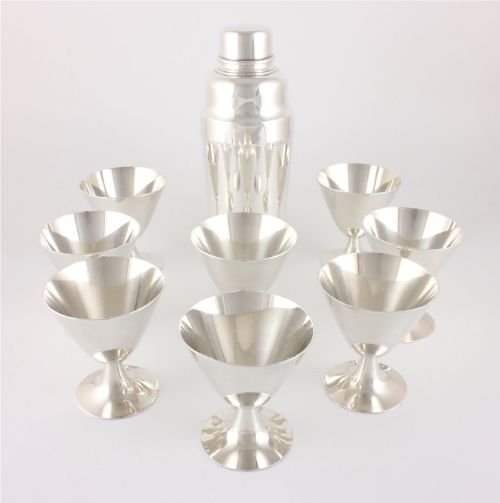
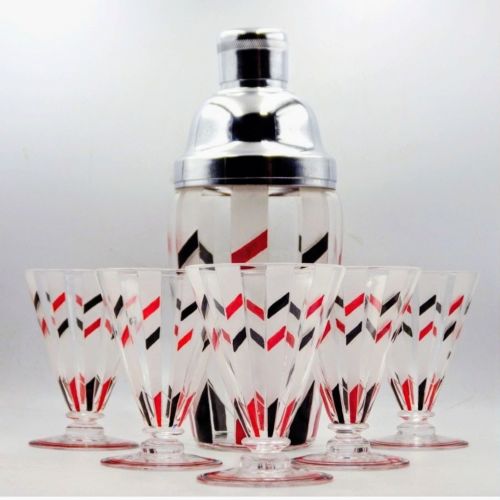
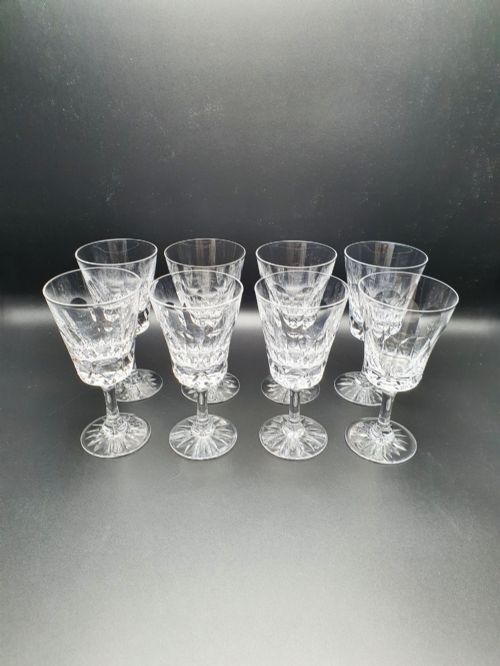
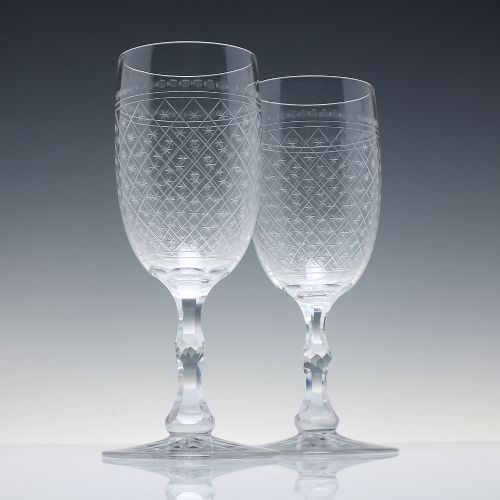
When searching for an antique drinking glasses set, you encounter matched groups of wine glasses, tumblers, and cocktail services spanning the Georgian, Victorian, and Art Deco eras. These groupings originate from English, French, and continental workshops, taking forms such as stemware suites, decanter sets, and complete drinking services.
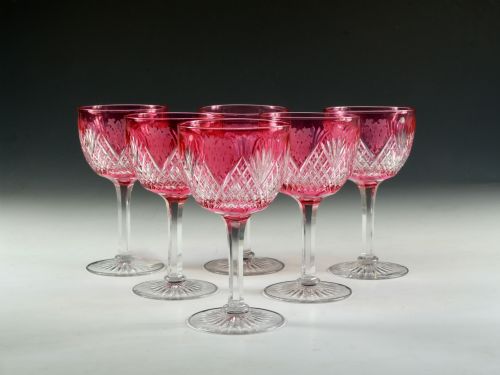
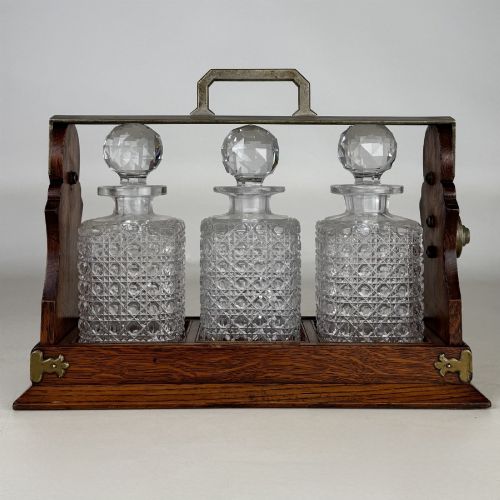
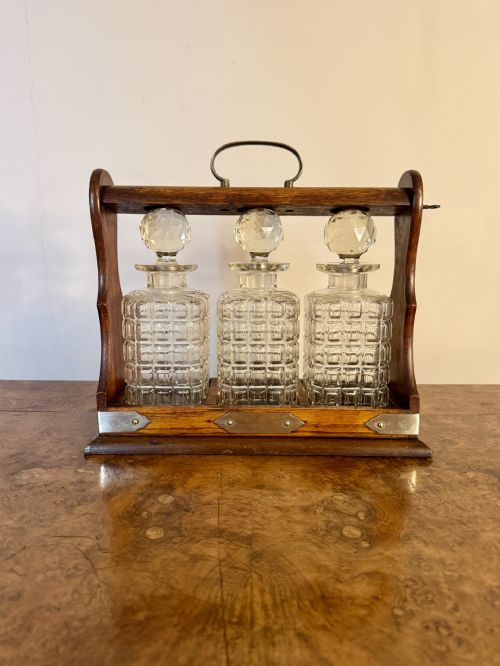
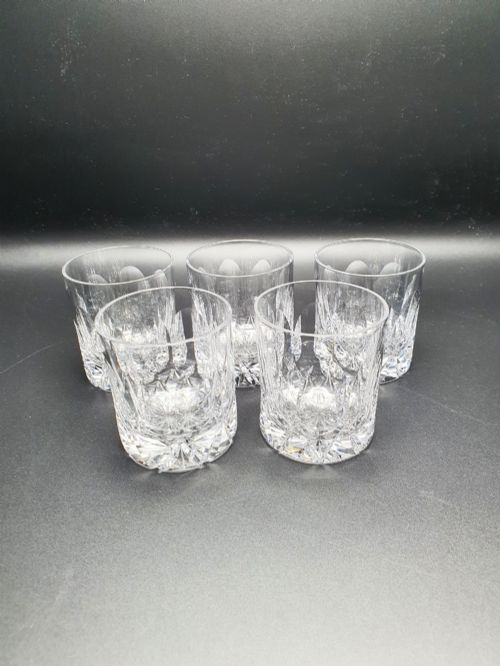
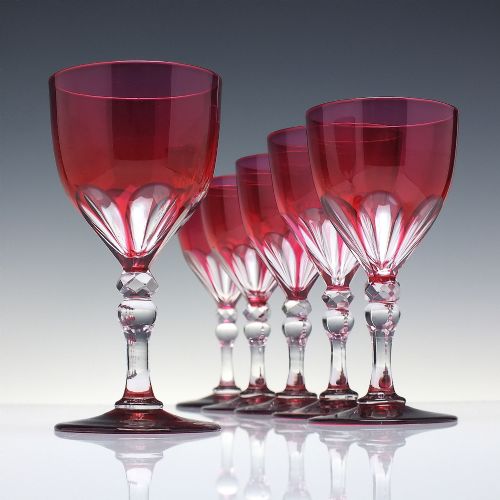
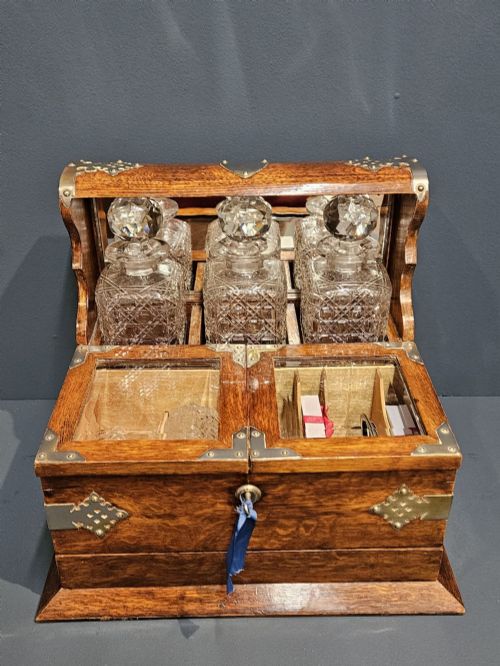
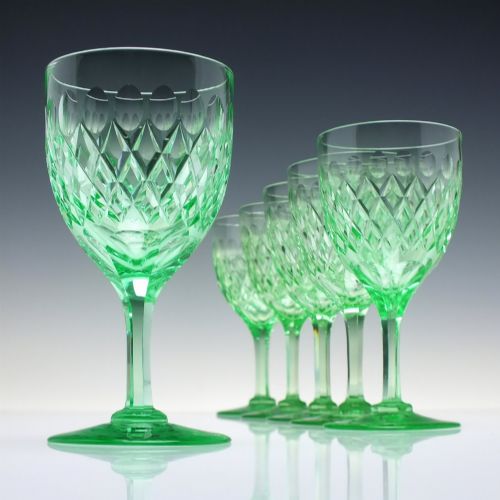
The most common variations on this page include Victorian cranberry and vaseline wine glasses, Edwardian and late Victorian oak tantalus sets housing crystal decanters, and 1920s cut glass tumblers. Sets range from small gatherings of four or five whisky tumblers up to extensive suites containing dozens of matching pieces.
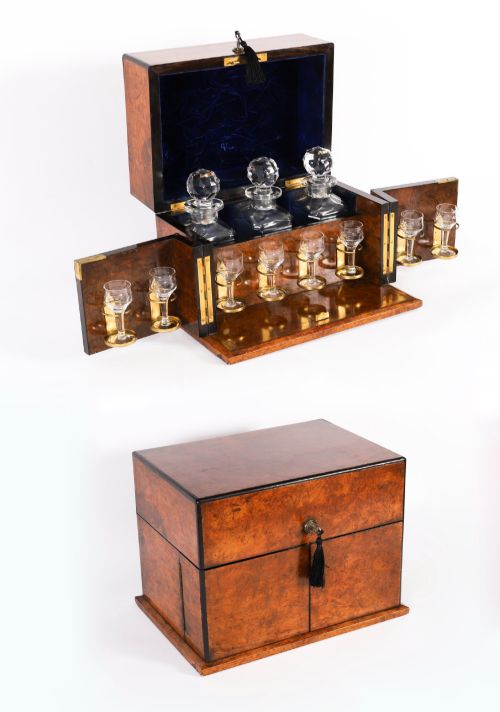
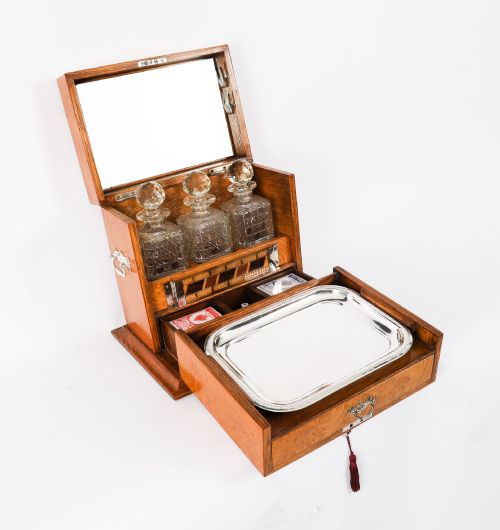
Beyond standalone stemware, many sets incorporate silver-plated stands, brass mountings, or fitted wooden cases in oak, walnut, and coromandel. These larger barware assemblages often combine decanters with gaming boxes or spirit flasks, reflecting the entertaining habits of the nineteenth and early twentieth centuries.
How they were made
Glass production across these periods relies on traditional hand-blowing and lead crystal formulation, often finished with wheel-cutting, intaglio engraving, or acid gilding. Tumblers and stemware show the characteristic pontil marks and varied bowl thicknesses typical of nineteenth-century manual manufacture.
Housing these glass sets required sophisticated cabinetmaking, utilising solid and veneered oak, mahogany, satinwood, and coromandel fitted with brass handles, locks, and silver-plated mounts. Tantalus frames and decanter boxes combine secure locking mechanisms with hinged compartments designed to hold crystal decanters and matching glasses firmly in place.
Antique Drinking Glasses Set Retail Price Guide 2026
Typical asking prices for drinking glasses set among the pieces listed under this phrase on Sellingantiques today, from the lower quarter to the upper quarter. They describe what is for sale here now, not the wider market.
Listings feature oak, mahogany, walnut, coromandel, and satinwood alongside silver plate, brass, and lead crystal materials.
What varies in quality
Quality in these sets depends heavily on the consistency of the glass matching and the clarity of the crystal, alongside the complexity of any cut or engraved decoration. Complete suites with uniform colour and matched heights command greater interest than assembled groups of similar vessels.
For fitted tantalus and barware sets, the calibre of the cabinetwork and the execution of silver-plated or hallmarked silver mountings determine the standing of the piece. Well-figured timbers, marquetry stringing, and fully operational locking mechanisms distinguish superior examples from standard production items.
Baccarat·Christofle·Walker & Hall·James Dixon & Sons·Betjemann·Webb Corbett·Elkington
The Antique Drinking Glasses Set Glossary
- Tantalus
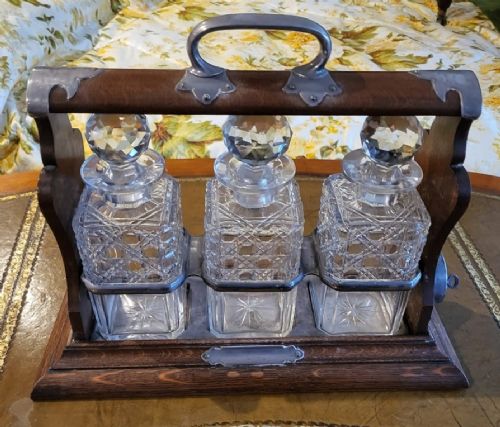
- A locking wooden frame that secures decanters by holding their stoppers in place, preventing access to the contents without a key. These security stands usually feature brass mountings and oak or walnut construction.
- Cranberry glass
- A rich red glass coloured with gold chloride, highly popular during the Victorian era for wine glasses and tableware sets. The depth of the pink-red tone varies according to the gold content and firing temperature.
- Vaseline glass
- A pale yellow-green glass containing uranium dioxide, which glows brightly under ultraviolet light. Victorian makers utilised this material extensively for decorative stemware and wine glasses.
- Intaglio
- A technique where designs are carved into the surface of the glass rather than raised in relief. Webb Corbett and other makers employed this method to create detailed floral and geometric motifs on drinking services.
- Pontil mark
- A rough scar left on the base of hand-blown glassware where the pontil rod was snapped off after shaping. Its presence indicates traditional hand-crafting methods prior to modern machine production.
Antique Drinking Glasses Set: Frequently Asked Questions
How do I date an antique glass set?
Dating relies on stylistic markers, glass tint, cutting techniques, and associated cabinetry. Victorian pieces often show deep cranberry or vaseline hues, while 1920s sets lean towards geometric Art Deco silhouettes.
Maker's marks, silver hallmarks on mounts, and registration numbers stamped on frames or bases provide more precise chronological reference points.
Were these sets originally meant for display?
Most sets were utilitarian items intended for active use in dining rooms, drawing rooms, or gentlemen's clubs. Tantaluses and spirit cases kept expensive beverages secure from household staff while remaining ready for guests.
Matching stemware suites were built to service dinner parties, resulting in varied counts from small quartets of tumblers to large services of thirty or more pieces.
How should I clean antique crystal glasses?
Wash delicate antique stemware by hand in warm water using a mild detergent, avoiding harsh dishwashers that can cloud old glass. Place a cloth at the bottom of the basin to prevent chipping against porcelain or enamel sinks.
Dry each piece immediately with a lint-free linen cloth to maintain the clarity of cut and engraved crystal surfaces.
What is the difference between a tantalus and a liquor cabinet?
A tantalus specifically exposes the decanters within a locking wooden and metal bar framework that prevents the stoppers from being lifted out. The bottles remain visible while securely trapped inside the frame.
A liquor cabinet, or cave à liqueur, completely encloses bottles and small glasses within hinged wooden doors, often revealing a fitted interior lined with velvet or leather.