

Edwardian Cut Crystal Glasses
Edwardian cut crystal glasses bring sharp refraction and heavy weight to the table, uniting domestic glassware with turn-of-the-century craftsmanship.
Edwardian Cut Crystal Glasses
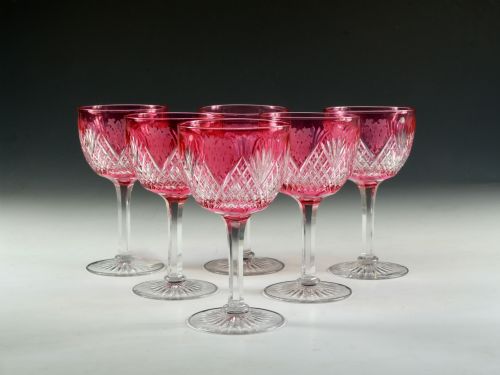
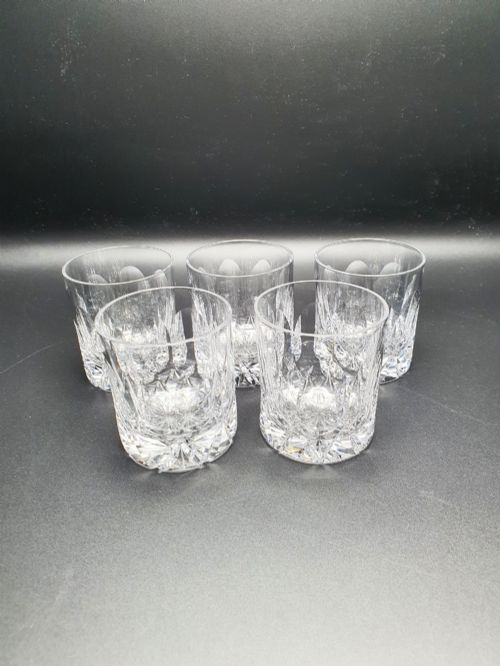
Edwardian cut crystal glasses encompass drinking vessels produced around the early twentieth century, including sets of wine glasses, tumblers, rummers, dram glasses, and champagne bowls. These pieces reflect the formal dining habits of the period, executed in clear lead crystal with deep geometric or floral facets.
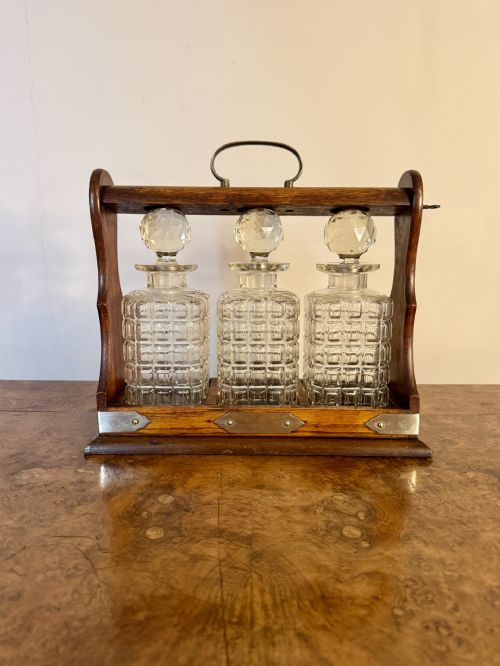
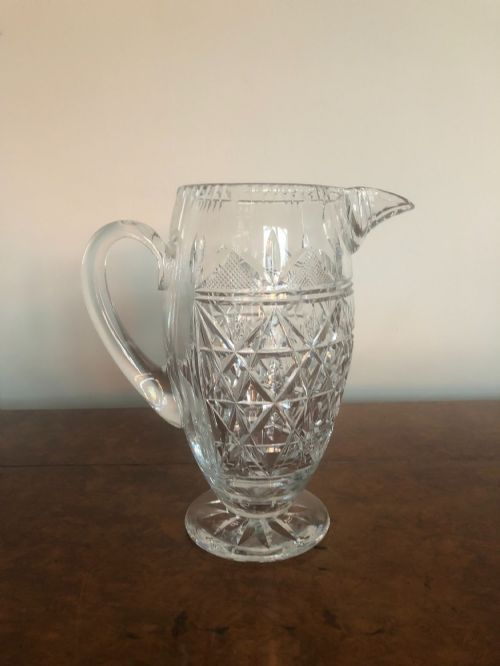
While broader searches capture nineteenth-century rummers alongside later Art Deco and George V tablewares, the core focus remains on Edwardian production. Buyers encounter individual decanters, ewers, and jugs alongside matched sets designed for wine, spirits, and water.
The aesthetic bridges late Victorian heaviness and subsequent twentieth-century lightness, maintaining a sturdy handfeel combined with crisp wheel-cut detailing. They suit contemporary dining tables as working tableware rather than cabinet display items.
Assessing quality in cut crystal
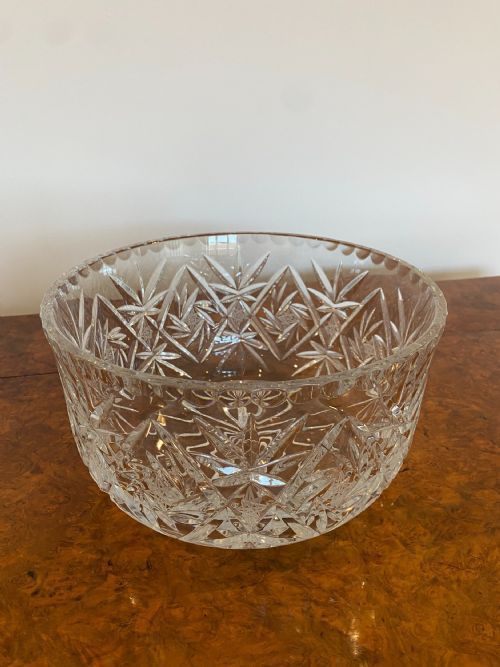
Quality rests upon the crispness of the wheel cutting and the clarity of the metal itself. Superior examples show sharp, clean intersections between facets without residual polish pooling or rounding at the edges.
Weight serves as an indicator of lead content, where denser pieces display a resonant ring when struck gently. Matched sets demand uniformity in height, wall thickness, and engraving depth across every individual glass.
Edwardian Cut Crystal Glasses Retail Price Guide 2026
Typical asking prices for edwardian cut crystal glasses among the pieces listed under this phrase on Sellingantiques today, from the lower quarter to the upper quarter. They describe what is for sale here now, not the wider market.
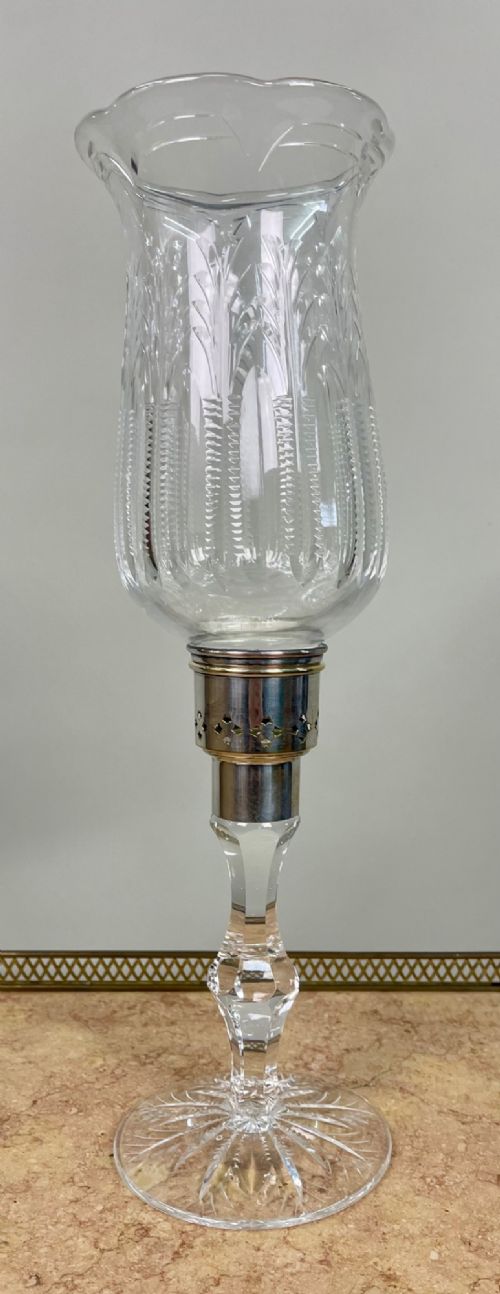
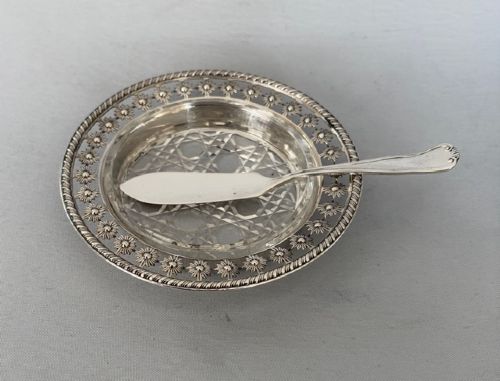
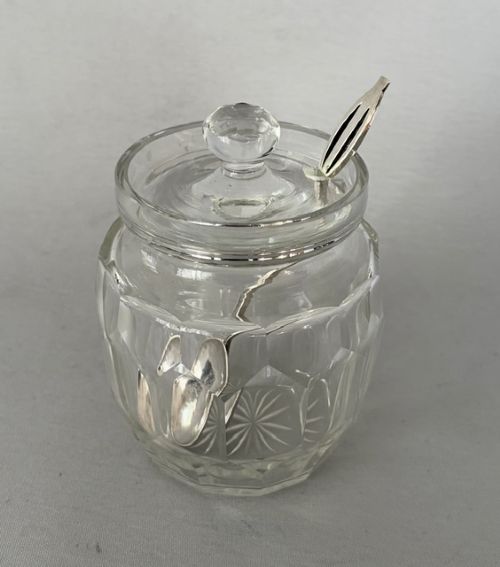
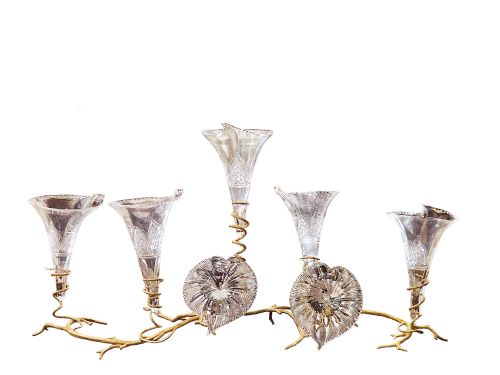
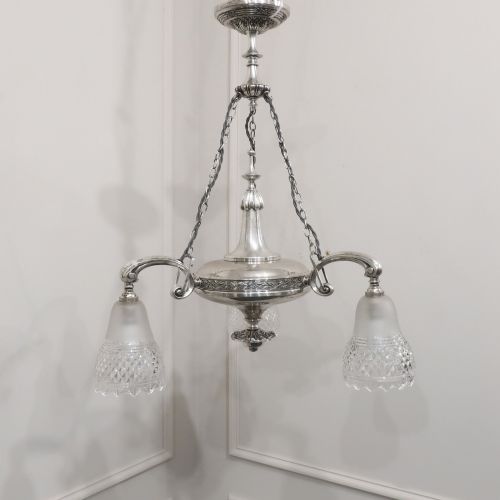
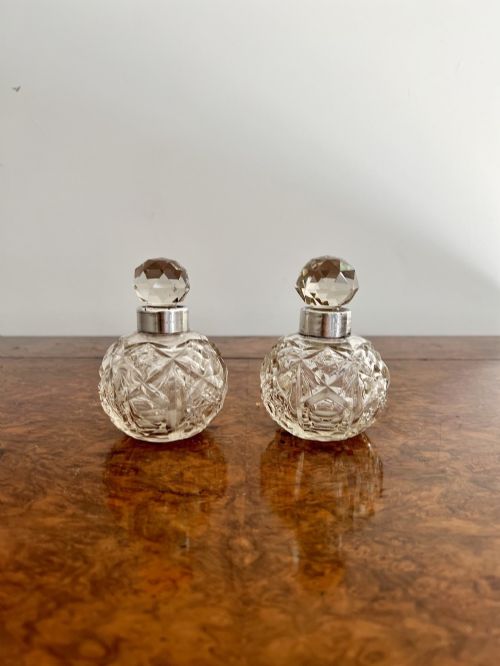
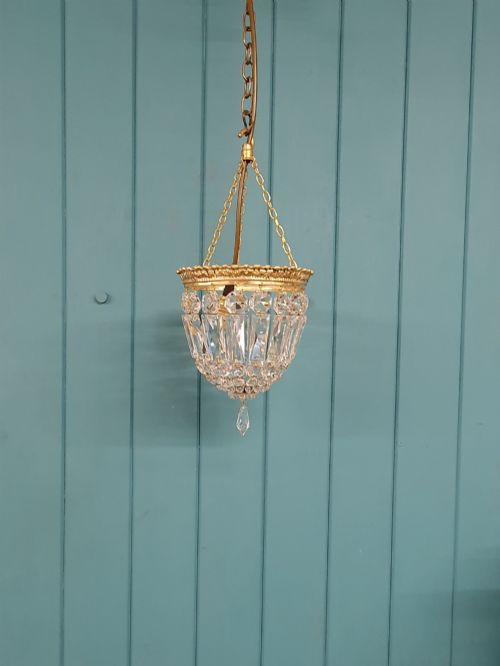
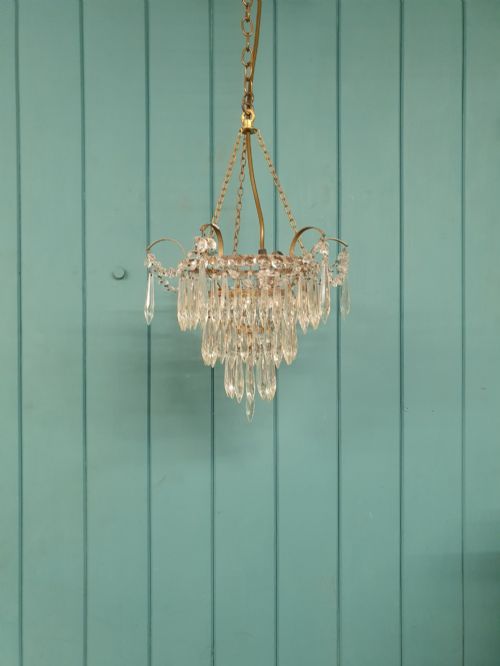
Current listings feature pieces spanning the late nineteenth century through the Edwardian era, incorporating silver plate, sterling silver, and brass mounts.
Osler·Baccarat·Walker and Hall
The Edwardian Cut Crystal Glasses Glossary
- Lead crystal
- Glass containing a significant proportion of lead oxide. This addition softens the material for easier cutting and increases its refractive index to catch light.
- Wheel-cut
- A method of decorating glass by holding the vessel against a rotating abrasive wheel. It leaves distinct, sharp-edged incisions that define traditional crystal patterns.
- Rummer
- A large, heavy-bottomed drinking glass popular in the nineteenth and early twentieth centuries. It was typically used for punch, ale, or strong red wines.
- Champagne bowl
- A shallow, wide-stemmed glass designed for sparkling wines before the flute gained dominance. It allows the aromas of older vintages to release fully.
- Decanter
- A stoppered glass vessel used for holding and serving wine or spirits. Edwardian examples often feature heavy cut geometric collars and star-cut bases.
Edwardian Cut Crystal Glasses: Frequently Asked Questions
Can I use antique crystal glasses daily?
These glasses were manufactured for functional dining and withstand regular use provided they receive careful handling. Hand washing prevents thermal shock and preserves the clarity of the lead crystal.
Avoid dishwashers and harsh scrubbers, which cause clouding and microscopic surface scratching on older glass bodies over time.
How do I clean cloudy antique crystal?
Cloudiness often results from mineral deposits or harmless surface film accumulated over decades of storage. Lukewarm water combined with mild detergent and a soft bottle brush usually resolves light residue.
Avoid abrasive powders or very hot water, which can stress the glass or damage delicate silver mounts attached to the vessels.
Are Edwardian glasses made of lead crystal?
Most formal dining glassware from this period utilises lead crystal to achieve high refractive brilliance and substantial weight. The lead content softens the glass during production, permitting deep, crisp wheel-cut patterns.
This composition differentiates them from lighter, contemporary soda-lime glass alternatives found in standard modern table settings.
How do I spot a matched set versus assembled pieces?
Inspect individual glasses side by side under consistent light to check for minor variations in height, wall thickness, and engraving depth. Hand-blown and hand-cut sets naturally display slight human variations rather than factory uniformity.
Look closely at the base star-cut motifs and rim diameters, as assembled collections often reveal subtle discrepancies in sizing or glass tint.