


Antique Dress Clip
An antique dress clip brings together the functional fastening of past decades and the precision of periods ranging from Georgian to Art Deco.
Antique Dress Clip
An antique dress clip is a fastener originally designed to secure garments, necklines, and furs, appearing frequently alongside related items like brooches, shoe buckles, and chatelaines in the evidence.
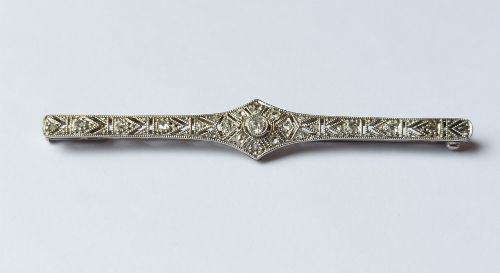
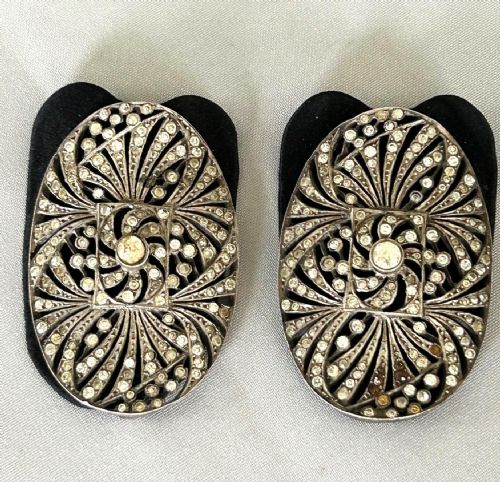
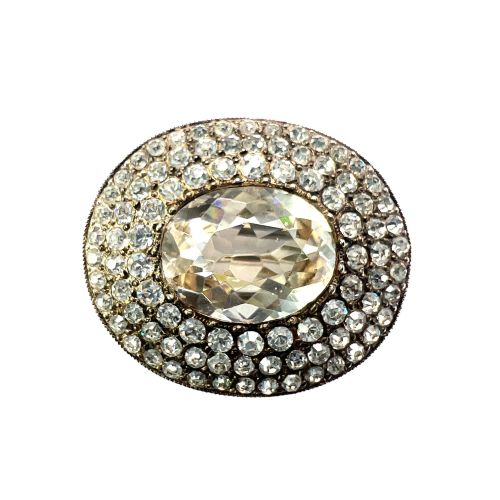
The selections span distinct periods, including Georgian, Victorian, Edwardian, and Art Deco, with platinum, silver, and gold providing the foundation for stones such as diamonds, paste glass, and sapphires.
Makers and designers from France, Denmark, and China contribute to the variety, alongside styles ranging from traditional Victorian rococo revival to geometric Art Deco creations.
How they were made
Metals such as platinum, yellow gold, white gold, and silver form the structural framework, often worked into filigree or cast into intricate geometric and botanical motifs.
Gemstone setting relies on diamonds, sapphires, pink pearls, and paste glass, complemented by detailed enamel work, marcasite, and carved materials like rock crystal quartz, black onyx, and chrysoprase.
Listings feature items from the 1890s through the 1950s, highlighting platinum, gold, and silver paired with diamonds and paste glass.
What varies in quality
The refinement of the metalwork and the precision of the stone settings establish the distinction between standard production and exceptional craftsmanship.
Artistry in enamelling, the clarity and cut of diamonds and sapphires, and the intact survival of delicate filigree or mechanical clips determine the standing of each piece.
Paillette
The Antique Dress Clip Glossary
- Paste glass
- Hand-cut lead glass used to imitate gemstones in Georgian and Victorian jewellery. It reflects light brightly due to its high lead content.
- Marcasite
- Small faceted polished iron pyrite stones set closely in silver settings. Popular in Art Deco jewellery for creating a dark metallic sparkle.
- Filigree
- Delicate jewellery metalwork formed from fine twisted threads of gold or silver soldered together. It creates lace-like openwork patterns.
- Silver gilt
- Silver covered with a thin layer of gold through chemical or electrochemical gilding. This technique provides the appearance of solid gold while utilising a silver base.
- Chatelaine
- A decorative belt hook suspended with functional household items or trinkets. Victorian examples often feature ornate rococo metalwork.
Antique Dress Clip: Frequently Asked Questions
What is a dress clip?
A dress clip is a two-pronged fastener designed to clip onto the fabric of a garment, neckline, or lapel without piercing the material. Many historical examples were also engineered to detach from a frame and wear as individual brooches.
They gained particular prominence during the Art Deco period, often appearing as double clip brooches that offered versatility in how jewellery could be displayed on evening wear.
How do I wear an antique clip?
These clips attach securely to sturdy fabrics such as wool, heavy silk, velvet, or lapels using their original mechanical backing. Securing them to lightweight materials can cause sagging or fabric damage due to the weight of platinum and diamonds.
Collectors frequently adapt double clip brooches by mounting them onto dedicated frames to wear them as standard brooches or pendants.
How do I date an antique clip?
Dating relies on the combination of metal choices, gemstone cuts, and stylistic markers such as geometric Art Deco lines or intricate Edwardian filigree. Georgian and Victorian pieces often incorporate closed-back settings, pinchbeck, or paste glass alongside hand-cut stones.
Maker marks, hallmarks, and country-specific silver standards stamped on the reverse also provide precise chronological reference points.
What materials were used?
Makers utilised precious metals like platinum, 18ct gold, 14ct yellow gold, 9ct gold, and sterling silver, sometimes with a gilt finish. Gemstones range from high-carat diamonds and sapphires to yellow sapphires and pink pearls.
Non-precious or decorative components include paste glass, enamel, marcasite, rock crystal quartz, black onyx, chrysoprase, and occasionally celluloid in novelty items.