



Antique Draft Screen
An antique draft screen blocks cold air and divides a room, offering functional partitioning shaped by centuries of fine craftsmanship.
Antique Draft Screen
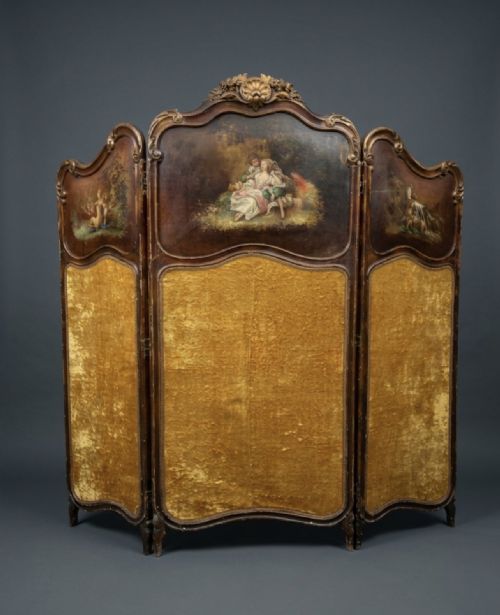
An antique draft screen serves to partition interior spaces and manage airflow, combining utility with decorative presence. These pieces emerge from the eighteenth, nineteenth, and early twentieth centuries in various folding formats.
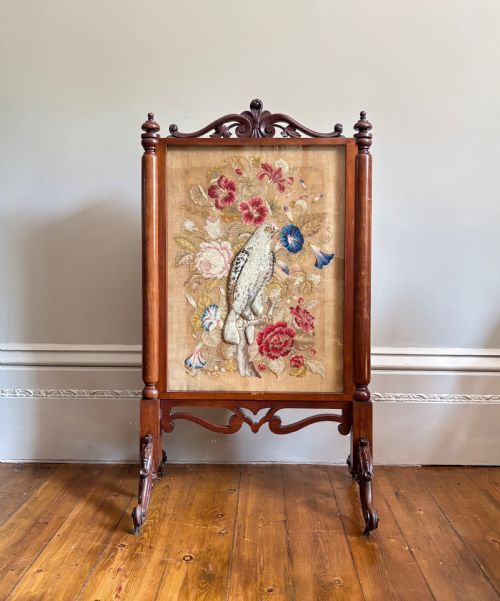
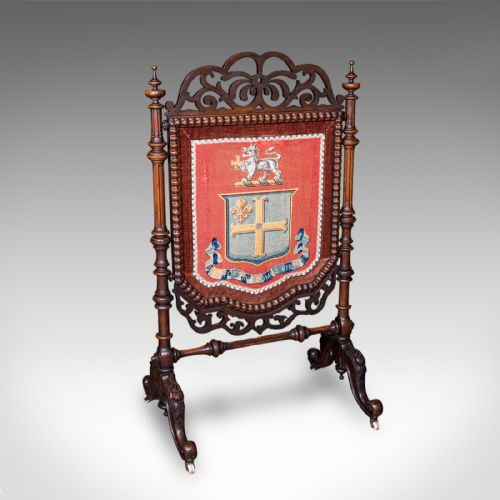
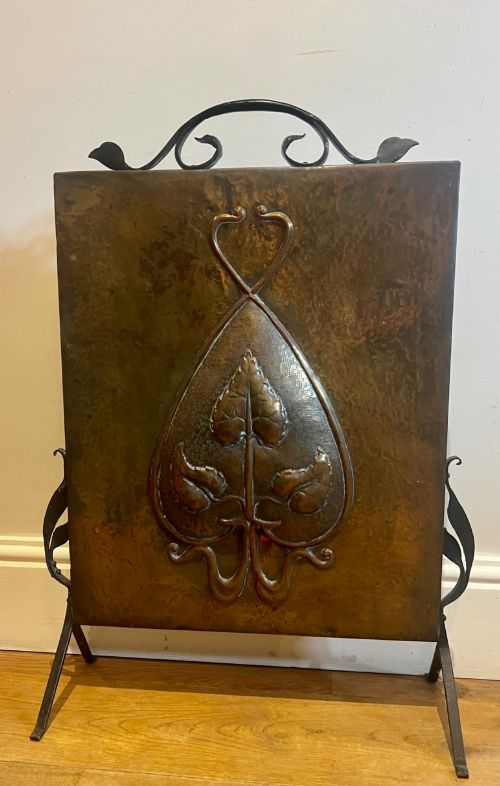
The selection ranges from tall multi-fold room dividers to compact hearthside fire screens. Victorian and Edwardian examples dominate the current options alongside earlier eighteenth-century lacquer work.
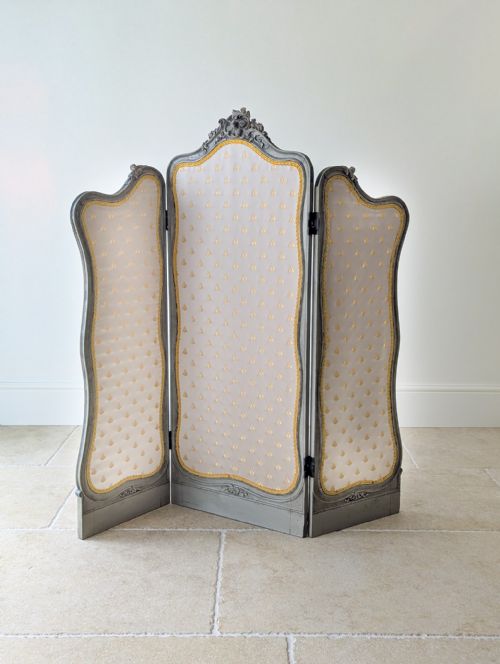
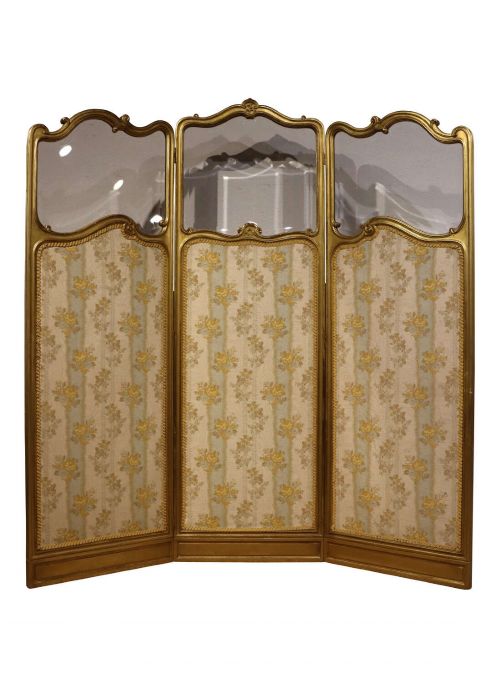
Makers utilised timber frames paired with textile, leather, or glass panels to create functional barriers. Common forms include multi-panel folding screens and dedicated fireplace guards.
How They Were Made
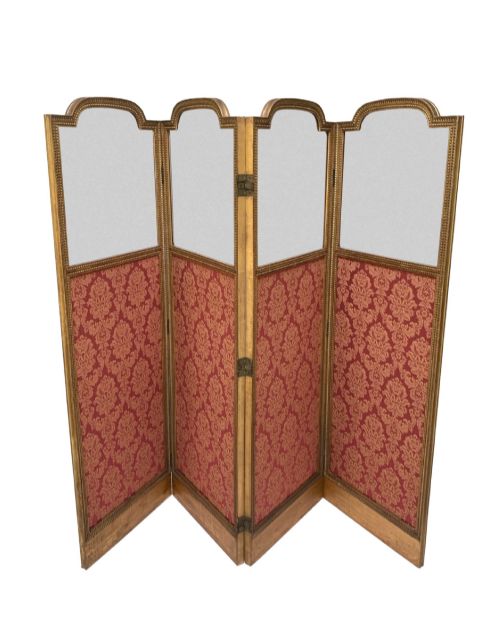
Carpenters constructed structural frames primarily from mahogany, walnut, oak, and giltwood, often joining multiple hinged panels together. These wooden frameworks frequently received carved ornamentation or gilded finishes.
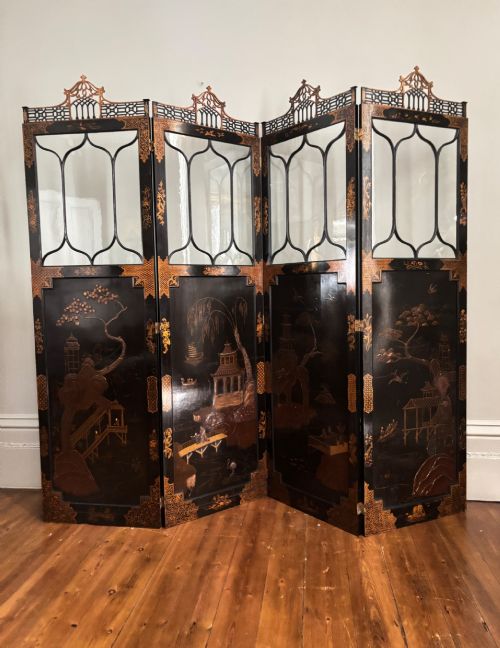
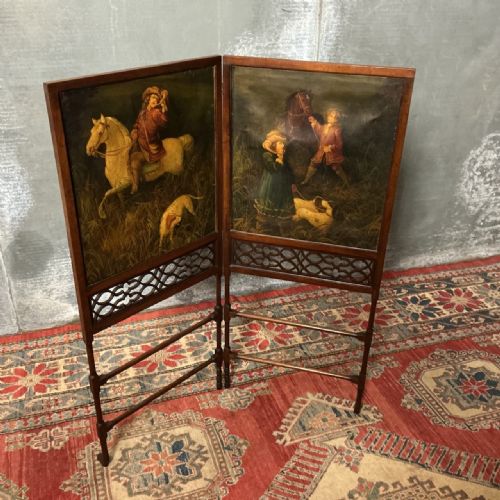
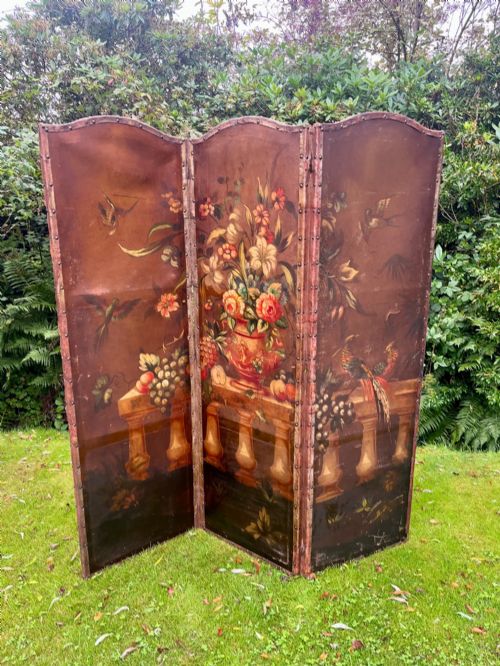
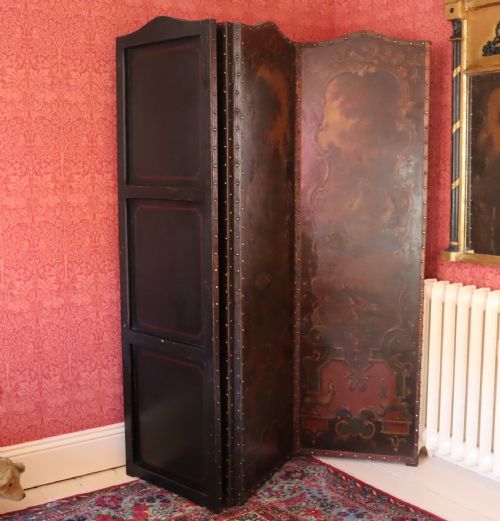
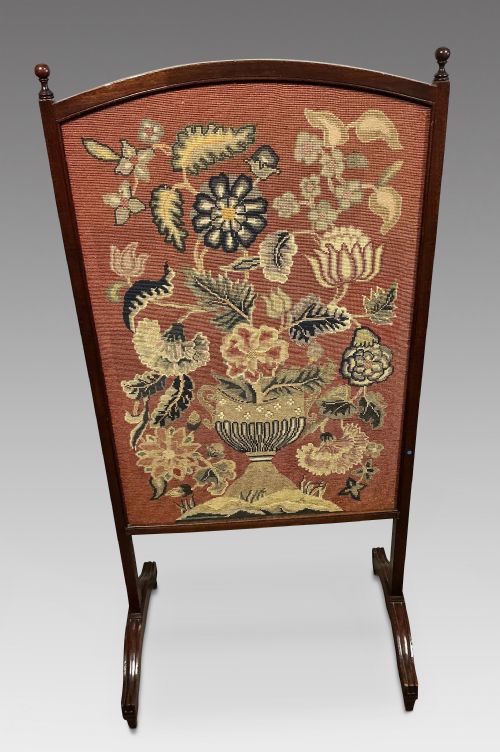
Panel inserts display diverse artisanal techniques including hand-painted leather, needlepoint tapestry, oil paintings, and bevelled glass. Lacquered Coromandel surfaces and embroidered textiles provide rich decorative depth across the panels.
University debating societies utilised heavy timber screens to maintain orderly decorum during intense political arguments.
What Varies in Quality
The refinement of the supporting woodwork and the complexity of the panel decoration dictate the tier of a piece. Hand-painted leather, intricate needlework, and finely bevelled glass distinguish superior examples from simpler utilitarian barriers.
Substantial multi-fold frames require robust joinery and reliable hinges to support heavy textile or lacquered panels over time. Superior construction maintains stability across large spans without sagging at the joints.
Paul Sormani·William Morris
The Antique Draft Screen Glossary
- Coromandel
- A type of Chinese incised lacquerware featuring deeply carved designs filled with colour on a dark ground. This technique creates a textured surface rich in detail.
- Berlin work
- A style of nineteenth-century needlepoint embroidered in wool on canvas using charted patterns. It allowed makers to produce elaborate pictorial scenes.
- Aubusson
- Tapestries woven in the French tradition depicting pastoral or floral motifs. These textiles frequently adorned fine nineteenth-century panels.
- Verdure
- Tapestry weaving dominated by foliage, trees, and landscape scenery. Such scenes brought natural motifs into domestic interiors.
- Pole screen
- A small vertical panel mounted on a slender wooden stand designed to shield a person's face from hearth heat. The height of the screen adjusts along the central rod.
Antique Draft Screen: Frequently Asked Questions
How were antique draft screens used?
These partitions stood near doors and windows to block chilly draughts in large rooms with open hearths. They also created private seating areas or divided shared spaces.
Smaller fireplace screens sat directly before burning coals to manage radiant heat. Their placement helped regulate room temperature and comfort.
What materials make up the panels?
Panels feature stretched canvas, hand-painted leather, needlepoint embroidery, and woven tapestries. Wood and glass inserts also appear frequently.
Heavier screens use carved lacquer or solid timber panels. Lighter versions rely on textiles mounted within wooden frames.
How do I care for needlepoint panels?
Keep textile panels away from direct sunlight to prevent fading of wool and silk threads. Regular gentle dusting preserves the fibre condition.
Avoid moisture near embroidered or painted surfaces. Professional textile conservation suits delicate antique needlework.
How many folds do these screens have?
Many folding screens consist of three or four hinged panels. Larger room dividers extend to six or eight panels.
Single-panel versions function as stationary fire screens or modesty shields. The fold count dictates the physical span of the barrier.