


Antique Doulton Burslem
These antique Doulton Burslem pieces bring hand-painted artistry and fine Victorian craftsmanship directly to your home.
Antique Doulton Burslem
When you search for antique Doulton Burslem, you encounter a rich variety of ceramic wares produced from the Victorian era into the early twentieth century. The selection spans utilitarian forms and decorative items alike, reflecting the output of a celebrated English pottery.
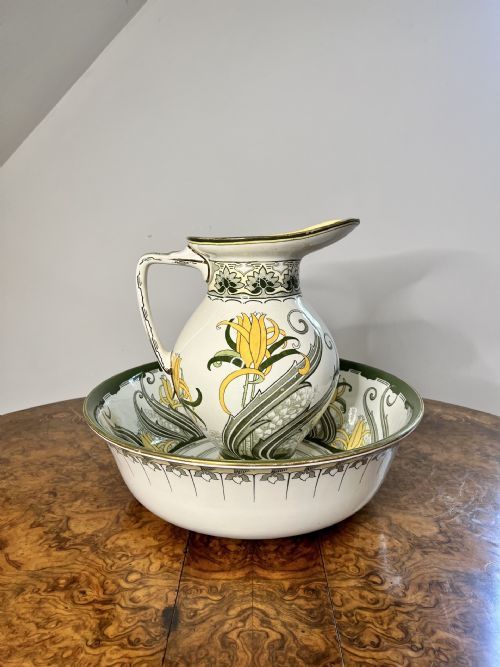
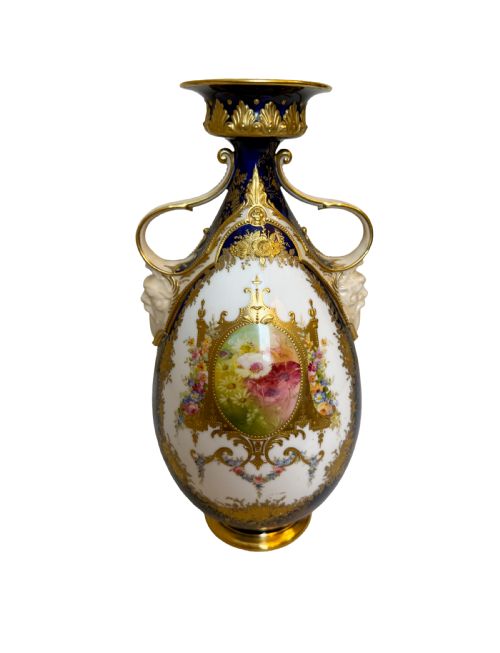
Vases and jardiniere vessels dominate the offerings, often featuring intricate painted floral or Persian-influenced designs. You will also find substantial jug and bowl sets, dinner services, and cabinet dishes that showcase the decorative ambition of the pottery.
The objects cross several decades, touching the late nineteenth century and the Edwardian period. Aesthetic Movement and Art Nouveau styles frequently appear, demonstrating the diverse design influences embraced by the makers.
How they were made
The pieces rely primarily on ceramic, earthenware, and porcelain bodies formed into vessels, bowls, and plates. Artisans then applied glazes and enamels to build colourful surfaces before firing.
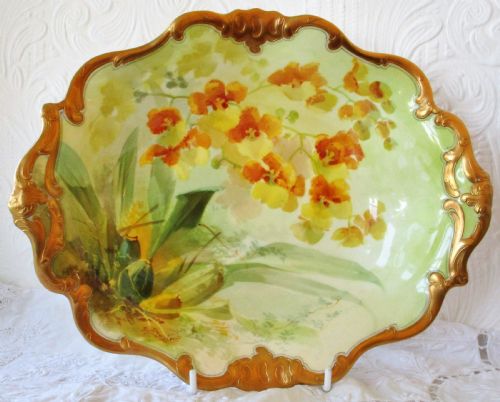
Hand-painted decoration stands central to the technique, frequently augmented by gilding and gold leaf accents. Specific artist hands emerge through signed floral studies and ornamental patterns.
The available inventory includes forms ranging from large jardinieres and ewer vases to complete jug and basin sets.
What varies in quality
The distinction between standard production wares and superior examples rests in the ambition of the hand-painting and the complexity of the form. Pieces featuring named artists and intricate floral motifs command greater attention from collectors.
The application of gilding and the crispness of moulded elements, such as dolphin bases or Persian-influenced shapes, further separate the grades. Preservation of the enamel and glaze integrity maintains the visual impact of each piece.
David Dewsberry·Ethel Beard·Walker and Hall
The Antique Doulton Burslem Glossary
- Jardiniere
- A large ornamental ceramic pot intended for holding plants or flowers. These vessels often sit on floors or sturdy tables as interior centrepieces.
- Cabinet Dish
- A decorative ceramic plate or dish meant for display in a cabinet rather than for practical dining use. They frequently feature detailed hand-painted scenes.
- Ewer
- A large jug with a wide spout and curved handle, often modelled after historical metal vessels. In pottery, these pieces highlight ornamental ceramic forms.
- Biscuit Barrel
- A covered ceramic container designed for storing dry biscuits at the dining table. They typically include plated metal mounts and handles.
- Gilding
- The application of gold leaf or gold paint to ceramic surfaces to highlight rims and details. This technique adds a reflective finish to the design.
Antique Doulton Burslem: Frequently Asked Questions
What is Doulton Burslem pottery?
Doulton Burslem refers to the wares produced at the Burslem pottery works of Doulton in England during the late nineteenth and early twentieth centuries. The factory became renowned for artistic earthenware and porcelain.
Items range from everyday table services to highly decorative vases and jardinieres painted by named artists.
How do I date Doulton Burslem items?
Dating relies on factory backstamps imprinted or printed on the underside of the ceramic body. Stylistic markers such as Aesthetic Movement or Art Nouveau motifs also help narrow the timeframe.
Changes in the company name and crown marks provide precise chronological milestones for collectors.
Were these pieces used daily?
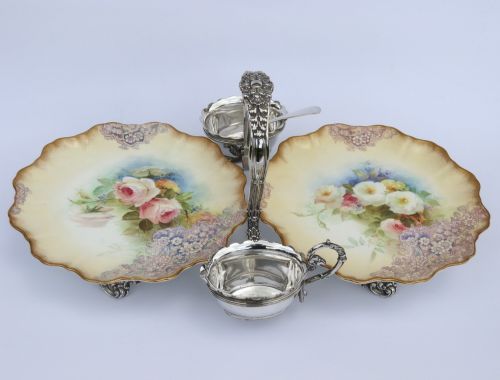
Many items, such as jug and bowl sets, dinner services, and cheese dishes, served practical domestic purposes in Victorian households. Over time, their decorative qualities shifted them toward display status.
Plates and serving sets saw regular dining room use before entering collections as cabinet pieces.
How should I care for painted ceramics?
Painted and gilded surfaces require gentle handling to preserve the enamel and gold leaf. Dusting with a soft, dry cloth is usually sufficient for maintenance.
Avoid immersing antique ceramics in water, particularly pieces with delicate overglaze decoration or metallic trim.