

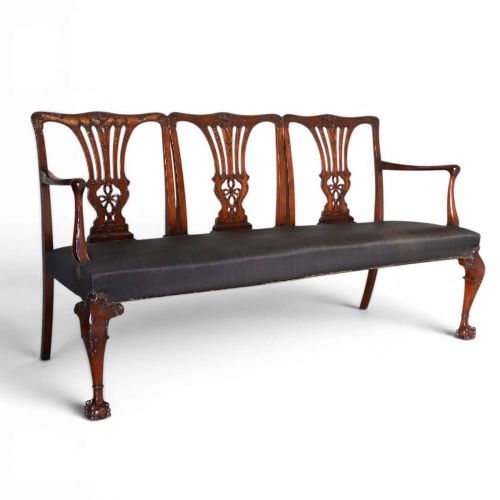
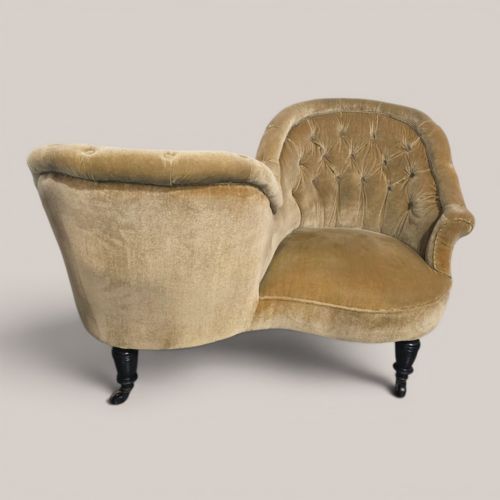


Antique Double Seat Sofa
An antique double seat sofa brings historic seating into a room, offering compact comfort through Victorian, Edwardian and 18th Century forms.
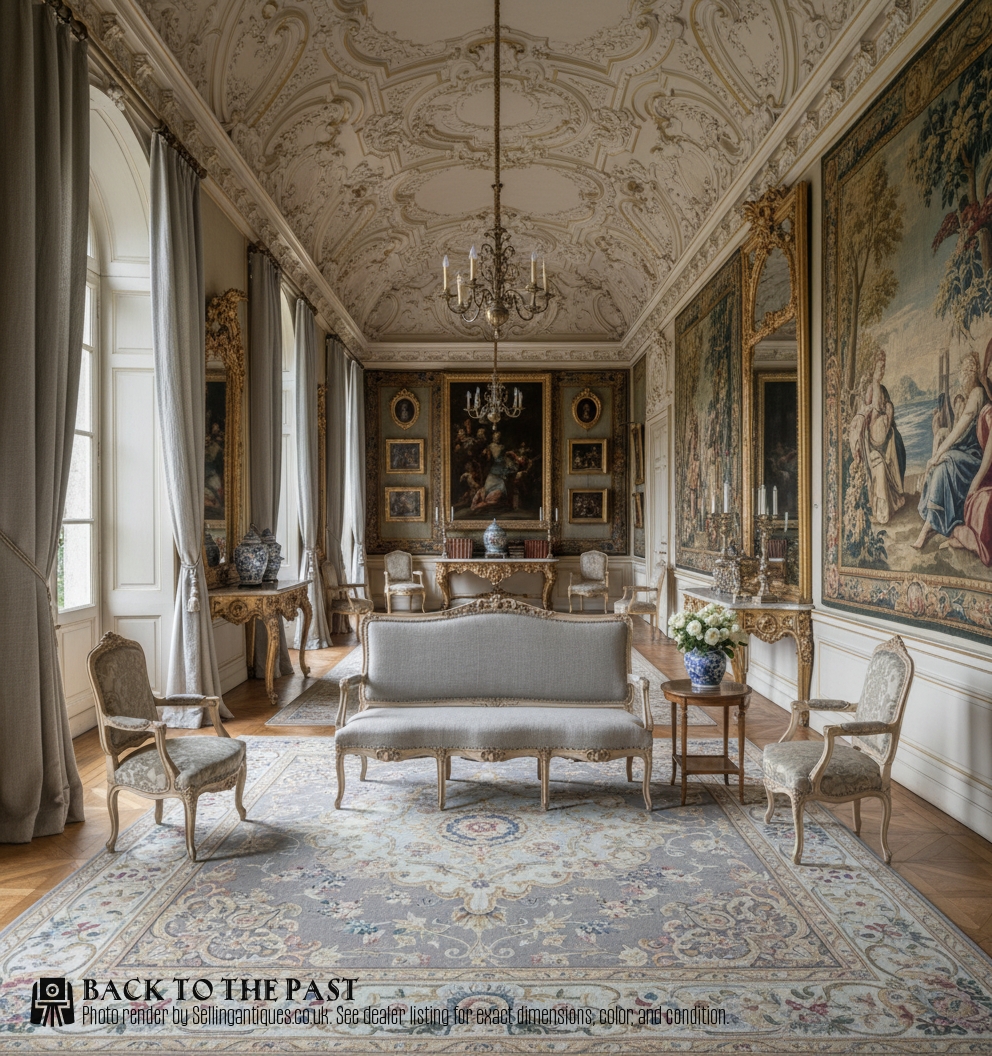
Antique Double Seat Sofa
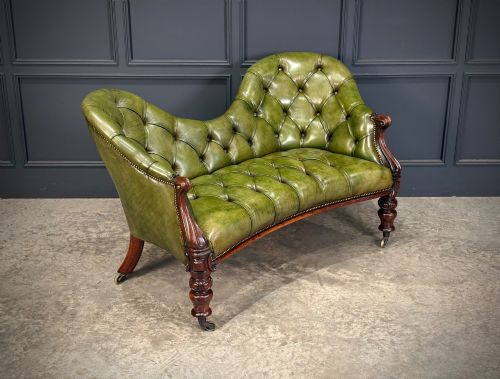
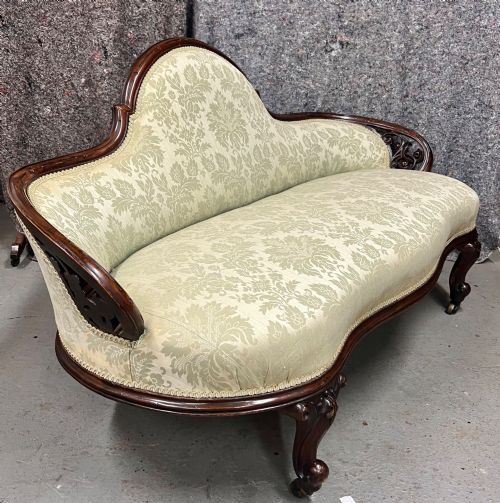
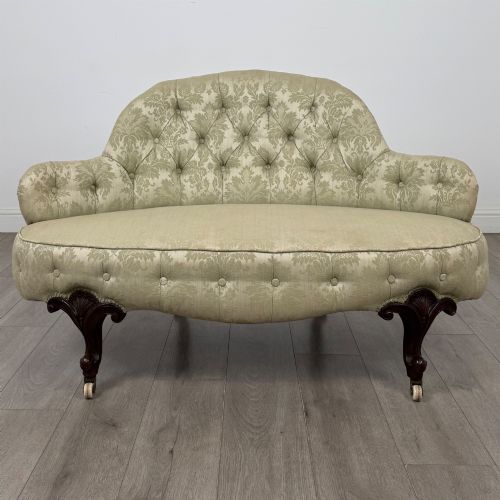
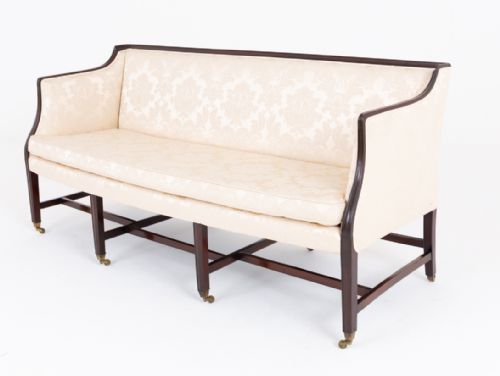
An antique double seat sofa encompasses settee, couch and conversation seat formats designed for two occupants. The listings show a strong presence of Victorian and Edwardian examples alongside earlier Georgian and 18th Century pieces.
Makers and craftsmen utilised various regional styles, ranging from English mahogany frames to French painted and giltwood pieces. Buyers encounter structured double spoon-back designs, window seats and salon settees.
The selection ranges from early Victorian rosewood frames to inlaid Edwardian mahogany two-seater settees. Each object type provides a distinct seating arrangement suited to period interiors.
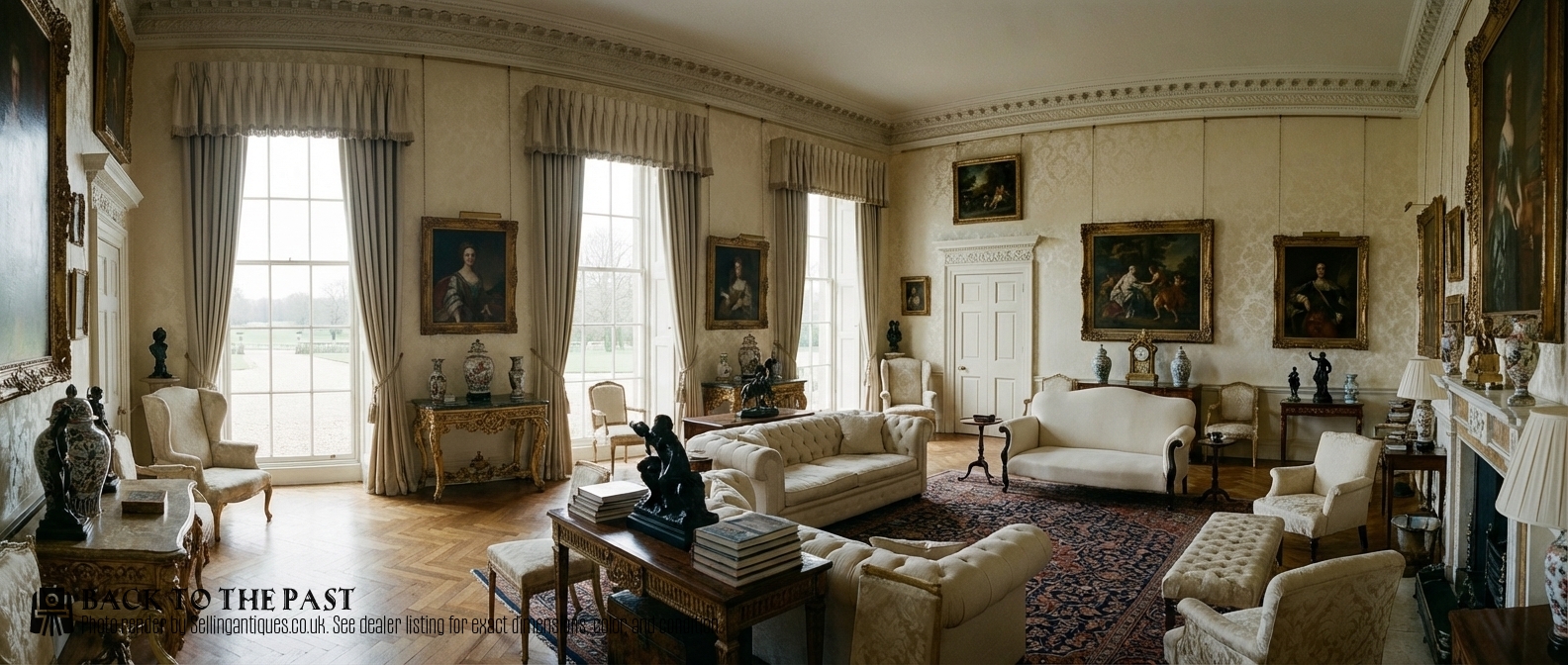
Materials and construction methods
Frames rely principally on hardwoods such as mahogany, walnut and rosewood, frequently shaped with hand-carved details. Structural integrity depends on turned wooden components, brass fittings and solid joinery.
Upholstery relies on traditional textiles including velvet, damask and patterned fabric paired with buttoned leather. Internal padding supports the finished surface across various salon and window seat formats.
Antique Double Seat Sofa Retail Price Guide 2026
Typical asking prices for double seat sofa among the pieces listed under this phrase on Sellingantiques today, from the lower quarter to the upper quarter. They describe what is for sale here now, not the wider market.
The listings span multiple centuries, incorporating Victorian, Edwardian, Georgian and 18th Century examples built from mahogany, walnut, birch and rosewood.
Assessing quality in double seat sofas
Quality separates examples by the crispness of timber carving and the fidelity of revival styles like Chippendale or Louis XV. Superior pieces display refined proportions and tight joinery in the primary wood frames.
The standard of upholstery and the retention of original decorative elements like inlay or giltwood define the upper tier. Material selection, from dense walnut to select mahogany, dictates the enduring stability of the piece.
The Antique Double Seat Sofa Glossary
- Settee
- An upholstered bench with a back and arms, designed to seat multiple people. This form serves as a primary predecessor to the modern sofa.
- Conversation seat
- A specialised multi-seat piece designed so occupants face different directions while sitting. Examples often feature padded backs arranged in a circular or serpentine configuration.
- Double spoon-back
- A Victorian upholstery style featuring two distinct, concave backrests shaped like spoons. This design provides ergonomic lumbar support.
- Inlay
- A technique where contrasting materials are inserted into depressions in the wood base to form decorative patterns. Edwardian pieces frequently utilise this method.
- Giltwood
- Timber coated with a thin layer of gold leaf. This finish appears frequently on continental salon seating and formal window seats.
Antique Double Seat Sofa: Frequently Asked Questions
What is an antique double seat sofa?
An antique double seat sofa is a compact upholstered seating furniture piece designed for two people, appearing in forms such as settees, conversation seats and window sofas.
These pieces span periods from the 18th Century through the Victorian and Edwardian eras, utilising frames of mahogany, walnut and rosewood.
How do I date an antique settee?
Dating relies on identifying the prevailing style, construction timber and decorative motifs present in the frame. Victorian and Edwardian pieces show distinct revival characteristics compared to earlier Georgian designs.
Examining the upholstery method and secondary woods also assists in establishing the production period.
Where were these sofas placed originally?
These sofas served in formal reception rooms, parlours and bedrooms as both functional seating and decorative focal points. Window seats were specifically proportioned for placement in bay windows.
Conversation seats occupied the centre of large drawing rooms to facilitate social interaction.
Are these sofas comfortable for daily use?
Many antique settees provide firm support through traditional sprung or padded upholstery. Their compact dimensions make them suitable for modern living spaces as accent seating.
Upholstery condition varies by piece, and some may require restoration for regular lounging.