



Antique Double Door Sideboard
An antique double door sideboard brings substantial timber presence and disciplined storage into a room, forged from centuries of cabinet-making graft.
Antique Double Door Sideboard
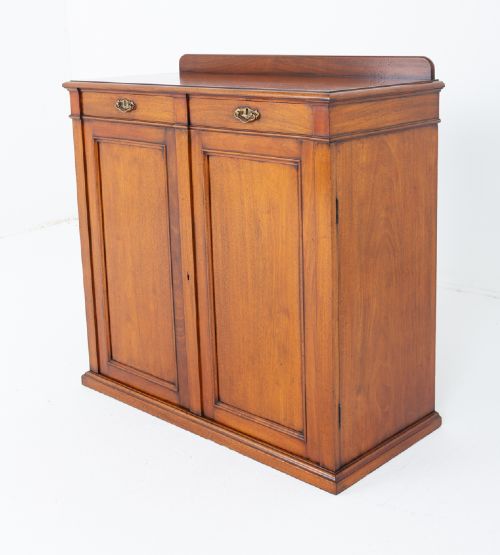
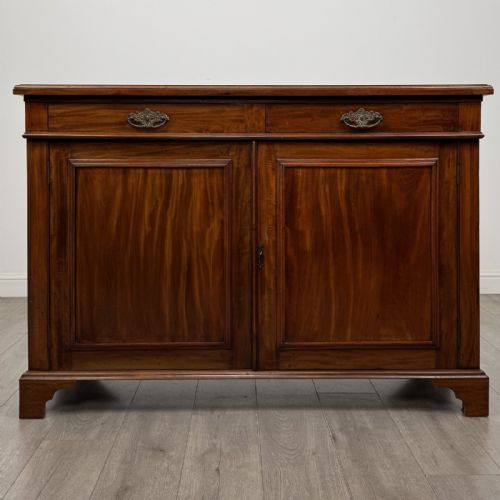
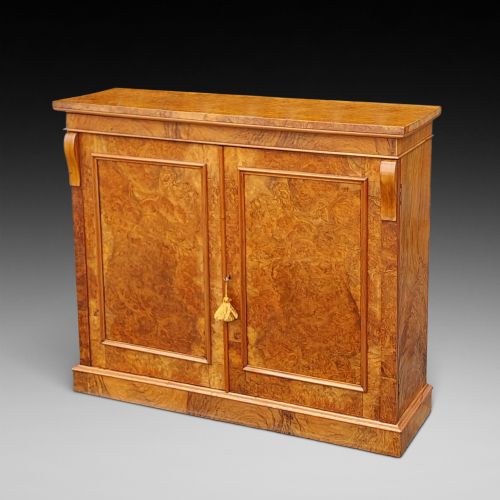
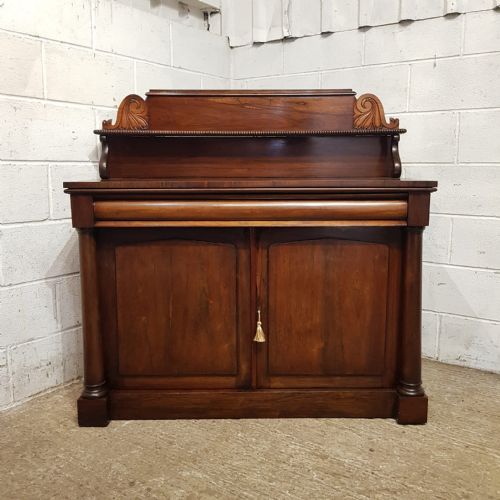
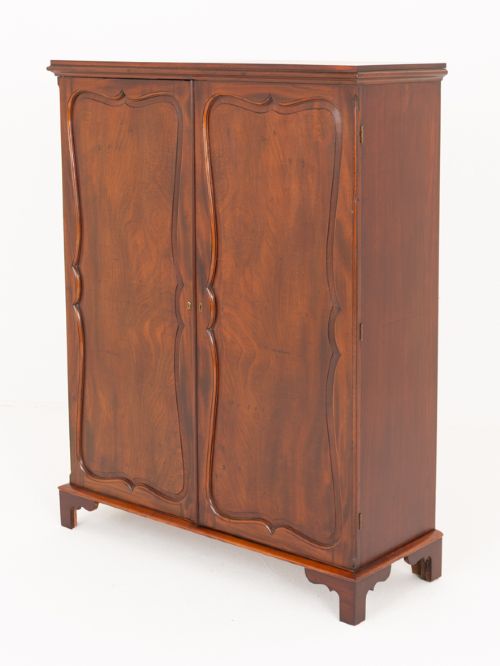
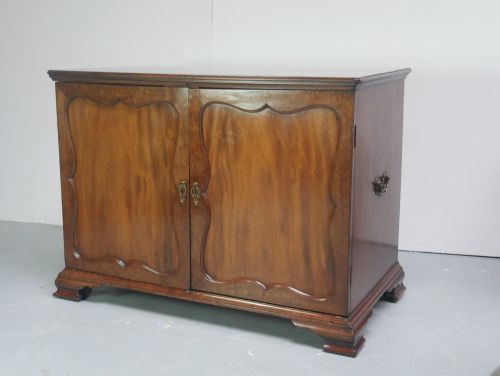
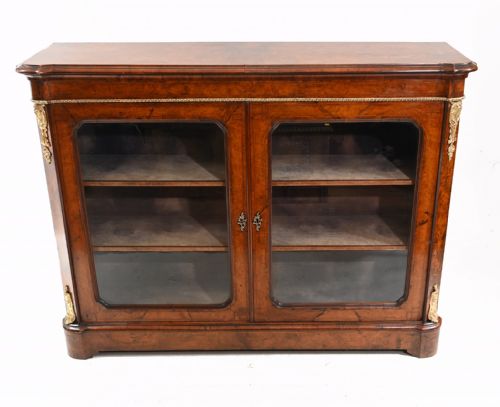
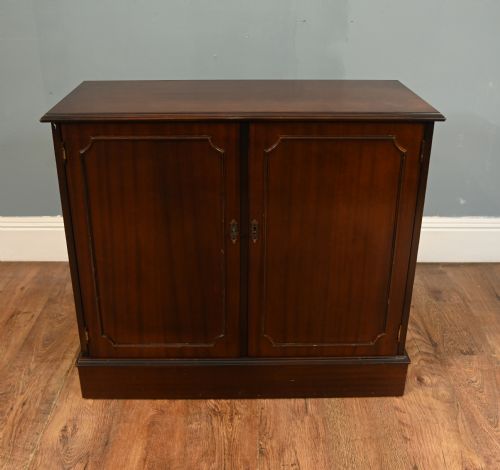
An antique double door sideboard covers a diverse group of large storage pieces encountered in timber ranging from Georgian mahogany to Victorian burr walnut. These forms span formal side cabinets, chiffoniers, linen cupboards and cocktail cabinets designed for domestic service.
The pieces appearing here lean heavily toward Victorian and Georgian iterations, often built with two primary doors enclosing shelving or cellarette drawers. Variations stretch from low linen cupboards to grand salon display cabinets utilising French Provincial, Regency and Queen Anne styles.
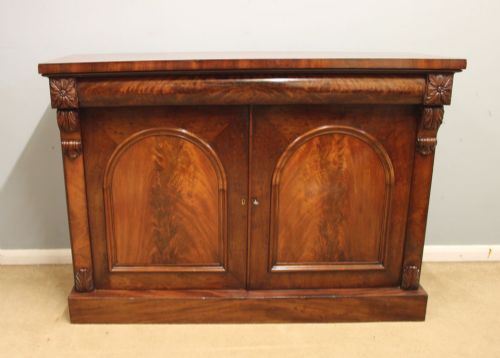
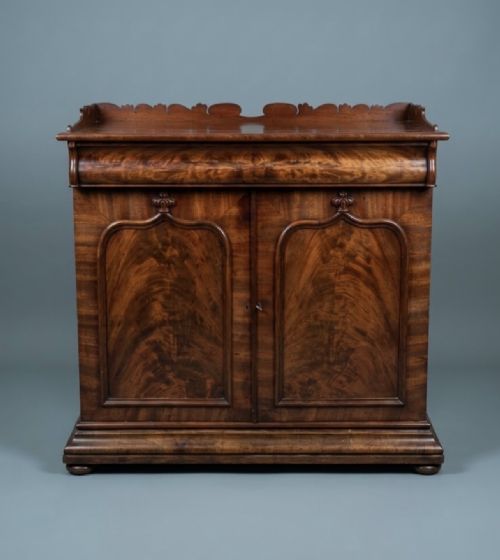
Surface treatments across these examples rely heavily on flame mahogany veneer and burr walnut, though cherry wood, oak and hand-painted finishes also surface. Buyers encounter everything from austere 18th-century utility cupboards to ornate carved server units.
How they were made
Makers constructed these carcasses using dense hardwoods like mahogany and walnut, frequently applying dramatic flame mahogany veneer or burr walnut to primary display surfaces. Secondary timbers provided structural stability inside the cupboards and drawers.
Metal fittings in brass and occasional ormolu secure the doors and drawers, while glass inserts appear on specialised pier and display cabinets. Surface ornamentation relies on carved details, hand-painted motifs, and polished timber grain rather than applied synthetic finishes.
Antique Double Door Sideboard Retail Price Guide 2026
Typical asking prices for double door sideboard among the pieces listed under this phrase on Sellingantiques today, from the lower quarter to the upper quarter. They describe what is for sale here now, not the wider market.
Cabinet forms on this page span French Provincial, Regency, and Queen Anne design influences.
What varies in quality
The hierarchy of these pieces rests upon the selection of timber veneers and the precision of the cabinet joints. Highly figured burr walnut and book-matched flame mahogany separate standard utility cupboards from high-status salon pieces.
Proportion and decorative restraint dictate the aesthetic tier of each cabinet. Pieces exhibiting harmonious proportions, crisp carving, and integrated brass hardware sit firmly above heavier, less refined regional variants.
Maple and Co·Melissa White
The Antique Double Door Sideboard Glossary
- Flame mahogany veneer
- A thin slice of mahogany timber cut from the fork of the tree to create a distinctive flickering flame pattern. Cabinet-makers applied this to primary door panels for maximum visual impact.
- Burr walnut
- Timber harvested from a growth on a walnut tree, yielding a swirling, intricate knot formation. It was prized for high-end Victorian and decorative cabinet doors.
- Chiffonier
- A compact sideboard or low cupboard featuring a shelf on top supported by pillars. This form gained popularity during the Regency and Victorian periods.
- Pier cabinet
- A narrow display cabinet designed to fit against the wall space between windows. These frequently incorporate glass doors to showcase porcelain and collectibles.
- Ormolu
- Gilt bronze ornamentation applied to furniture mounts and details. It adds a metallic lustre to French and high-style British pieces.
Antique Double Door Sideboard: Frequently Asked Questions
What is the difference between a sideboard and a chiffonier?
A sideboard is typically a long, low dining room serving piece with extensive cupboards and drawers designed for heavy plate storage. A chiffonier is generally smaller, often featuring an upper shelf tier supported by columns and originating as a versatile living space cabinet.
While both share double door configurations in many examples, their scale and intended rooms set them apart. Chiffoniers frequently appear in sitting rooms and smaller parlours.
How do I date a mahogany double door cabinet?
Dating relies upon examining the secondary timbers, construction joints, and stylistic cues present in the mouldings and handles. Georgian pieces tend to exhibit straight-grained mahogany and hand-cut dovetails, while Victorian examples often embrace heavier proportions and elaborate veneers.
Hardware changes also provide clues, as brass fixtures evolved from simple drop handles to ornate cast designs across the nineteenth century.
Can these sideboards fit modern dining rooms?
These cabinets provide deep interior storage that easily accommodates modern tableware, linens, or media equipment. Their substantial timber presence anchors a dining space or hallway effectively.
Measuring the depth is essential, as older pieces often exceed the dimensions of contemporary shallow credenzas.
What maintenance do walnut and mahogany surfaces need?
Regular dusting with a dry, soft cloth prevents particulate buildup on polished timber veneers. Application of traditional beeswax nourishes the wood grain and maintains a deep lustre without sealing the finish permanently.
Direct sunlight and extreme humidity fluctuations must be avoided to prevent veneer lifting or timber splitting.