
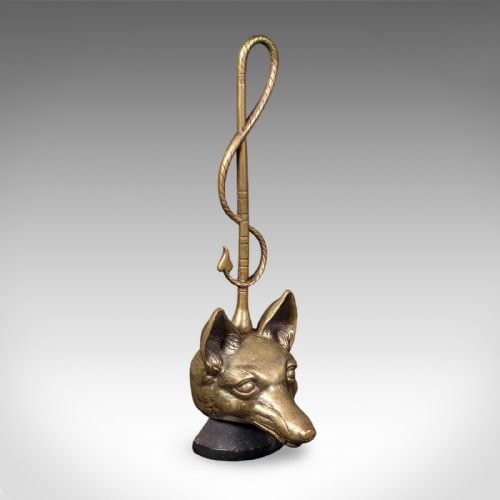


Antique Door Keeper
An antique door keeper holds heavy interior doors open while adding sculptural presence to a hallway.
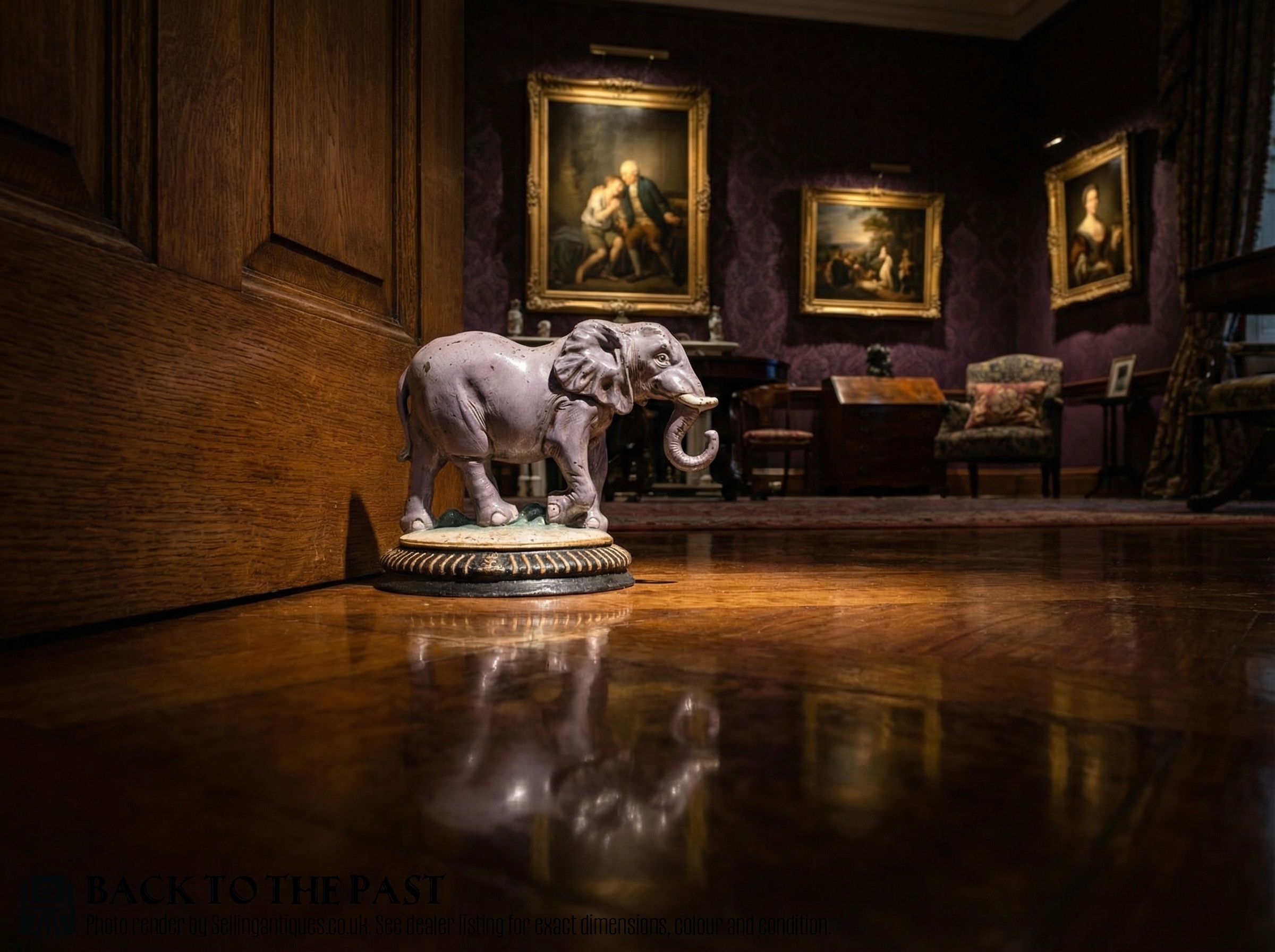
Antique Door Keeper
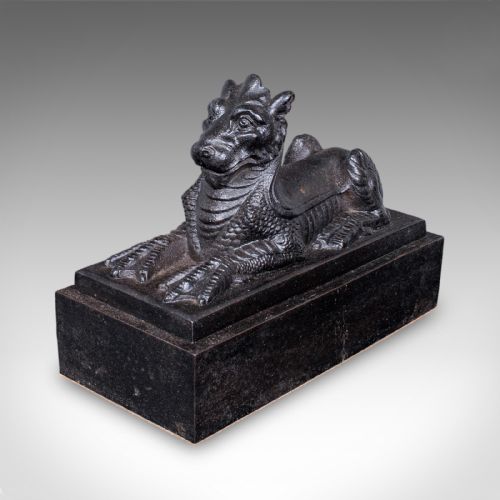
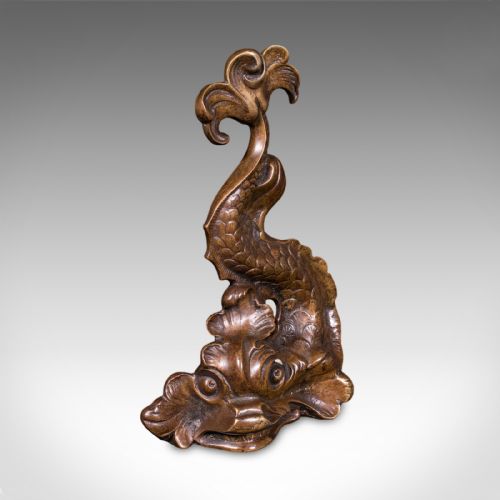
When you search for an antique door keeper, you encounter heavy functional objects designed to hold doors open in traditional interiors. These pieces appear most frequently as cast iron or brass figurative doorstops taking the form of lions, dogs, and mythical creatures from the Victorian and Regency periods.
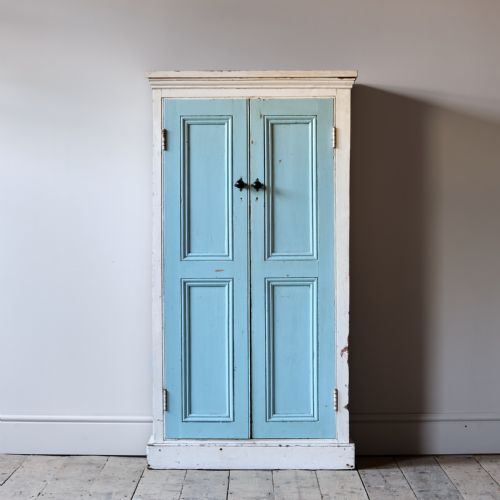
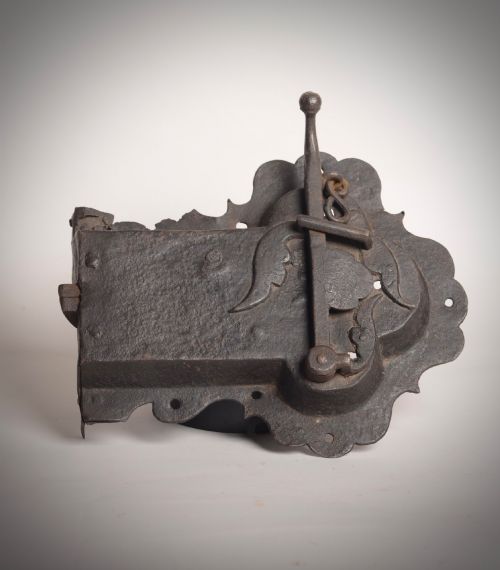
The term also encompasses related utilitarian items such as housekeeper's cupboards in pine or mahogany, alongside heavy steel and brass door locks with matching keeps. Victorian examples dominate the selection, though earlier 17th century rim locks and Georgian box locks also feature in the archive.
Buyers select these items to anchor doors in period properties or to introduce substantial metalwork and carved wood into a room. The variety spans diminutive dog figures up to large country house cupboards and architectural door hardware.
Materials and construction methods
Foundry work defines the metal door stops and keepers, utilising cast iron, brass, bronze, and steel shaped through traditional casting and forging techniques. Many cast iron examples retain traces of early paint, while brass pieces rely on polished surfaces and applied detailing.
Cabinet makers constructed the larger housekeeper's cupboards and linen presses from painted pine, mahogany, and oak, incorporating panelled doors and turned elements. Ironmongery components like box locks and rim locks combine forged steel bodies with brass embellishments and matching keys.
Border Collies, lions, dolphins, and putti stand guard as heavy doorstops across the centuries.
Factors that distinguish finer examples
For wooden housekeeper's cupboards and architectural locks, quality is evident in the timber selection, such as figured mahogany or sturdy pine, and the intactness of working mechanisms like brass keys and internal keeps.
The Antique Door Keeper Glossary
- Door keeper
- A heavy weight, typically cast iron or brass, used to keep an interior door stationary. These objects often take decorative figurative forms.
- Housekeeper's cupboard
- A large storage piece, usually made of pine or mahogany, historically used for linen and household provisions. Examples range from smaller dwarf variants to large two-door formats.
- Rim lock
- A mechanical lock fixed to the surface of a door rather than mortised into the edge. Early versions feature decorative cast iron or brass plates.
- Keep
- The metal bracket on a door frame into which a lock bolt or latch engages. These are frequently found alongside antique box locks.
- Linen press
- A tall cabinet designed for storing folded garments and textiles, often paired with a housekeeper's cupboard form.
Antique Door Keeper: Frequently Asked Questions
What is an antique door keeper used for?
These heavy items serve primarily to prop interior doors open in houses with draughts or heavy timber construction. They combine this practical utility with sculptural presence in hallways and reception rooms.
Beyond doorstops, the category includes functional storage furniture like housekeeper's cupboards and robust security hardware such as brass door locks.
How do I date a cast iron doorstop?
Dating relies on stylistic clues, foundry marks, and the quality of the casting compared against documented Victorian and Regency examples. Victorian pieces often display naturalistic animal forms or heraldic motifs popular during the nineteenth century.
Examining the wear to the base and the condition of any original paint layers helps establish the age of the metalwork.
Are housekeeper's cupboards difficult to place?
These large storage pieces require substantial wall space and clearance for their panelled doors. They function well in traditional kitchens, utility rooms, or large hallways for storing linens and tableware.
Smaller dwarf versions offer similar cabinetry character while fitting more easily into modern room proportions.
What metals were used for door keepers?
Foundries used cast iron, brass, bronze, and steel depending on the desired weight and decorative finish. Cast iron provided the necessary mass for heavy doorstops, while brass allowed for brighter polished details.
Locks and smaller hardware combined forged steel mechanisms with decorative brass plates and keys.