
Antique Document Drawers
Antique document drawers bring practical storage and period character to a room, offering compartments designed to keep papers and letters in order.
Antique Document Drawers
When searching for antique document drawers, buyers encounter a variety of storage pieces ranging from compact table boxes to large banks of multi-drawer cabinets. These items originate across the eighteenth, nineteenth, and early twentieth centuries, reflecting the administrative and domestic needs of their respective eras.
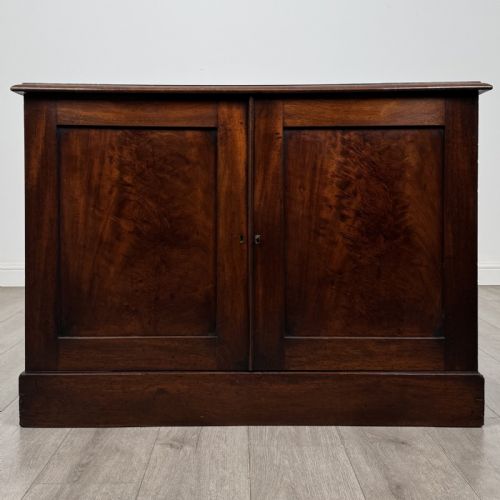
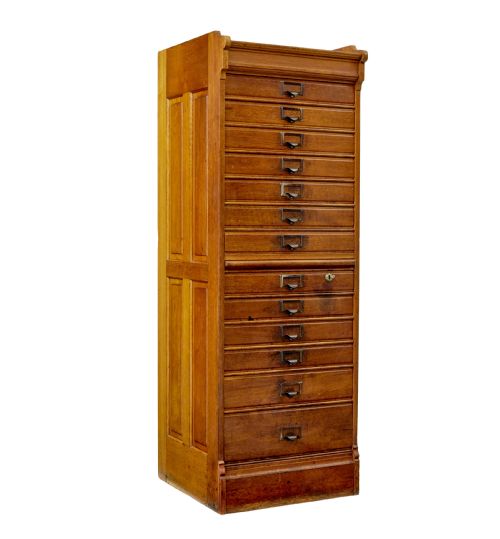
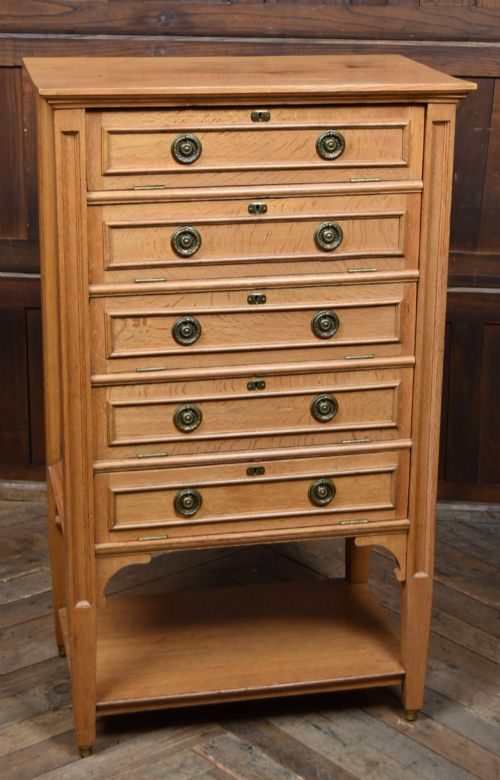
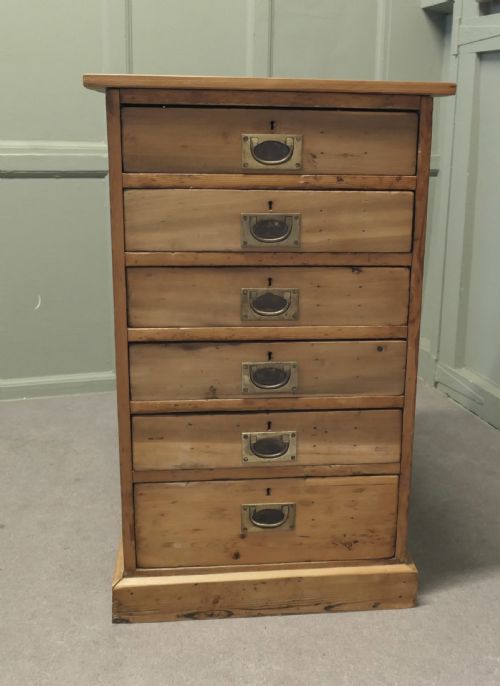
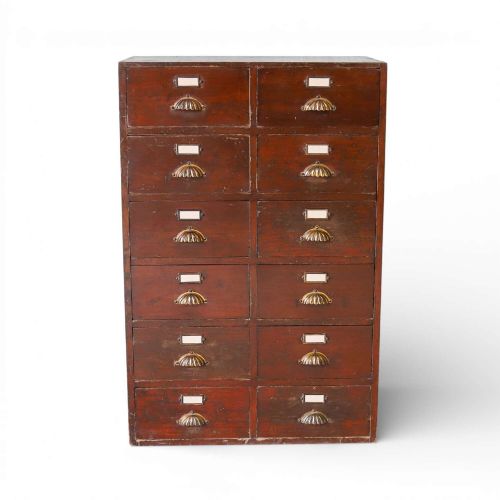
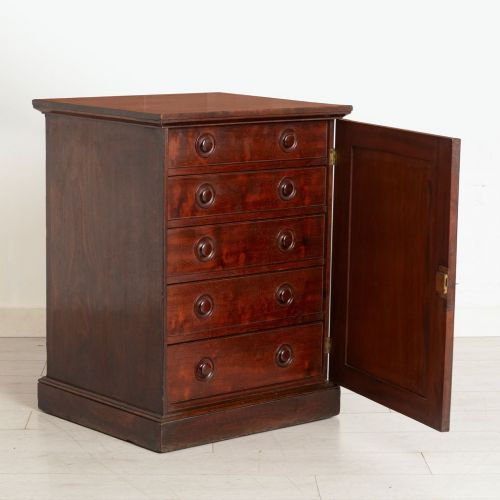
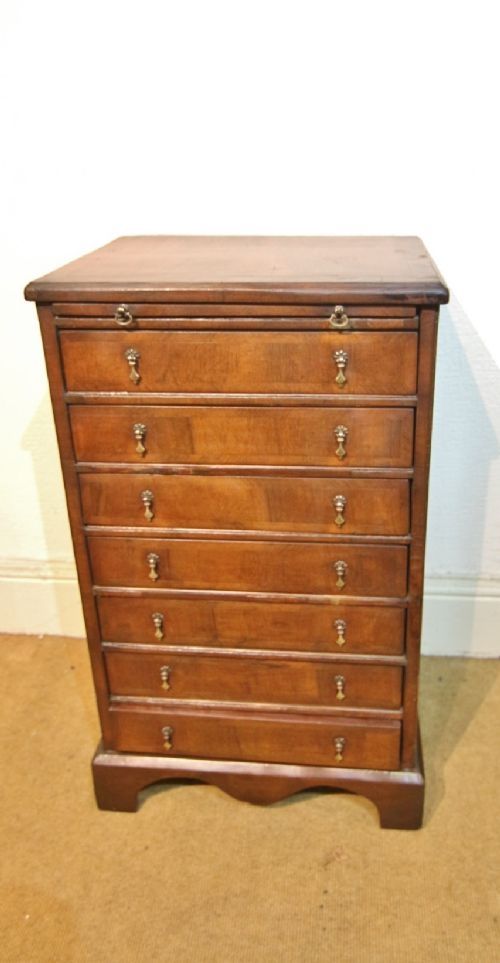
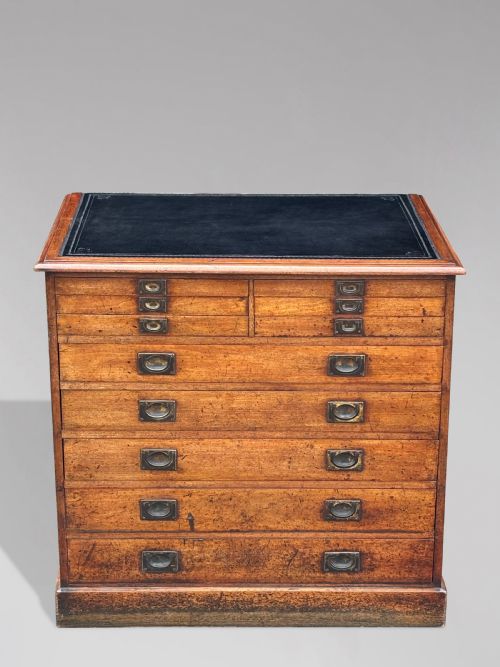
The selections available here frequently include oak and mahogany filing cabinets, pine office chests, and specialised organizers such as music cabinets and writing slopes. Versions in oak and mahogany from the Victorian and Edwardian periods appear regularly across the listings.
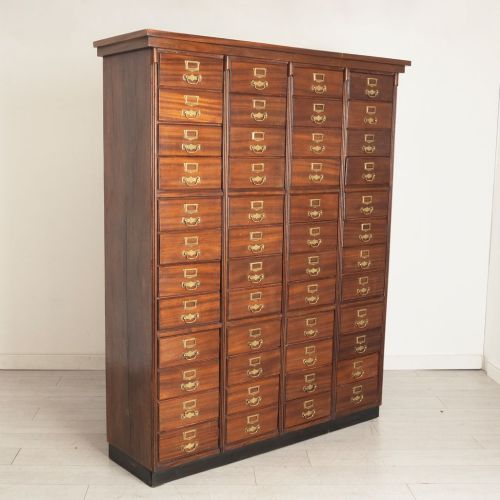
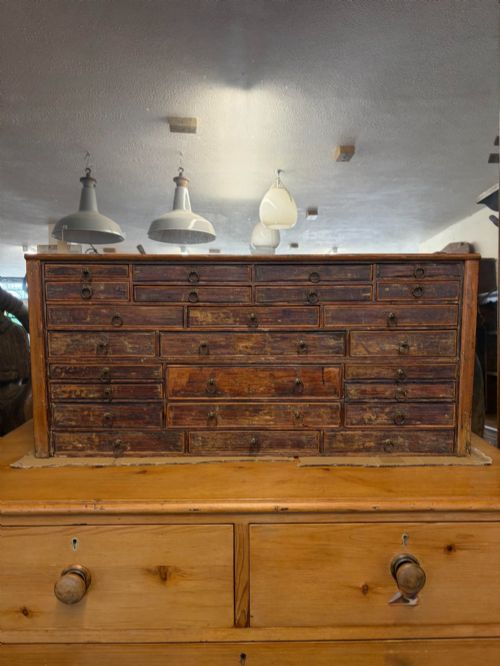
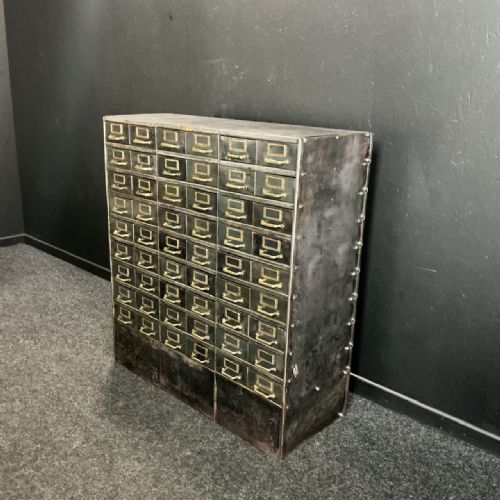
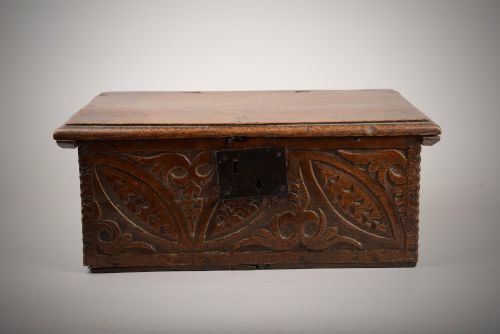
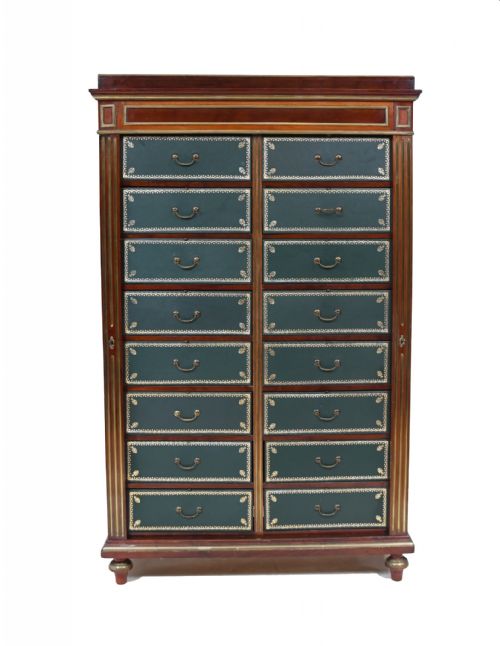
Beyond standard filing furniture, forms extend to industrial banks of drawers, French cartonnier chests, and table-top boxes with internal compartments. Each type serves the fundamental purpose of document sorting while displaying the distinct construction methods of its period.
Materials and construction
Cabinet makers utilised dense hardwoods such as mahogany, walnut, and oak alongside utilitarian softwoods like pine to build these storage pieces. Durability remained a priority, leading to solid timber construction for frames and drawer carcasses.
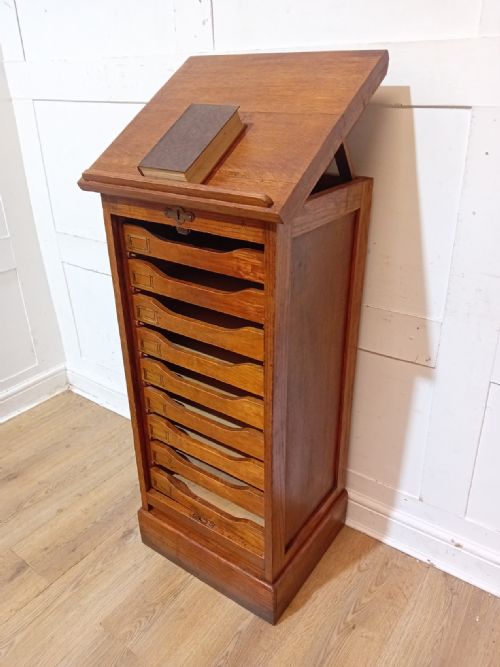
Metal components played a crucial role in daily operation, incorporating brass handles, shell pulls, label holders, and specialised locks. Selected pieces also integrated iron brackets or internal mechanisms such as tambour fronts and patent filing systems.
Surface finishes and detailing varied by origin, encompassing leather inserts, brass bound edges, and ormolu mounts on French examples. Joinery techniques ensured that multi-drawer units could withstand regular office or domestic handling.
Listings feature storage pieces built from mahogany, oak, pine, and walnut, spanning the eighteenth to the mid-twentieth century.
Distinctions in quality
Superior examples demonstrate refined selection of timber figure, such as figured walnut or matched mahogany, alongside precise joinery in the drawer construction. The integration of original hardware, including designated label holders and maker-stamped locks, elevates the standing of a piece.
Luxmore's of Ilfracombe·Amberg
The Antique Document Drawers Glossary
- Cartonnier
- A specialised cabinet designed to hold papers, documents, or cartons, often associated with nineteenth-century French styling.
- Tambour
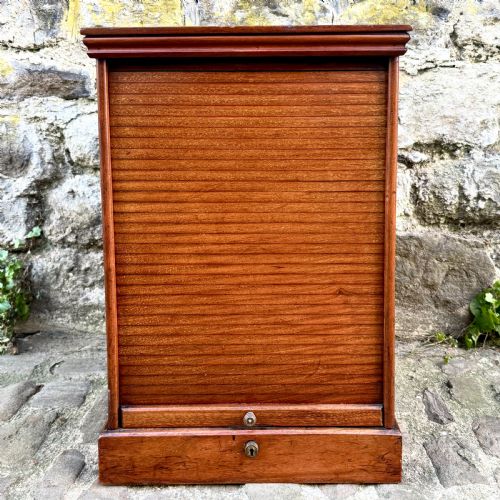
- A sliding door constructed from narrow vertical strips of wood glued to a canvas backing, allowing it to curve around the front of a cabinet.
- Writing slope
- A portable or desk-mounted box with a slanted writing surface that opens to reveal internal stationery compartments and secret drawers.
- Bank of drawers
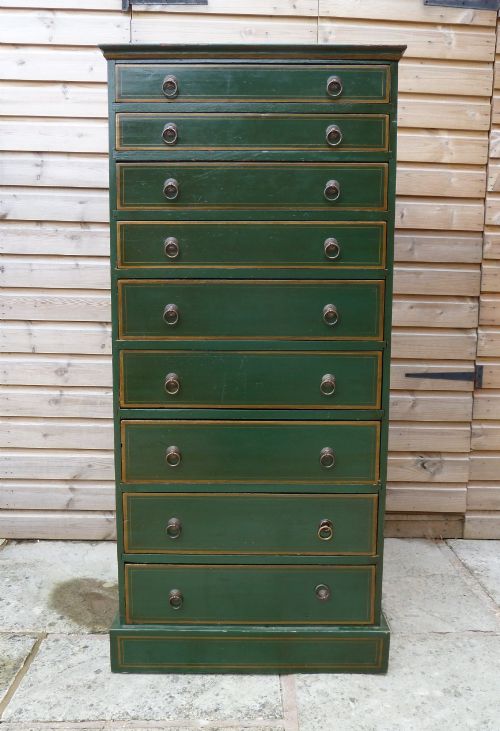
- A large multi-drawer chest or cabinet intended for extensive sorting and filing of documents in an office or commercial setting.
- Specimen cabinet
- A small-scale multi-drawer chest traditionally used for organising collections, adapted for document and paper storage.
Antique Document Drawers: Frequently Asked Questions
What are antique document drawers?
Antique document drawers are specialised storage units built to hold papers, letters, and files. They include filing cabinets, banks of drawers, and desk boxes dating from earlier centuries.
These pieces were constructed for offices, studies, and libraries. They range from small table-top organizers to large floor-standing filing furniture.
How do I date an oak filing cabinet?
Dating an oak filing cabinet involves examining the hardware, timber thickness, and overall construction style. Edwardian and late Victorian pieces often feature brass label holders and specific drawer jointing.
Industrial variants from the early twentieth century display heavier metal fixtures and simpler, utility-focused designs. Comparing the internal construction with known period styles clarifies the manufacturing era.
Where were document drawers used?
Document drawers primarily served professional offices, legal chambers, and domestic studies. They kept correspondence, invoices, and sheet music organised before modern digital filing existed.
Specific forms like post office filing shelves and campaign cabinets were also adapted for travel or specialised institutional sorting. Their robust build suited environments requiring daily document retrieval.
How do I care for mahogany document cabinets?
Caring for mahogany document cabinets requires maintaining stable indoor humidity and avoiding direct sunlight. Regular dusting with a soft cloth preserves the polished timber surface.
Leather writing inserts or brass hardware benefit from gentle cleaning without harsh chemical polishes. Proper placement away from heat sources protects the antique wood from warping.