
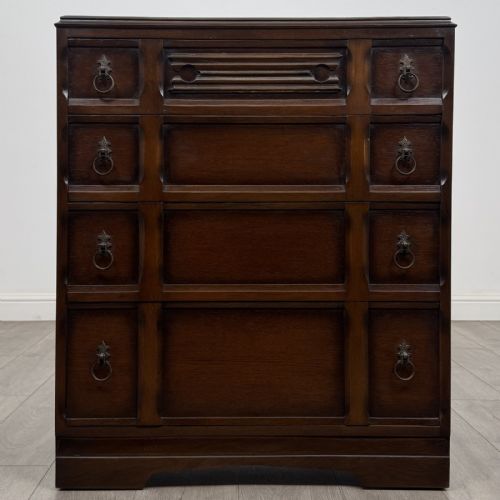
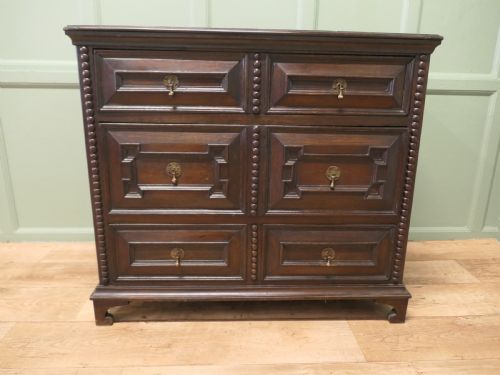
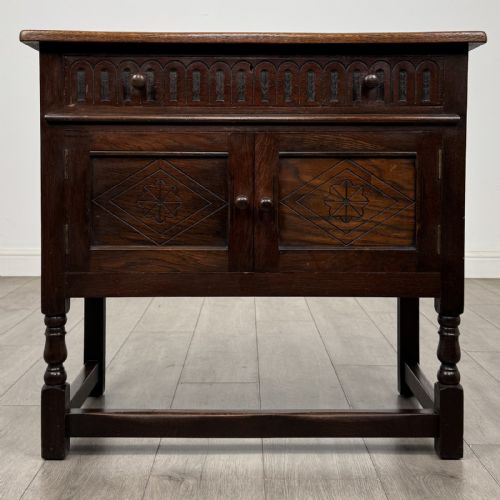
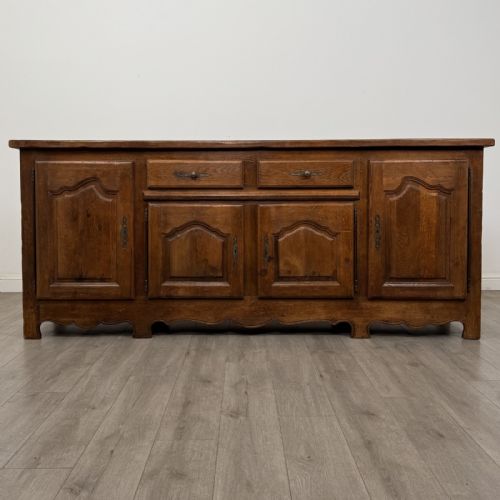
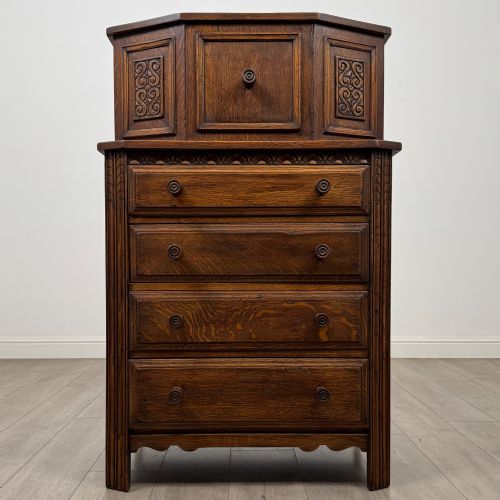


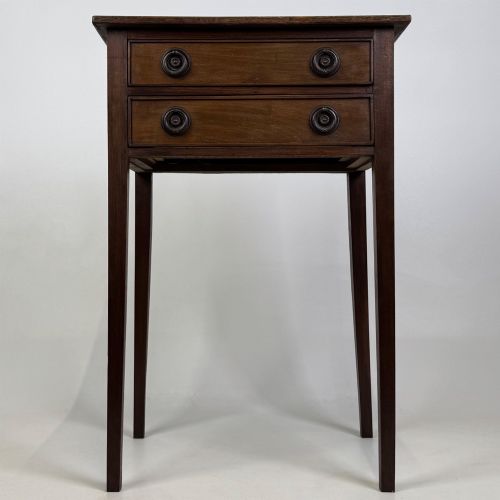
Dark Brown Drawer Cabinet
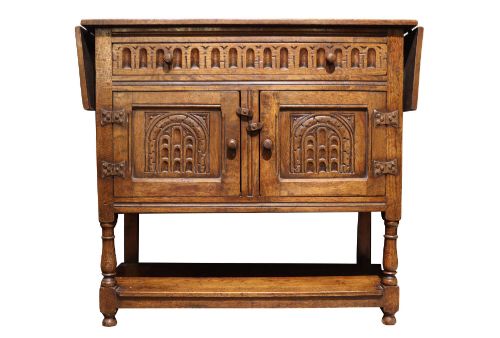
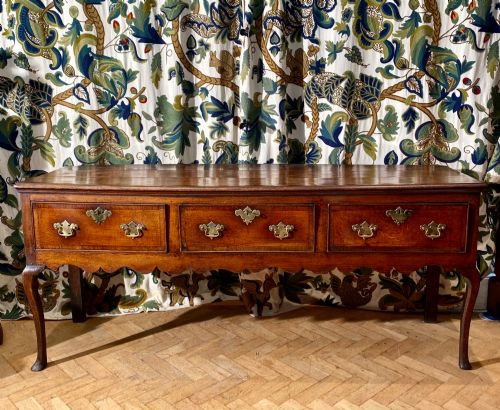
A dark brown drawer cabinet brings rich timber tones and practical compartmental storage into a room, drawing on centuries of cabinet-making tradition.
Dark Brown Drawer Cabinet
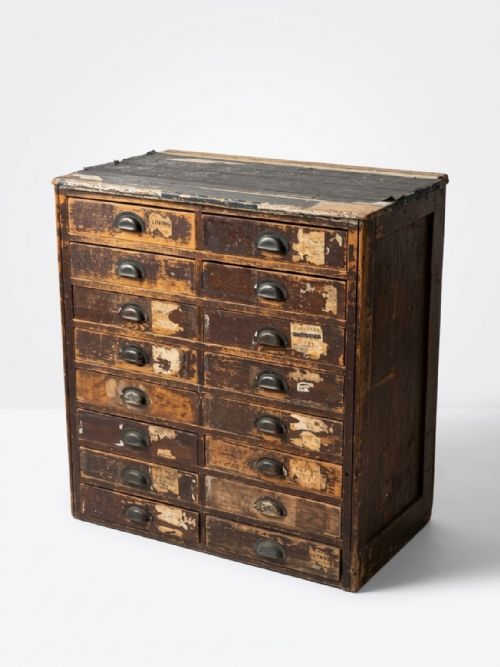
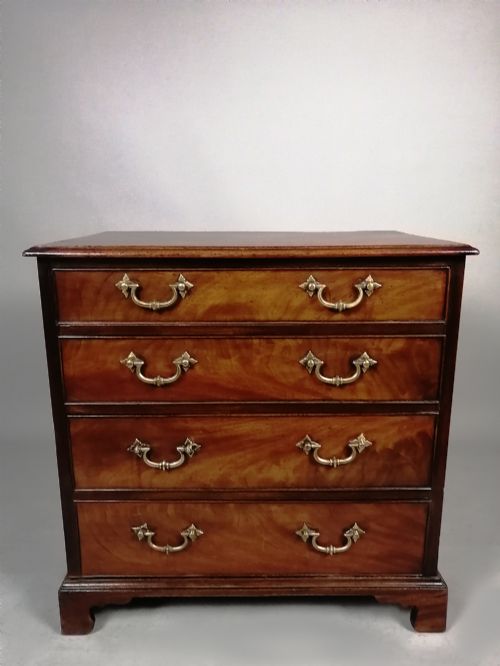
A dark brown drawer cabinet encompasses a variety of timber storage furniture, most frequently appearing on this page as chests of drawers, bookcase bureaux, and specialised filing or apothecary cabinets. These pieces span centuries of production, taking shape during the 17th, 18th, 19th, and 20th centuries across Georgian, Victorian, Edwardian, and Regency periods.
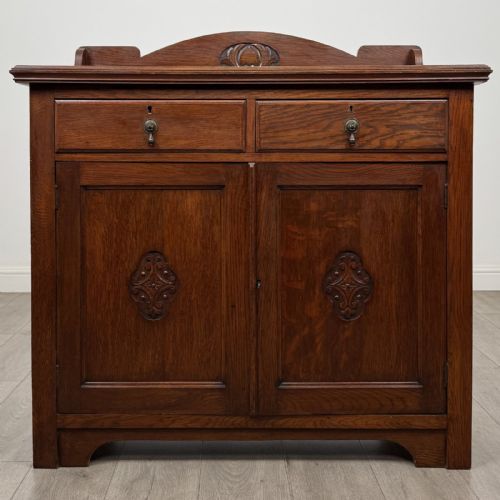
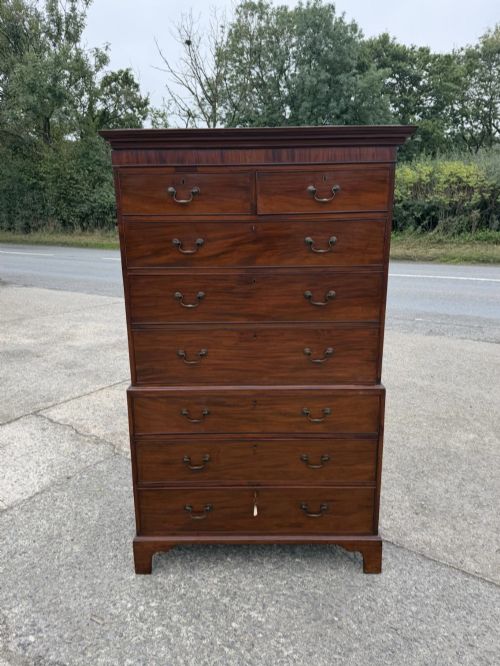
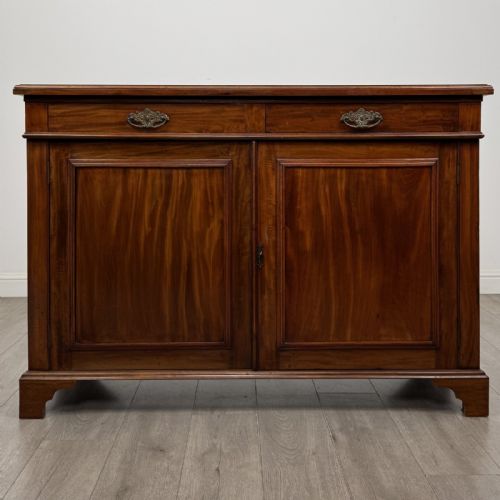
Buyers encounter forms ranging from tall mahogany chests and compact oak bedside cabinets to multi-drawer banks and Welsh dressers. The lineage stretches from early Charles II and Jacobean Revival designs through to Edwardian domestic iterations in oak and mahogany.
Origins vary from British workshops to Anglo-Indian and Japanese ateliers, utilising dense hardwoods and native timbers to provide structured storage. The prevailing aesthetic relies on the deep, natural dark brown patination of aged wood surfaces.
Evaluating Craftsmanship
Quality rests upon the selection of timber and the precision of the cabinet-maker's joinery, distinguishing robust utilitarian pieces from finely ornamented furniture. Finer examples display harmonious proportions, sophisticated carving, and well-figured grain patterns in woods like Cuban mahogany or old oak.
The integrity of the original hardware, smooth operation of the drawers, and depth of the aged patination separate standard regional pieces from superior workshop productions. Attention to structural details, such as dovetailed drawer construction and intact period brasses, dictates the standing of each cabinet.
Listings feature oak, mahogany, rosewood, teak, and pine across periods from the 17th century through the Edwardian era.
The Dark Brown Drawer Cabinet Glossary
- Wellington chest
- A tall, slender chest of drawers featuring a hinged locking flap on one side that secures all the drawers simultaneously. This form typically includes multiple shallow tiers designed for papers or linen.
- Apothecary bank
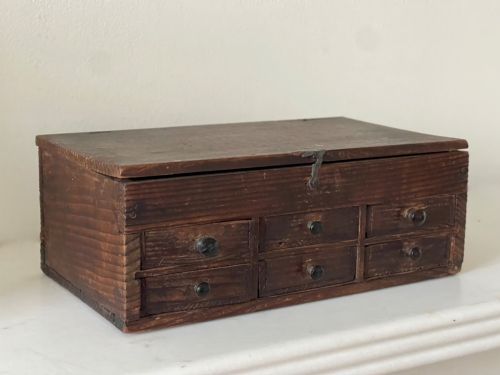
- A multi-drawer cabinet originally utilised by chemists and pharmacists for storing ingredients and remedies. These pieces feature numerous small compartments, often arranged in large geometric grids.
- Chest on stand
- A case piece consisting of an upper chest section elevated on a separate framework with legs. This form lifts the main storage body off the floor, frequently seen in 17th and 18th century oak pieces.
- Secretaire bookcase
- A tall cabinet combining a glazed upper bookcase with a lower writing drawer that drops forward on hinges. The fall front reveals a fitted interior of small drawers and pigeonholes.
- Bow front
- A convex curved cabinet front that swells outward in the centre. This decorative shaping appears frequently on Regency mahogany chests of drawers.
Dark Brown Drawer Cabinet: Frequently Asked Questions
What is a Wellington chest?
A Wellington chest is a tall, narrow set of drawers characterised by a hinged wooden stile on the right side that locks with a key. This design secures every drawer at once.
The form originated in the 19th century and was valued for keeping private papers or valuables secure within a compact footprint.
How do I date a mahogany chest?
Dating a mahogany chest involves examining the construction of the drawer linings, the type of timber used, and the style of the brass handles or feet. Earlier 18th-century pieces often feature dense Cuban mahogany and hand-cut dovetails.
Later Victorian and Edwardian examples show machine-sawn elements and different secondary woods, while stylistic cues like bracket feet or cockbeading point to specific decades.
Where were apothecary cabinets used?
Apothecary cabinets were traditionally used in dispensaries, pharmacies, and surgeries to store dried herbs, powders, and medical supplies. The numerous small drawers kept distinct substances organised.
Today, these multi-drawer banks find a place in modern homes as characterful storage units for small items in studies or kitchens.
How do I care for antique oak?
Antique oak benefits from regular dusting with a soft, dry cloth and occasional application of traditional beeswax to nourish the timber. Avoiding direct sunlight and sudden temperature changes preserves the dark brown finish.
Keeping the surface clean prevents the buildup of grime while allowing the natural patina to deepen over time.