


Antique Dessert Table
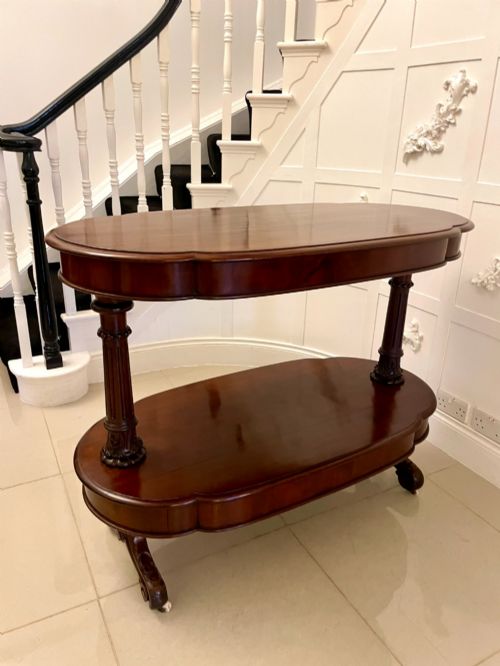
An antique dessert table brings tiered elegance to a room, offering practical surface space for dining and display.
Antique Dessert Table
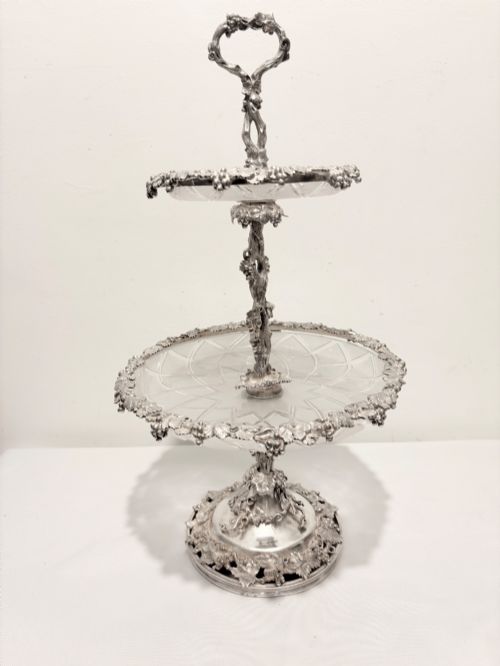
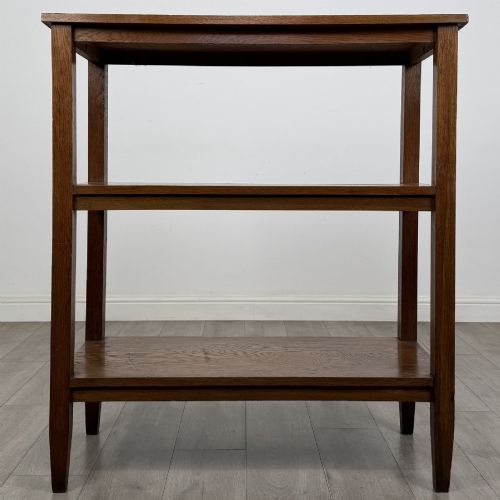
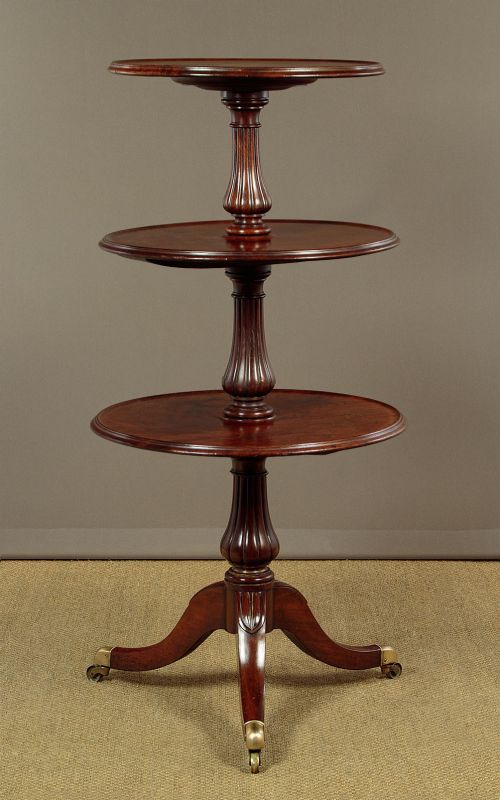
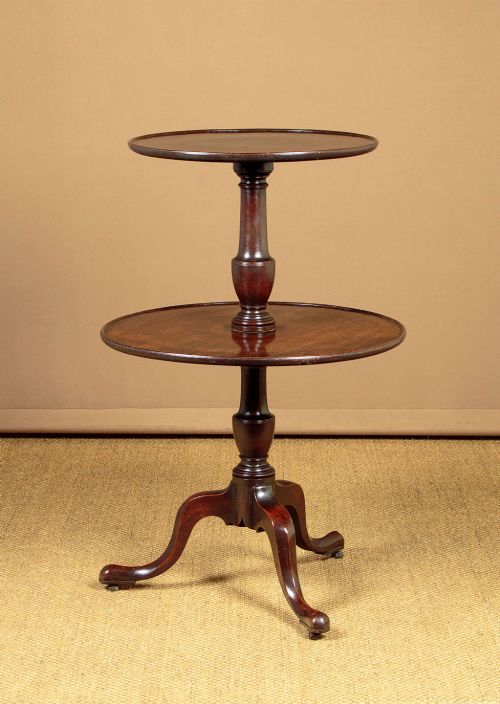
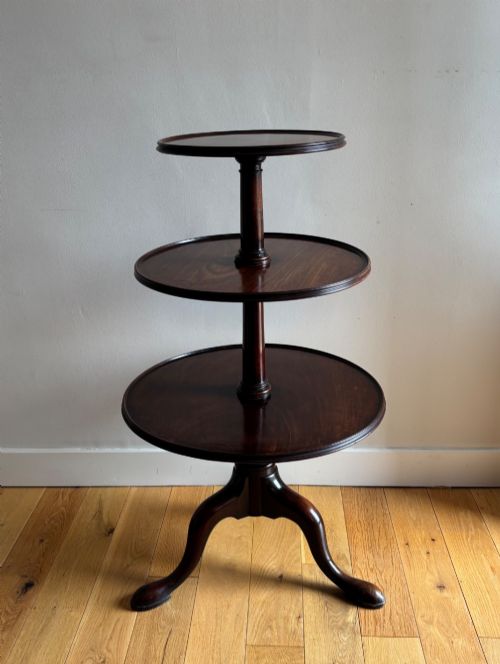
An antique dessert table encompasses tiered serving stands, folding dumbwaiters, and occasional étagères designed for hospitality. These pieces provide multiple levels for presenting food, glass, and silver during and after meals.
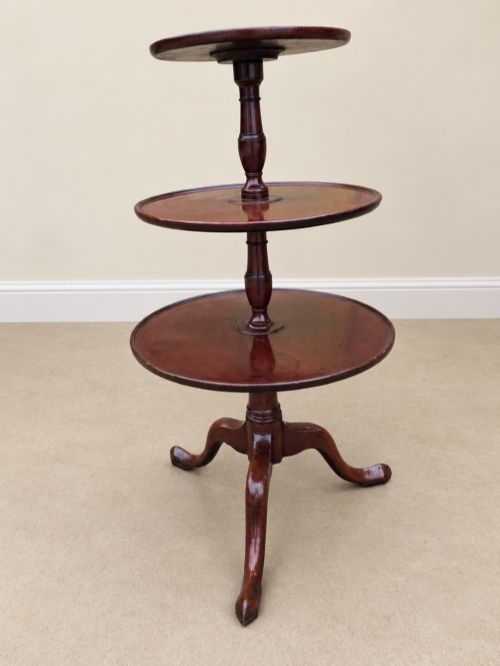
You are most likely to encounter Victorian and Georgian examples on this page, particularly mahogany and amboyna dumbwaiters. Many feature revolving or folding tiers, constructed to serve discrete functions in period dining rooms.
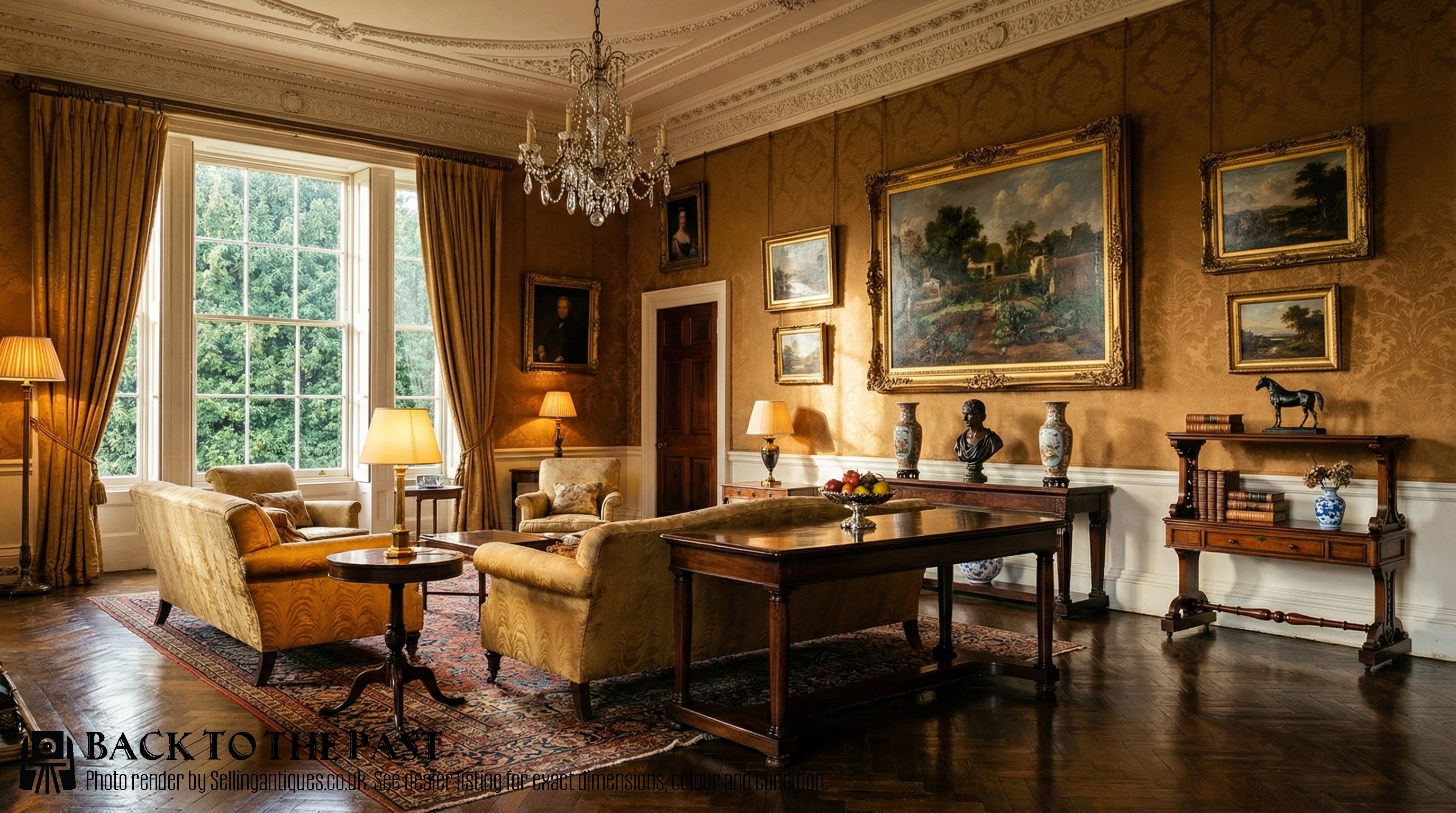
Materials and construction
Cabinetmakers utilised rich timber varieties, predominantly mahogany, satinwood, and amboyna veneer, often enhanced with ebonised wood or parcel gilt detailing. Structural integrity relied on turned pedestals, brass fittings, and occasional glass elements.
Folding mechanisms and tiered architectures required precise joinery to support pivoting or collapsing leaves. Surfaces show polished finishes that accentuate the natural grain of the wood.
Antique Dessert Table Retail Price Guide 2026
Typical asking prices for dessert table among the pieces listed under this phrase on Sellingantiques today, from the lower quarter to the upper quarter. They describe what is for sale here now, not the wider market.
Materials recorded across the inventory include solid mahogany, amboyna veneer, satinwood, brass, glass, and ebonised wood.
Distinctions in quality
The distinction between standard and superior pieces rests on timber selection and the complexity of the mechanism. Finely figured mahogany and intricate amboyna veneer elevate a piece far above plain secondary woods.
Original brass hardware and smooth-working folding or revolving pivots indicate superior workshop execution. Well-balanced proportions and crisp turning on the central columns further separate finer examples.
The Antique Dessert Table Glossary
- Dumb waiter
- A tiered serving stand or table designed to hold food and utensils without the aid of servants. These pieces typically feature multiple revolving or stationary shelves supported by a central column.
- Étagère
- A set of open shelves for displaying small ornaments, porcelain, or silver. This French form offers lighter proportions than a standard cabinet.
- Amboyna veneer
- A highly decorative wood finish derived from the burl of the Pterocarpus indicus tree. It yields a rich, mottled pattern prized for high-end cabinetwork.
- Parcel gilt
- A decorative technique where small parts of a wooden or metal surface are selectively coated in gold leaf. This highlights carved details or mouldings against a dark wood ground.
- Satinwood
- A lustrous, hard timber native to India and Ceylon, possessing a natural golden sheen. It frequently appears as a fine veneer on late eighteenth and nineteenth-century furniture.
Antique Dessert Table: Frequently Asked Questions
What is an antique dessert table?
An antique dessert table is a multi-tiered serving stand or dumbwaiter historically used for presenting courses and tableware. These pieces combine decorative presence with functional surface area.
Most examples date from the Georgian and Victorian eras, utilising timbers such as mahogany and satinwood.
How were dumbwaiters used?
Dumbwaiters held food, wine, and tableware near the dining table, allowing diners to serve themselves independently. The tiers often rotated or folded to save space.
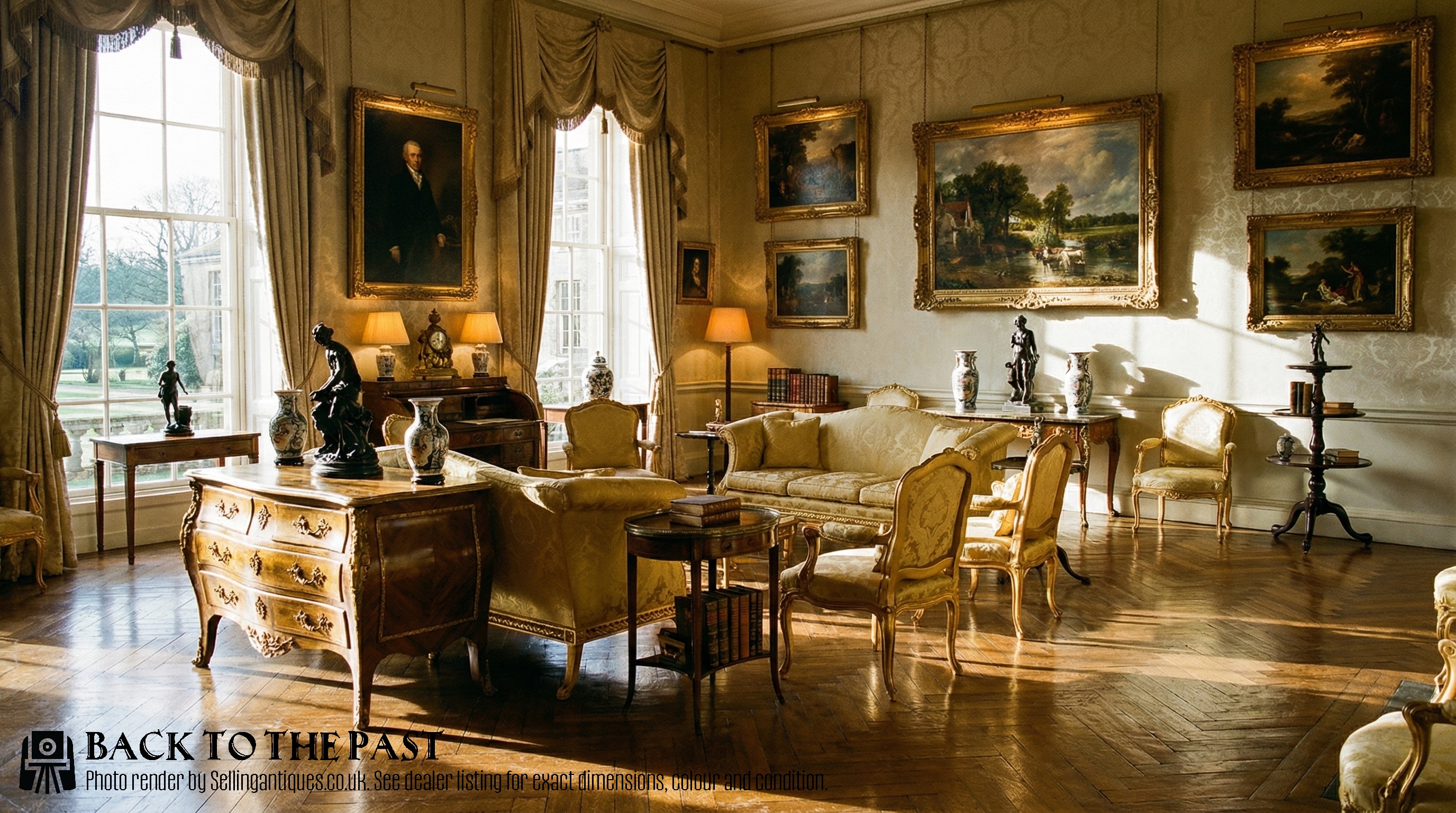
In modern interiors, they function as display stands or occasional tables for books and decorative objects.
What woods appear on these tables?
Makers predominantly used mahogany for its strength and rich grain. Other woods include amboyna veneer, satinwood, and ebonised wood.
Parcel gilt and brass fittings frequently provide contrast and structural support.
How do I identify a Georgian piece?
Georgian tables typically display solid mahogany construction, restrained classical carving, and sturdy turned pedestals. Folding mechanisms on these pieces utilise traditional hand-forged iron or brass hinges.
Later Victorian versions often introduce exotic veneers like amboyna and more elaborate tiered configurations.