
Antique Desk with Top
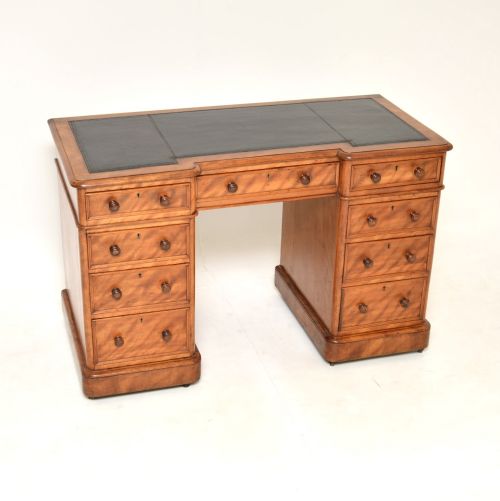
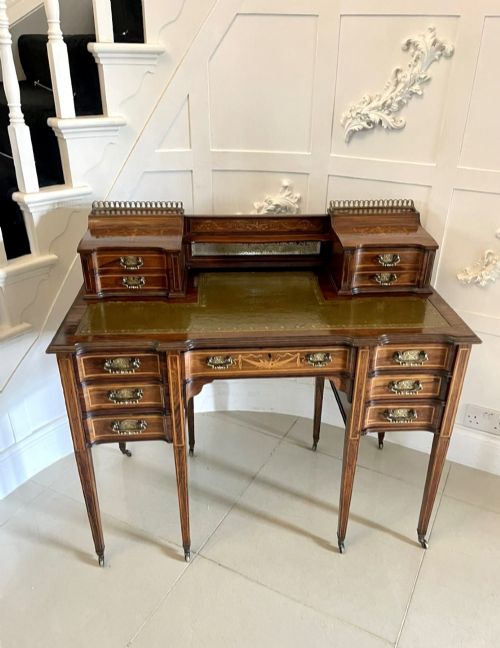
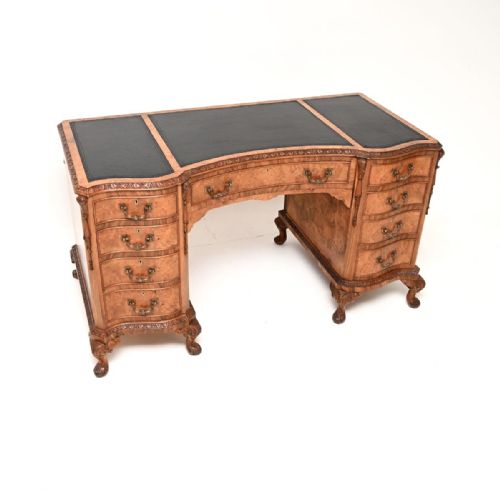
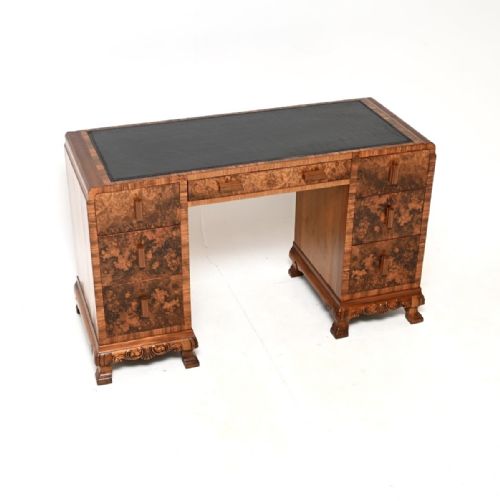
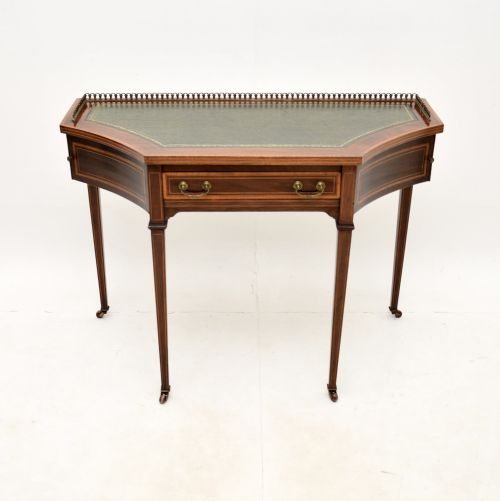
When you search for an antique desk with top, you are looking at substantial writing furniture featuring an integrated superstructure, bureau section, or leather writing surface.
Antique Desk with Top
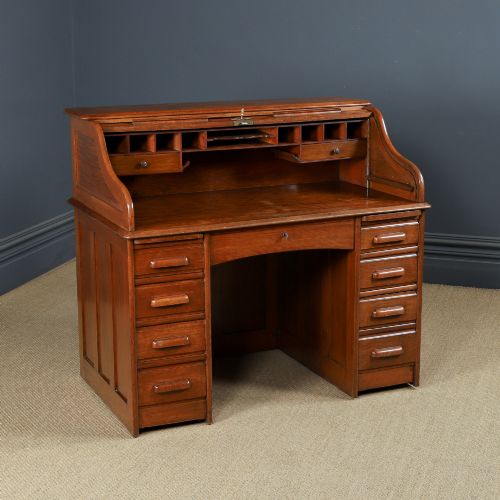
An antique desk with top brings together traditional workspace furniture and upper storage elements, ranging from pedestal formats to bureau bookcases and cylinder desks. These pieces originate across the eighteenth, nineteenth, and early twentieth centuries, reflecting diverse periods including Georgian, Victorian, and Edwardian eras.
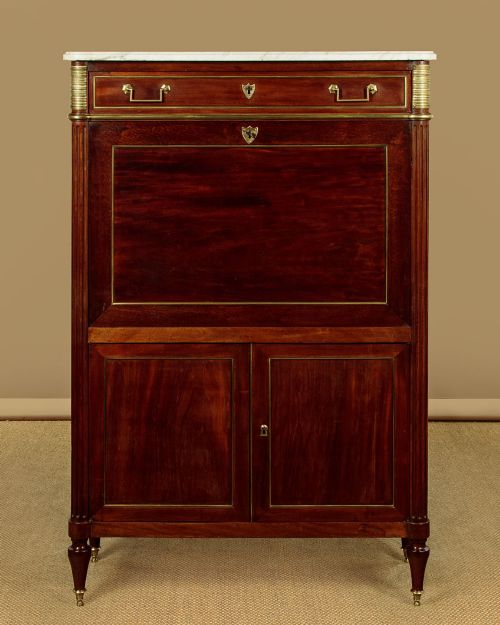
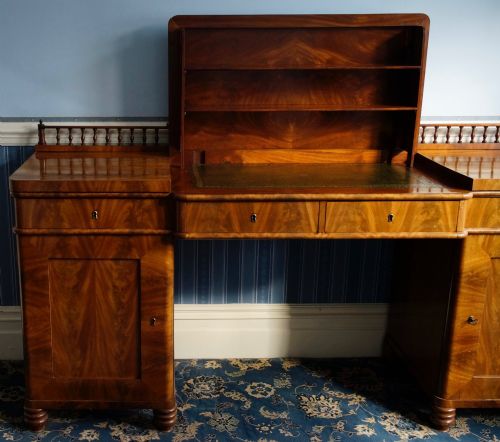
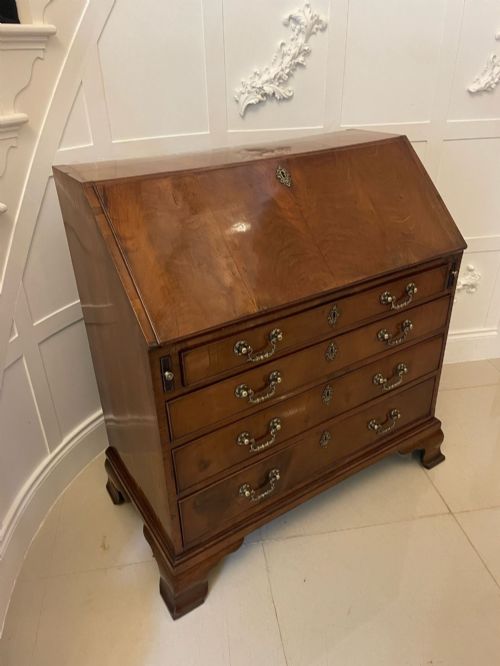
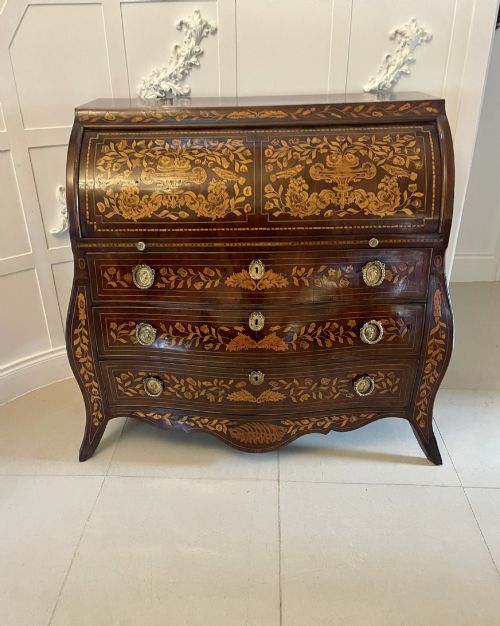
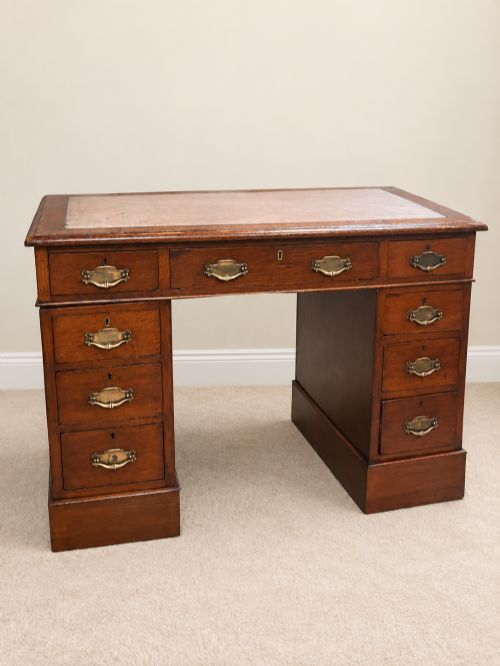
The most common formats on this page include pedestal desks with inset leather surfaces and bureau bookcases where a sloping writing flap meets upper shelving. Walnut, mahogany, and oak appear frequently alongside French styles featuring marquetry and marble.
Makers and workshops constructed these items for libraries, studies, and formal rooms, integrating galleries, stationery drawers, and superstructures to keep writing materials organised. Surviving examples retain original leather inserts, brass handles, and fitted interior compartments.
How they were made
Cabinet makers utilised solid hardwoods and fine veneers, building carcases in mahogany, oak, walnut, and rosewood. Surface decoration involved satinwood inlay, marquetry, parquetry, and mother of pearl, complemented by polished leather writing inserts.
Structural mounts and decorative details incorporated cast or gilt ormolu, brass, and bronze, particularly on French pieces from the nineteenth century. Glazed doors, tambour cylinders, and fitted pigeonholes required precise joinery and hinged mechanisms.
Period pieces span from 1700 through Georgian, Victorian, and Edwardian eras up to 1930s designs.
What varies in quality
Material selection divides standard utilitarian furniture from exceptional cabinet work, seen in figured burr walnut veneers, dense mahogany, and solid oak constructions. The choice of secondary timbers inside drawers and the precision of dovetail joints indicate workshop standards.
Hardware integrity dictates overall preservation, distinguishing pieces with original cast brass handles, functioning locks, and intact tooled leather writing surfaces from those with later replacements. The delicacy of hand-cut marquetry inlay and chased ormolu mounts further separates high-end examples.
Tudor And Burrey Shrewsbury·A Cohen And Co Ltd London
The Antique Desk with Top Glossary
- Bureau bookcase
- A writing bureau with a sloping flap combined with an upper shelving or cabinet section. These pieces provide enclosed desk space alongside display or storage capacity.
- Pedestal desk
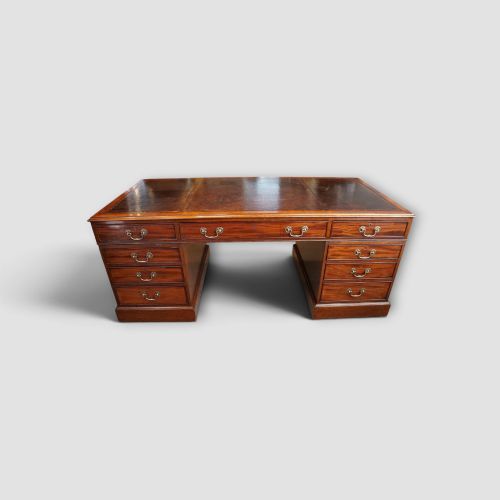
- A heavy freestanding desk supported by two banks of drawers beneath the work surface. They frequently incorporate tooled leather writing panels.
- Cartonnuer
- A tabletop cabinet designed to hold papers, files, or documents in upright compartments. They often appear on nineteenth-century French desks.
- Escritoire
- A small writing cabinet featuring a fall-front writing surface concealing internal compartments. They emerged in various revival styles during the nineteenth century.
- Superstructure
- An upper tier of drawers, pigeonholes, or shelving built onto the rear of a desk top. This addition kept stationery organised above the primary writing surface.
Antique Desk with Top: Frequently Asked Questions
What is a partners desk?
A partners desk is a large double-sided pedestal desk designed for two people to work opposite one another. These pieces feature drawers and cupboards accessible from both sides.
Cabinet makers produced them in mahogany and oak during the nineteenth century for offices, libraries, and large studies.
How do I care for leather desk tops?
Leather writing surfaces require gentle cleaning with a dry cloth and occasional treatment with appropriate leather dressings to prevent cracking. Avoid using harsh chemical cleaners or excess moisture on antique tooled leather.
Keeping the room humidity stable protects both the leather insert and the surrounding wood veneer from shrinking.
What is a bureau bookcase?
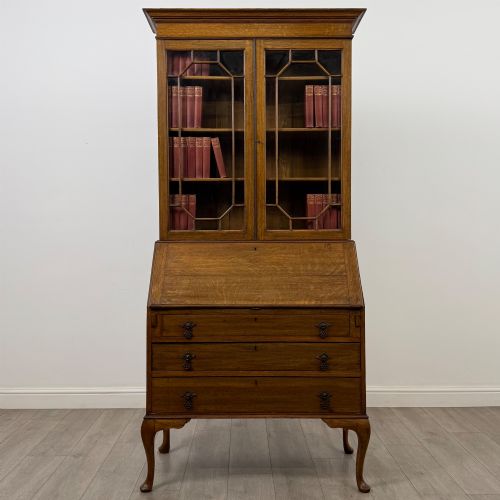
A bureau bookcase combines a lower writing desk with an upper shelving unit enclosed by glazed or wooden doors. The sloping front flap opens to reveal small drawers and pigeonholes.
These versatile items served as combined writing stations and book storage for domestic studies throughout the eighteenth and nineteenth centuries.