



Antique Desk Letter Knife
An antique desk letter knife opens correspondence with tactile grace, turning a mundane daily task into a small ceremony of polished metal and carved horn.
Antique Desk Letter Knife
An antique desk letter knife appears across writing tables and bureau drawers in various forms, functioning primarily as a letter opener or page turner. Buyers searching this phrase encounter tools designed to slice envelopes and separate folded pages cleanly without tearing the paper.
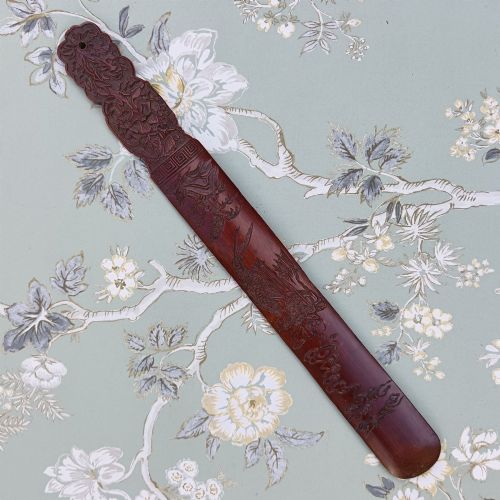
The selections span the Victorian, Edwardian, and Art Deco periods, alongside Georgian and mid-century examples. Common formats include simple sterling silver blades, tortoiseshell panels, and carved wooden pieces originating from diverse workshops.
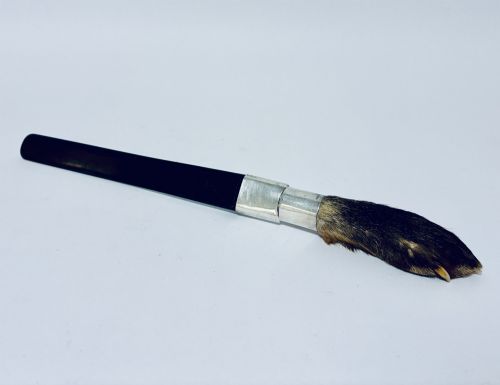
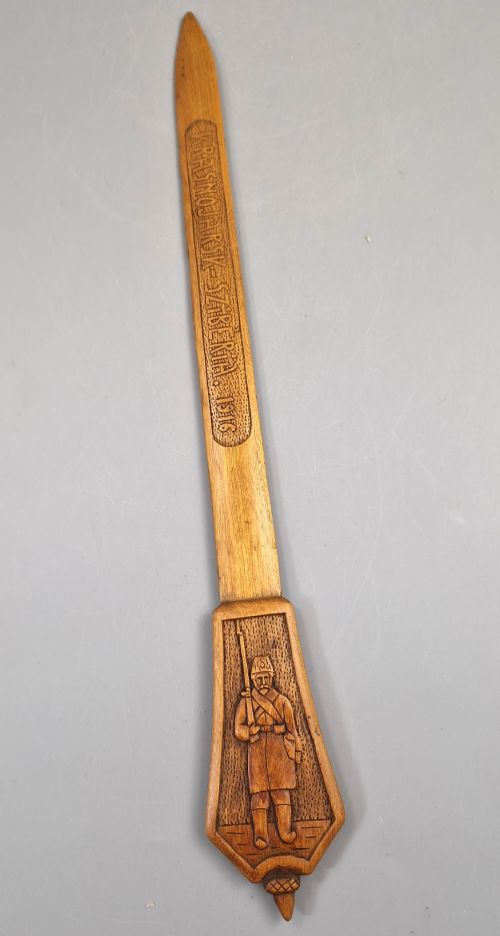
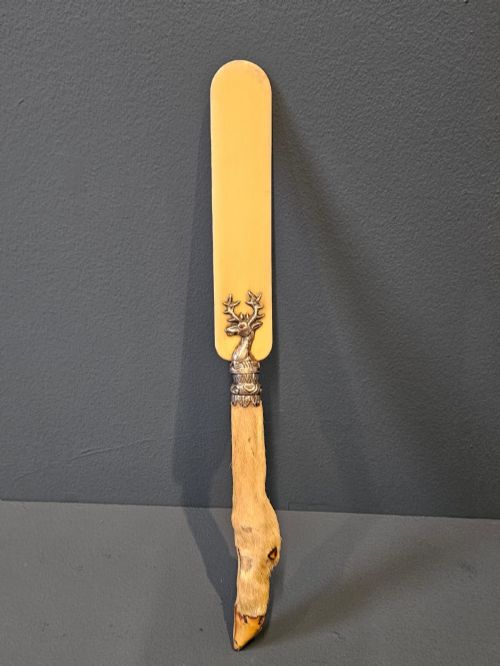
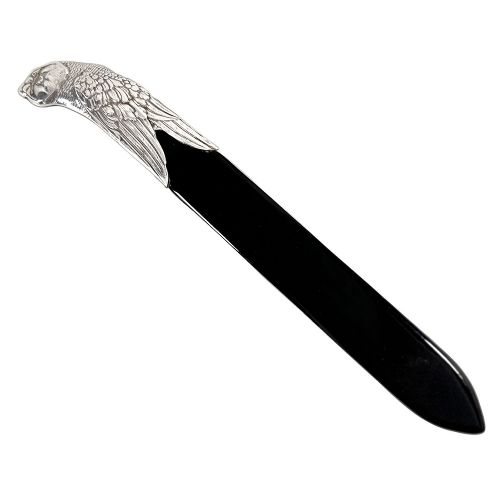
Makers paired utilitarian metal blades with decorative handles shaped like animals, figures, or heraldic motifs. Desk accessories from this category bridge the gap between practical stationery equipment and miniature sculpture.
How they were made
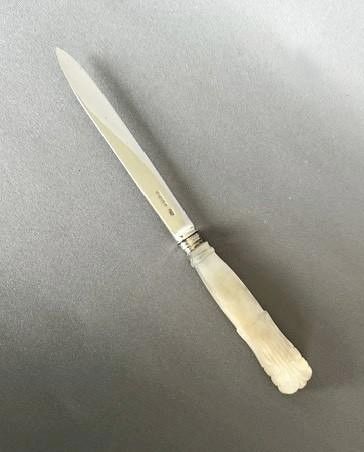
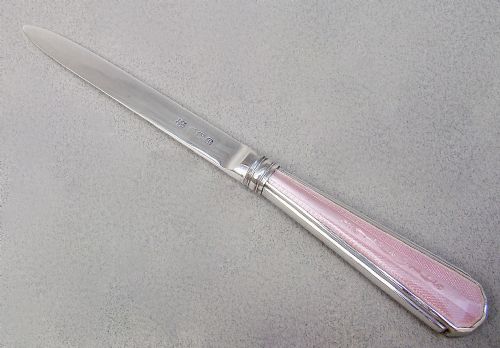
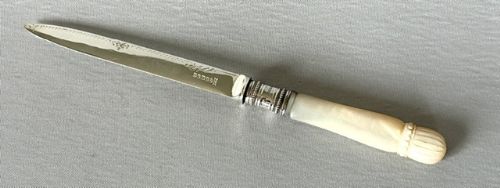
Craftsmen utilised traditional materials such as sterling silver, tortoiseshell, mother-of-pearl, bone, and various woods, often combining metal mounts with organic inlays. Blades were forged from steel or silver, while handles involved intricate hand-carving, casting, or guilloche enamel application.
Specialised techniques distinguish provincial items from metropolitan workshop output, including trench art assembly from found objects and detailed animal casting by specialist silversmiths. Silver components typically bear assay office marks indicating city and year of production.
Antique Desk Letter Knife Retail Price Guide 2026
Typical asking prices for desk letter knife among the pieces listed under this phrase on Sellingantiques today, from the lower quarter to the upper quarter. They describe what is for sale here now, not the wider market.
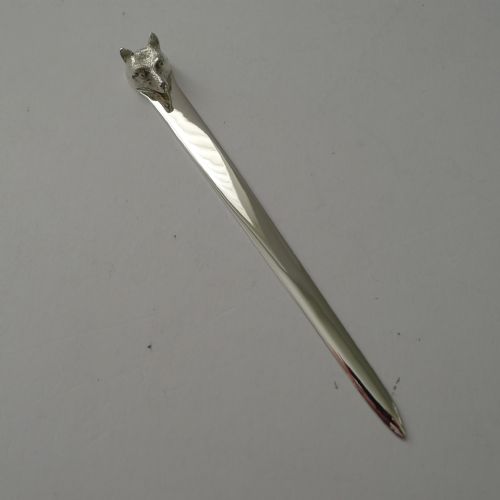
Several items feature animal handles, including a silver fox, a cheeky greyhound, an owl, and a monkey stealing the moon.
What varies in quality
The standard of a piece rests in the integration of materials and the crispness of handle detailing, whether cast in solid silver or carved from bone and wood. Superior items maintain firm joints between blade and handle without looseness or visible adhesive.
Artistry in novelty forms - such as carved animals or enamel work - separates standard desk tools from exceptional examples. The depth of engraving and the preservation of delicate tortoiseshell or mother-of-pearl sections dictate the overall desirability.
The Barker Brothers·Sampson Mordan And Co·Moses Brent·A Barrett Piccadilly
The Antique Desk Letter Knife Glossary
- Page turner
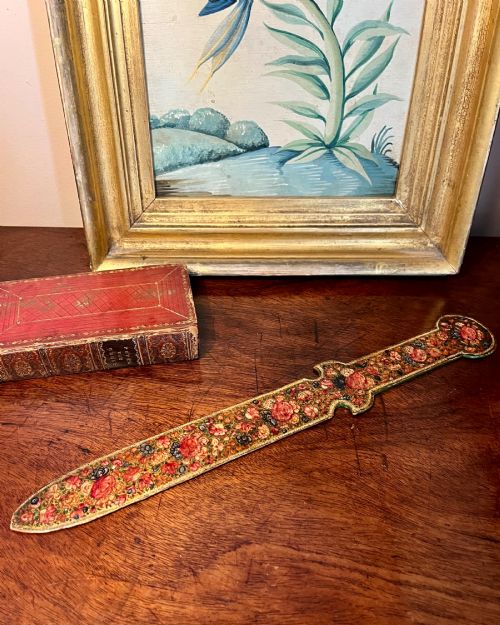
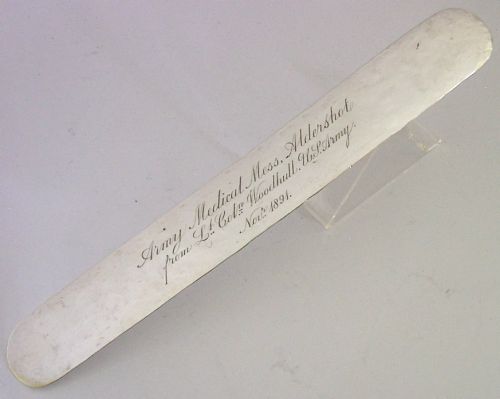
- A longer, flat implement historically used for cutting the folded edges of uncut book pages. These items often feature tapering blades made from bone, tortoiseshell, or wood.
- Guilloche enamel
- A decorative technique involving precise mechanical engraving beneath translucent enamel layers. This finish frequently appears on colourful Art Deco desk accessories.
- Trench art
- Objects fashioned by soldiers and prisoners of war from discarded military materials. These pieces carry specific historical dates and locations from conflicts.
- Sterling silver
- An alloy consisting of silver and other metals, predominantly copper, ensuring durability for functional items. Most British examples bear standard hallmarking stamps.
- Assay office
- An official body responsible for testing the purity of precious metals and stamping items with identifying marks. Towns such as Birmingham, Chester, and London maintained distinct offices.
Antique Desk Letter Knife: Frequently Asked Questions
How were letter knives used?
These tools slid beneath folded paper flaps to slice envelopes open cleanly before modern gummed adhesives became standard practice.
Owners kept them on writing desks alongside inkstands and blotters for daily correspondence handling.
What materials are common?
Sterling silver, tortoiseshell, mother-of-pearl, bone, and various hardwoods appear frequently across these desk accessories.
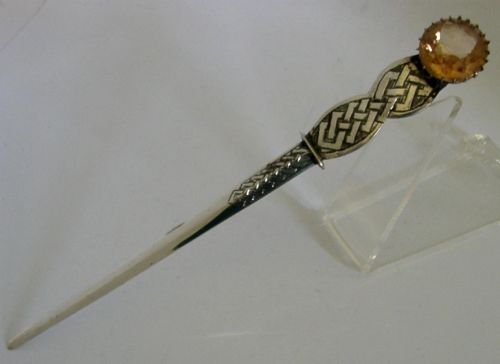
Many examples combine metal blades with organic handles or incorporate decorative enamel and gemstones.
How do I date an antique piece?
Silver components usually display hallmarks indicating the assay office, maker, and a specific date letter.
Stylistic markers such as Art Deco enamel or Victorian animal figures also help determine the period of origin.
Are page turners different from letter openers?
Page turners are generally longer and broader, designed originally for slicing open the folded pages of newly printed books.
Letter openers feature shorter, sharper blades intended specifically for opening mail envelopes.