



Antique Desk Blotter
An antique desk blotter brings tactile craft to correspondence, absorbing excess ink with a gentle sweep or holding writing paper inside a decorative folio.
Antique Desk Blotter
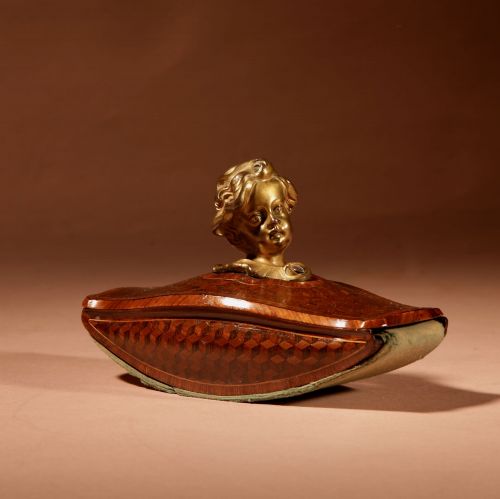
An antique desk blotter is a functional writing accessory designed to manage ink and protect writing surfaces, appearing most frequently as a rocking wooden or metal roller fitted with absorbent paper, or as a folding leather and fabric folio.
The pieces available span the nineteenth and early twentieth centuries, encompassing Victorian, Edwardian, and Art Deco designs that often form part of larger desk sets alongside inkstands and stamp boxes.
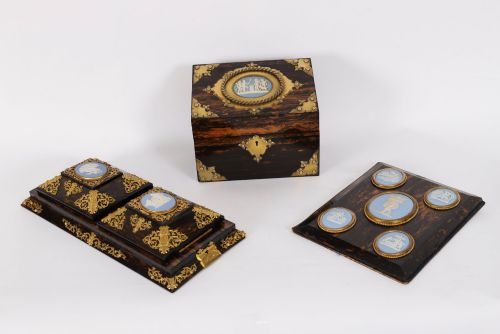
Origins range from English workshops utilising local woods and silver to French makers incorporating marble, ormolu, and hand-painted porcelain.
How they were made
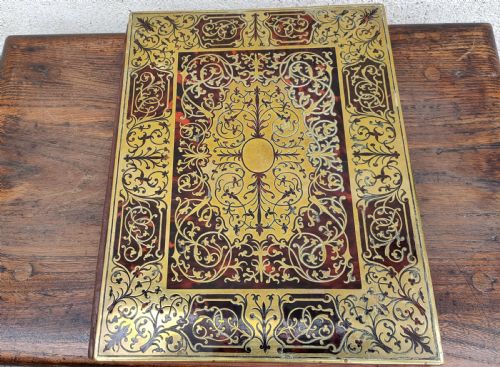
Maker utilisation of materials combined durable substrates like walnut, mahogany, and cast brass with decorative elements such as tortoiseshell, mother of pearl, and gilt bronze mounts.
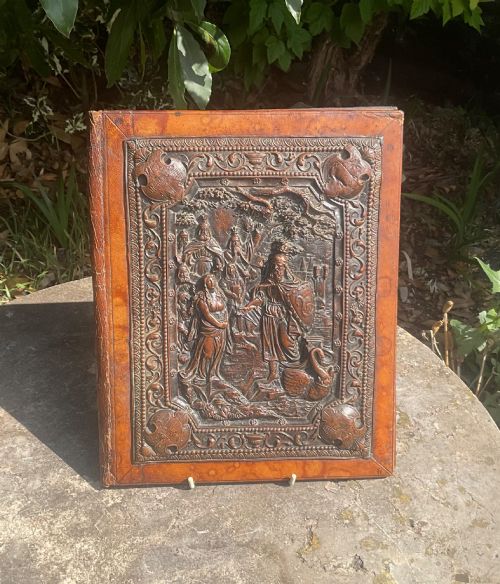
Folio versions employ leather, crocodile skin, and papier-mâché, often embellished with hand painting or Tunbridge ware marquetry, while roller blotters rely on turned timber or cast metal frames holding replaceable absorbent sheets.
Antique Desk Blotter Retail Price Guide 2026
Typical asking prices for desk blotter among the pieces listed under this phrase on Sellingantiques today, from the lower quarter to the upper quarter. They describe what is for sale here now, not the wider market.
One unexpected survivor is carved from Black Forest wood in the shape of a bear, ready to dry your morning correspondence.
What varies in quality
Quality rests on the integrity of the materials and the precision of the metal casting or woodwork, distinguishing mass-produced items from pieces featuring hand-carved details or precious metals.
The distinction between standard desk furniture and superior examples lies in cohesive styling, such as matched desk sets incorporating porcelain plaques or specialised stones like Scottish agate and vert marble.
William Comyns·Rene Lalique
The Antique Desk Blotter Glossary
- Pounce pot
- A small shaker used before the invention of blotting paper to sprinkle resinous powder over wet ink to speed drying.
- Folio
- A book-like leather or card folder designed to store loose writing paper and blotting sheets.
- Ormolu
- Gilt bronze mounted on decorative objects, popular in French nineteenth-century manufacturing.
- Boulle
- A marquetry technique using tortoiseshell and brass inlay associated with French cabinet making.
Antique Desk Blotter: Frequently Asked Questions
How do you use a roller blotter?
A rocking roller blotter is gripped by the wooden or metal handle and rolled gently across fresh handwriting to lift surplus ink from the paper.
The curved base holds a replaceable strip of absorbent blotting paper held in place by pins or spring clips.
What is the difference between a roller and a folio?
A roller blotter is a hand-held rocking tool designed for immediate drying of single sheets of freshly written correspondence.
A folio is a larger flat book or pad that stores writing paper and uses internal blotting pages to protect letters while closed.
How do you clean antique leather blotters?
Antique leather and crocodile folios require careful dusting with a dry microfibre cloth to remove surface dirt without damaging the material.
Moisture and modern chemical cleaners should be avoided to prevent staining the aged leather and paper linings.
What periods do these desk accessories come from?
The pieces span the nineteenth and early twentieth centuries, with Victorian and Edwardian examples appearing alongside Art Deco and Art Nouveau designs.
Materials and decorative motifs often reflect the prevailing aesthetic of specific decades, from French Empire to Arts and Crafts.