


Antique Deity Sculpture
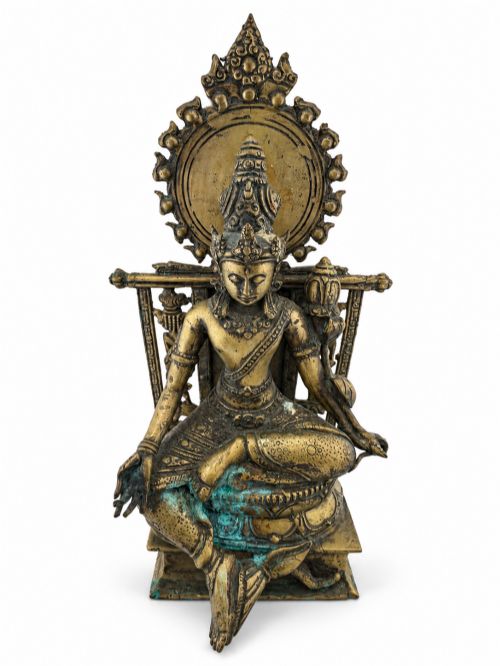
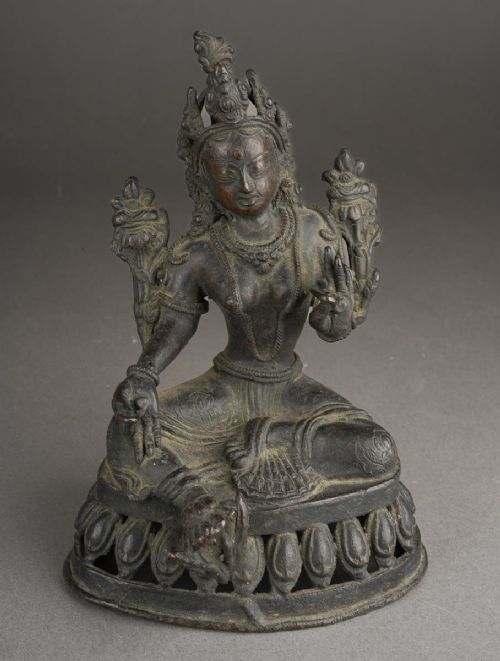
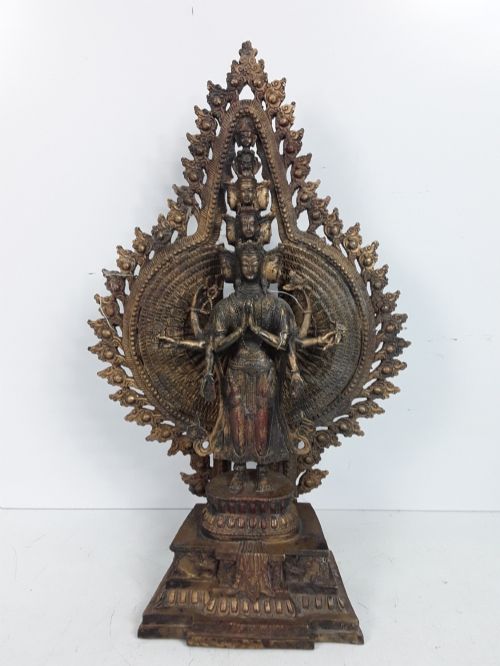
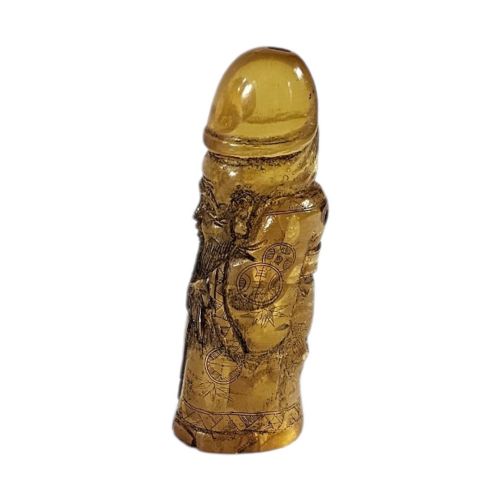
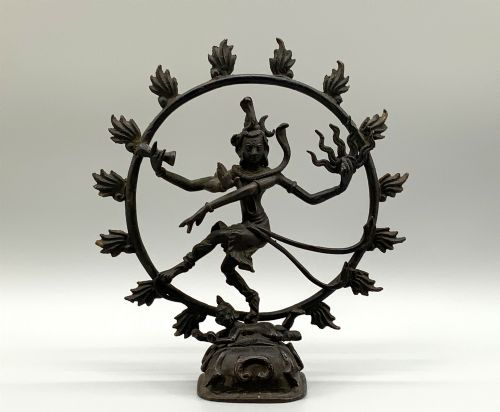
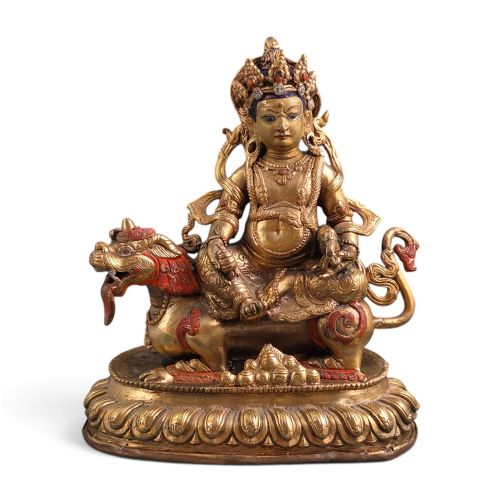
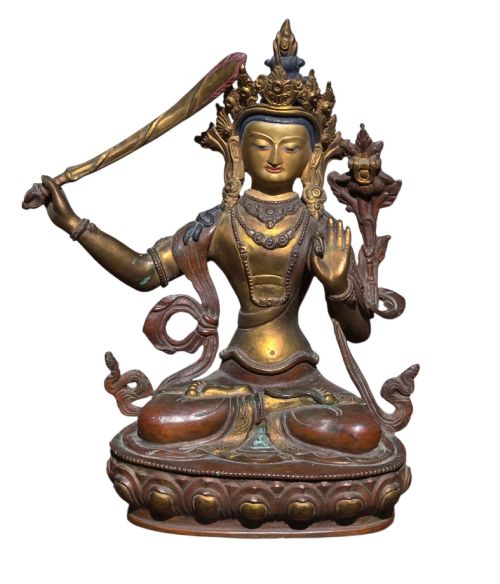
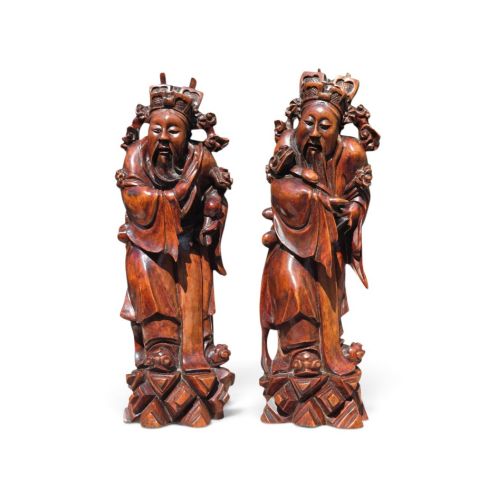
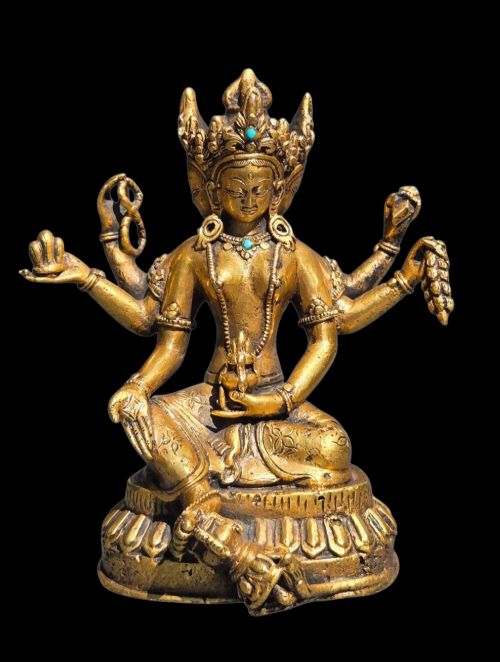
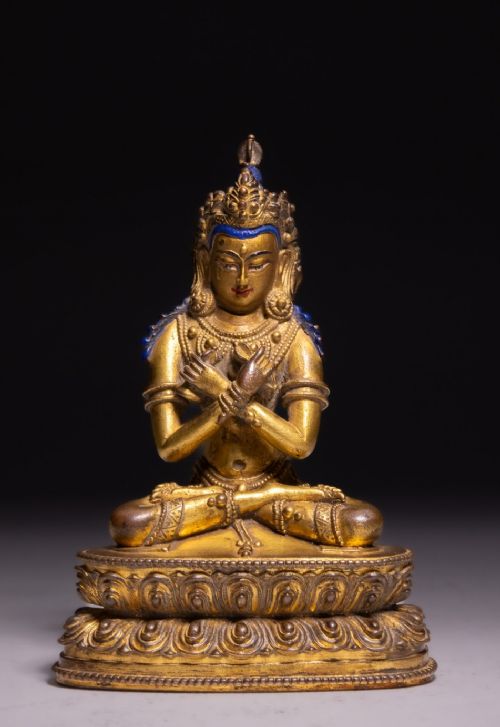
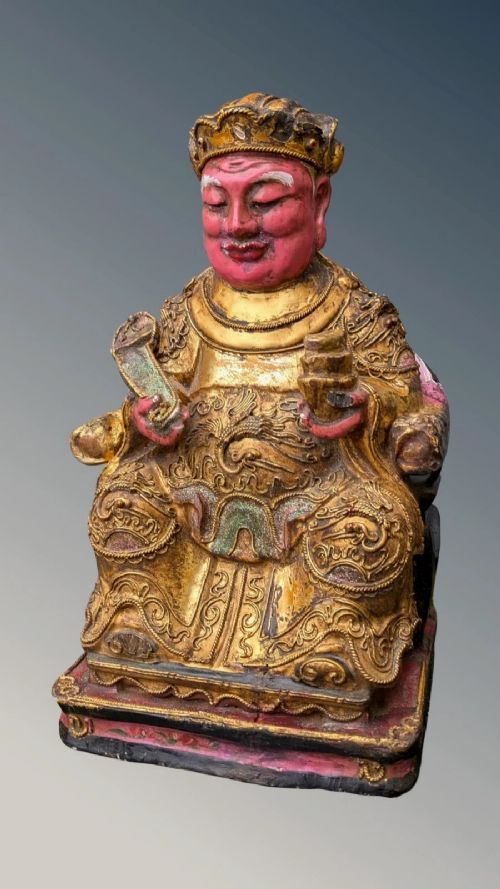
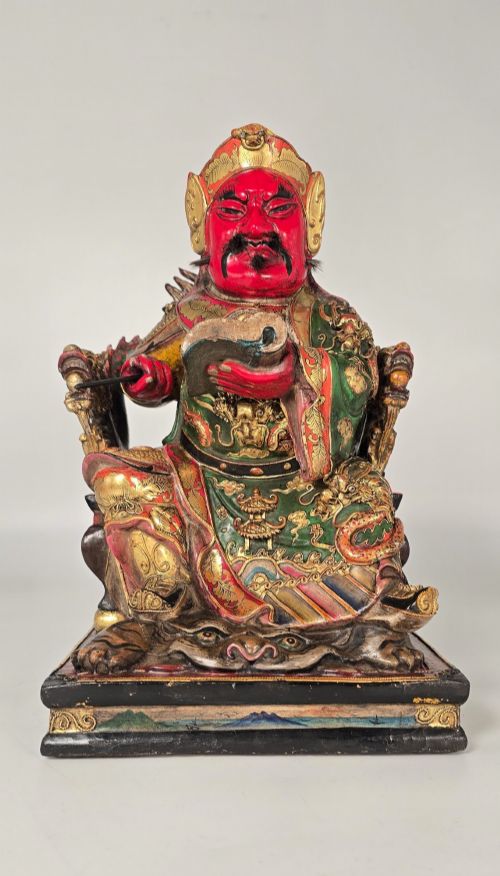
These antique deity sculpture pieces represent sacred figures cast in bronze or carved from timber, offering collectors profound connections to diverse spiritual traditions.
Antique Deity Sculpture
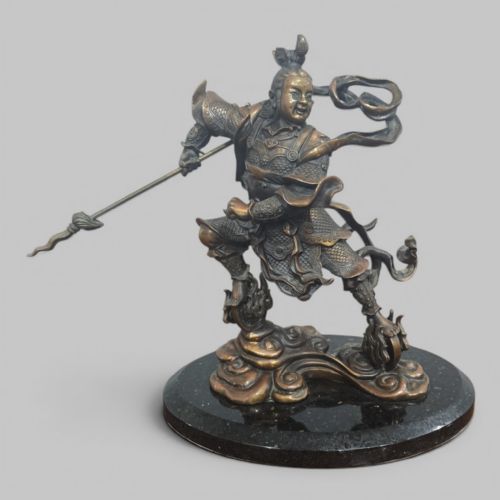
When buyers search for an antique deity sculpture, they encounter representations of divine figures spanning multiple centuries and cultural origins. These forms emerge from traditions across Tibet, China, India, Japan, and Southeast Asia, capturing figures such as Buddha, Shiva, Avalokiteshvara, and various regional immortals.
The pieces on this page appear predominantly from the 18th and 19th centuries, alongside examples from earlier periods extending back to pre-16th century sandstone reliefs. Forms range from monumental temple guardians to small pendant amulets and domestic shrine figures.
Material expressions divide largely between metalwork castings and carved organic mediums. Bronze, copper alloy, and gilt bronze sit alongside hardwood, lacquered wood, and sandstone.
Materials and methods of creation
Wooden figures rely on skilled carving of dense hardwoods, boxwood, or general timber before receiving layers of lacquer, hand-painted details, or gold leaf. Stonework examples involve direct carving into sandstone to produce high-relief panels or freestanding architectural busts.
Periods represented range from pre-16th century items through the 17th, 18th, and 19th centuries into the early 20th century.
Distinctions in craftsmanship and preservation
Quality reveals itself primarily through the crispness of the carving or the precision of the metal casting in defining hands, facial expressions, and traditional iconography. Finer works retain original surface treatments, including traces of polychrome pigment, gold leaf, or natural patination accumulated over centuries.
Proportion and stance dictate the visual power of a sculpture, separating masterworks from commercial output. Pieces exhibiting balanced anatomical execution and intricate detail work demonstrate superior workshop origins.
Unno Shomin
The Antique Deity Sculpture Glossary
- Gilt bronze
- Metalwork coated with a thin layer of gold or gold leaf. This technique illuminates sacred figures with a luminous surface that endures across centuries.
- Bodhisattva
- An enlightened being who assists others on the path to awakening. These figures appear frequently in Buddhist sculpture adorned with elaborate crowns and jewellery.
- Lost-wax casting
- A metalworking method where a molten alloy is poured into a mould created by surrounding a wax model with a heat-resistant material.
- Okimono
- A Japanese decorative freestanding sculpture intended for display in an interior setting. These objects demonstrate meticulous carving in wood, ivory, or metal.
Antique Deity Sculpture: Frequently Asked Questions
Were these figures used in active worship?
Many of these sculptures served as central objects of devotion within domestic shrines, monasteries, or temples.
Over time, numerous examples transitioned from ritual contexts into collections as works of art and cultural heritage.
How should I care for wooden sculptures?
Keep wooden pieces away from direct sunlight and maintain stable indoor humidity levels to prevent timber from splitting or warping.
Dust the surface gently with a soft, dry brush and avoid applying liquid polishes or chemical cleaners.
What does gilt bronze indicate?
Gilt bronze denotes a copper alloy foundation enhanced with an application of gold leaf or mercury gilding.
This treatment signifies pieces of elevated status, often commissioned for important temples or high-ranking patrons.