



Antique Decorative Screen
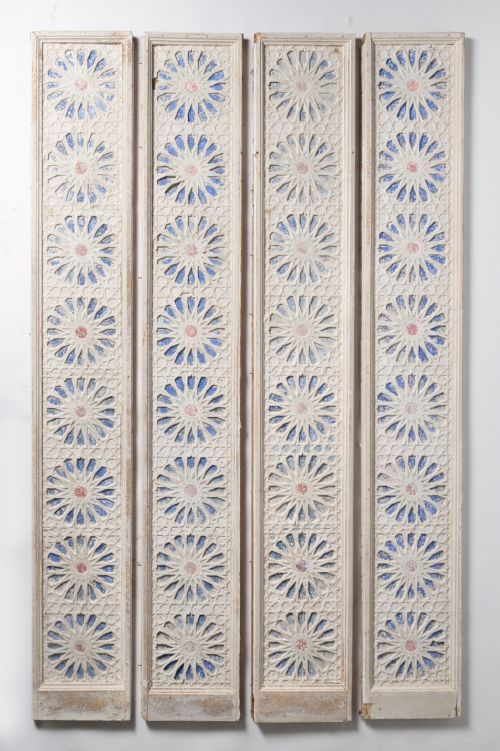
An antique decorative screen frames a room or hearth, bringing texture, painted artistry, and architectural form into an interior.
Antique Decorative Screen
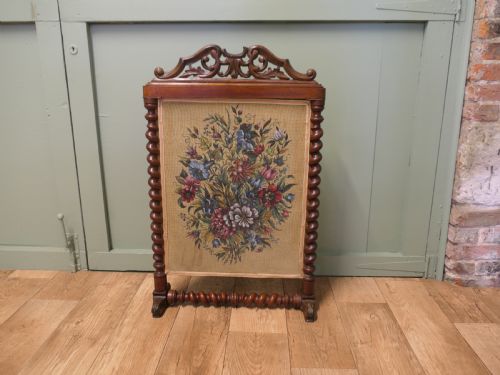
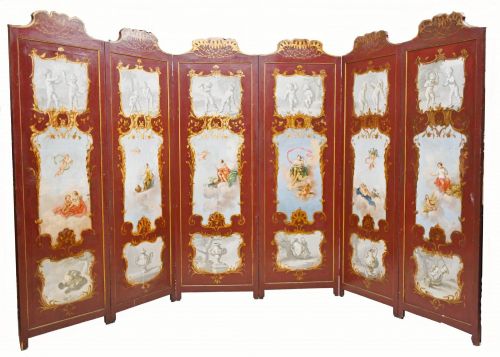
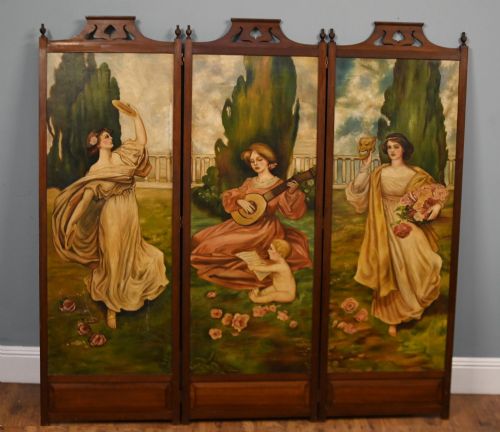
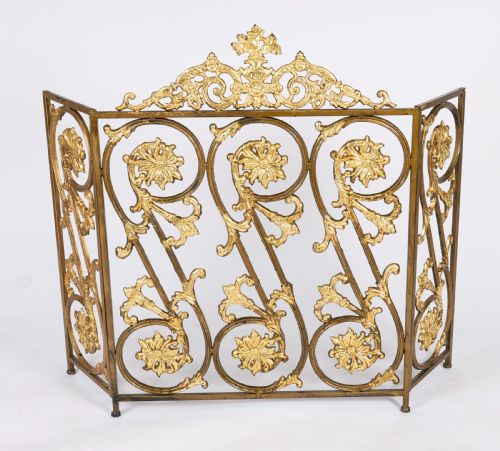
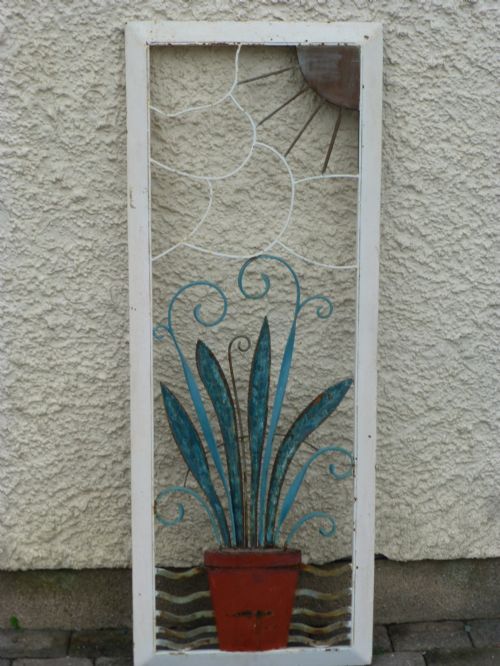
When you search for an antique decorative screen, you encounter pieces designed either to divide a room or to shield a hearth. The forms vary from large folding screens and architectural panels to compact table screens and adjustable pole screens.
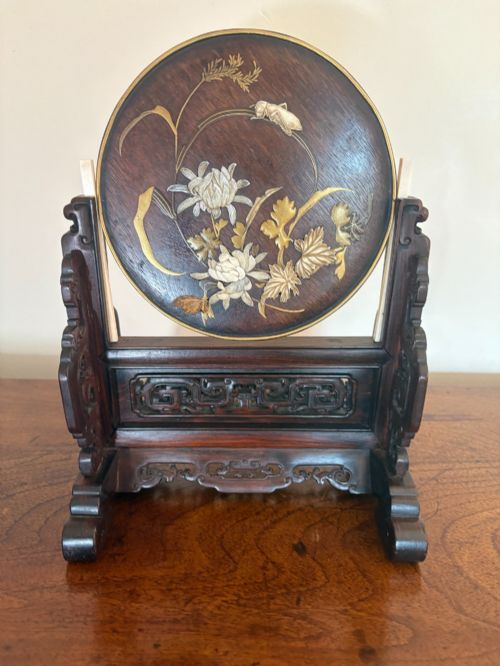
The selection ranges widely in origin and style, spanning French revival brass fire guards, Chinese hardwood panels, and Japanese Shibayama table screens. Victorian and Edwardian examples dominate the physical forms seen across these categories.
Materials and Technique
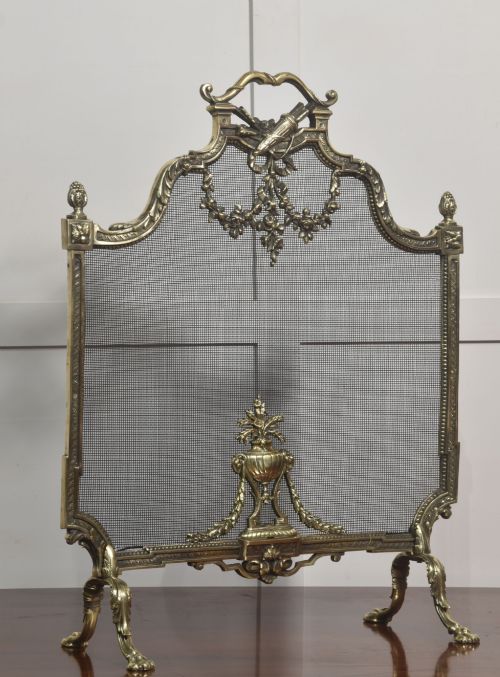
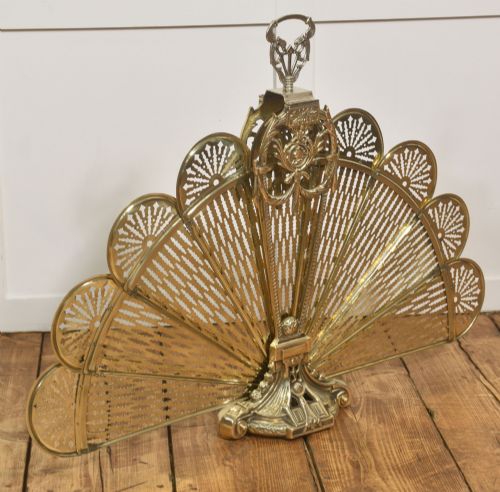
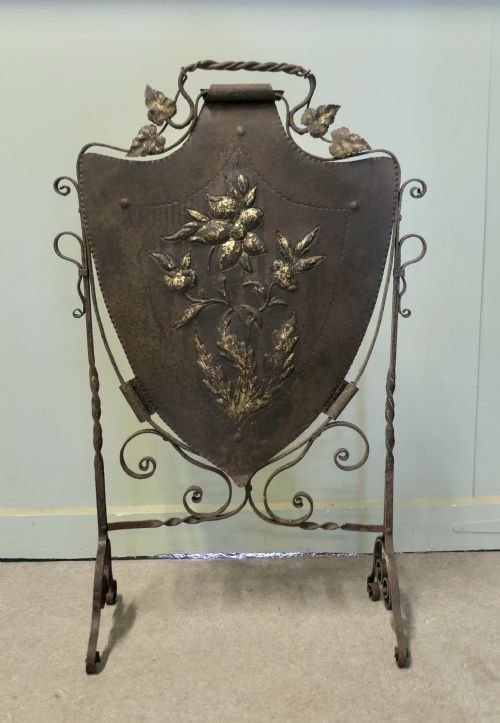
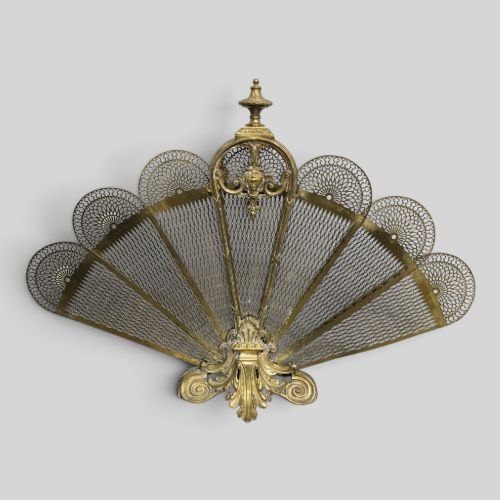
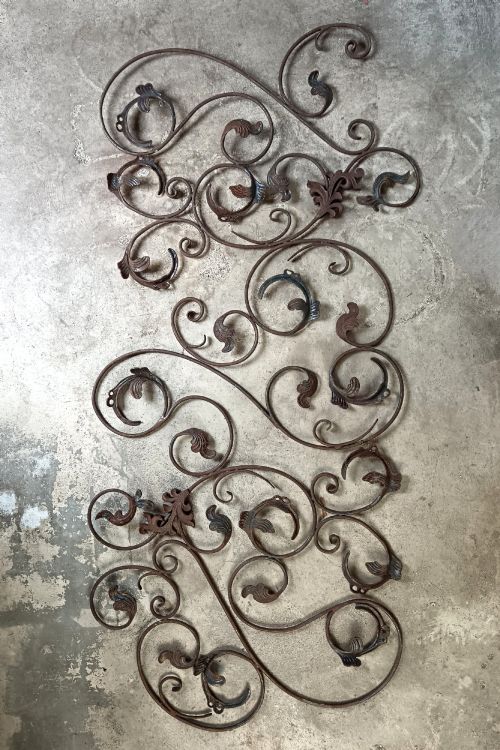
The construction relies heavily on metals such as brass, bronze, copper, and wrought iron, frequently shaped into peacock fan fire screens or architectural scrolls. Wood frames in walnut, rosewood, and oak provide sturdy support for folding hinges and sliding panels.
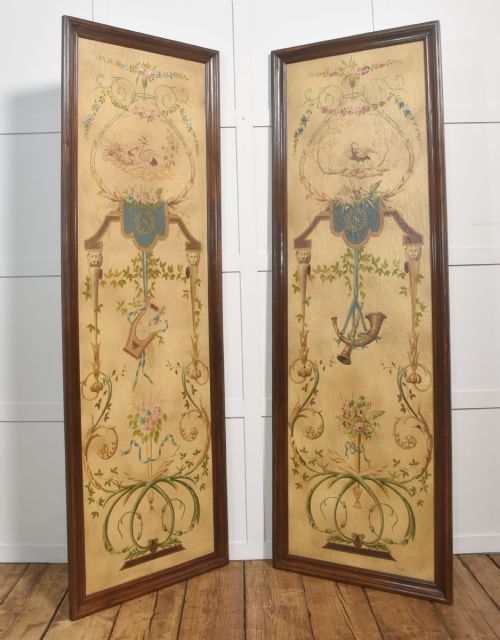
Surface decoration involves hand painting on leather, canvas, and silk, alongside deep bone carving, stained glass inserts, and tapestry needlepoint. Metal components often exhibit chased gilt finishes and cast or ormolu mounts.
Antique Decorative Screen Retail Price Guide 2026
Typical asking prices for decorative screen among the pieces listed under this phrase on Sellingantiques today, from the lower quarter to the upper quarter. They describe what is for sale here now, not the wider market.
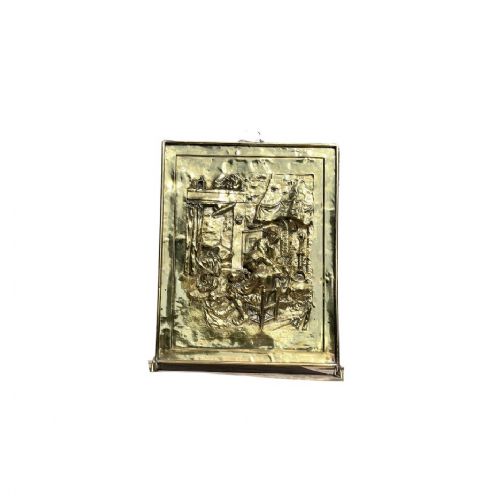
Theatre scenery boards survive alongside household fire guards, proving that nineteenth-century drama was not strictly confined to the stage.
Craftsmanship and Depth
Quality rests in the depth of hand carving, the fidelity of painted pastoral or floral scenes, and the crispness of cast bronze or ormolu mounts. Finer pieces demonstrate careful joinery in folding panels and precise setting of stained glass or bevelled mirror plates.
The distinction between standard production and superior work lies in the handling of materials, whether through detailed bone inlay on Japanese pieces or substantial gauge brass on Victorian fire guards.
The Antique Decorative Screen Glossary
- Shibayama
- A Japanese technique of inlaying ivory, bone, mother-of-pearl, and tortoiseshell into wood or lacquer surfaces to create pictorial motifs.
- Ormolu
- Gilt bronze mounted onto furniture, frames, or fireplace screens, providing a rich golden decorative finish.
- Pole screen
- A Victorian heating shield mounted on a vertical wooden pole that slides up and down to adjust height.
- Modesty screen
- A freestanding folding screen historically used in interiors to provide privacy or block draughts.
- Cordobans
- Embossed, painted, and gilded leather panels originating from Spanish workshops.
Antique Decorative Screen: Frequently Asked Questions
How were fire screens used?
Fire screens served primarily to protect inhabitants from the intense radiant heat of an open coal or wood fire when seated close to the hearth. They also acted as decorative covers for the empty fireplace opening during warmer months when fires were not lit.
Beyond simple utility, elaborate brass and glass screens functioned as visual focal points in Victorian and Edwardian drawing rooms, reflecting candlelight and firelight into the space.
What is the difference between a room divider and a fire screen?
Room dividers are multi-fold panels designed to partition large spaces, create private areas, or conceal sections of a room. They stand much taller and span wider than hearth accessories.
Fire screens are compact, single-panel guards made from heat-resistant materials like brass, iron, and wire mesh, built specifically to sit directly in front of a fireplace.
How do I date a brass fire screen?
Dating relies on examining the manufacturing style, such as the sinuous, organic lines typical of Art Nouveau pieces versus the elaborate scrolling of French Rococo Revival models. Construction marks, screw types, and the weight of the cast metal also offer clues to the period.
Victorian and Edwardian examples often display specific decorative motifs like peacock fans, stamped brass plate work, and heavy wrought iron stands.
Can I use an antique screen in a modern home?
These screens adapt easily to contemporary interiors, serving as striking wall art when hung as panels, or functioning practically as room dividers and decorative hearth guards. Folding screens work well to zone open-plan spaces.
Placing a table screen on a sideboard or mantel introduces historical texture and craftsmanship without requiring floor space.