

Antique Decorative Metalwork
Antique decorative metalwork brings together centuries of skilled casting, hammering and enamelling from diverse global workshops.
Antique Decorative Metalwork
When you examine antique decorative metalwork, you encounter vessels, plaques and architectural elements shaped by regional traditions across Europe, Asia and the Middle East. The pieces span centuries of domestic and ceremonial use, ranging from practical vessels to purely ornamental objects.
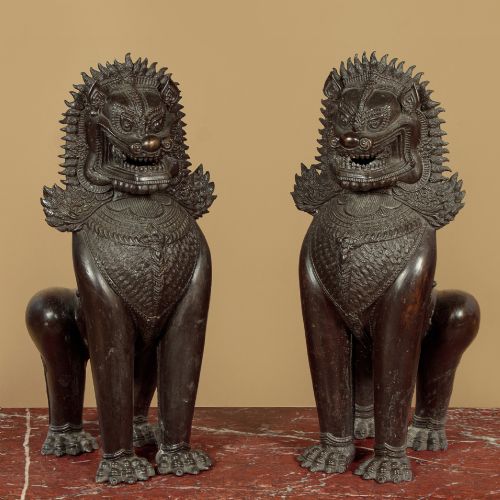
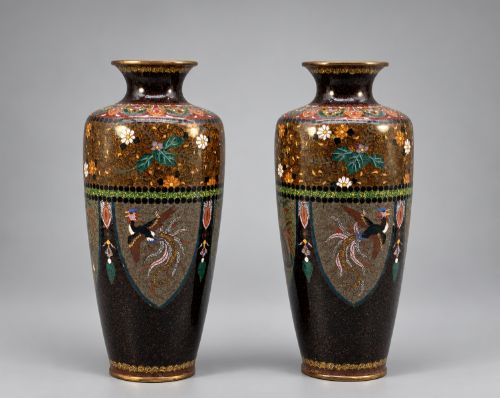
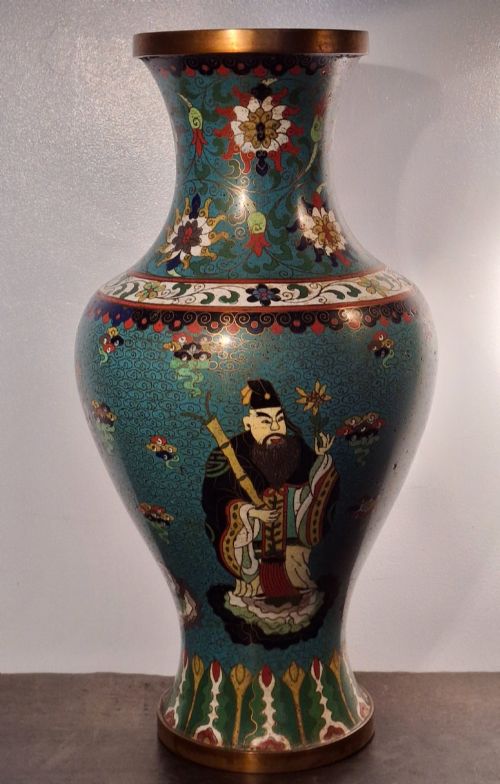
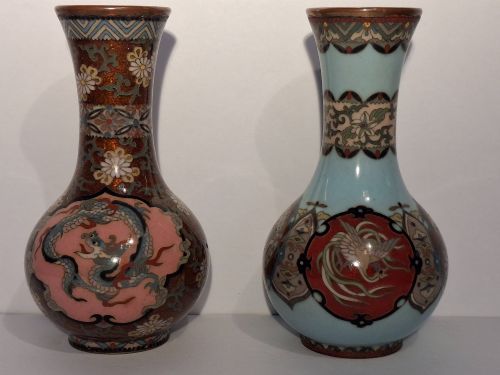
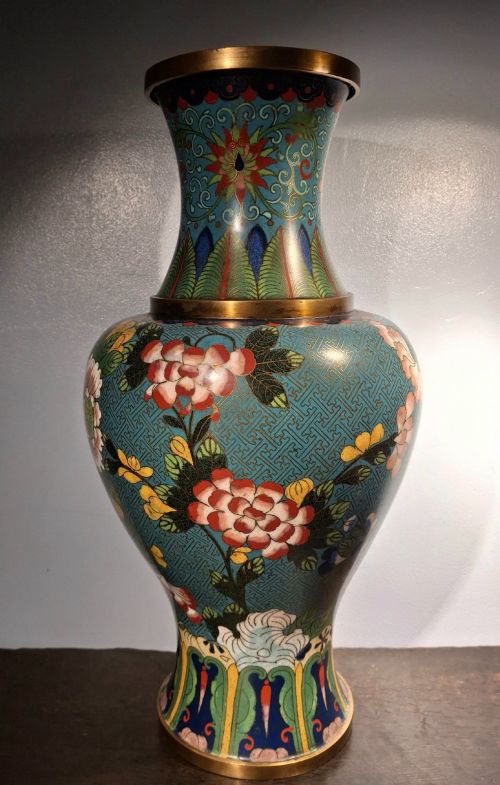
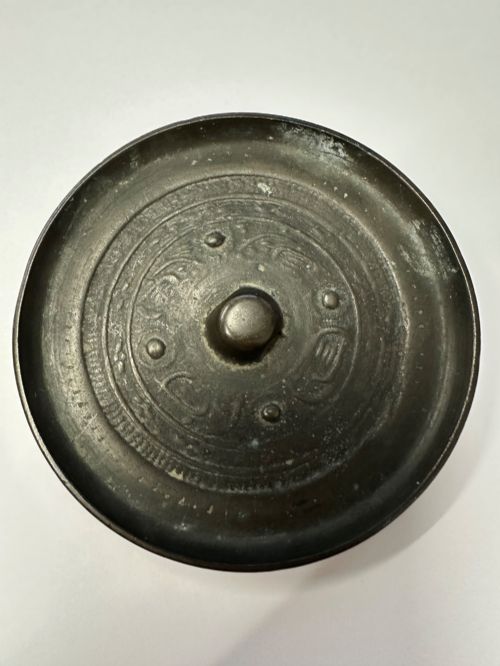
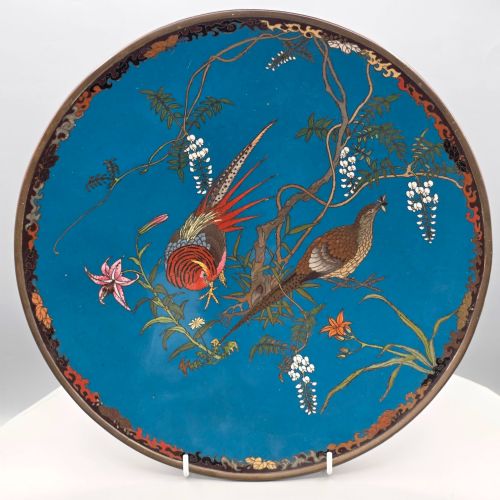
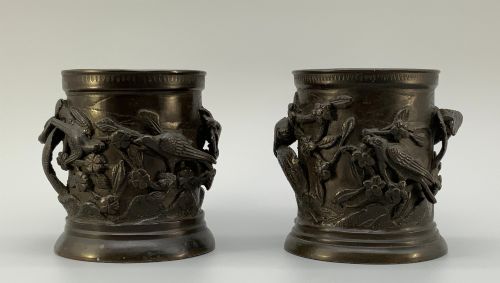
Vases, chargers, bowls and trays dominate the selection, often carrying intricate surface decoration or contrasting metallic inlays. You meet Japanese Meiji period bronzes and cloisonné enamels alongside Chinese bronzes, Persian copper chargers and European Arts and Crafts copper work.
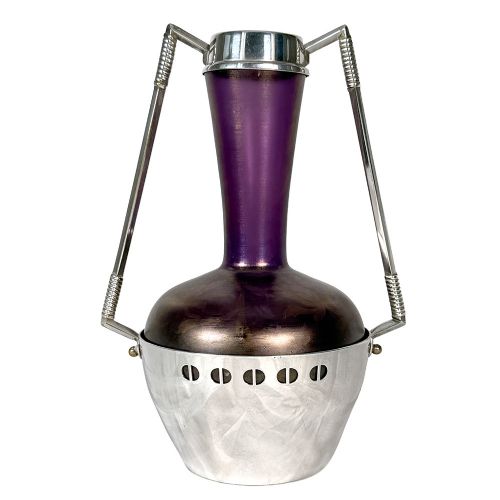
The objects reflect the specific aesthetic priorities of their makers, whether following traditional Asian export styles, Islamic geometric engraving or Western Secessionist designs. Every surviving piece demonstrates the handling of metal as a primary medium for artistic expression.
How they were made
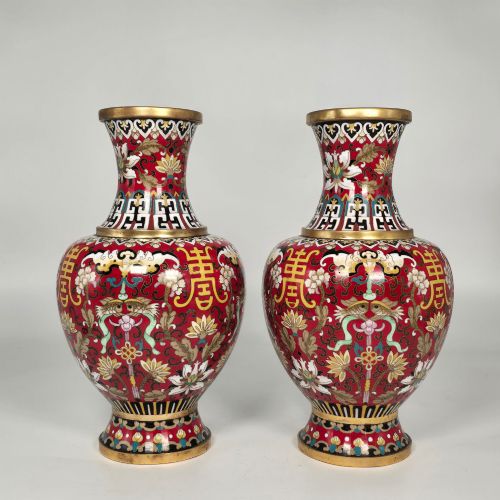
Artisans employed bronze casting, sheet metal hammering and intricate wirework to build form and texture. Cloisonné and champlevé techniques fused vitreous enamel into metal compartments, creating permanent colour across vessels and plaques.
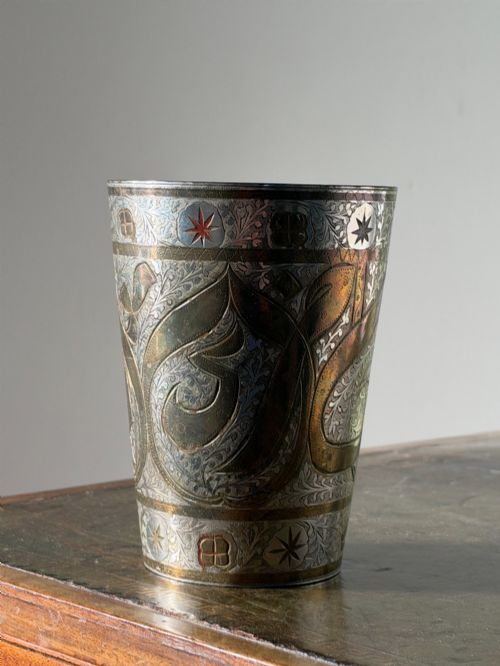
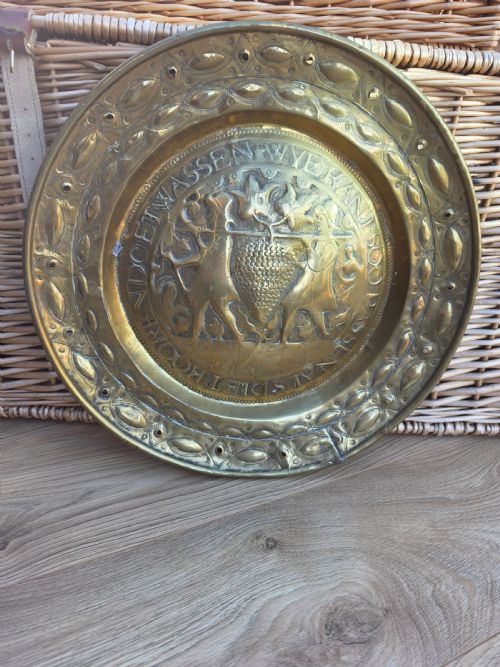
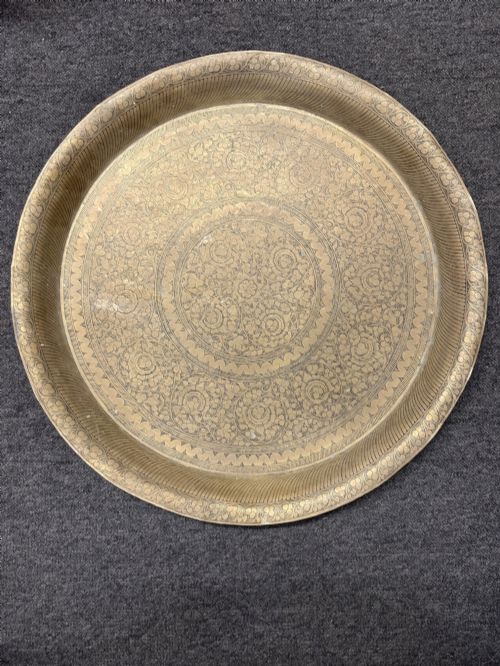
Engraving, repoussé and chasing required hand tools to push and cut designs into copper, brass and silver surfaces. Inlaid pieces combined contrasting metals such as gold, silver and bronze to form pictorial scenes or geometric patterns.
Antique Decorative Metalwork Retail Price Guide 2026
Typical asking prices for decorative metalwork among the pieces listed under this phrase on Sellingantiques today, from the lower quarter to the upper quarter. They describe what is for sale here now, not the wider market.
Several pieces double as domestic timekeepers and summoning devices, including a hand-hammered Basque copper table gong.
What varies in quality
The precision of the chasing and the clarity of the enamel work dictate the visual success of a piece. Skilled execution shows in clean, deliberate lines and secure, even inlays that integrate seamlessly with the base metal.
Compositional balance and the depth of relief distinguish ambitious works from standard production items. Pieces bearing recognised studio signatures or distinctive patination demonstrate greater artistic control during manufacture.
Tsukamoto Hikokichi·KANASAWA·Raymond Subes·Liberty and Co·Oliver Baker·WMF
The Antique Decorative Metalwork Glossary
- Cloisonne
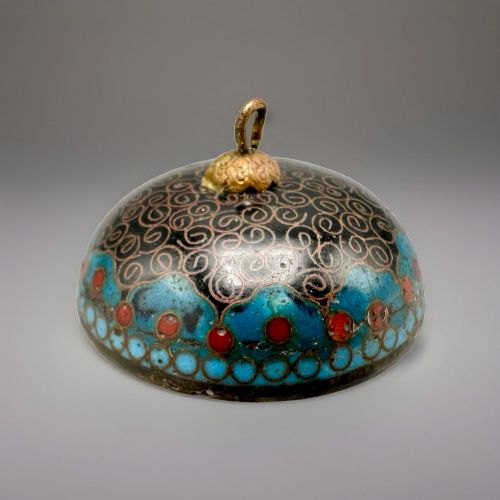
- Enamelwork in which coloured areas are separated by thin metal strips soldered to a metal base. This technique creates a stained-glass effect on vases and bowls.
- Repousse
- Metalworking technique where a design is hammered into relief from the reverse side. Artisans use this method to push soft metals like copper and silver into dimensional shapes.
- Champleve
- Enamel process where troughs or cells are hollowed out of the metal surface and filled with enamel paste. The surrounding metal walls remain visible as part of the design.
- Cairoware
- Brass metalware inlaid with silver and copper, traditionally produced in Cairo for the European export market. These items feature dense Islamic geometric patterns.
- Ormolu
- Gilded bronze used for decorative furniture mounts and ornamental objects during the eighteenth and nineteenth centuries. The process involves applying a mercury and gold amalgam to a bronze base.
Antique Decorative Metalwork: Frequently Asked Questions
How do I clean antique bronze safely?
Dust surfaces gently with a soft dry brush to remove particles without disturbing the underlying patination. Avoid abrasive polishes or chemical dips that strip historical age from the metal.
Store pieces in stable humidity environments to prevent active corrosion or verdigris buildup. Professional conservation is recommended if active surface flaking occurs.
What is Japanese Meiji metalwork?
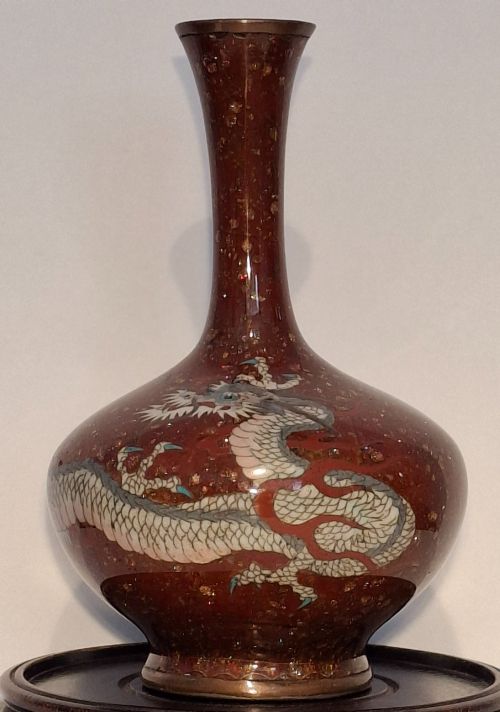
Meiji period metalwork dates from the late nineteenth and early twentieth centuries during the reign of Emperor Meiji. This era saw Japanese craftsmen produce exceptional bronze vessels and intricate cloisonné for international exhibition.
These pieces combine traditional samurai armour-making techniques with new decorative styles. The resulting items demonstrate remarkable technical precision and naturalistic motifs.
How do I identify Chinese export bronze?
Chinese export metalwork often incorporates archaic vessel shapes, dragon motifs and traditional dynastic reign marks. These items were produced specifically for trade with Western markets during the late Qing dynasty.
Examine the patination and casting seams for clues regarding period manufacture. The weight and alloy composition typically reflect traditional regional foundry practices.
What is Arts and Crafts metalwork?
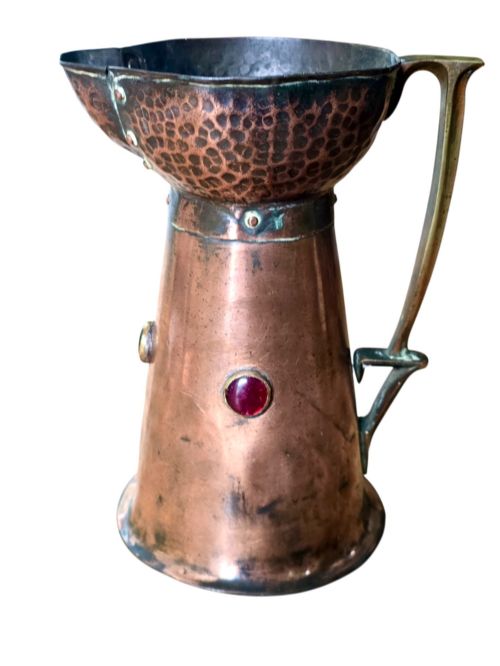
Arts and Crafts metalwork prioritises hand-hammered surfaces and visible tool marks over machine-finished perfection. Designers associated with this movement rejected industrial standardisation in favour of honest craftsmanship.
Common materials include copper, brass and pewter shaped into organic domestic objects. Makers often incorporated cabochons or simple geometric strapwork to enhance the structural design.