
Antique Decorative Figurines
Antique decorative figurines bring character to a room through centuries of metalwork, porcelain and carved wood.
Antique Decorative Figurines
These pieces encompass a broad range of sculptural objects designed primarily for display, spanning subjects from mythological figures and human characters to animals and birds. When exploring antique decorative figurines, collectors encounter works shaped by distinct regional traditions and aesthetic movements.
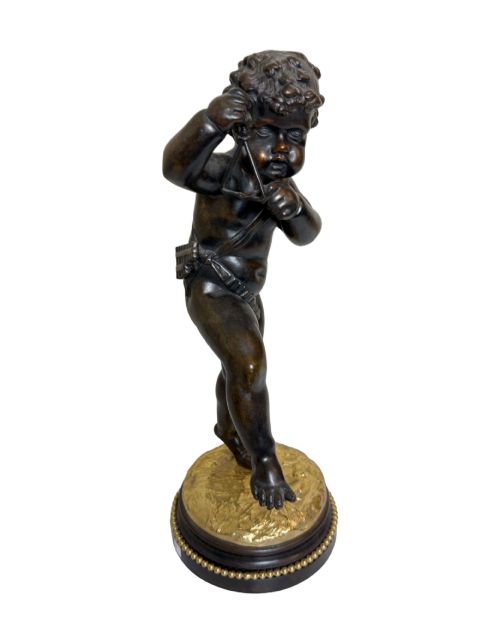
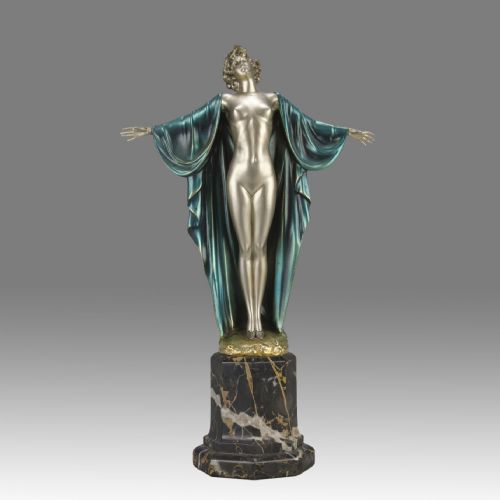
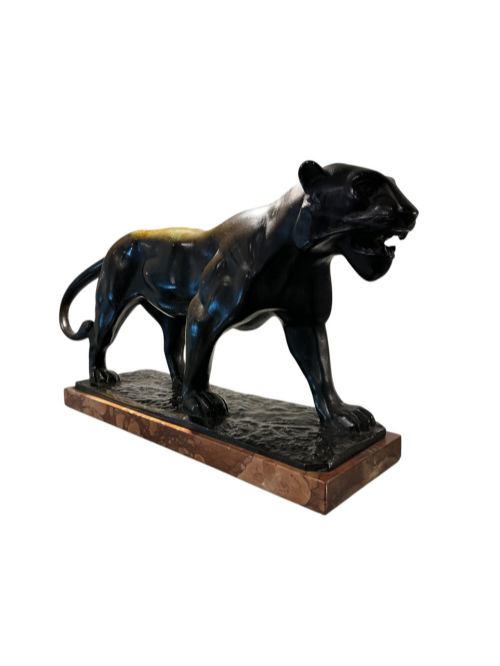
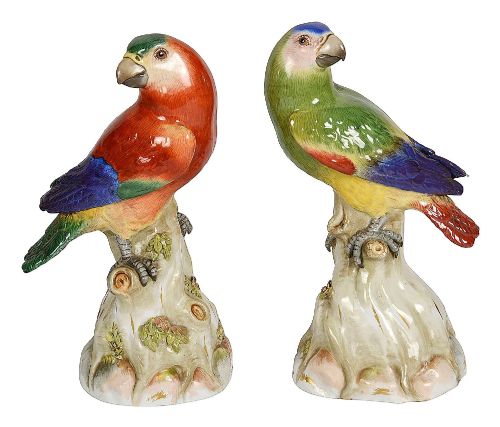
The selection on this page relies heavily on nineteenth-century and early twentieth-century examples, including porcelain representations, bronze animal sculptures and carved wooden figures. Makers from major European potteries and Asian traditions populate the category, alongside French and English works from the Victorian, Edwardian and Art Deco periods.
Forms vary widely from tabletop ornaments and paperweights to sculptural groups and candleholders. Buyers often select these items to anchor a mantelpiece, enrich a cabinet or introduce a specific period style into an interior.
How they were made
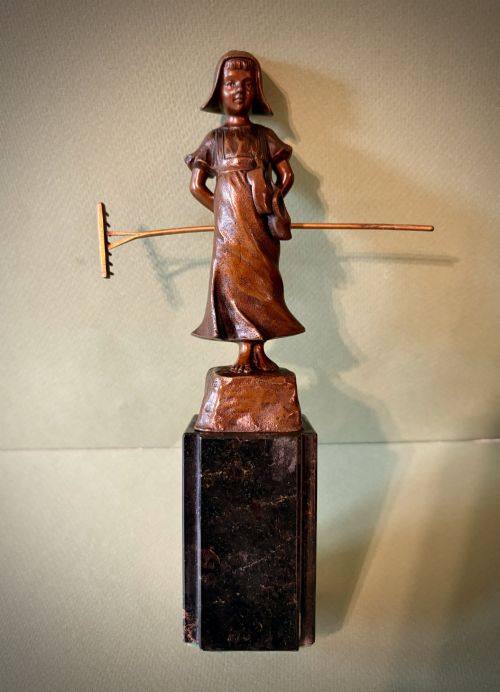
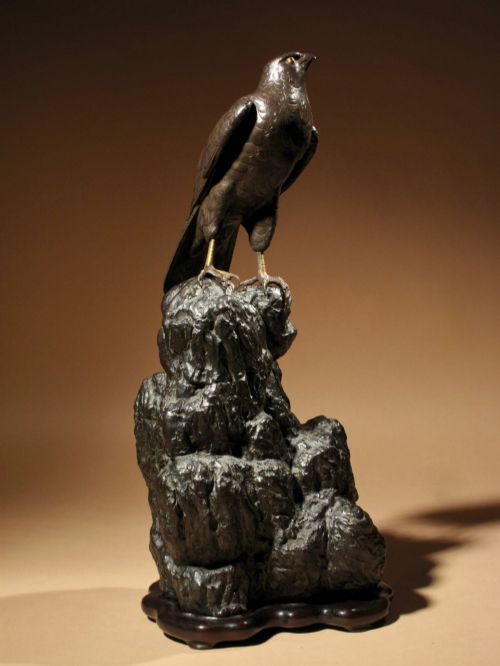
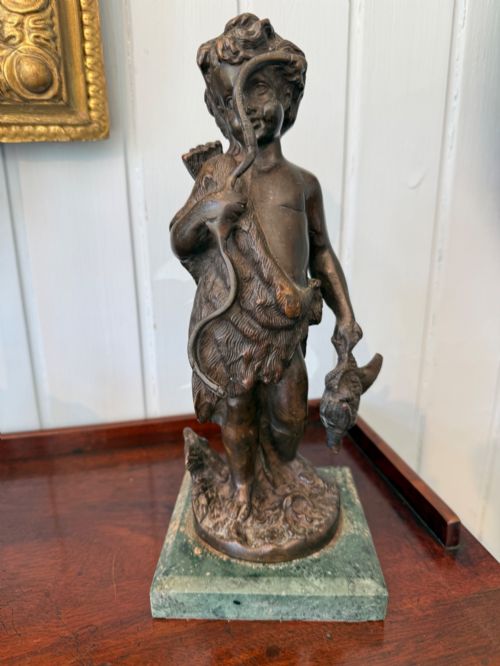
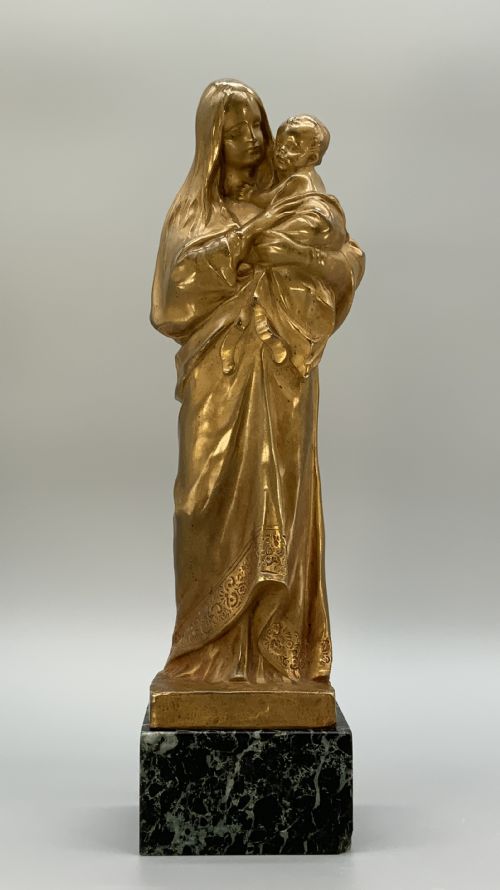
Bronze figures on this page typically utilise the lost-wax casting method, often enhanced with cold-painted finishes, gilding or patination to bring out fine surface detail. Marble bases frequently accompany these metal sculptures, providing stability and visual contrast.
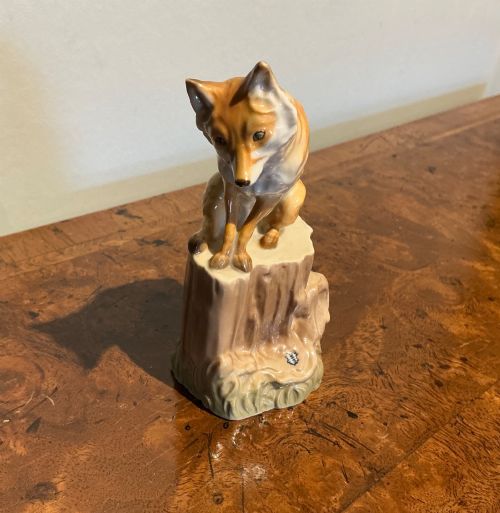
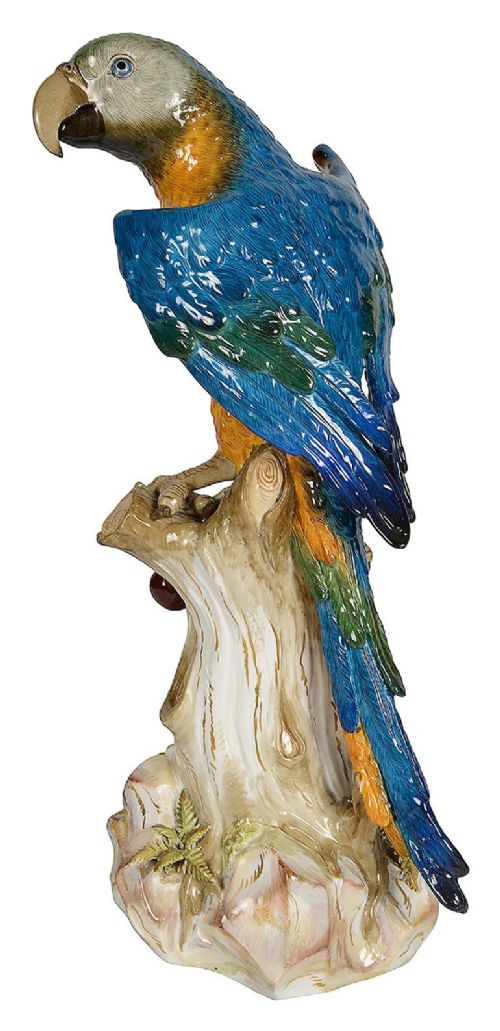
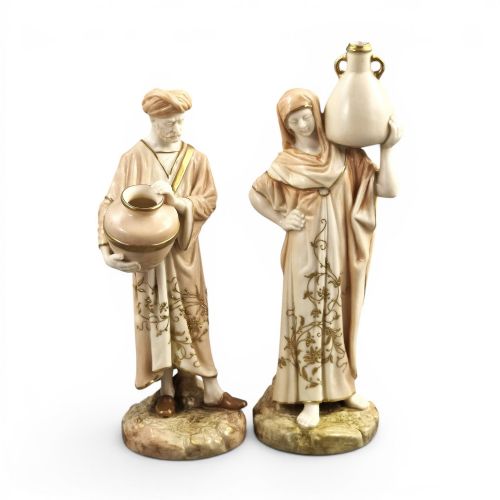
Ceramic examples rely on porcelain, earthenware or faience bodies finished with glazes, enamel colours or gold leaf. Potters shaped these materials by hand or in moulds before firing and hand-painting the final surface details.
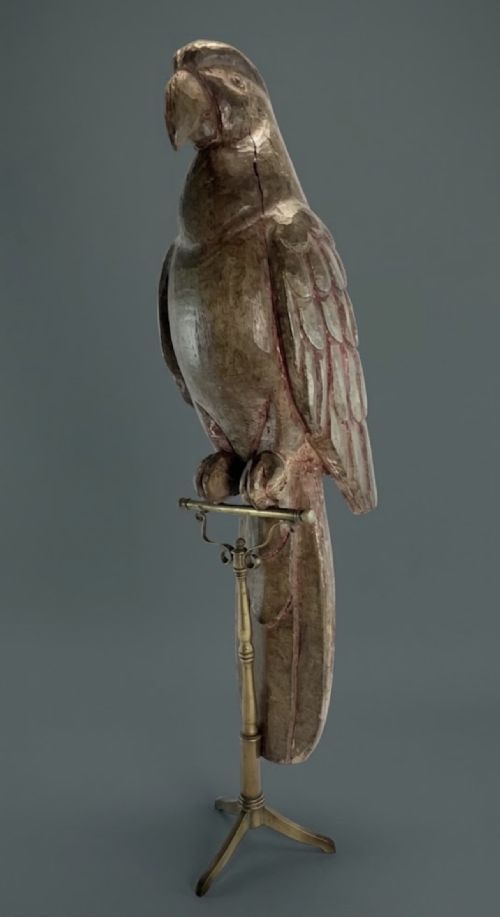
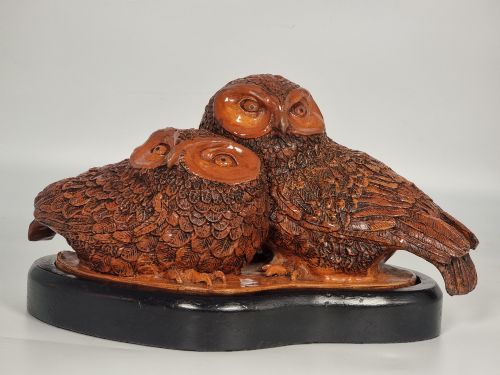
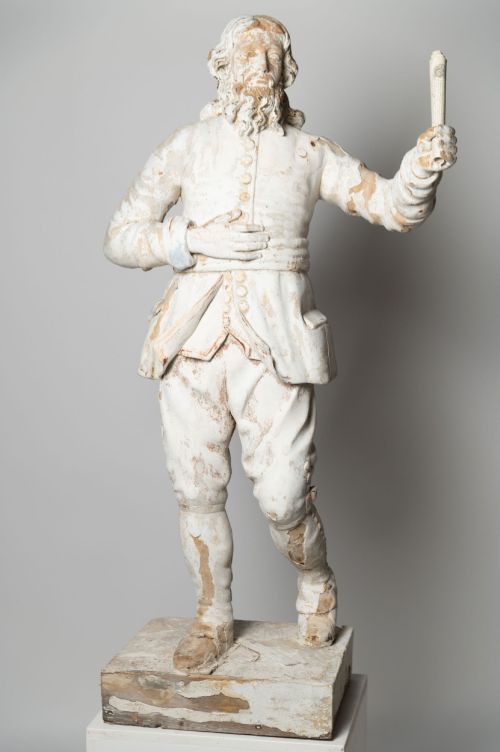
Carved pieces demonstrate traditional woodworking techniques applied to hardwoods and golden oak. Artisans used chisels and gouges to render human and animal forms with textured surfaces.
A porcelain harlequin and an ormolu windmill share a single domestic stage.
What varies in quality
The standard of modelling defines the upper tier of these pieces, separating mechanical output from works that capture convincing anatomy, drapery and facial expression. Superior items show crisp definition in chased metal or finely brushed ceramic details.
Material choice and finishing methods also divide the range, with fire-gilt bronze, high-fired porcelain and complex polychrome enamel glazes marking out superior examples. The integrity of the original surface, whether cold paint or glaze, preserves the intended visual impact of the maker.
Ferdinand Preiss·Hans Müller·Antoine Louis Barye·Henri Godet·James Hadley·John Bevington
The Antique Decorative Figurines Glossary
- Animalier
- A nineteenth-century artistic movement focused on the realistic depiction of animals, particularly predators and domestic beasts. Sculptors in this tradition studied anatomy closely.
- Cold-painted bronze
- A technique where bronze figures receive paint applications without subsequent firing in a kiln. The finish remains delicate and prone to rubbing over time.
- Okimono
- A Japanese decorative carving intended for display on a tabletop or in a household alcove. These objects range from mythological deities to daily scenes.
- Famille rose
- A Chinese porcelain palette dominated by opaque pink enamel introduced during the Qing dynasty. This colouring allowed for subtle shading on figures and vessels.
- Ormolu
- Gilded bronze used for decorative mounts, bases and independent ornamental objects. The process involves applying a mercury and gold amalgam to the metal surface.
Antique Decorative Figurines: Frequently Asked Questions
What are antique decorative figurines?
These pieces are small sculptural works created for display in domestic interiors, utilising materials such as bronze, porcelain, earthenware and carved wood. They reflect the dominant aesthetic movements of their respective eras, from Victorian naturalism to Art Deco abstraction.
Collectors find them in forms ranging from single human figures and mythological subjects to animals, birds and architectural ornaments.
How do I identify porcelain figures?
Porcelain pieces often feature underglaze or overglaze factory marks on the base, alongside impressed numbers or model codes. The texture of the paste, the quality of the glaze and the precision of the hand-painted enamels help determine the origin.
Many European factories maintained distinct styles of modelling and coloration that distinguish their output from contemporary competitors.
Where were these figures displayed?
Owners traditionally placed these objects on mantelpieces, side tables, cabinets and desks within formal rooms. Smaller items like paperweights and table ornaments served both decorative and functional roles in domestic spaces.
Their placement depended on the material, with delicate ceramics kept away from heavy traffic areas while sturdier bronzes anchored prominent display surfaces.