




Antique Decorative Fan
An antique decorative fan brings folding elegance and brass spread to the room, offering intricate metalwork or painted paper scenes from past centuries.
Antique Decorative Fan
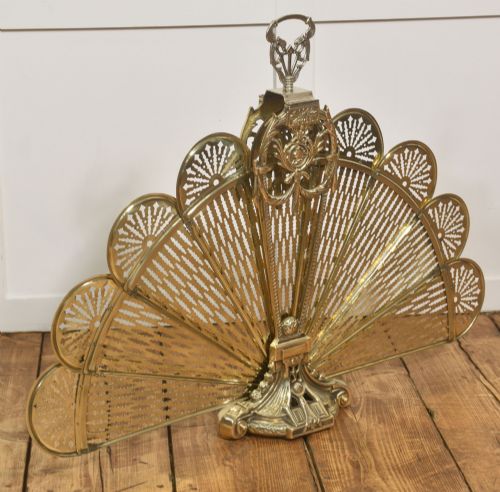
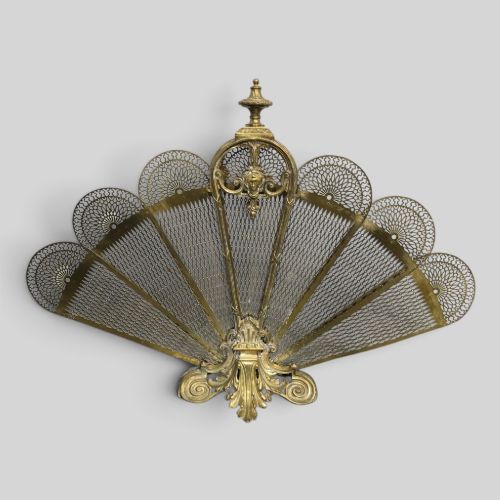
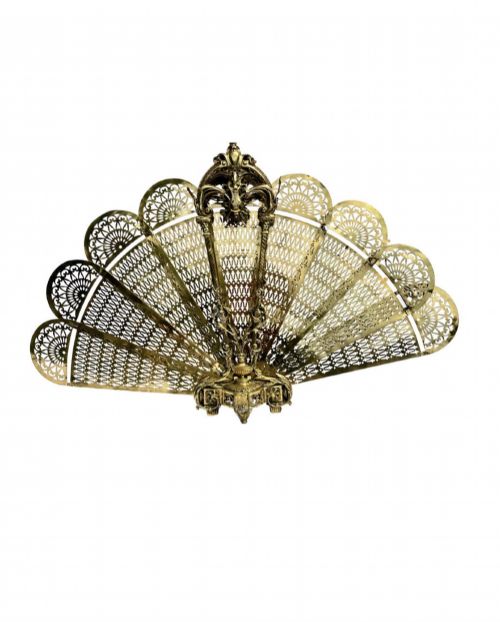
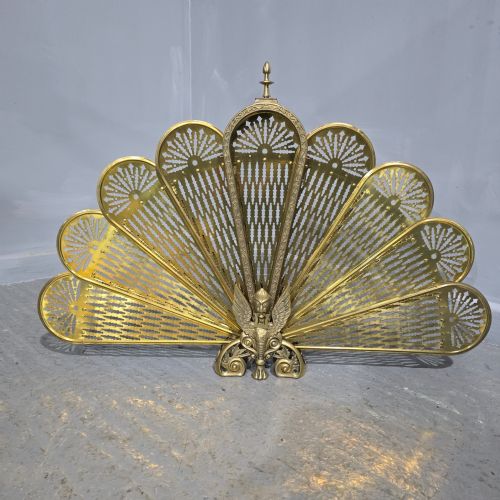
When you search for an antique decorative fan, you encounter a distinct variety of furnishings and wall pieces dominated by folding brass fire screens and framed painted leaves. These objects range from nineteenth-century hearth guards shaped like expanding peacock tails to eighteenth-century style panels and gilt wood wall displays.
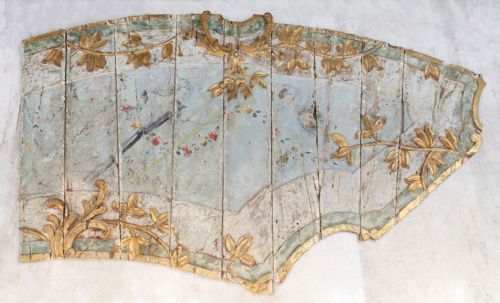
The most common items meeting this description on this page are brass peacock fire screens, which fold outward to mimic avian plumage. Alongside these metal hearth screens appear framed painted fan leaves depicting biblical or pastoral scenes, alongside Japanese Imari plates and chargers bearing fan shapes.
Origins span across Victorian England, France, and Italy, drawing on nineteenth-century design periods alongside Regency and Art Deco aesthetics. The selection bridges functional fireplace accessories and purely decorative wall art, uniting them through fan motifs and folding forms.
How they were made
Makers constructed the folding fire screens using brass panels riveted together to allow the characteristic opening and closing action. Artisans shaped these metal segments into individual feathers, incorporating cast frames and occasional ormolu mounts for heavier Victorian and French revival pieces.
Framed decorative fans utilise painted paper leaves set within gilt metal or gilt wood frames. Other iterations employ porcelain and ceramic bases, such as Japanese Imari plates shaped like fans, decorated with traditional hand-painted glazes.
Gilding and paint applied to paper, wood, and metal form the primary decorative surfaces across these pieces. Craftsmen utilised gold leaf and oil paints to render pastoral and biblical illustrations onto delicate folding leaves.
Goldfinches and roses occasionally share a dish with Japanese Imari.
What varies in quality
Quality rests in the crispness of the casting on brass fire screens and the precision of the articulation in folding joints. Finer screens exhibit substantial gauge metal with well-defined feather detailing rather than thin, pliable brass that loses its alignment.
In painted paper and gilt wood pieces, the standard of execution in the artwork dictates the grade. Superior examples display careful brushwork on the leaf and solid timber framing, whereas lower tiers show simplified painting and lesser secondary woods.
The Antique Decorative Fan Glossary
- Peacock fan screen
- A folding fireplace guard constructed with articulated brass or metal blades that spread open like a tail. These objects shielded the hearth when the fire was unlit.
- Imari
- A style of Japanese porcelain featuring underglaze blue and iron red, often highlighted with gold. Pieces in this tradition sometimes adopt fan shapes.
- Ormolu
- Gilded bronze or brass mounts applied to decorative objects and frames. This technique was favoured by French makers during revival periods.
- Fire screen
- A movable barrier placed before a fireplace opening to block radiant heat or hide an empty grate during warmer months. Many adopt decorative fan configurations.
- Gilt wood
- Timber surfaces coated with a thin layer of gold leaf or gold paint. This finish appears frequently on frames housing painted fan leaves.
Antique Decorative Fan: Frequently Asked Questions
How did people use a brass peacock fan screen?
These folding brass screens stood in front of fireplace openings during the summer months when no fire burned. They hid the empty grate and added metallic decoration to the hearth.
Homeowners could expand or contract the metal blades depending on the width of the fireplace opening. The folding mechanism allowed the screen to store flat against a wall when not in use.
Where should I place a decorative fan wall piece?
Framed painted fan leaves and wall panels suit principal reception rooms and studies where their detail can be appreciated at close range. They work well mounted above mantelpieces or within panelled hallways.
Because paper leaves are sensitive to strong sunlight and moisture, placing them away from direct windows and damp exterior walls helps preserve the painted scenes.
How do I distinguish Victorian brass screens from later periods?
Victorian brass screens typically display heavier gauge metal castings and more pronounced hand-finishing on the individual feather segments. The rivets and hinges often show older hand-turned construction methods.
Later twentieth-century iterations tend to feature lighter brass construction and standardised stamping techniques. Examining the weight and the tightness of the folding action reveals much about the production period.
Are Japanese Imari fan plates meant for dining?
Japanese Imari chargers and unusual fan-shaped plates served primarily as decorative display items rather than everyday tableware. Their intricate underglaze blue, iron red, and gold decoration was intended for visual appreciation.
Displaying these ceramic pieces on walls or plate stands protects their painted surfaces from the wear associated with regular use.