




Biblical Scene Artwork
Biblical scene artwork brings centuries of narrative painting, delicate needlework, and carved plaques into your home.
Biblical Scene Artwork
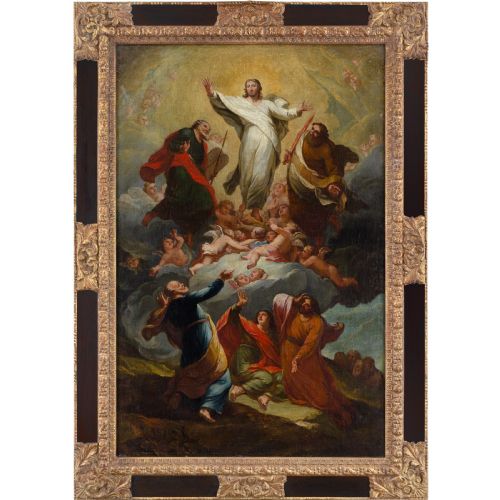
Biblical scene artwork encompasses a rich variety of wall art, paintings, framed prints, and decorative plaques spanning from the sixteenth century through the nineteenth century. These pieces depict sacred narratives from Christian history, created by European schools including Italian Renaissance, Venetian Baroque, and Dutch artists.
Buyers will encounter subjects ranging from the Adoration of the Magi and the Conversion of Saint Paul to Mary Magdalene and the capture of Samson. These works capture dramatic theological moments through the lenses of the Baroque period, Italian Classicism, and later nineteenth-century interpretations.
How biblical scene artwork was made
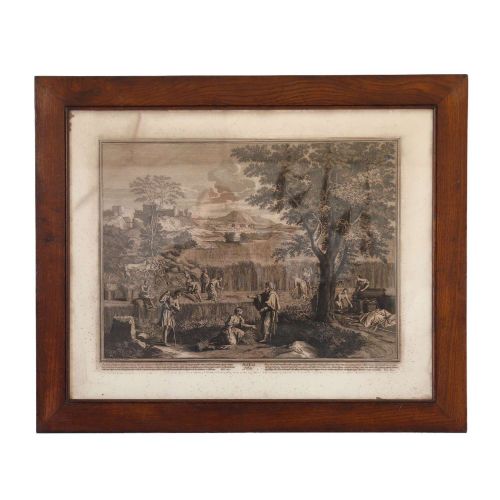
Painters applied oil pigments to canvas or wood panels, often following the compositional techniques established by sixteenth and seventeenth-century masters. Artisans also worked with delicate media, rendering intricate narratives on paper engravings, silk needlework threads, and painted fan leaves.
Framing and mounting played a significant role in presentation, utilising materials such as giltwood, gold leaf, and gilt metal to enhance the visual impact of the sacred scenes. Skilled craftspeople also carved detailed reliefs directly into natural materials like Jerusalem mother of pearl shell.
Mother of pearl shells carved in Jerusalem offer a tangible connection to nineteenth-century pilgrimage souvenirs.
What varies in quality
Quality in these devotional pieces depends heavily on the execution of the figures and the preservation of the primary medium, whether oil paint, silk thread, or carved shell. Works associated closely with specific schools or followers of known masters generally demonstrate superior draftsmanship and compositional balance.
The integrity of the original support, be it panel, canvas, or paper, dictates the longevity and visual clarity of the narrative. Finer examples retain their original framing materials, such as giltwood or gold leaf, which complement the period aesthetic without overwhelming the central artwork.
Poussin·Antonio Tempesta·Pietro D'asaro·Reynard Le Vieux
The Biblical Scene Artwork Glossary
- Oil on canvas
- Pigments bound in a drying oil applied to a stretched woven fabric support. This technique allowed artists to achieve rich colour depths and subtle tonal gradations.
- Giltwood
- Wood that has been treated with a thin layer of gold leaf or powder. It frequently appears on period frames designed to showcase sacred artworks.
- Baroque
- A European artistic style originating in the late sixteenth century characterised by dramatic movement, deep shadow, and grand emotional intensity. It heavily influences many seventeenth-century religious paintings.
- Needlework picture
- A decorative textile created using silk threads stitched onto a fabric backing. These works often translated complex biblical narratives into tactile domestic items during the Georgian era.
Biblical Scene Artwork: Frequently Asked Questions
What periods do these pieces come from?
The inventory spans several centuries, starting from the mid-sixteenth century through the seventeenth and eighteenth centuries, up to the nineteenth century and the Georgian period.
Earlier items often reflect Italian Renaissance or Baroque styles, while later pieces include nineteenth-century plaques and framed prints.
What materials were used?
Artists and artisans utilised oil on canvas, oil on panel, paper, glass, and silk needlework.
Frames and decorative elements frequently incorporate wood, giltwood, gold leaf, gilt metal, and carved mother of pearl shell.
How should I display them?
Most pieces function as wall art, including framed paintings, engravings, and decorative plaques that suit traditional living spaces or studies.
Needlework and shell carvings benefit from placement away from direct sunlight to protect delicate silk threads and natural organic materials.
How do I identify the art style?
Styles range from Italian Renaissance and Venetian Baroque to Dutch Delft and eighteenth-century Italian classicism.
Look for dramatic lighting, narrative complexity, and compositional cues that point to specific European regional schools and historical periods.