

Antique Decorative Desk
An antique decorative desk brings practical writing space and period craftsmanship into a room, spanning styles from Victorian oak to inlaid satinwood.
Antique Decorative Desk
When searching for an antique decorative desk, buyers encounter forms ranging from Victorian oak side tables with drawers to inlaid satinwood Carlton house desks and pedestal formats. These pieces combine utility with ornamental detailing, drawing on 19th-century and early 20th-century design traditions.
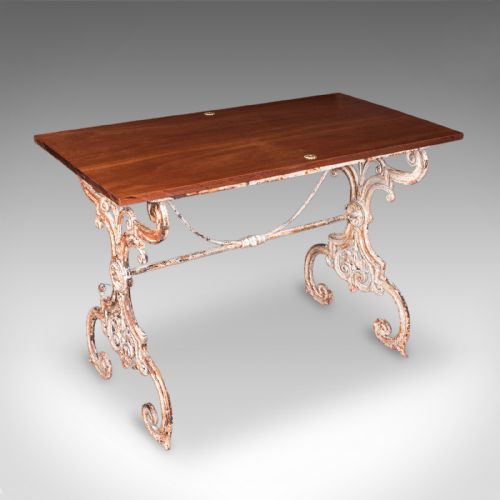
The selections available include walnut writing desks, library tables, and compact writing surfaces augmented by brass bounds, ivory inlay, or Wedgwood plaques. Originating across different eras such as the Victorian and Edwardian periods, each piece reflects the specific writing habits and interior aesthetics of its time.
How they were made
Cabinetmakers utilised durable timbers such as oak, walnut, and satinwood, frequently employing fine veneers and intricate inlay techniques to decorate the writing surfaces and drawers. Structural integrity relies on traditional joinery methods suited to heavy daily use.
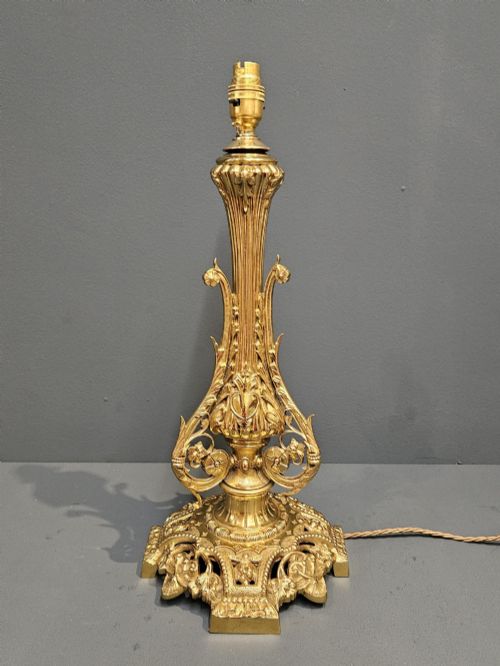
Decorative elements incorporate cast brass mounts, bronze fittings, and ceramic plaques, demonstrating the integration of metalwork and porcelain into wooden furniture design.
Antique Decorative Desk Retail Price Guide 2026
Typical asking prices for decorative desk among the pieces listed under this phrase on Sellingantiques today, from the lower quarter to the upper quarter. They describe what is for sale here now, not the wider market.
The listings span the Victorian, Edwardian, and Art Deco periods, incorporating materials such as oak, walnut, satinwood, brass, and porcelain.
What varies in quality
The standard of a piece depends on the precision of its woodwork, the crispness of any inlaid marquetry, and the quality of its cast bronze or brass mounts. Finer examples display meticulous attention to interior drawer construction and material selection.
Pieces bearing identifiable maker signatures or complex decorative programmes, such as integrated porcelain plaques or specialised wood marquetry, generally represent more accomplished manufacturing.
Jackson and Graham·Mappin Bros·Antoine Louis Barye
The Antique Decorative Desk Glossary
- Carlton house desk
- A fitted writing desk featuring a curved superstructure of small drawers and compartments enclosing the writing surface. This form gained popularity during the late 18th and 19th centuries.
- Pedestal desk
- A heavy freestanding writing table supported by two vertical pedestals containing drawers. These desks typically feature leather or cloth inset writing surfaces.
- Marquetry
- The art and craft of applying pieces of veneer to a structure to form decorative patterns and pictures. Makers utilised various contrasting timbers to achieve pictorial depth.
- Ormolu
- Gilded bronze mounts applied to furniture and decorative objects during the 18th and 19th centuries. The technique involves applying a mercury and gold amalgam to bronze.
Antique Decorative Desk: Frequently Asked Questions
How do I date an antique desk?
Dating relies on identifying the primary timbers, construction methods, and decorative styles characteristic of periods like the Victorian era or the early 20th century. Examining drawer dovetails and hardware provides additional chronological clues.
Makers' marks or stamps, when present, assist in narrowing down the decade of production and the workshop of origin.
What is a Carlton house desk?
A Carlton house desk is a specialised writing table defined by a curved bank of small drawers and pigeonholes arranged around the upper perimeter of the writing slab. This layout offers structured storage for stationery.
Originating in the Georgian period, these desks continued to be produced in luxury satinwood and mahogany variants through the 19th century.
How should I care for a wooden desk?
Maintenance involves keeping wooden surfaces away from direct heat sources and strong sunlight to prevent timber splitting and veneer lifting. Regular dusting with a soft, dry cloth preserves the finish.
Applying appropriate furniture wax occasionally helps nourish older hardwoods without building up heavy chemical residue.
Are these desks suitable for daily work?
Many antique writing desks function effectively for contemporary writing and laptop use, provided the writing height aligns with comfortable seating. Compact side tables with drawers offer modest surface area for occasional correspondence.
Larger pedestal and library desks provide substantial workspace and integrated storage drawers comparable to modern office furniture.