

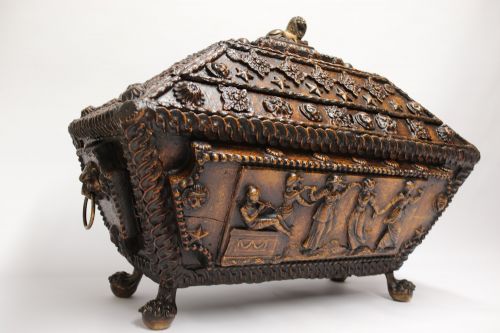

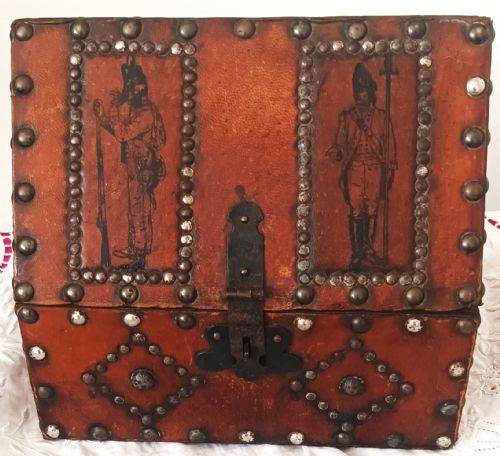

Antique Decorated Box
An antique decorated box brings surface artistry and practical storage together, spanning centuries of hand-applied lacquer, metalwork, and paint.
Antique Decorated Box
An antique decorated box encompasses a diverse array of lidded containers, caskets, and small chests designed for personal items, games, and keepsakes. When searching for this phrase, collectors encounter forms ranging from pocket-sized snuff boxes to larger blanket boxes and tea caddies.
The selections span multiple centuries, with significant representation from the Georgian, Regency, and Victorian periods. Makers across Europe, Asia, and the Middle East contributed distinct regional traditions to this category.
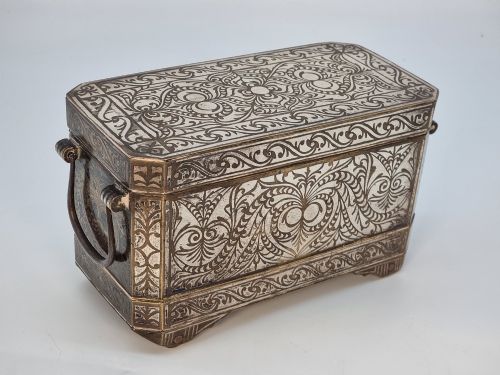
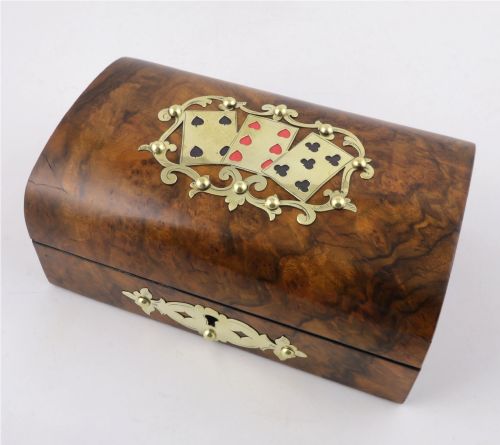
Surface ornamentation defines the group, utilising techniques such as hand-painting, lacquering, and metal inlay. These vessels served both utilitarian storage functions and decorative display roles within historic interiors.
How they were made
Artisans constructed the structural carcases using regional timbers such as walnut, satinwood, pine, and exotic hardwoods like padouk. Surfaces were frequently prepared with gesso or leather before receiving decorative treatments.
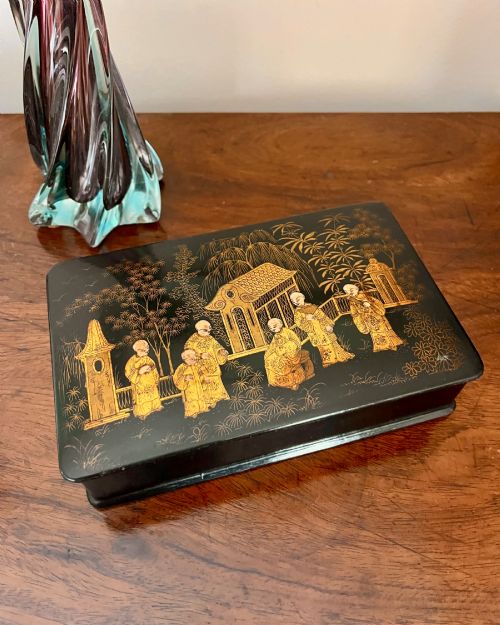
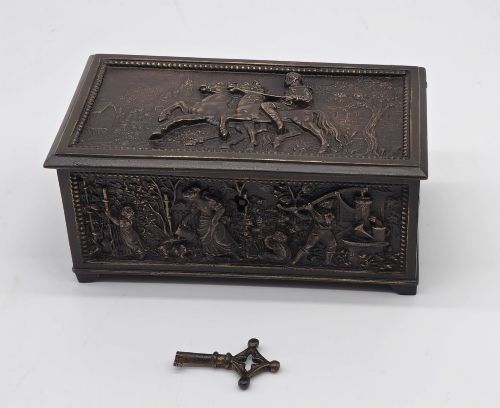
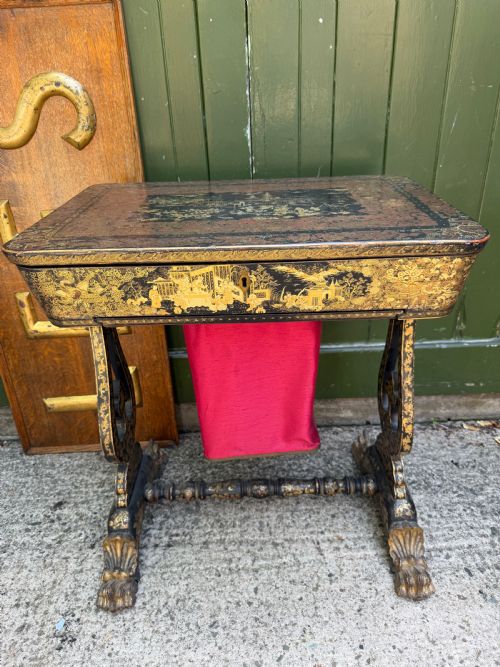
Visual enrichment relied on diverse methods, including gold leaf application, engine turning on wood and bone, and intricate repoussé metalwork. Lacquer finishes, particularly in Japanese and Chinese export styles, involved multiple layered applications dried and polished by hand.
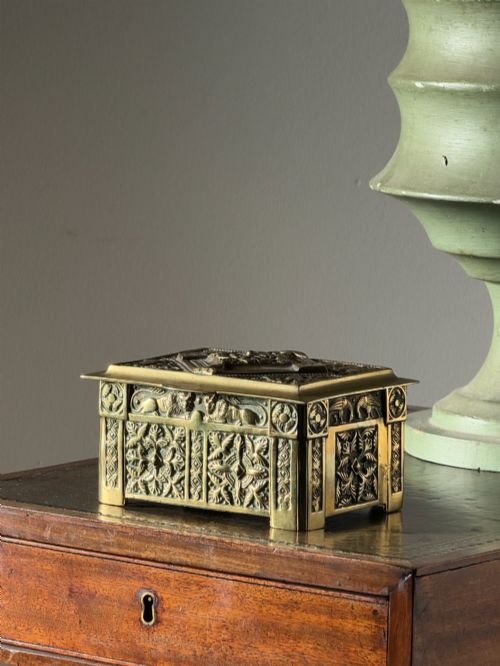
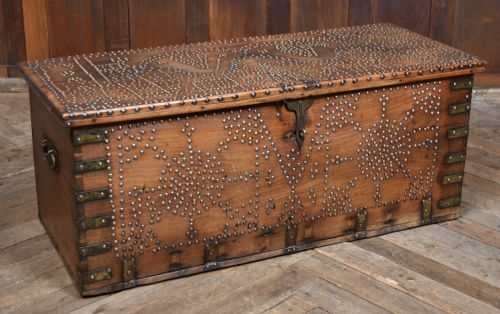
Metal components, from cast bronze to brass and silver inlay, provided structural reinforcement and decorative contrast. Hand-painted penwork and rural scenes executed in pigments completed the exterior designs.
Antique Decorated Box Retail Price Guide 2026
Typical asking prices for decorated box among the pieces listed under this phrase on Sellingantiques today, from the lower quarter to the upper quarter. They describe what is for sale here now, not the wider market.
Listings feature wooden, metal, and lacquer materials spanning the 17th through the 20th centuries.
What varies in quality
The distinction between standard and exceptional pieces rests upon the precision and complexity of the surface ornamentation. Finer examples display meticulous hand-painted detail, crisp engine turning, and deeply chased repoussé work rather than mechanical or simplistic stamping.
Materials dictate upper tiers of craftsmanship, where genuine precious metals, high-grade tortoiseshell, or master-applied oriental lacquers elevate the piece. The integrity of the underlying joinery and the survival of original decorative surfaces determine overall archival standing.
Spode·Richard Ginori·Rene Lalique
The Antique Decorated Box Glossary
- Engine turned
- A geometric pattern mechanically engraved onto metal or wood surfaces using a lathe. This technique creates precise, repeating textures often found on small containers.
- Repoussé
- A metalworking technique where the design is hammered into relief from the reverse side. It produces tactile, raised ornamentation on copper, silver, and brass vessels.
- Chinoiserie
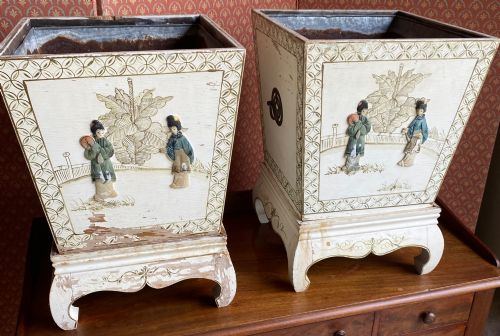
- European artistic interpretations of Chinese and East Asian decorative motifs. These designs typically feature fanciful landscapes, figures, and pavilions rendered in paint or lacquer.
- Treen
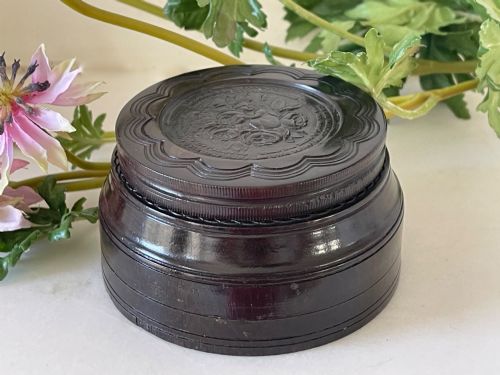
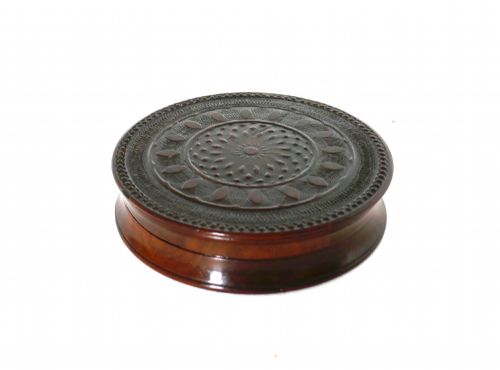
- Small domestic wooden objects made by turning or carving. This category includes utilitarian pocket items and small boxes fashioned from Laburnum and other dense woods.
- Penwork
- An intricate decorative technique using ink pen and nib to draw fine, detailed motifs directly onto a prepared wooden or gessoed surface.
Antique Decorated Box: Frequently Asked Questions
What were antique decorated boxes used for?
These vessels held a multitude of personal valuables, ranging from tobacco and snuff to playing cards, writing implements, and jewellery. Their specific internal fittings often dictated whether they served tea, sewing accessories, or correspondence.
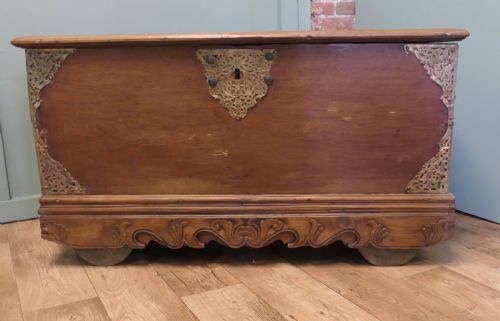
Larger variations functioned as blanket chests or storage crates, keeping textiles and documents secure within historic households.
How do I date an antique decorated box?
Dating relies on combining the stylistic period of the exterior decoration with the construction methods visible inside. Regency and Georgian examples often feature distinct hand-cut dovetails and specific pigment palettes.
Examining the hinges, locks, and secondary woods provides further chronological markers that align with documented manufacturing eras.
Are these boxes fragile to live with?
While historic lacquer, paint, and gilt surfaces require thoughtful placement away from direct sunlight and extreme humidity, they remain robust enough for daily admiration. Standard interior environments suit them well.
Gentle dusting with a dry, soft cloth preserves the delicate finishes without risking abrasion to the historic decorations.
How do regional styles differ?
Geographic origin shapes both the materials and the ornamental vocabulary of each piece. Asian export works frequently showcase layered lacquers and gilded motifs, while European pieces often utilise penwork, marquetry, or carved metal mounts.
Middle Eastern and Anglo-Indian variants lean heavily towards intricate silver inlay and dense hardwood carving.