


Antique Decor Art
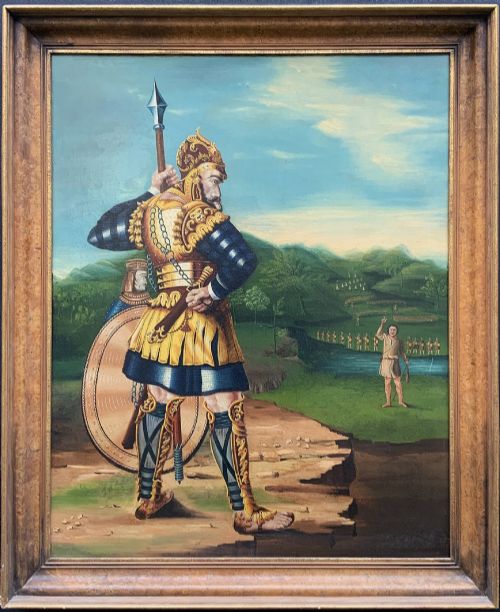
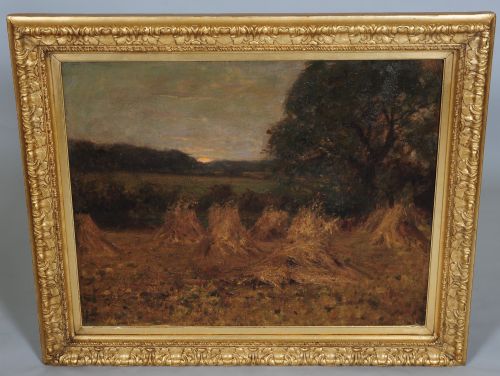
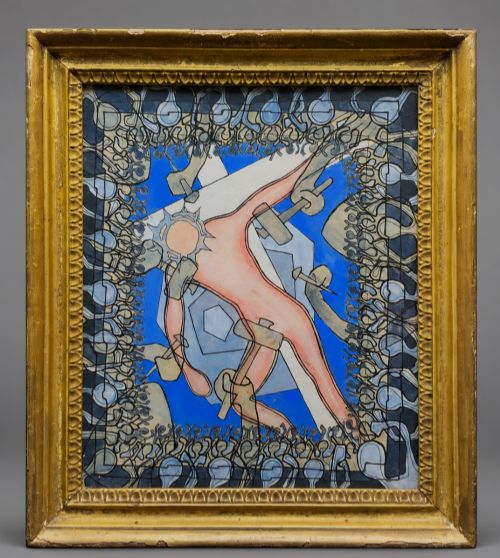
Antique decor art brings historic character into a room through oil paintings, glass vases, and framed prints gathered from centuries past.
Antique Decor Art
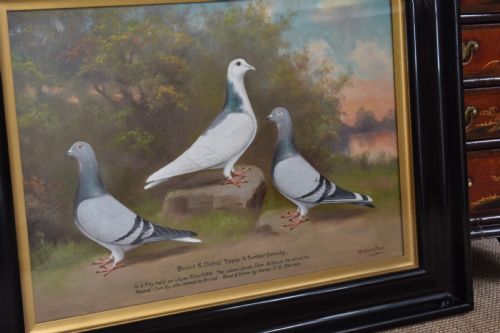
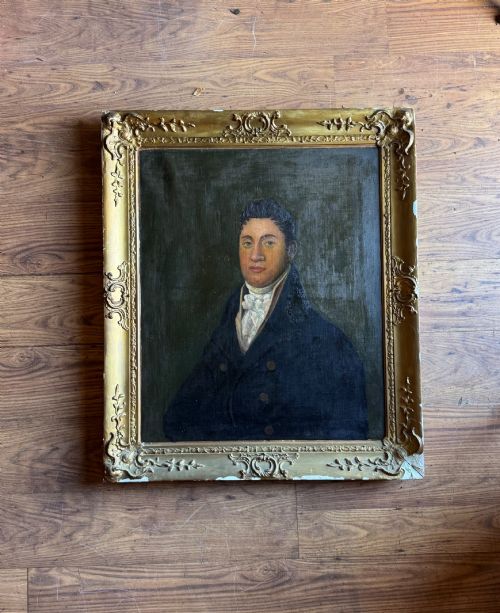
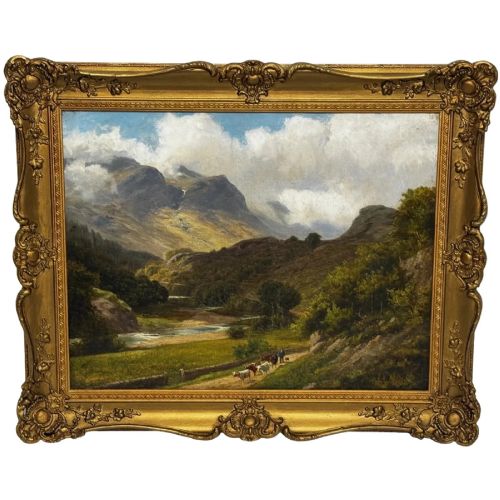
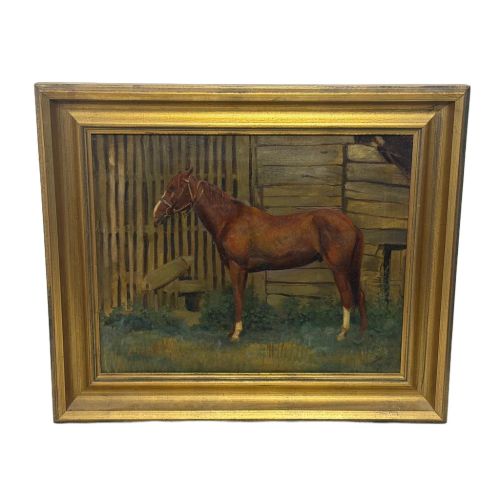
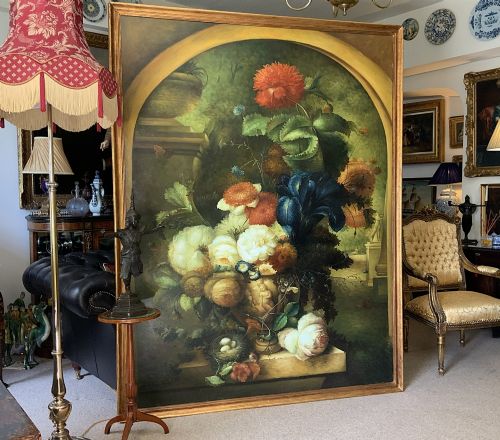
Antique decor art encompasses a diverse array of historic decorative objects and wall pieces designed to embellish interior spaces. When exploring this category, a buyer encounters everything from oil paintings on canvas and panel to iridescent glass vases, framed prints, and carved wooden panels.
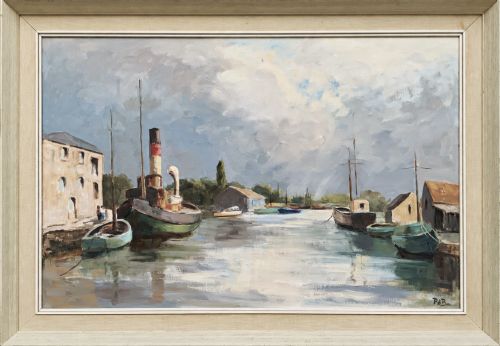
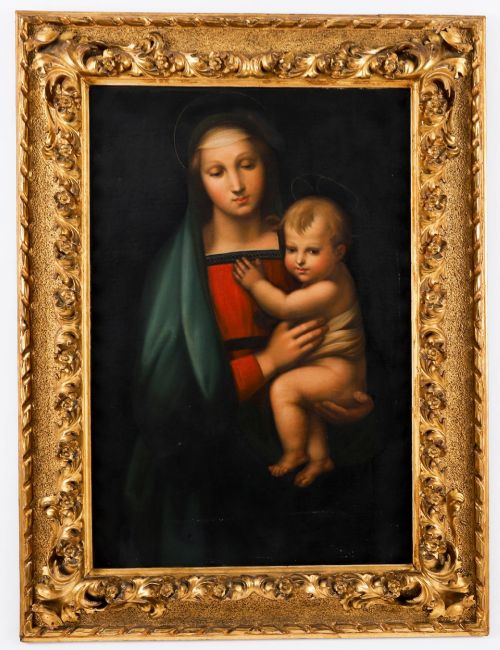
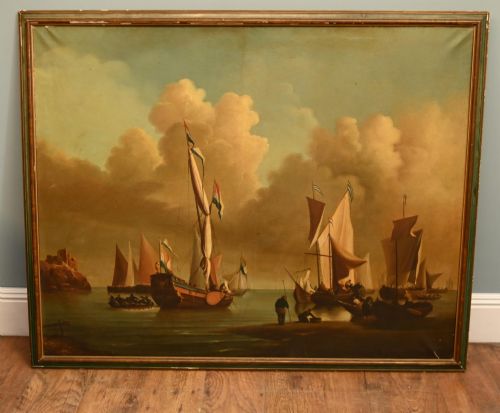
The selections span multiple eras, including the eighteenth, nineteenth, and early twentieth centuries, alongside distinct movements such as Art Nouveau, Edwardian, and Victorian styles. Maritime scenes, portraits, still lifes, and botanical watercolours frequently appear across the available selection.
Origins vary widely across British, European, and wider international workshops, reflecting the tastes of past domestic interiors. Pieces range from formal oil paintings by named artists to folk art dioramas and utilitarian silver napkin rings.
Materials and Techniques
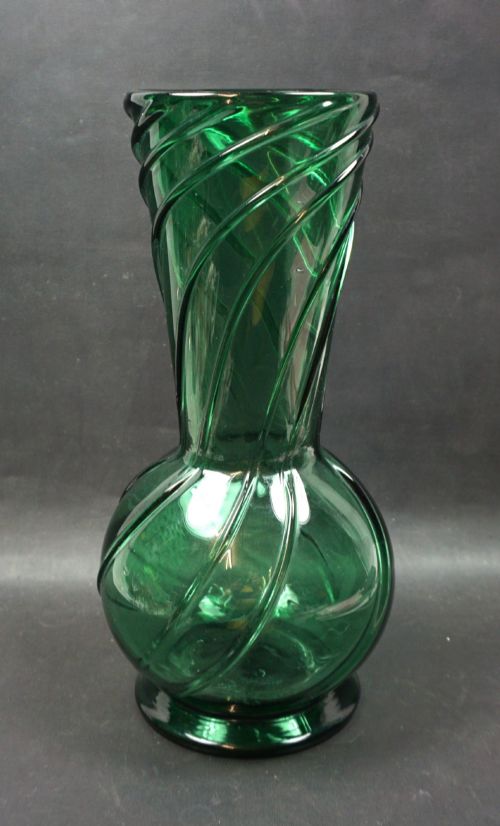
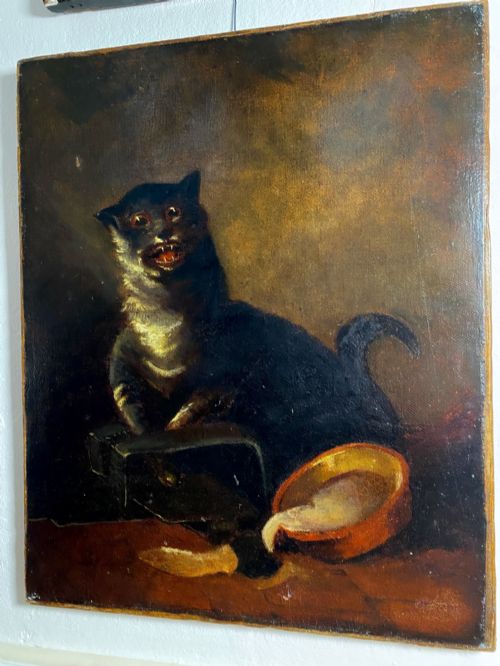
Makers utilised traditional mediums such as oil paint on canvas or wooden panel, watercolour on paper, and coloured printing inks for engravings and posters. Glass pieces demonstrate sophisticated techniques like wheel carving and iridescent surface treatments applied during manufacture.
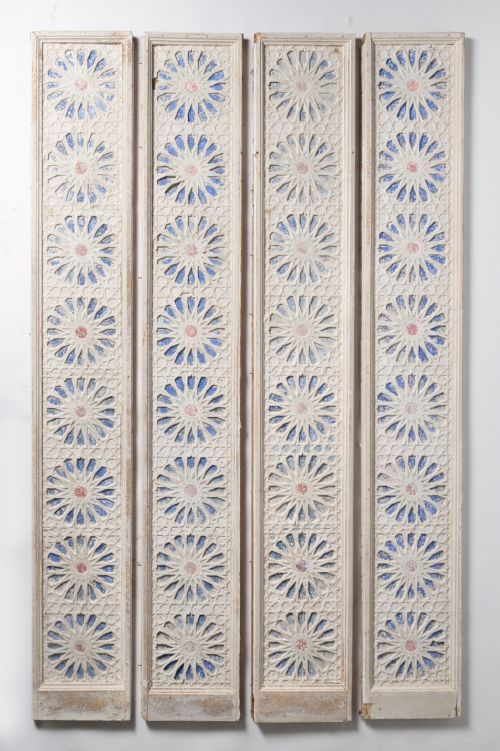
Plaster, bronze, and solid sterling silver recur in sculptural and functional decorative items, often involving detailed hand-finishing or casting. Carved wooden panels and fairground columns exhibit traditional carpentry and relief-carving methods.
Paper items rely on early printing, engraving, and hand-writing techniques, while textiles appear in the form of framed tapestries and embroidered wall hangings.
Antique Decor Art Retail Price Guide 2026
Typical asking prices for decor art among the pieces listed under this phrase on Sellingantiques today, from the lower quarter to the upper quarter. They describe what is for sale here now, not the wider market.
Listings feature oil paintings, glass vases, and engravings across the eighteenth, nineteenth, and twentieth centuries.
Evaluating Quality
Quality in these decorative pieces rests upon the precision of the execution, whether through the fine brushwork of a portrait or the intricate wheel-carving on an art glass vessel. Superior examples demonstrate a confident handling of medium and form that elevates them above standard decorative items.
The integrity of the materials and the preservation of the original surface significantly influence the standard of a piece. Original mounts, frames, and untouched patinas indicate a higher grade of survival through the decades.
Attribution to documented makers or specific stylistic schools adds weight, distinguishing standard workshop output from exceptional design achievements.
Humphrey Llwyd·Loetz·Georg Adam Scheid·Daum·William Bird·John Hayls·Lemuel Francis Abbott·Marcellin Auzolle·E F Caldwell New York
The Antique Decor Art Glossary
- Oil Painting
- A picture created using pigments suspended in a drying oil medium, typically applied to canvas or wood panel. This technique allows for rich colour depth and varied texture.
- Iridescent Glass
- Glass treated with metallic salts to produce a shimmering, rainbow-like sheen on the surface. This effect gained prominence during the Art Nouveau period.
- Engraving
- A printmaking process where an image is incised into a metal plate, which then holds ink for transfer to paper under pressure. Fine lines and detailed shading typify this method.
- Mezzotint
- A printmaking method of the intaglio family where the plate is roughened to achieve dark tones and smoothed areas to create highlights. Reverse glass mezzotints apply this imagery directly beneath glass.
- Diorama
- A three-dimensional miniature scene enclosed within a case or bottle. Folk art examples often depict maritime vessels using carved wood and rigging.
Antique Decor Art: Frequently Asked Questions
How do I display antique art safely?
Position paintings and paper works away from direct sunlight and excessive humidity to protect pigments and paper fibres from degradation. Ensure wall hangings are secured using appropriate fixings suited to the weight of the frame.
For glass vessels and metal decor, place them on stable surfaces where they will not be easily knocked. Dust delicate surfaces gently with a dry, soft cloth without applying harsh cleaning agents.
What is the difference between an oil painting and an oleograph?
An oil painting consists of original pigments applied by hand directly onto a canvas or panel by an artist. Brushstrokes carry tactile dimension and unique character.
An oleograph is a mechanical reproduction that mimics the texture and appearance of an oil painting through a lithographic printing process. These reproductions often feature an embossed surface texture to imitate canvas weave.
How can I tell the period of a framed print?
Examine the printing technique, paper quality, and the framing materials used to house the piece. Older prints often utilise hand-coloured engravings or early lithography on heavier, rag-based paper.
Backings, glazing types, and framing hardware also offer clues to age, though many antique prints are reframed later in their lifespan to ensure preservation.
Where were antique glass vases made?
European glassworks, particularly in regions like Bohemia, produced significant quantities of iridescent and art glass during the late nineteenth and early twentieth centuries. Makers utilised specialised chemical treatments to achieve metallic lustres.
Designers and manufacturers collaborated closely, with distinct houses attributing glass forms to specific glassworks or individual artisans.