
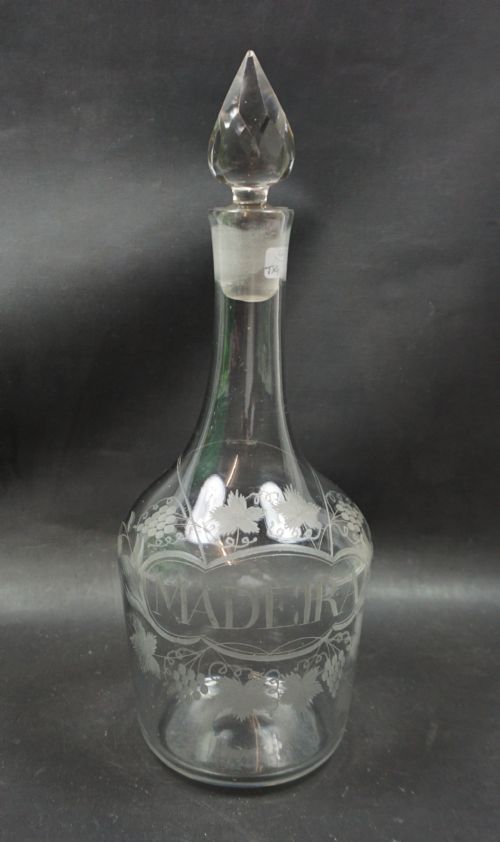


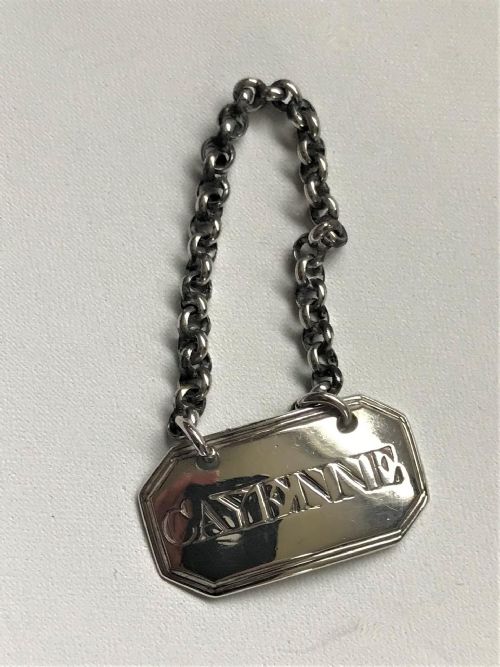
Antique Decanter Label
These antique decanter label pieces hang around the necks of your bottles to name the vintage with classic Georgian and Victorian style.
What these pieces are
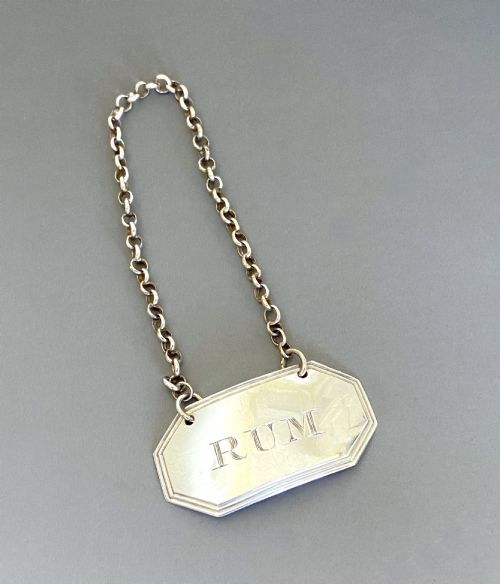
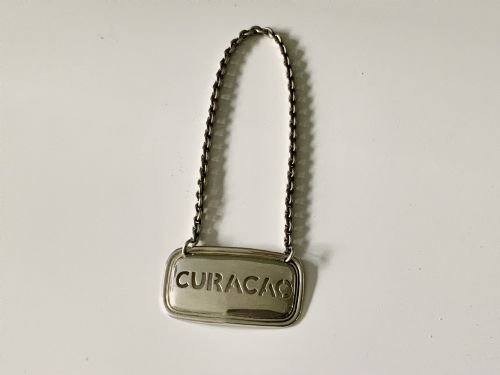
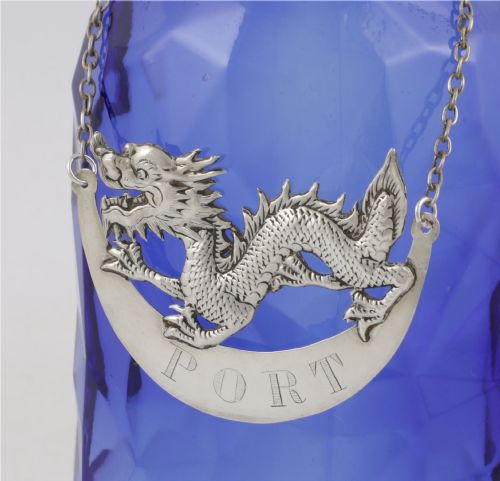
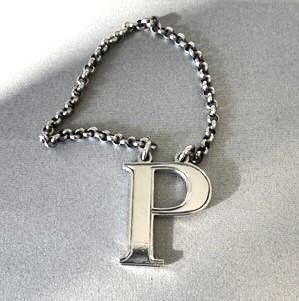
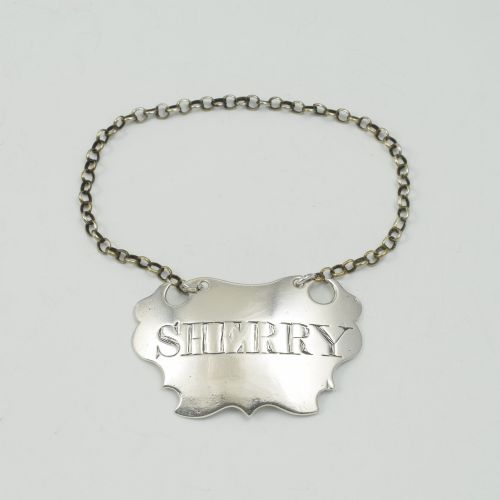
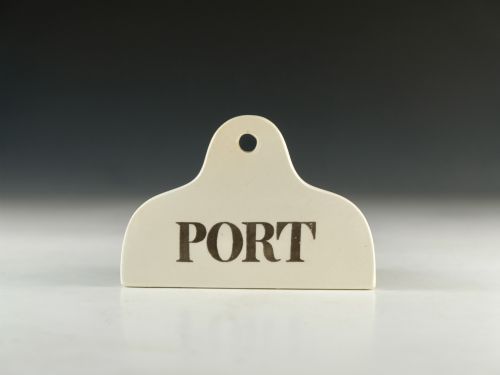
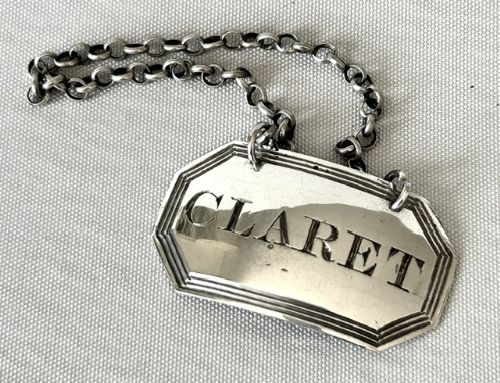
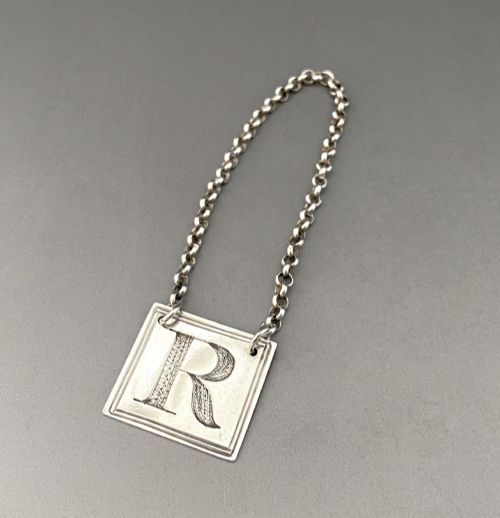
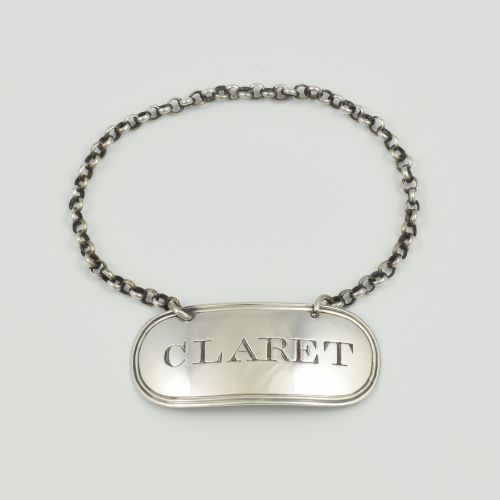
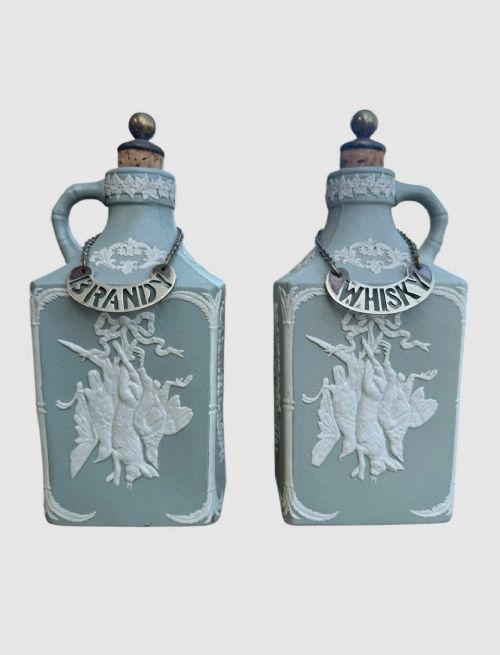
An antique decanter label identifies the contents of a bottle, hanging gracefully by a chain around the neck of glass decanters and flagons. When you search for an antique decanter label, you are looking at small pieces of silver or metal shaped to name specific drinks like port, sherry, brandy, gin, and whisky.
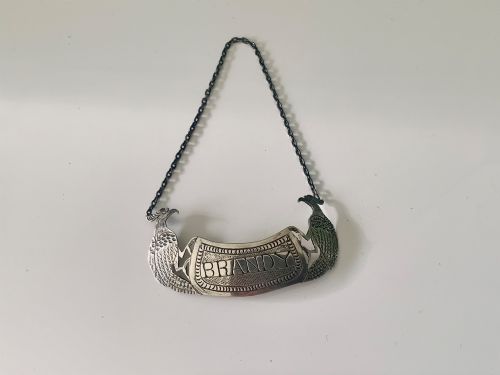
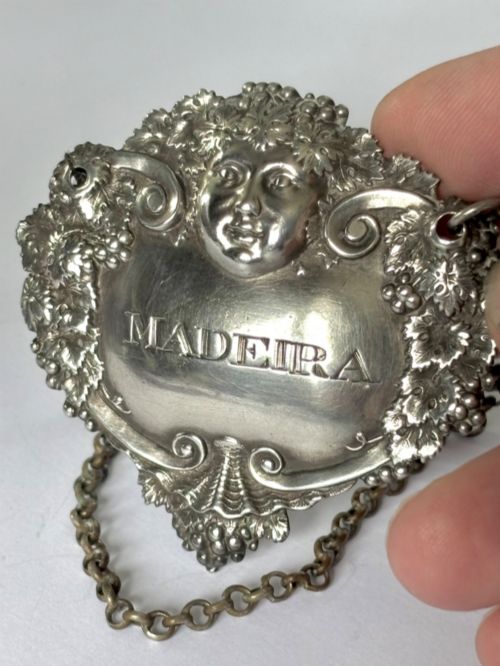
The pieces you meet most often on this page date from the Georgian and Victorian eras, though later examples also appear. They range from simple stamped banners to pierced vine leaves and figural motifs featuring Bacchus.
You find them offered individually, as matched pairs, or occasionally in sets. Each one carries the name of a spirit or wine stamped or engraved directly onto the metal surface.
How they were made
Silversmiths constructed these labels primarily from sterling silver, silver gilt, and silver plate, occasionally turning to simpler base metals. Many examples employ traditional techniques of piercing, stamping, and engraving to achieve intricate vine leaf and border patterns.
Makers shaped the metal into distinct forms such as crescent banners, vine leaves, and rectangular plaques. Suspension chains and jump rings were attached to secure the label around the neck of the bottle.
Retail Price Guide 2026
Typical UK retail prices for decanter label, calculated from the Sellingantiques database of over a million retail prices indexed since 2003. This retail price guide relies exclusively on Sellingantiques data; no external sources or auction records are used, so the figures do not describe the wider market.
Some labels stubbornly name drinks like cayenne, reminding us that Georgian drinkers liked their water and wine with a startling spicy kick.
What varies in quality
The distinction between ordinary and superior pieces rests on the crispness of the casting and the depth of the engraving. Hand-pierced vine leaves and detailed figural work demand greater skill than machine-stamped blanks.
The presence of clear hallmarks adds significant weight to a piece, confirming the metal standard, maker, and date of manufacture. Weight and gauge of the silver also separate substantial Georgian and Victorian examples from lighter, later alternatives.
Taylor & Perry
The Antique Decanter Label Glossary
- Bottle ticket
- An alternative historical term for a decanter label used to designate the contents of a wine or spirit container. These small tags hung from slender chains around the bottle neck.
- Bacchus motif
- A decorative design featuring the classical god of wine, often depicted surrounded by grapes and vine leaves. This imagery appears frequently on figural silver labels.
- Silver gilt
- Sterling silver that has been coated with a thin layer of gold, providing a rich, warm surface finish. This technique was used to enhance the visual appeal of decorative table silver.
- Pierced work
- A decorative technique where metal is cut through to create openwork patterns such as scrolling foliage or lettering. It requires steady hand control with a piercing saw.
- Hallmark
- A stamped official mark indicating the purity of the metal, the maker, and the assay office. These stamps provide a reliable method for dating British silver.
Frequently Asked Questions
How do I hang a decanter label?
These labels are designed with an attached chain or jump ring that slips easily over the neck of a glass decanter. They hang loosely below the stopper to display the name of the spirit clearly.
Ensure the chain is properly secured so it does not slip off when the decanter is tilted for pouring.
Can I polish my silver label?
You can clean sterling silver labels using a soft cloth and a mild silver polish specifically formulated for antiques. Take care around engraved letters and pierced vine leaf details to avoid rubbing away the finer work.
Avoid abrasive cleaners or harsh dips that might strip the original patina and damage the surface finish.
How do I date an antique label?
Dating relies primarily on the style of the lettering, the decorative motifs, and any official hallmarks stamped into the metal. Georgian pieces often feature bright-cut engraving and shield shapes, while Victorian examples lean towards heavier cast vine leaves.
Matching the name of the drink and the manufacturing style to known historical periods helps narrow down the decade of production.
Were these labels used for wine?
Decanter labels were utilised for a wide variety of wines and spirits including port, sherry, madeira, brandy, gin, whisky, and claret. Specific names stamped onto the metal ensured guests knew which bottle held which drink.
Sets were often kept on a tray so they could be transferred to whichever decanter was brought to the table.